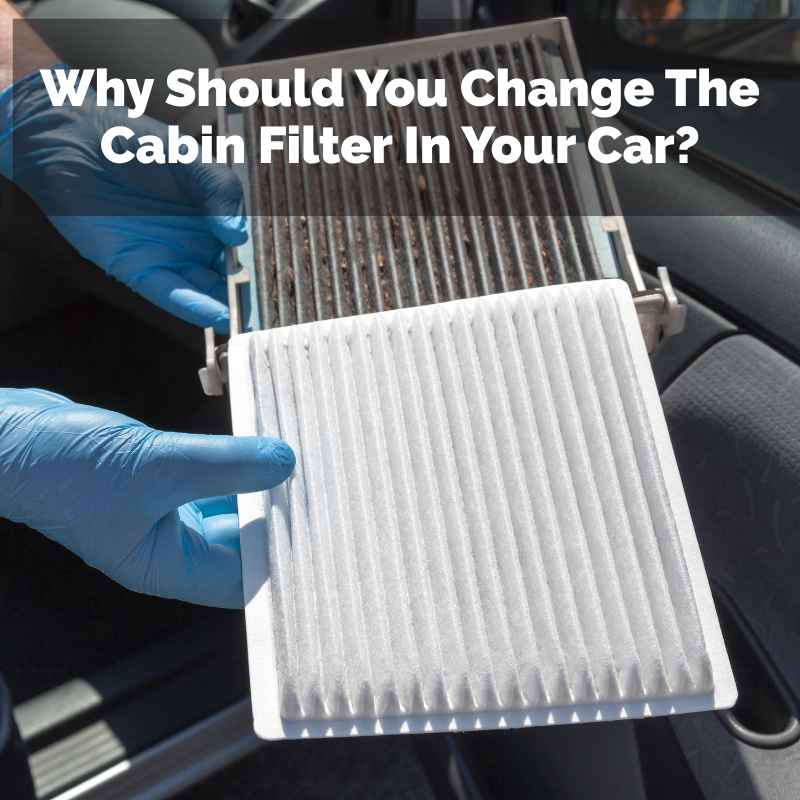
Why Should You Change The Cabin Filter In Your Car?
Have you ever thought about the air you breathe inside your car? It might seem clean, but tiny particles can sneak in. This is where your car’s cabin air filter plays a huge role.
It’s a part of your car that often gets overlooked. But it’s super important for keeping the air fresh and healthy for you and your passengers.
This filter works hard behind the scenes. It cleans the air before it enters your car’s cabin. Over time, it can get clogged.
This can lead to problems. We’ll explore why changing this filter matters so much. You’ll learn about its benefits and what happens if you skip this simple car care task.
The cabin air filter cleans the air you breathe inside your car. Changing it regularly helps maintain air quality, improves HVAC system performance, and protects your health. It’s a simple maintenance task with significant benefits for a healthier and more comfortable driving experience.
What is a Cabin Air Filter and Why Does It Matter?
A cabin air filter is a small but mighty component in your car. Think of it as a tiny gatekeeper for the air entering your car’s interior. Its main job is to trap pollutants.
These include dust, pollen, smog, and even tiny bits of soot from other cars.
It sits in a hidden spot, usually behind the glove box. When you turn on your car’s fan or air conditioning, air is pulled through this filter. This is before it reaches you.
Without a good filter, all those nasty bits would flow right into your car.
This matters because the air inside a car can be much more polluted than the air outside. This is especially true in busy cities. A clean cabin filter ensures the air you breathe is as clean as possible.
It helps make your drives more pleasant and healthier.
My Own Struggle with a Dirty Cabin Filter
I remember one summer, I was driving to visit my parents. It was a long trip. The air conditioning in my old sedan had always been a bit weak.
But this time, it felt worse. A strange, musty smell filled the car. Even with the AC blasting, the air felt stale and heavy.
At first, I thought maybe something was spilled in the car. I checked everywhere. Then, I started sneezing a lot.
My eyes felt a bit itchy. I felt groggy and tired during the drive. It made the whole journey unpleasant.
I even considered pulling over to get some fresh air, but the outside air wasn’t much better.
After I got home, I mentioned it to my mechanic. He asked if I’d ever changed the cabin air filter. I honestly couldn’t remember.
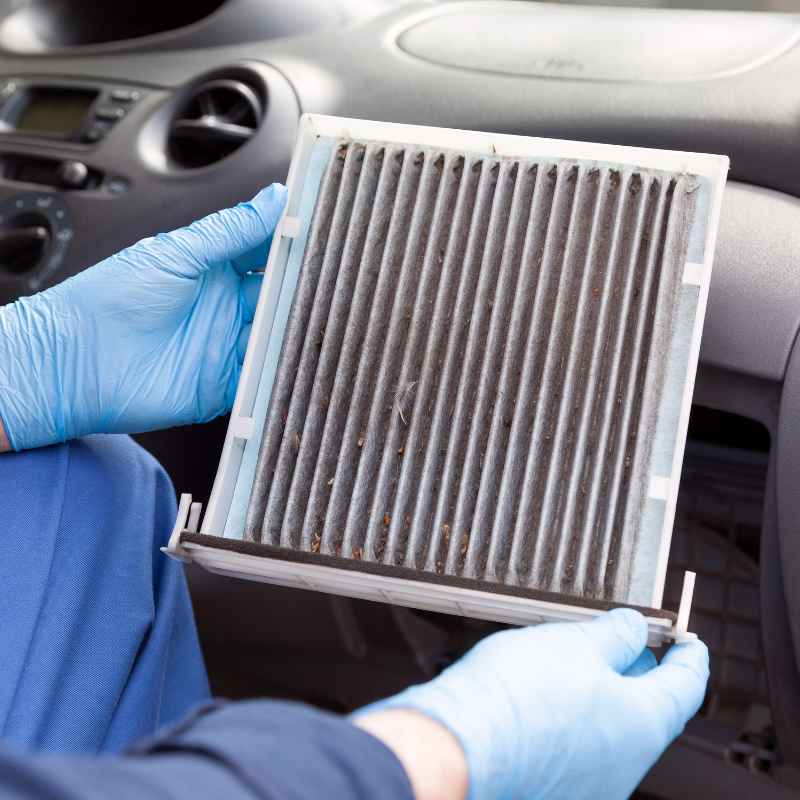
He showed me the old one. It was thick with dirt, leaves, and grime. It looked like a small, fuzzy rug.
He said this was likely causing the smell and the poor airflow. Changing it was like a breath of fresh air, literally. The AC blew stronger, and the musty smell vanished.
It was a wake-up call for me about how important this small part is.
What a Cabin Filter Captures
Dust: Fine particles from roads and the air.
Pollen: Tiny grains from plants, a big problem for allergy sufferers.
Soot: Black particles from exhaust fumes.
Mold Spores: Microscopic bits that can grow in damp areas.
Bacteria: Tiny germs that can cause illness.
How Cabin Air Filters Keep You Healthy
Your health is a top priority. The cabin air filter is a key player in protecting it. It acts as a barrier against many harmful airborne particles.
These particles can cause various health issues.
For people with allergies or asthma, a clean cabin filter can make a huge difference. Pollen is a common trigger for allergies. Dust mites and mold spores can worsen asthma symptoms.
By trapping these, the filter reduces the amount of allergens you inhale.
Less exposure to these irritants means fewer allergy flare-ups. It can lead to less sneezing, fewer watery eyes, and easier breathing. This makes your daily commute or long road trips much more comfortable, especially during allergy season.
Signs Your Cabin Filter Needs Changing
- Reduced airflow from vents
- Strange odors inside the car (musty, moldy)
- Increased allergy symptoms while driving
- Dust buildup on the dashboard
- AC or heater works less effectively
The Impact on Your Car’s HVAC System
Beyond health, the cabin air filter has a direct impact on your car’s heating, ventilation, and air conditioning (HVAC) system. This system is what keeps you comfortable in any weather.
When the filter is dirty and clogged, it restricts airflow. This forces your car’s fan motor to work harder. Imagine trying to drink a thick milkshake through a tiny straw.
That’s what a dirty filter does to your car’s fan.
This extra strain can lead to premature wear and tear on the fan motor. It might even cause it to fail sooner than expected. Replacing a fan motor is an expensive repair.
A simple cabin filter replacement is a much cheaper alternative.
Furthermore, a clogged filter means less air circulating. This makes your AC and heater less efficient. Your AC will struggle to cool the cabin on hot days.
Your heater will take longer to warm up the car in winter. This wastes fuel and makes your car less comfortable.
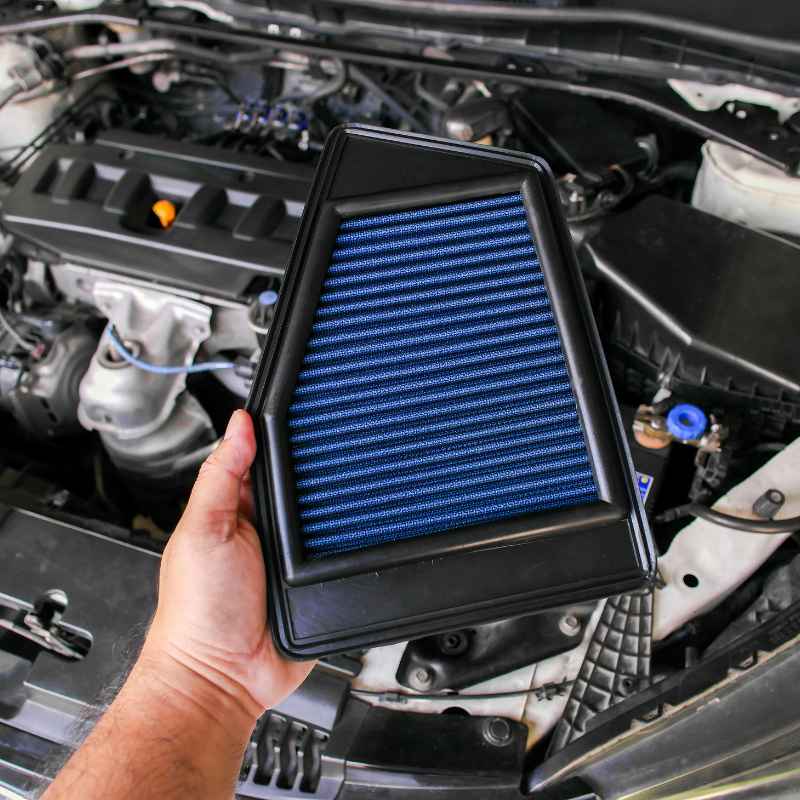
Cabin Filter vs. Engine Air Filter
Cabin Air Filter: Cleans air going into the car’s interior for passengers. Located inside the cabin.
Engine Air Filter: Cleans air going into the engine for combustion. Located in the engine bay.
They are different parts serving different purposes, but both are crucial for your car’s health.
When Should You Change Your Cabin Air Filter?
Most car manufacturers recommend changing the cabin air filter every 12,000 to 15,000 miles. Or at least once a year. However, this is just a guideline.
Several factors can affect how often you actually need to change it.
If you live in an area with a lot of dust, like near construction sites or unpaved roads, your filter will clog faster. Driving in heavy city traffic, with lots of exhaust fumes, also speeds up filter wear. If you frequently drive in dusty conditions or polluted areas, you might need to change it more often, perhaps every 6 months.
People with allergies or respiratory issues should be particularly vigilant. You might want to change the filter more often to ensure the best possible air quality inside your car. Always check your car’s owner’s manual for specific recommendations for your model.
It’s the best place to find the most accurate advice.
Recognizing the Signs of a Clogged Filter
You don’t always have to wait for the recommended mileage. Your car often gives you clues that the cabin air filter needs attention. Paying attention to these signs can save you from discomfort and potential damage to your car’s systems.
One of the most common signs is reduced airflow from your car’s vents. When you turn on the fan, the air coming out feels weak. You might have to turn the fan speed all the way up just to feel a breeze.
This is a clear indicator that something is blocking the air.
Another major sign is unpleasant odors. If you notice a musty, moldy, or damp smell when you turn on your AC or heater, your filter is likely the culprit. Trapped moisture and debris in the filter can start to grow mold and bacteria, causing these bad smells.
You might also notice more dust accumulating inside your car. If your dashboard or the seats seem to be collecting dust faster than usual, the filter might not be doing its job properly. This means dust is getting past it and into your cabin.
Myths vs. Reality: Cabin Air Filters
| Myth | Reality |
| Cabin air filters are only for luxury cars. | Most modern cars come with cabin air filters. |
| A dirty cabin filter doesn’t really matter. | It impacts health, comfort, and HVAC system life. |
| I can clean an old cabin filter. | Cleaning is usually ineffective; replacement is best. |
DIY vs. Professional Replacement
Replacing a cabin air filter is often a straightforward DIY task. Many cars are designed with easy access to the filter. This can save you money on labor costs if you’re comfortable doing it yourself.
You’ll usually need a screwdriver or a few basic tools. The filter housing is often located behind the glove box. You might need to remove the glove box to get to it.
Once you find it, the old filter slides out, and the new one slides in. It’s a simple swap.
If you’re not mechanically inclined, or if your car’s filter location is tricky to access, a professional mechanic can do it for you. Most service centers can replace a cabin air filter quickly. They can also check other related components of your HVAC system at the same time.
Consider your comfort level with car maintenance. If you’re unsure, or if the process seems too complicated, don’t hesitate to have a professional handle it. The cost of professional replacement is usually quite reasonable, especially when you compare it to the potential costs of ignoring a dirty filter.
Types of Cabin Air Filters
There are a few types of cabin air filters available. Each offers different levels of filtration and benefits.
Standard Filters: These are the most common and usually the most affordable. They are made of paper-like material and are effective at trapping larger particles like dust and pollen. They are a good basic option for most drivers.
Activated Carbon Filters: These filters have a layer of activated carbon added. Carbon is excellent at absorbing odors and gases. If you frequently drive in areas with a lot of exhaust fumes or strong smells, an activated carbon filter can be a great choice.
They help neutralize these odors, making the air inside your car smell much fresher.
High-Efficiency Filters: Some advanced filters use electrostatic materials. They can capture even smaller particles, like bacteria and microscopic pollutants. These are ideal for people with severe allergies, asthma, or those who are particularly concerned about air quality.
They offer the highest level of filtration.
When choosing a filter, consider your driving environment and any personal health concerns. Your owner’s manual can help guide you on the type recommended for your specific vehicle.
Filter Replacement Frequency Guidelines
Standard Driving Conditions: Once a year or every 12,000-15,000 miles.
Dusty/Polluted Environments: Every 6 months or 7,500 miles.
Heavy Allergy Sufferers: Every 6 months or sooner if symptoms persist.
Extreme Conditions: Consult your owner’s manual or mechanic.
What Happens If You Don’t Change It?
Ignoring a dirty cabin air filter can lead to a cascade of problems. These range from minor annoyances to more serious issues for both you and your car.
As mentioned, reduced airflow is a big one. This means your AC and heater won’t work as well. You’ll be less comfortable, and your car’s energy consumption might increase trying to compensate.
The air quality inside your car will suffer. You’ll breathe in more dust, pollen, and other pollutants. This can trigger allergies, worsen asthma, and generally make the air feel stale and unhealthy.
Headaches and fatigue can also result from poor air quality.
There’s also the risk of damage to your car’s HVAC system. The fan motor has to work overtime. This can shorten its lifespan.
In some cases, a severely clogged filter can even lead to moisture buildup in the system. This can cause mold and mildew to grow, leading to persistent unpleasant odors.
The cost of replacing a cabin air filter is relatively low. The cost of repairing a damaged HVAC system or dealing with ongoing health issues can be significantly higher. It’s a small preventative measure that pays off in the long run.
The Experience of Driving with a Clean Filter
The difference a new cabin air filter makes is often surprising. It’s not just about a slight improvement; it can feel like a whole new car experience.
The first thing you’ll notice is the airflow. It will be noticeably stronger and more consistent from all the vents. You might not need to crank the fan speed to its maximum setting anymore.
The air will circulate much more effectively throughout the cabin.
You’ll likely notice a fresher smell, too. Any musty or stale odors will disappear. If you opted for an activated carbon filter, you’ll be impressed by how well it neutralizes external smells like exhaust fumes.
The air inside your car will feel crisp and clean.
For allergy sufferers, this is where the magic happens. You’ll likely experience fewer sneezing fits and less congestion while driving. The reduced exposure to allergens can lead to a much more comfortable and enjoyable commute, especially during peak allergy seasons.
It’s like having your own personal bubble of clean air.
It’s a simple upgrade that has a profound impact on your daily comfort and well-being. It’s one of those maintenance tasks that makes a tangible, immediate difference you can feel and breathe.
Infographic: Benefits of a Clean Cabin Filter
Better Air Quality
Traps dust, pollen, and pollutants.
Improved HVAC Performance
Stronger airflow, faster cooling/heating.
Reduced Allergies
Fewer triggers for sneezing and respiratory issues.
Odor Neutralization
Especially with carbon filters.
Longer HVAC Life
Reduces strain on fan motor.
Real-World Scenarios and Their Impact
Let’s consider a few real-world driving situations. They highlight why a clean cabin filter is so important.
Scenario 1: The Daily Commute in a City. Imagine driving through rush hour traffic every day. Exhaust fumes are everywhere. A dirty filter lets more of these harmful particles into your car.
A clean filter, especially one with activated carbon, can make a significant difference in the air you breathe during this time.
Scenario 2: Allergy Season. If you suffer from seasonal allergies, spring and summer can be tough. Driving with windows down means pollen gets in. Driving with the AC on might just recirculate pollen trapped by a dirty filter.
A fresh filter can create a cleaner sanctuary inside your car.
Scenario 3: Road Trips. Long drives mean extended exposure to whatever your car’s air is doing. If your filter is clogged, the air can become stale and heavy. This can contribute to fatigue.
A clean filter helps maintain a fresher environment, making the trip more pleasant and less tiring.
Scenario 4: Driving Behind Trucks or Buses. These larger vehicles often emit more particulate matter. A good cabin filter is essential to prevent this grime from entering your vehicle. It helps protect you from breathing in road dust and soot.
These examples show that the cabin filter isn’t just a small part; it’s a critical component for your comfort and health in everyday driving situations.
Quick Checks You Can Do
Before you even think about opening your car’s manual, there are simple checks you can do to assess your cabin air filter’s condition.
Check the Airflow: Turn on your car’s fan at a medium setting. Feel the air coming out of the vents. If it feels weak or you have to turn the fan speed up high, your filter might be clogged.
Compare it to how it used to feel.
Listen to the Fan: Does the fan motor sound like it’s struggling or making unusual noises? A dirty filter can make the motor work harder, sometimes leading to strained sounds.
Look for Smells: Turn on your AC and let it run for a minute. Do you notice any musty, moldy, or unpleasant odors? This is a strong sign that your filter needs attention.
Sometimes, the smell is subtle, so pay close attention.
Visual Inspection (If Accessible): If you’re comfortable, and your filter is easy to access (like behind the glove box), try to peek at it. If it looks visibly dirty, covered in leaves, bugs, or dark grime, it’s definitely time for a change. You don’t need to remove it for a quick look if you can see it.
These simple checks can give you a good idea of your filter’s status without needing complex tools or expertise.
When to Be Concerned
While changing your cabin air filter is routine maintenance, there are times when you should be more concerned or seek professional advice.
Persistent Strong Odors: If changing the cabin air filter doesn’t resolve a strong, persistent musty or moldy smell, there might be a bigger issue. This could be a leak in the HVAC system, a blocked drain tube, or mold growth within the system itself. This requires professional inspection.
Sudden Loss of Airflow: If you experience a sudden, drastic drop in airflow from your vents, it might not just be a dirty filter. Something could be blocking the system more severely, or there could be a problem with the fan motor itself.
Strange Noises from HVAC: If you hear grinding, rattling, or other unusual noises coming from your car’s heating or cooling system, don’t ignore it. These could indicate a failing fan motor or other mechanical issues that need to be addressed by a technician.
No Air at All: If you turn on the fan and absolutely no air comes out, it’s a serious problem. This could be a blown fuse, a faulty blower motor, or a major obstruction. It needs immediate attention from a mechanic.
For most people, regular filter changes are all that’s needed. But if you notice any of these more serious symptoms, it’s best to have a qualified mechanic take a look.
Frequently Asked Questions About Cabin Air Filters
How often should I replace my cabin air filter?
Most car manufacturers suggest changing the cabin air filter every 12,000 to 15,000 miles or at least once a year. However, this can vary based on your driving conditions. Dusty environments or heavy pollution may require more frequent changes.
Can a dirty cabin air filter damage my car?
Yes, a very dirty filter can restrict airflow, forcing your car’s fan motor to work harder. This can lead to premature wear and potential damage to the motor over time. It also reduces the efficiency of your AC and heater.
What is the difference between a cabin air filter and an engine air filter?
The cabin air filter cleans the air that enters the car’s interior for passengers. The engine air filter cleans the air that goes into your car’s engine for combustion. They are separate filters with different jobs.
Do I need an activated carbon cabin filter?
An activated carbon filter is beneficial if you drive in areas with a lot of exhaust fumes, strong odors, or pollution. It helps absorb and neutralize these smells, providing fresher air. If you’re sensitive to odors or drive in such conditions, it’s a good upgrade.
Can I replace the cabin air filter myself?
Yes, in many cars, replacing the cabin air filter is a relatively simple DIY task. It’s usually located behind the glove box. Check your owner’s manual for specific instructions or search for a video tutorial for your car model.
What are the symptoms of a clogged cabin air filter?
Common symptoms include weak airflow from the vents, strange musty or moldy odors, increased dust inside the car, and reduced effectiveness of your air conditioning and heating systems.
Final Thoughts on Cabin Air Filters
Changing your car’s cabin air filter is a small act of car care that offers big rewards. It’s a simple maintenance step that directly impacts your health, comfort, and the performance of your car’s HVAC system. Don’t let this often-overlooked part go unnoticed.
By keeping your cabin filter fresh, you ensure cleaner air for you and your passengers. You also help your car’s systems run more efficiently and last longer. Make it a part of your regular car maintenance routine.
Products related to this article
Sponsored / affiliate links. As an Amazon Associate I earn from qualifying purchases. I may earn additional commission from eligible campaigns.