Why Does My Car Tires Keep Losing Air: Quick Fixes
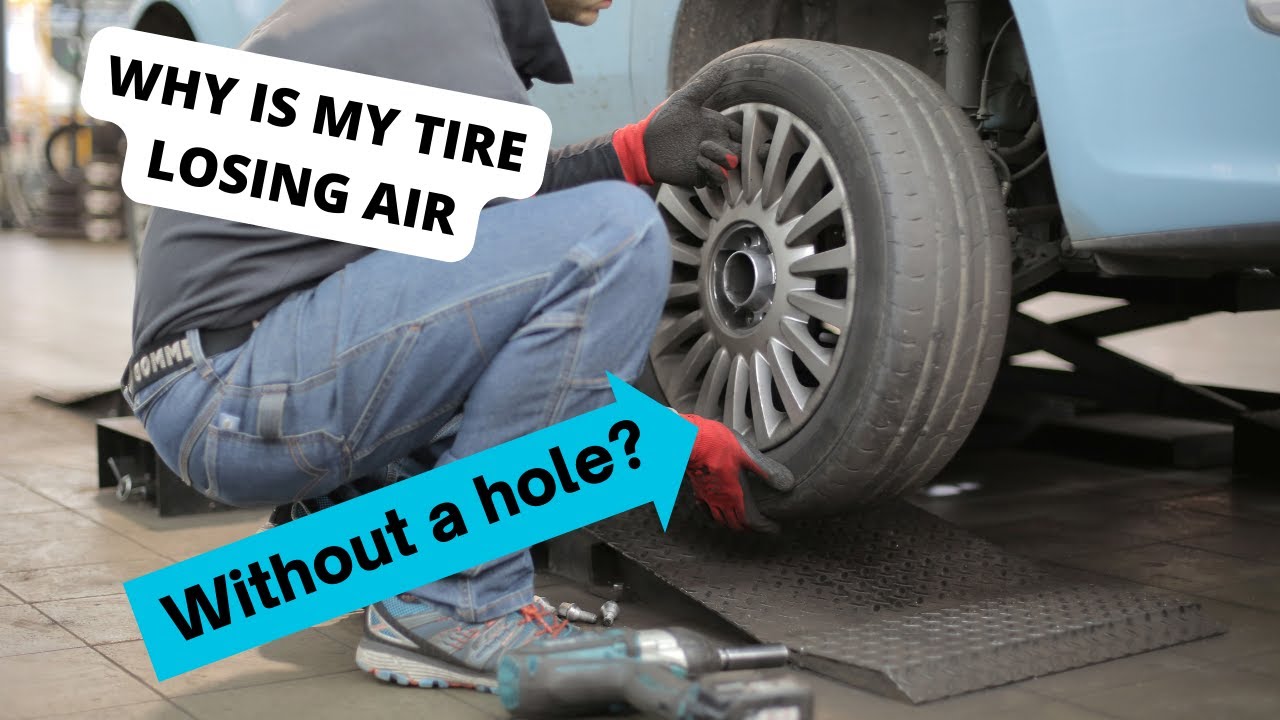
Is there anything more frustrating than dealing with a car tire that just won’t stay inflated? You fill it up, and before you know it, that pesky low-pressure warning light is flashing again.
You’re not alone in this tire trouble. Many drivers face the same issue, and it can be more than just an inconvenience. Persistent tire air loss can affect your driving safety, fuel efficiency, and even your wallet. So, why does this keep happening?
Understanding the reasons behind your tire troubles can help you tackle the problem head-on. We’ll dive into the common causes of air loss in tires, so you can keep your journeys smooth and worry-free. Stick around to discover what might be deflating your tires and how you can fix it once and for all.
Credit: www.youtube.com
Common Causes Of Tire Air Loss
Sharp objects can cause punctures in tires. Nails or glass may be the culprits. Small leaks let air escape slowly. These leaks are hard to find. Regular checks can catch them early. Keep an eye out for wet spots or bubbles.
The valve stem lets air in and out. Worn stems can lose air. Dirt may get stuck in them. This causes slow leaks. Inspect the valve regularly. Replace old stems to prevent air loss.
Temperature changes affect tire air. Cold air can shrink tires. Warm air can expand them. This leads to pressure changes. Check pressure during cold and hot days. Adjust as needed for safe driving.
Damaged rims can cause air loss. Bent rims don’t seal well. This creates gaps for air escape. Inspect rims for dents or cracks. Repair or replace damaged rims promptly.
Credit: www.utires.com
Identifying Tire Problems
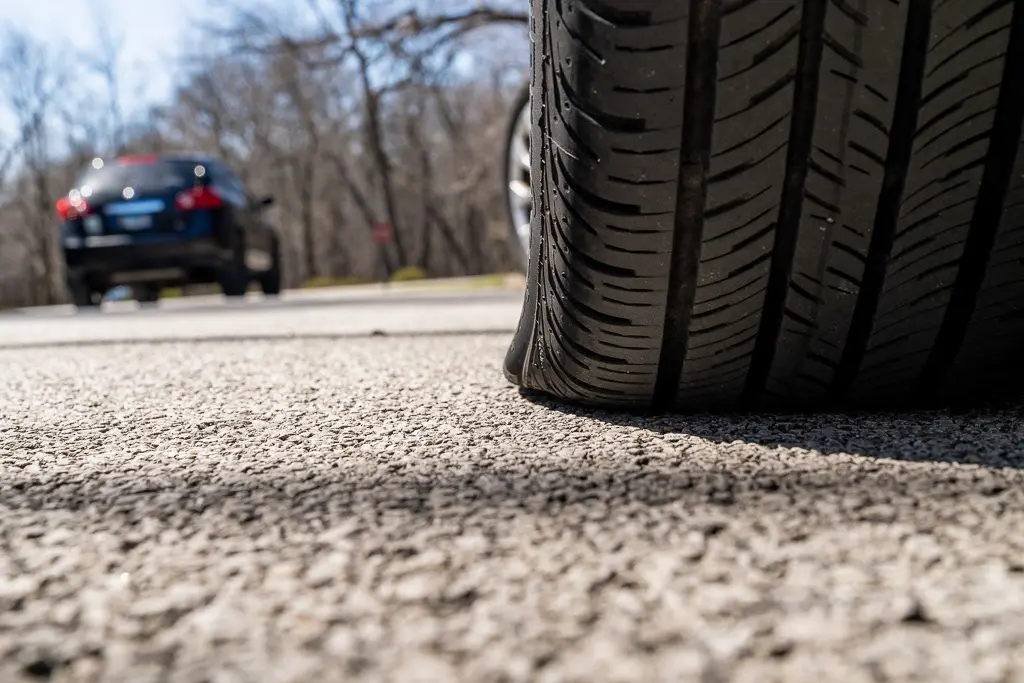
Look for any visible damage on your tires. Check the tire’s surface and sidewalls. Any cracks or cuts can cause air loss. Nails or sharp objects might be stuck in the tire. Also, inspect the valve stem for any cracks.
Mix soap and water in a spray bottle. Spray it on the tire’s surface. Watch for bubbles forming. Bubbles mean air is leaking. Check the valve and rim edges too. If bubbles appear, there’s a leak.
Listen closely to your tire. A hissing sound means air is escaping. Move your ear near the tire’s surface. Be careful and listen for any unusual sounds. If you hear a hiss, the tire is leaking.
DIY Solutions For Tire Air Loss
Small punctures can cause tires to lose air. A patch kit can help. First, find the hole. Next, use the tool to clean the area. Then, apply the patch. Press it firmly. This can fix small holes. Make sure the patch is secure. Check the tire again for leaks. A spray bottle with soapy water can help find them. Watch for bubbles.
Valve stems can be a problem. They let air escape. You might need a new one. First, remove the old stem. Use a valve stem tool. Then, push the new one in. Make sure it’s tight. Test it after replacing. Spray with soapy water. Look for bubbles. No bubbles mean no leaks.
Rim leaks can cause air loss too. Often dirt or rust causes this. Clean the rim first. Use a wire brush. Remove all dirt and rust. After cleaning, apply rim sealant. This helps stop leaks. Let it dry. Test the tire for leaks. Use the soapy water method again.
Professional Repair Options
Car tires may lose air due to punctures, valve stem issues, or rim damage. Regular checks can prevent unexpected flat tires. Professional repair services help identify and fix these problems efficiently.
When To Visit A Mechanic
Your car tires might lose air often. This can be due to several reasons. Identifying the issue is important. A mechanic can help find leaks in your tires. They use special tools for this. Sometimes, nails or sharp objects cause leaks. Tires might also have old, weak rubber. A mechanic can fix these problems.
Cost Considerations
Repairing tire leaks can cost money. It’s important to know what to expect. Simple repairs are usually cheap. Patch fixes might be under $20. Replacing a tire costs more. Prices can vary by shop. Always ask for a quote first. This helps you plan your budget. Getting a good repair is worth the cost.
Preventative Measures
Car tires often lose air due to punctures, valve stem issues, or temperature changes. Regularly check tire pressure to ensure safety. Inspect tires for damage or debris to prevent frequent air loss.
Regular Tire Maintenance
Regular tire checks are important. Look for cuts or punctures. Check for uneven wear. Inspect tires often. Keep your car safe.
Proper Inflation Practices
Inflate tires to the right pressure. Use a pressure gauge to check. Under-inflated tires lose air fast. Over-inflated tires can burst. Safe pressure matters.
Seasonal Tire Checks
Seasons affect tire pressure. Cold weather shrinks tires. Warm weather expands them. Check tires in winter and summer. Adjust pressure as needed.
Choosing The Right Tools
Keeping the right tools at hand is crucial. A tire pressure gauge checks air levels. A tire jack lifts the car. Lug wrenches help remove nuts. Always have a tire repair kit ready. It includes patches and plugs. Air compressors refill air quickly. Valve core tools fix leaky valves. Work gloves protect your hands from dirt. These tools make you ready for any tire issue.
Tire sealants can be a quick fix. They seal small holes in tires. Choose sealants that work with your tire type. Liquid sealants are easy to apply. They spread evenly inside tires. Gel sealants offer a stronger hold. Read instructions before use. Not all sealants work with all tire types. Use sealants as a temporary fix. Always get a professional repair later.
Frequently Asked Questions
Why Do My Car Tires Lose Air Overnight?
Tires can lose air overnight due to temperature changes causing contraction. Small punctures or poor valve stems can also cause air loss. Regularly check tire pressure to prevent issues.
How Can I Find A Tire Leak?
You can find a tire leak using soapy water. Apply it to the tire surface and look for bubbles. Bubbles indicate where air escapes. Also, inspect for visible punctures or damage.
Can A Bad Valve Stem Cause Air Loss?
Yes, a faulty valve stem can lead to air loss in tires. Over time, valve stems can degrade, allowing air to escape. Regular inspection and replacement can prevent this issue and maintain tire pressure.
Is It Safe To Drive With A Slow Leak?
Driving with a slow leak can be unsafe. It can cause tire damage or blowouts. Reduced tire pressure affects handling and fuel efficiency. Address leaks promptly to ensure safety and optimal performance.
Conclusion
Persistent tire deflation can be frustrating. Identify the root cause to prevent problems. Regular maintenance helps avoid frequent air loss. Check for punctures, leaks, and valve issues. Consult a professional if problems persist. Proper inflation enhances safety and performance. Tires in good condition save money in the long run.
Keep an eye on tire pressure regularly. Invest time in inspection and care. Your car tires will thank you. Enjoy smoother rides and peace of mind. Remember, well-maintained tires ensure a safer journey. Drive confidently with properly inflated tires. Happy driving!