Why Is My Car Stuck In Neutral? Essential Fixes
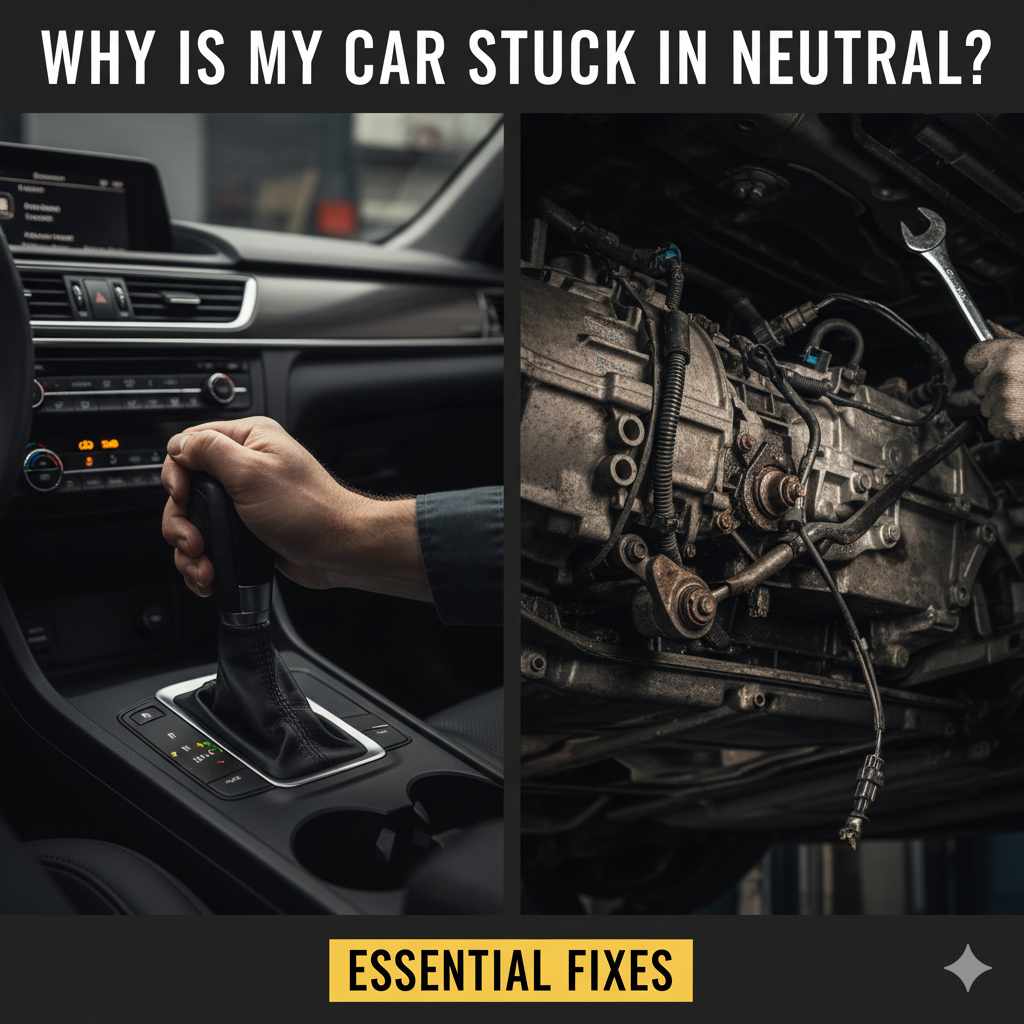
Your car is stuck in neutral? This usually means a problem with the shifter linkage, transmission, or potentially an electrical issue affecting the gear selection. We’ll guide you through common causes and simple checks to help you diagnose and fix it.
It’s a startling moment: you’re ready to drive, but your car’s gear shifter refuses to budge from neutral. Whether you’re in an automatic or a manual, a car stuck in neutral can leave you feeling stranded and frustrated. Don’t worry, this is a common issue many drivers face. As your guide to understanding your car, I’m here to break down exactly why this happens and what you can do about it. We’ll explore the simple reasons and the more involved fixes, ensuring you feel confident understanding your vehicle and potentially even solving the problem yourself.
The Unpleasant Surprise: Understanding Why Your Car Won’t Go Into Gear
When your car is stuck in neutral, it means the transmission isn’t engaging with any of the gears, or the mechanism that selects those gears isn’t responding. For automatic transmissions, a shifter that won’t want to move out of neutral can be linked to the parking (P) mechanism, the shift interlock system, or the gear selector itself. For manual transmissions, the problem often lies with the clutch, the shift linkage, or internal transmission components. Let’s dive into what could be going on.
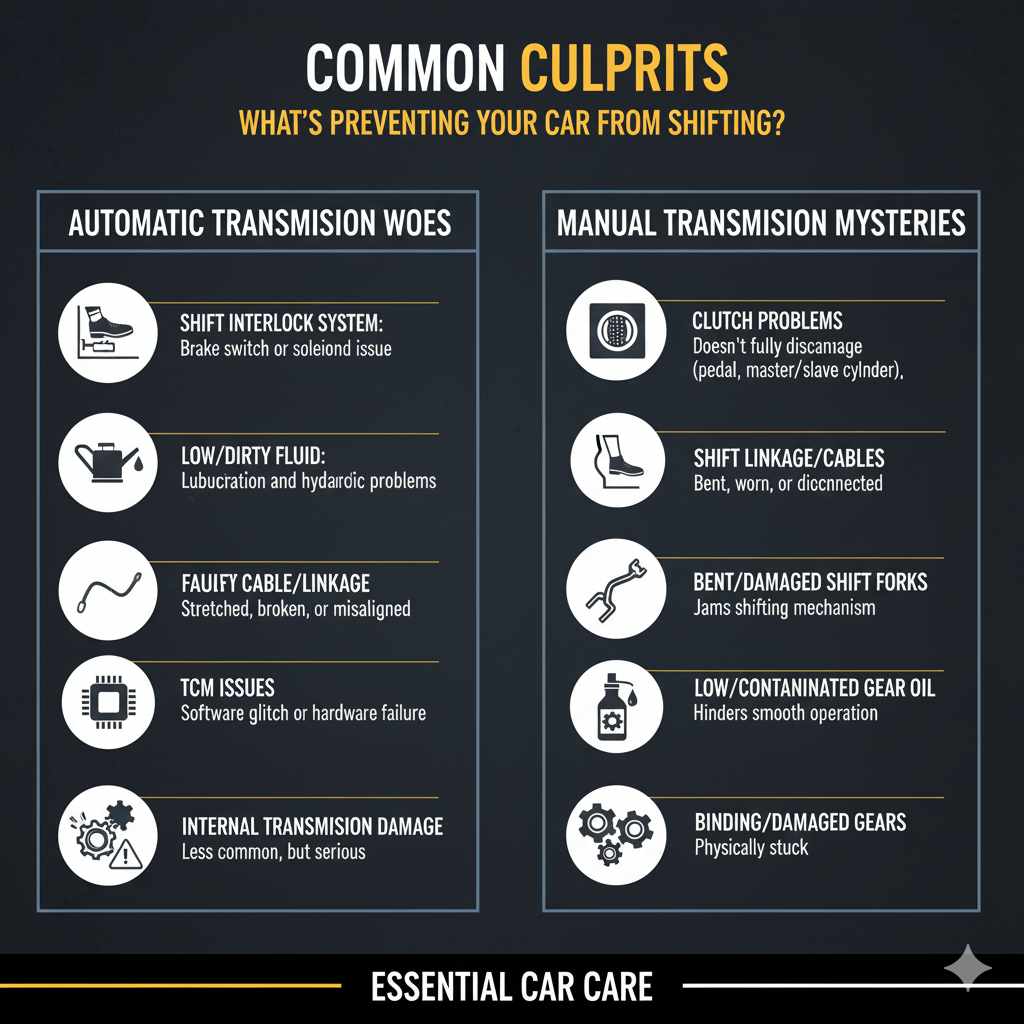
Common Culprits: What’s Preventing Your Car From Shifting?
Several things can cause your car to refuse to leave neutral. Some are minor and easily fixed, while others might require a trip to the mechanic. Understanding these common causes is the first step to getting back on the road.
Automatic Transmission Woes
Automatic transmissions have a complex system of valves, fluid, and electronic controls. When they act up, it can manifest in various ways, including being stuck in neutral.
- Shift Interlock System: This is a safety feature that requires you to press the brake pedal before you can shift out of Park. If the brake light switch is faulty, or there’s an issue with the interlock solenoid, the shifter might think you’re not pressing the brake, keeping it locked.
- Low or Dirty Transmission Fluid: Transmission fluid is like oil for your engine; it lubricates and helps the transmission shift smoothly. If the fluid is low, leaking, or very dirty, it can prevent the transmission’s hydraulic system from working correctly, leading to shifting problems or getting stuck in neutral.
- Faulty Brake Light Switch: As mentioned, this switch is tied into the shift interlock. If the switch fails, the car won’t know you’re applying the brake, and the shifter will remain locked.
- Problems with the Shift Cable or Linkage: The shift cable connects your gear shifter inside the car to the transmission. If this cable stretches, breaks, or becomes misaligned, the shifter won’t be able to communicate its desired gear position to the transmission.
- Transmission Control Module (TCM) Issues: In modern cars, the TCM is a computer that controls transmission operations. A glitch in the TCM software or a hardware failure can lead to various transmission problems, including being stuck in gear or neutral.
- Internal Transmission Damage: While less common for being stuck in neutral, significant internal damage to the transmission could prevent it from engaging any gear.
Manual Transmission Mysteries
Manual transmissions are simpler in design but still prone to specific issues that can lead to a car stuck in neutral.
- Clutch Problems: The clutch disengages the engine from the transmission, allowing you to shift gears. If the clutch isn’t fully disengaging due to a problem with the clutch pedal, master cylinder, slave cylinder, or the clutch itself, you might find it impossible to get out of neutral or into another gear.
- Shift Linkage or Cables: Similar to automatics, manual transmissions use linkages or cables to move the internal shift forks. If these are bent, worn, or disconnected, the shifter will feel loose and won’t be able to select a gear.
- Bent or Damaged Shift Forks: Inside the transmission, shift forks move the gears into place. If one of these forks is bent or damaged, it can jam the shifting mechanism.
- Low or Contaminated Gear Oil: While less likely to cause a “stuck in neutral” situation compared to automatics, extremely low or contaminated gear oil can sometimes hinder smooth operation of internal components.
- Binding or Damaged Gears: In rare cases, a gear might be physically damaged or stuck, preventing the shifter from moving past neutral.
Step-by-Step Fixes: What You Can Do Right Now
Before you call a tow truck, there are several simple checks and fixes you can try. These are beginner-friendly steps designed to potentially solve the problem without needing specialized tools.
1. Check the Obvious: Brake Lights and Pedal
For automatic transmissions, this is the first and easiest thing to check.
- Test Your Brake Lights: Have a friend step on the brake pedal while you check if the brake lights illuminate at the rear of your car. If they don’t, the brake light switch is likely the culprit.
- Press the Brake Firmly: Ensure you are pressing the brake pedal down firmly. Sometimes, a slight release or not enough pressure can prevent the interlock from disengaging.
2. Inspect the Brake Light Switch
The brake light switch is usually located near the brake pedal arm. It can become misadjusted or fail.
- Locate the Switch: Look under the dashboard, near the top of the brake pedal arm. You’ll see a small plastic switch with a plunger. When you press the brake pedal, the plunger is pushed in or pulled out, activating the switch.
- Check for Adjustment: Some switches are adjustable. If it looks loose or out of place, you might be able to gently push it back into position.
- Testing (Advanced): If you have a multimeter, you can test the switch for continuity when the brake is pressed. However, for most beginners, if brake lights aren’t working, this is a strong indicator the switch needs replacement. You can find replacement brake light switches at most auto parts stores. For a visual guide on locating and testing, resources like AutoZone’s guide can be very helpful.
3. Examine the Shift Lever and Boot
Sometimes, a simple obstruction can cause the shifter to feel stuck.
- Look for Obstructions: Check if anything is jammed around the shifter. For automatic cars, there’s often a tab or button you need to press. Ensure this isn’t stuck.
- Inspect the Shift Boot: The rubber or vinyl boot around the shifter can sometimes get caught or torn. If it’s bunched up, it might be physically preventing the lever from moving. Carefully lift or adjust the boot to see if it frees up.
- Manual Transmission Check: For manuals, try wiggling the shifter gently. If it feels very loose or has excessive play, the linkage might be disconnected or broken.
4. Check Transmission Fluid Levels (Automatic Transmissions)
Low transmission fluid is a common cause of shifting problems.
- Find the Dipstick: Locate the transmission fluid dipstick. It’s often brightly colored (red, yellow, or green) and located towards the back of the engine bay. If you can’t find it, consult your car’s owner’s manual.
- Check Fluid Level: With the engine running and the transmission in Park (or Neutral for some vehicles, check your manual!), pull out the dipstick, wipe it clean, reinsert it fully, and pull it out again. Check the fluid level against the marked ‘hot’ or ‘cold’ lines.
- Inspect Fluid Condition: The fluid should be reddish and relatively clear. If it’s dark brown, smells burnt, or has debris in it, it’s contaminated and likely needs to be flushed and refilled. Edmunds offers good advice on transmission fluid changes and their importance.
- Add Fluid if Necessary: If the level is low, add the correct type of transmission fluid specified in your owner’s manual, a little at a time, rechecking the level until it’s correct. Do not overfill!
5. Try a Gentle Wiggle (Manual and Automatic)
With the engine off, try gently wiggling the gear shift lever. For automatics, simultaneously pressing the brake pedal should be done. For manuals, sometimes a slight upward or downward pull on the shifter while trying to engage a gear can help if the shift forks are slightly misaligned.
6. Check Fuses and Relays
For vehicles with electronic shift interlocks or complex shift modules, a blown fuse or faulty relay can be the issue.
- Consult Your Manual: Your owner’s manual will show the location of the fuse boxes (usually one under the dashboard and one in the engine bay) and identify which fuse or relay controls the transmission or shift interlock.
- Inspect Fuses: Pull out suspect fuses one by one and hold them up to the light. Look for a broken or burnt filament inside. Replace any blown fuses with ones of the exact same amperage.
- Relay Testing: Relays are a bit more complex to test without specialized tools, but sometimes tapping on a relay can temporarily fix a connection. If you suspect a relay, it might be best to have it tested at a shop.
When to Seek Professional Help: Knowing Your Limits
While many issues can be addressed with basic DIY steps, there are times when it’s best to hand it over to the experts.
- If the Shifter is Completely Locked: If the shifter won’t budge at all, even after trying the above steps, it could indicate a more serious internal issue or a problem with the shift interlock mechanism that’s beyond a simple fix.
- After Checking Fluid and Brake Lights: If you’ve checked the transmission fluid level and condition (for automatics) and confirmed your brake lights are working, and the car is still stuck, the problem is likely internal to the transmission or the shift linkage.
- For Manual Transmissions: Issues with clutch hydraulics or internal transmission components in a manual car are almost always best left to a qualified mechanic.
- When You Hear Grinding Noises: If you hear loud grinding sounds when trying to shift, it’s a sign of serious damage within the transmission.
- If You’re Uncomfortable: If at any point you feel unsure or uncomfortable working on your car, it’s always better to be safe and consult a professional.
Understanding the Costs: Repair vs. Replacement
The cost of fixing a car stuck in neutral can vary widely. Here’s a general idea:
| Potential Issue | Typical DIY Cost (Parts) | Typical Professional Repair Cost |
|---|---|---|
| Faulty Brake Light Switch | $10 – $30 | $75 – $150 |
| Low/Dirty Transmission Fluid & Filter | $30 – $75 | $150 – $300 (including flush) |
| Stretched/Broken Shift Cable (Automatic) | $50 – $100 (cable) | $200 – $500 (part and labor) |
| Clutch Master/Slave Cylinder (Manual) | $50 – $150 (per component) | $300 – $800 (depending on components and labor) |
| Internal Transmission Repair | N/A (major repair) | $1,500 – $4,000+ (for rebuild or used transmission) |
Note: These are estimates and can vary significantly based on your vehicle’s make and model, your location, and the specific parts needed. For the most accurate pricing, get quotes from local mechanics.
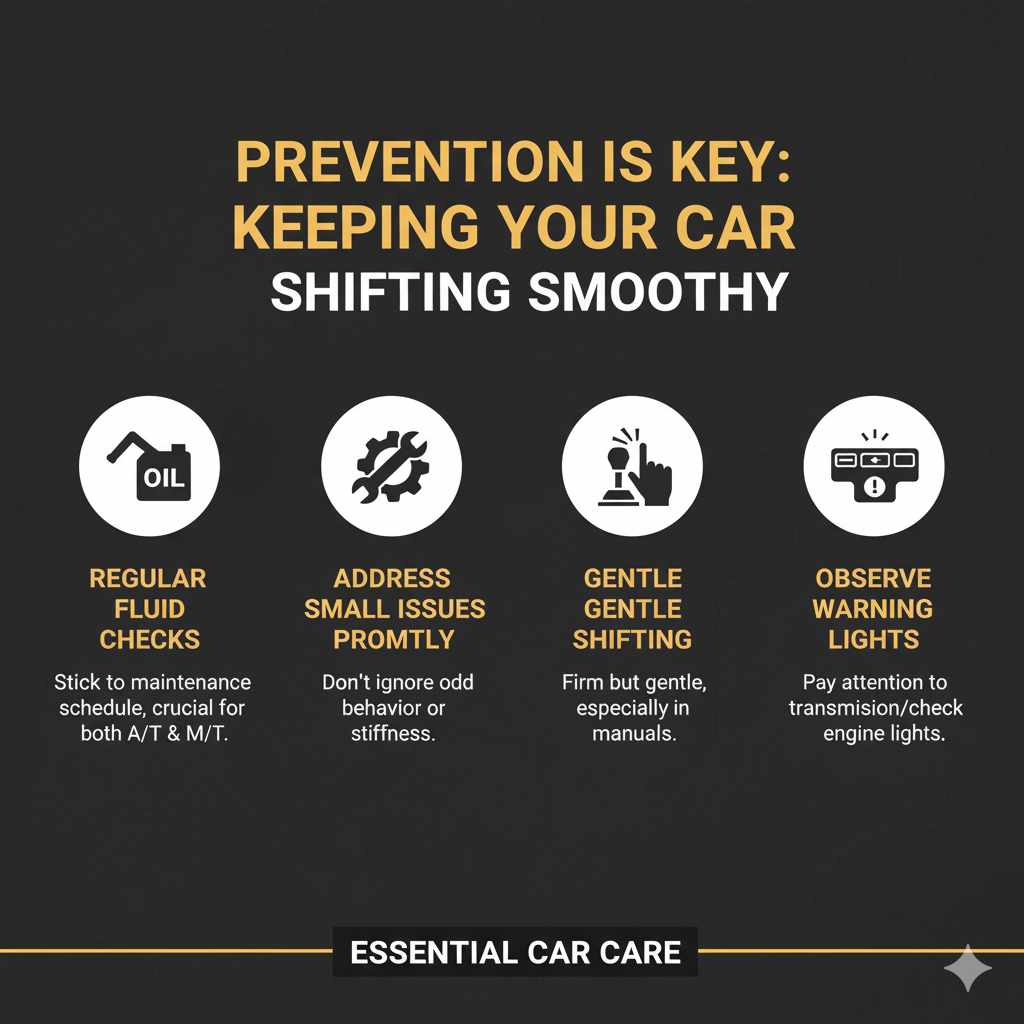
Prevention is Key: Keeping Your Car Shifting Smoothly
Once your car is back in working order, you can take steps to prevent this issue from happening again.
- Regular Fluid Checks: Stick to your car’s maintenance schedule for checking and changing transmission fluid. This is crucial for both automatic and manual transmissions. Dirty or low fluid is a leading cause of transmission trouble.
- Address Small Issues Promptly: If you notice any odd shifting behavior, minor clunks, or if the shifter feels a bit stiff, don’t ignore it. Get it checked out before it becomes a bigger problem.
- Gentle Shifting: Avoid “slamming” the gear shifter into position. Be firm but gentle when shifting gears, especially in manual vehicles.
- Observe Warning Lights: Pay attention to any dashboard warning lights, particularly the transmission warning light or check engine light. These are often your car’s way of telling you something is wrong.
Frequently Asked Questions (FAQ)
Q1: My automatic car is stuck in Park. Is that different from being stuck in Neutral?
Yes, while both are gear selection issues, being stuck in Park (P) is often related to the parking pawl mechanism within the transmission or the shift interlock system. Being stuck in neutral means the transmission isn’t engaging in any forward or reverse gear. The shift interlock system and brake lights are still common culprits for both. For a comprehensive guide on issues specific to Park, you can check out resources from the National Highway Traffic Safety Administration (.gov).
Q2: Can I drive my car if it’s stuck in neutral?
No, you should not attempt to drive your car if it is stuck in neutral and cannot beshifted into Drive or another gear. Driving a vehicle that cannot engage a gear is impossible and unsafe. It will not move forward or backward under its own power, and attempting to force it could cause further damage.
Q3: What does it mean if my shifter feels very loose or wobbly?
A loose or wobbly shifter, especially in a manual transmission, often indicates that the shift linkage or cables connecting the shifter to the transmission have become worn, stretched, or disconnected. This prevents the shifter from properly actuating the internal transmission components.
Q4: How can I tell if my transmission fluid needs changing?
The best way is to check its color and smell. Healthy transmission fluid is typically bright red and has a mild, slightly sweet smell. If it’s dark brown or black, smells burnt, or seems gritty, it’s time for a change. Your owner’s manual will specify the recommended service interval.
Q5: Is it expensive to fix a shift interlock problem?
Generally, a faulty brake light switch, which is part of the shift interlock system, is a relatively inexpensive repair. The switch itself costs around $10-$30, and labor is usually minimal if done by a professional, often under $150 total. More complex electronic interlock issues can be more costly.
Q6: My car has a manual transmission and the shifter is stiff, almost stuck. What could it be?
A stiff shifter in a manual car can be caused by a few things: low or degraded transmission/gear oil, a failing clutch hydraulic system (master or slave cylinder), or worn shift linkage bushings. Sometimes, moisture and corrosion can also make the linkages stiff.
These answers are intended to provide general guidance. If you have specific concerns about your vehicle, it’s always best to consult a qualified mechanic.
Conclusion: Getting Back in Gear with Confidence
Dealing with a car stuck in neutral can be a stressful experience, but as we’ve explored, it’s often due to solvable issues. From simple checks like your brake lights to understanding the role of transmission fluid, you now have a clearer picture of what might be happening under the hood and inside your center console. Remember, you’re not alone in facing these common car troubles. By following these steps and knowing when to seek professional advice, you can get your car back in gear and gain confidence in your ability to understand and maintain your vehicle. Keep these tips handy, and drive smart!