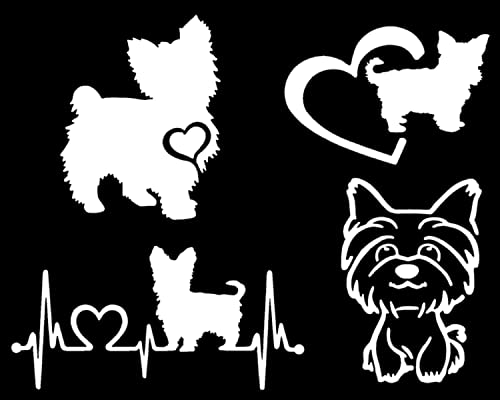
Yorkie Car Decals: Best Vinyl Window & Bumper Stickers
For Yorkie car decals, choose a small vinyl die-cut for rear windows when you want less rearward blockage, and choose a bumper-grade decal with UV- and weather-resistant adhesive for exposed painted surfaces. Pick the wrong size or finish, and you can cut rear visibility, invite edge lift, or have the sticker fade sooner than you planned. This guide compares window vs. bumper decals, matte vs. gloss finishes, size fit, and durability so you can buy the right Yorkie sticker for your vehicle.
Yorkie decal buyer’s guide


A Yorkshire Terrier decal is a breed-specific vinyl graphic sold for cars, trucks, and windows. The common format is die-cut vinyl, which leaves the Yorkie shape as the design rather than a full rectangle of background film. That matters when you want a cleaner look on glass or body panels.
These decals come in small and large sizes, and some listings include personalized Yorkie decals. The practical choice depends less on the breed art itself and more on placement. A rear window needs different visibility planning than a side window or painted panel.
Die-cut vinyl versus standard sticker styles
Die-cut vinyl works well when you want the outline of the dog to read clearly against glass or paint. Standard color vinyl gives broader color choice and a simple, solid look. Etched glass vinyl is different again: it is made to mimic etched windows and brings a frosted appearance instead of a bold color graphic.
For most buyers, the decision starts with surface type. Glass can take a lighter visual treatment. Painted body panels need better attention to adhesion and edge wear. Smooth plastic may work, but only if it is clean, non-textured, and not coated with wax or dressing.
Where these decals work best on vehicles
The listing details support use on windshields, car windows, vehicle bodies, and smooth surfaces. That is broad, but not universal. Curved bumpers, textured plastics, and heavily waxed paint are tougher surfaces, and they raise the chance of peeling or weak initial grip.
Think in terms of exposure. A decal on glass has more visibility exposure. A decal on a lower body panel has more road spray and more abrasion exposure. A Yorkie decal that looks fine on a garage door may age differently once it is on a daily-driver bumper area.
Window decal decision table
This table helps you match placement, finish, and size before you order. The key tradeoff is simple: rear windows preserve body paint and can look tidy, but they reduce visibility if the decal is too large or too dark. Bumper placement adds more exposure and more wear.
| Placement | Recommended vinyl finish | Ideal size range | Visibility tradeoff | Durability risk | Best use case | Avoid if |
|---|---|---|---|---|---|---|
| Rear window | Die-cut vinyl or etched glass vinyl | 6-inch, 8-inch, or 12-inch | Lower blockage at 6-inch and 8-inch; more noticeable at 12-inch | Moderate; trapped moisture or heavy tint can slow adhesion | Drivers who want a clean breed graphic with limited paint exposure | Heavily tinted glass or a glass area with poor interior visibility |
| Side window | Die-cut vinyl or standard color vinyl | 6-inch to 12-inch | Usually low if the decal sits above the sight line | Moderate; curved glass can make alignment harder | Smaller side glass where you want the Yorkie graphic visible from the curb | Moisture-prone glass, dust, or rough-edged tint film |
| Bumper | Outdoor vinyl with a vehicle-safe adhesive | 8-inch, 12-inch, 16-inch, or 22-inch | No rear view loss, but the sticker is more exposed to road wear | Higher; textured plastic, wax, and curve changes can cause edge lift | Decorative placement on a smooth painted or smooth plastic bumper area | Textured bumpers, freshly waxed paint, or sharply curved panels |
Say your hatchback has a deep rear window tint and you want the Yorkie to stay visible from outside. A 6-inch or 8-inch die-cut on a clear section of glass is a safer bet than a full-width graphic, because you keep the design readable without crowding the driver’s rear view.
A common first-timer mistake is choosing a large decal for a bumper corner with heavy contour lines. The graphic may look fine in the product photo, then lift at the edges after a few car washes because the surface bends too sharply for the adhesive to settle evenly.
What size should you pick?
Size should match both vehicle scale and placement. The listing range includes small and large sizes, and a separate size ladder helps narrow the choice: 6-inch, 8-inch, 12-inch, 16-inch, and 22-inch. For rear windows, smaller sizes usually balance visibility and legibility better than oversized graphics.
6-inch and 8-inch uses
These smaller sizes fit compact rear windows, narrow side windows, and subtle bumper-adjacent placement. They are the safer choice when you want the Yorkie shape visible without dominating the glass. On tinted glass, smaller sizes are often easier to read because they leave more open area around the design.
12-inch and 16-inch uses
These sizes suit larger rear windows, bigger side windows, and smoother body panels with enough flat space to keep the design intact. They are also a better match for trucks or larger vehicles where a tiny sticker can disappear visually. On a bumper, these sizes make sense only if the panel is broad and smooth.
22-inch use cases
At 22 inches, the decal is no longer a subtle accent. It belongs on a large rear window, a broad vehicle body panel, or another oversized smooth surface. If you have a compact car, a 22-inch Yorkie graphic can overwhelm the window and reduce the clean, open look many owners want.
Which finish fits your car?
The finish should follow the surface and the visual goal. Outdoor vinyl is the default choice when the decal will face weather, sun, and regular washing. Etched glass vinyl works when you want a frosted look on windows. Standard color vinyl is the widest option if you want the most color choices.
Outdoor vinyl for weather exposure
Outdoor vinyl is commonly described as weather resistant and fade resistant, with vehicle-safe adhesive and compatibility with glass, metal, and plastic. That makes it the practical default for exterior car use. It is the strongest fit for exposed placements, especially on surfaces that see rain, sun, and repeated cleaning.
Use this finish when the decal sits on a windshield edge, rear window, or body panel that will be exposed year-round. It is also the better pick if the sticker may stay on the vehicle for a longer stretch rather than a short seasonal run.
Etched glass vinyl for a frosted look
An etched glass vinyl option is offered, and it is intended to mimic etched windows. That makes it a better fit for owners who want a decorative finish rather than a high-contrast color graphic. It belongs on glass, not on textured plastic or rough painted surfaces.
This finish can work well on a rear or side window when you want the Yorkie shape to read as a soft frosted graphic. It is not the top choice if your main goal is maximum contrast from a distance.
Standard color vinyl for the widest color choice
Standard color vinyl is the most flexible choice when color matters more than special effect. Available shades include black, white, gold, blue variants, pink, and specialty colors. That range helps you match the decal to paint, trim, or tint without forcing one exact look.
If you want the decal to pop on a dark rear window, black, white, gold, or pink may give better contrast depending on your glass tint. For lighter body paint, darker shades usually stand out more cleanly.
Are Yorkie decals safe on windows and bumpers?
Vinyl Yorkie stickers are generally suitable for car windows and other smooth surfaces, but safety depends on placement. Rear-window use is the easiest to justify because the surface is flat and the decal does not touch moving parts. Bumper use is more conditional because texture, curvature, and paint condition can affect adhesion.
Rear-window visibility considerations
Rear windows can handle a Yorkie decal well if you keep the size balanced and avoid blocking critical sight lines. Smaller die-cut graphics are the best compromise. Heavy tint changes the equation because dark glass can make the decal harder to see from outside and can also hide trapped bubbles or moisture during application.
Bumper-adjacent placement limits
Bumper-adjacent placement works best on smooth, painted, or smooth plastic areas with minimal contour changes. The more the panel curves, the more stress the edges see. Textured bumpers are often a poor match because the adhesive may not fully contact the surface texture.
Waxed paint is another weak point. If the panel is coated with wax or dressing, the decal may not bond as well. Clean, dry, bare paint or smooth plastic is a better starting point than a glossy surface with residue.
Tinted glass, textured plastic, and painted surfaces
Tinted glass is usable, but heavily tinted glass can complicate both placement and visibility. The decal may blend into the darkness too much, especially in black or deep blue. For that reason, lighter colors or etched glass vinyl are often easier to read on darker tint.
Painted surfaces are acceptable when they are smooth and clean. Textured plastic is the main caution point. If the bumper has a pebble-grain finish, the sticker may look installed at first and then fail at the edges later.
How to apply vinyl cleanly
Good installation starts before the decal ever leaves the backing. Clean the surface first. Use glass cleaner for windows, then make sure the area is dust-free and fully dry. Install on a dry surface so the adhesive can grab evenly.
- Choose a flat, smooth spot with enough room for the full decal.
- Clean the surface with the right cleaner for glass, metal, or plastic.
- Remove dust, lint, and road film from the edges of the area.
- Let the surface dry completely before applying the decal.
- Set the decal in place slowly so you can keep the design aligned.
- Press from the center outward to reduce trapped air and moisture.
If the application surface is curved, take extra time at the edges. Curvature is where bubbles and lift usually start. A dry, clean panel matters more than speed.
Colors and personalization
Color selection is broad enough to support both subtle and high-contrast looks. Standard colors are available, along with black, white, gold, blue variants, pink, and specialty colors. That makes it easier to match the decal to tint, paint, or trim without changing the breed design.
Personalized Yorkie decals are also included in the collection. That is useful if you want a name, custom text, or a slightly different presentation. Personalization still follows the same placement rules: glass likes lighter visual load, while body panels need cleaner surfaces and better adhesion.
For temporary use, a smaller decal on glass is easier to remove later than a large piece spread across a bumper or body panel. For longer-term use, outdoor vinyl is the safer starting point because it is built for weather exposure, not just short-term display.
Frequently asked questions
What size Yorkie car decal should I get for a rear window?
For most rear windows, 6-inch or 8-inch sizes are the safest starting point because they preserve more visibility and still read clearly from outside. A 12-inch decal can work on larger rear glass, but it becomes more noticeable. If the window is heavily tinted, smaller is usually the cleaner choice.
Are vinyl Yorkie stickers safe for car windows and bumpers?
They are generally suitable for windows and smooth bumper areas, but surface type matters. Glass is the easiest match. Bumpers are less predictable, especially if they are textured, sharply curved, or coated with wax. For bumper placement, use smooth, clean, dry surfaces and expect more wear than on glass.
What colors are available for Yorkie decals?
Available colors include black, white, gold, blue variants, pink, and specialty colors, along with standard color choices. The right shade depends on where you place the decal. Dark windows usually need stronger contrast, while lighter body panels can support darker or metallic-looking colors more easily.
How long do outdoor vinyl Yorkie decals last?
Outdoor vinyl is described as weather resistant and fade resistant, which points to longer service than basic indoor-style stickers. Exact lifespan varies with sun exposure, washing habits, tint, and placement. A decal on a sheltered window usually faces less stress than one on a bumper or fully exposed body panel.
Can I put a Yorkie decal on tinted glass or a bumper?
Yes, but both placements need judgment. Tinted glass can make the graphic harder to see, especially in dark colors. Bumpers can work only if the surface is smooth and not waxed or heavily textured. If you want the safest fit, choose a smaller decal for tint and avoid rough bumper plastic.
What is the difference between die-cut and etched glass vinyl?
Die-cut vinyl uses the Yorkie shape as the design, which gives a clean silhouette on glass or body panels. Etched glass vinyl is intended to mimic etched windows, so it reads like frosted glass rather than a colored graphic. Choose die-cut for contrast and etched glass vinyl for a softer decorative finish.
How do I apply a Yorkie vinyl sticker without bubbles?
Clean the surface first, use glass cleaner on windows, and install only after the area is dust-free and dry. Set the decal slowly, then press from the center outward to push air away. Moisture, dust, and rushed alignment are the usual causes of bubbles and early edge lift.
Can I get a personalized Yorkie car decal?
Yes. The collection includes personalized Yorkie decals, so you can add custom text or name details if the listing offers that option. Personalization does not change the core placement rules: windows favor smaller, cleaner designs, while body panels and bumpers need especially careful surface prep.
Products related to this article
Sponsored / affiliate links. As an Amazon Associate I earn from qualifying purchases. I may earn additional commission from eligible campaigns.