Best Car Safety Features for New Drivers: Ranked List
For new drivers, the best safety features are automatic emergency braking, blind-spot monitoring, rear cross-traffic alert, a rearview camera, and lane-keeping assist, ranked by the mistakes beginners make most often. Leave them out, and one missed mirror check or a panic brake can turn a parking lot scrape into an insurance claim or injury. This guide ranks the features by real beginner errors and maps each one to the crash or close call it helps prevent.
What safety features should a new driver look for?


New drivers should start with the systems that catch the mistakes they are most likely to make: front-end slip-ups in traffic, reversing errors, lane drifting, blind-spot lane changes, and parking scrapes. Active safety features matter most here because they step in before impact, while passive features protect after a crash.
Separate active safety from passive crash protection
Active safety features help prevent or reduce crashes. That includes automatic emergency braking, forward collision warning, blind-spot monitoring, lane keep assist, rear cross traffic alert, parking sensors, and adaptive cruise control. These are the features I would put at the top for inexperienced drivers because they deal with hesitation, distraction, and weak spacing.
Passive safety features protect occupants after a crash has already happened. Airbags, seat belts, and crumple zones belong here. They matter, but they do not stop the scrape, the bump, or the lane-change mistake that causes the claim in the first place.
Why ease of use matters as much as the badge
A first car should be easy to place in traffic, easy to park, and easy to read from the driver’s seat.A basic hatchback with the right safety kit can be a smarter buy than a larger car with fewer driver aids.
Which safety rating should a new driver look for?
A new driver should use Euro NCAP as a benchmark, but not stop at the star count. Euro NCAP uses a 0 to 5-star safety system, and 5 stars means excellent crash protection. It also includes crash-avoidance technology, which matters because beginners need help avoiding mistakes as much as surviving them.
How Euro NCAP works in practice
For a novice buyer, the star rating is a quick screen, not the whole answer. A car with a strong rating and modern driver aids is usually a better match than an older model with a decent shell but little crash-avoidance tech. I see that difference matter on city streets, at junctions, and in car parks.
How to use safety scores when comparing trims and used cars
Used-car shoppers need to check the exact trim and model year, because safety tech often changes without the nameplate changing. A car may have the same Euro NCAP headline rating but lose useful equipment in lower trims. In practice, the shopper should compare the trim sheet, not just the badge on the boot.
The best features for city driving and parking

For city use, the best features are automatic emergency braking, forward collision warning, parking sensors, rear cross traffic alert, and a rearview or 360 camera. These features target the exact low-speed mistakes that happen in queues, multi-storey car parks, supermarket bays, and awkward driveway exits.
Automatic emergency braking and forward collision warning
Automatic Emergency Braking, or AEB, is crash-avoidance technology that can brake for the driver if a front-end collision is likely. It works alongside Forward Collision Warning, or FCW, which alerts the driver before impact. Together, they are especially useful for low-speed urban mistakes and distracted moments at junctions.
Parking sensors versus a 360 camera
Parking sensors detect obstacles at the front or rear, and they can be a simpler, lower-cost option than a 360 camera. A 360 camera can give fuller bird’s-eye visibility and make tight spaces easier to judge, but it may not be essential for every new driver. For many beginners, sensors deliver more value per pound.
Rear cross traffic alert for car parks and driveways
Rear Cross Traffic Alert, or RCTA, helps warn you about cross-traffic when reversing out of a bay or driveway. That makes it one of the most practical features for drivers who struggle with reversing and side visibility. It is commonly bundled with blind-spot monitoring, which is useful when shopping trim sheets.
Which features help with lane changes and motorway driving?
For lane changes and longer trips, blind-spot monitoring, lane keep assist, and adaptive cruise control help most. They do not replace observation, but they do catch the errors that happen when a new driver is still building mirror discipline, lane judgment, and gap awareness.
Blind spot monitoring for merges and overtakes
Blind Spot Monitoring, or BSM, helps alert the driver when another vehicle is in the blind spot. It is helpful for lane changes and motorway merges, and it often comes paired with rear cross traffic alert. For beginners, that pairing covers two common blind-spot mistakes with one equipment choice.
Lane keep assist for drift control on longer drives
Lane Keep Assist helps the car stay within lane markings and can reduce drifting on longer drives. It is useful when fatigue, inexperience, or poor lane discipline starts to pull the car off line. Some systems feel intrusive when tuned too aggressively, especially on poorly marked roads or in bad weather.
Adaptive cruise control for traffic gaps and fatigue reduction
Adaptive Cruise Control helps maintain a set speed and a following gap to the vehicle ahead. It helps on motorways and long commutes where speed consistency matters, but it is not a substitute for driver attention. A new driver still needs to read traffic flow, brake early, and watch for cut-ins.
Are parking sensors and a 360 camera worth it for new drivers?
Yes, but not for the same reason. Parking sensors are the budget-friendly way to avoid low-speed bumps, while a 360 camera is worth extra money only if the driver regularly parks in tight spaces or struggles to judge the car’s corners. The best choice depends on the driver’s parking stress, not the brochure.
What sensors can and cannot detect
Sensors are good at warning about walls, posts, bollards, and other hard objects. They can struggle with slim objects, sloped surfaces, dirt, snow, and grime. A dirty bumper or bad weather can reduce trust in them, so they should be treated as a helper, not a finish line.
When a 360 camera is worth the extra cost
A 360 camera helps most when parking spaces are narrow, visibility is poor, or the driver has little confidence backing into bays. It gives a much better all-round picture than basic sensors, but it is still a parking aid, not a reason to stop looking around. That distinction matters.
Should a new driver prioritize safety features or low insurance?
A new driver should usually prioritize low insurance first, then buy the best safety package available within that budget. The smartest target is a car in a low insurance group, often 1-10, because running costs stay manageable. Within that range, the best-equipped trim should win if the price gap is modest.
How to balance running costs with equipment
Uswitch recommends low insurance groups, usually 1-10, for new drivers, and cars in insurance groups 1-3 are described as the cheapest to insure. Engines under 1.4L are presented as ideal for lower insurance and fuel costs, and smaller engines tend to cost less to service.
What that means on the shopping list
The practical order is simple: choose a manageable insurance group, then check for the safety tech that fixes the driver’s weakest tasks. A cheaper car with AEB and parking sensors can beat a slightly pricier car with more power and fewer aids. Safety and affordability should work together.
What should be standard, optional, or trim-dependent?
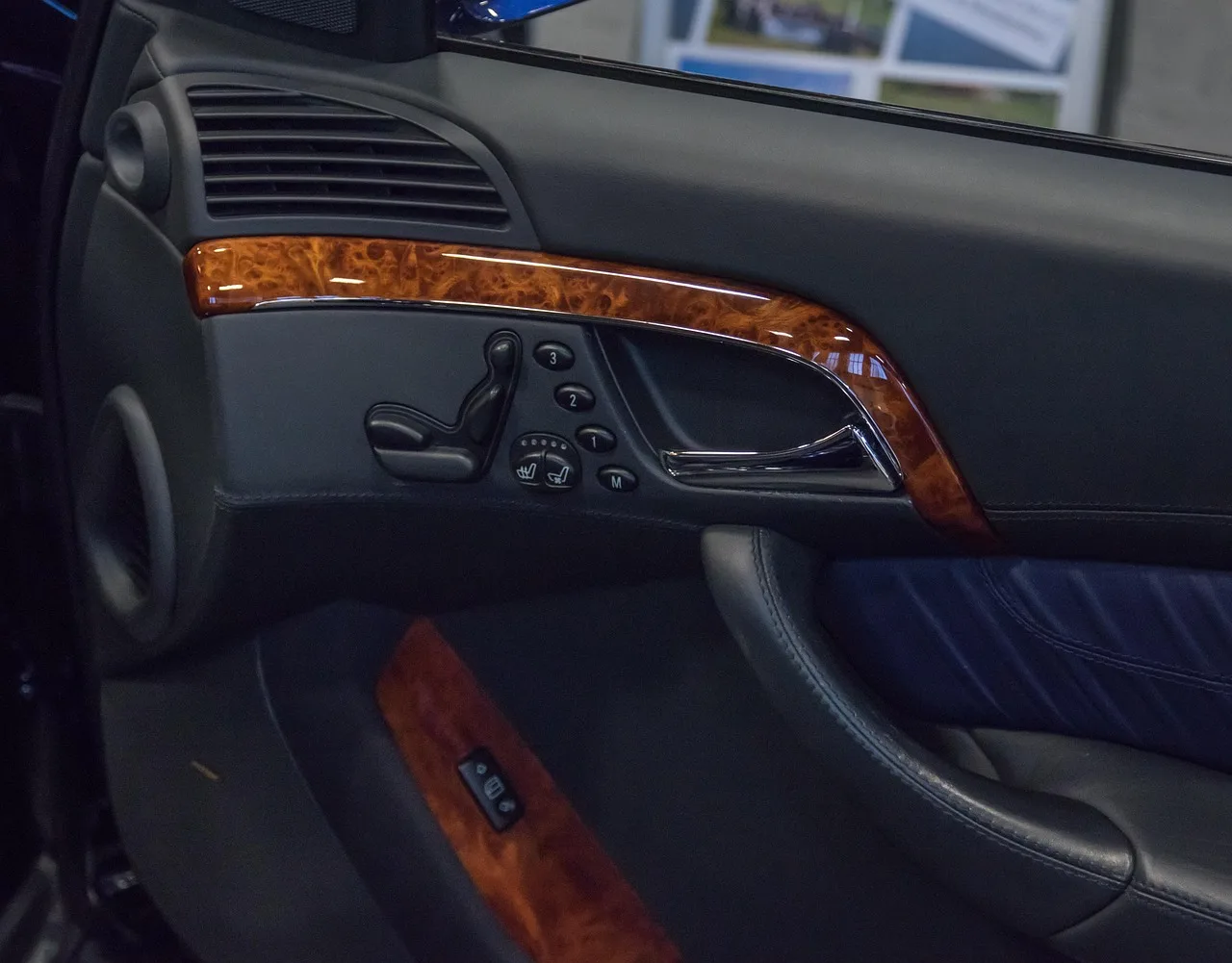
Much of the best equipment is trim-dependent, especially on used cars. A buyer should expect airbags, seat belts, and core crash protection on most cars, but should not assume AEB, BSM, RCTA, or parking aids are standard. Those often move with higher trims or later model years.
Trim-level checklist for key safety tech
| Feature | Usually standard on many newer cars | Often optional or higher-trim only | Best beginner use case |
|---|---|---|---|
| Seat belts and airbags | Yes | Rarely optional on mainstream cars | Crash protection after impact |
| AEB and FCW | Often on newer models | Common on higher trims or later model years | Urban braking mistakes |
| BSM | Sometimes | Often higher trims | Lane changes and merges |
| RCTA | Sometimes bundled | Often paired with BSM | Reversing from bays or drives |
| Parking sensors | Often on mid trims | May be optional on base cars | Low-speed parking mistakes |
| 360 camera | No | Usually higher trims | Tight parking and visibility |
| Lane Keep Assist | Sometimes | Often tied to driver-assist packs | Longer drives and lane drift |
| Adaptive Cruise Control | Sometimes | Often on better-equipped trims | Motorway gaps and fatigue |
| TPMS | Common on newer cars | May be missing on older used cars | Grip, braking, and tyre wear |
How used-car model years change availability
Used-car buyers should expect equipment to vary by year as well as trim. A car sold with a good safety rating can still lack BSM, RCTA, or a 360 camera if it is an earlier model or a lower trim. The seller’s spec sheet matters more than the advert headline.
Scenario-to-feature decision table
This table is the fastest way to shop by real mistakes instead of brochure language. Match the driver’s weakest moment to the feature that helps most, then check whether that feature is standard on the trim being considered.
| New-driver error | Feature that helps most | Why it helps | Second-best backup |
|---|---|---|---|
| Parking scrape | Parking sensors | Warns about close objects at low speed | 360 camera |
| Reversing error | Rear Cross Traffic Alert | Warns about traffic crossing behind the car | Rear camera |
| Lane drifting | Lane Keep Assist | Helps keep the car within lane markings | Lane departure warning |
| Tailgating | Adaptive Cruise Control | Maintains a set gap on steady roads | Forward Collision Warning |
| Blind-spot lane change | Blind Spot Monitoring | Warns about a vehicle beside the car | Proper mirror and shoulder checks |
| Night-time misjudgment | AEB and FCW | Helps catch late braking and closing speed errors | Good headlights and alert driving |
- Pick the safest car in the low insurance range the budget allows.
- Check whether AEB and FCW are standard on the exact trim.
- Add BSM and RCTA if the driver struggles with lane changes or reversing.
- Choose parking sensors before a 360 camera if budget is tight.
- Confirm TPMS, because tyre pressure affects grip, braking, and running costs.
What safety rating should a new driver look for when buying a car?
A new driver should aim for a strong Euro NCAP result, then check which crash-avoidance systems supported that score. A 5-star car with modern active safety tech is the easiest benchmark to trust. If the score is older or the trim is stripped back, the buyer should inspect the equipment list closely.
Frequently asked questions
What safety features should a new driver look for in a car?
Start with AEB, FCW, BSM, rear cross traffic alert, parking sensors, and lane keep assist. Those features match the mistakes new drivers make most often: poor spacing, blind-spot lane changes, reversing errors, and low-speed parking bumps. Airbags and seat belts still matter, but they are not the first thing to shop for.
Is blind spot monitoring worth it for new drivers?
Yes, especially for drivers who are still learning mirror discipline or who drive on busy roads. Blind spot monitoring helps during lane changes, overtakes, and motorway merges, where a missed shoulder check can be expensive. It is even better when paired with rear cross traffic alert.
Is automatic emergency braking important for new drivers?
Yes. AEB is one of the most useful systems for beginners because it helps with low-speed urban mistakes and distracted moments. It works with forward collision warning and can reduce the chance that a late brake press becomes a front-end impact. That makes it a top priority.
What is the difference between active and passive safety features?
Active safety features try to stop the crash from happening or reduce its severity. Passive safety features protect the people inside after impact. AEB, BSM, and lane keep assist are active systems; airbags, seat belts, and crumple zones are passive systems. They do different jobs and should not be confused.
Do parking sensors help new drivers avoid accidents?
Yes, because they are very good at warning about close objects during tight manoeuvres. They are especially useful in car parks, driveways, and narrow streets. They can miss some awkward objects in bad weather or when dirty, but for most beginners they are one of the best-value aids available.
Products related to this article
Sponsored / affiliate links. As an Amazon Associate I earn from qualifying purchases. I may earn additional commission from eligible campaigns.