Best Car Safety Devices for Used Cars (2025): we compared
For most used cars, the first safety buy should be a dash cam. It gives you proof after a crash, and older cars usually lack built-in driver aids. After that, blind-spot mirrors and a backup camera do more for daily risk than shiny add-ons. This guide sorts the highest-value devices for older vehicles by risk reduction, install difficulty, and total cost.
This guide is part of our Car safety features: types, functions and legal basics series.
Quick comparison
| Product | Badge | Best for | Price | ||
|---|---|---|---|---|---|
 |
Dash Cam Front and Rear: 4K+2.5K Dual Channel Dash Cam-5GHzWANLIPO | Our pick | 4K+2.5K dual front/rear · 5GHz WiFi · GPS | $34.99
Price as of 3 Oct 2026
|
View |
 |
WEPECULIOR 2 in 1 Car Reverse Backup Video Parking Sensorwepeculior | Budget pick | Camera + radar sensor combo · 170° view | $17.90
Price as of 3 Oct 2026
|
View |
 |
BESTTEN 4 Pack All Keyed Same Exterior Door Knob with KeyBESTTEN | Also great | 4-pack keyed-alike knobs · satin nickel | $43.99
Price as of 3 Oct 2026
|
View |
 |
Tymate TM7 RV Tire Pressure Monitoring System, TPMS Set ofTymate | Upgrade pick | TPMS set of 4 sensors · color LCD display | $39.99
Price as of 3 Oct 2026
|
View |
This quick comparison sorts the main upgrades by the risks they reduce. The priciest item is not always the best first buy, and a used car without factory ADAS needs a different order than a newer car with some driver aids.
Use the matrix below to pick the upgrade that matters most first, then fill the gaps based on the car’s age, parking setup, and whether you can handle wiring.
How we chose
The ranking comes down to four things: how much a device cuts crash or theft risk, how hard it is to install in an older car, what the real ownership cost looks like after hidden parts, and where the device fits best. A cheap tool that fails in low light or needs constant battery swaps lands lower than a simple device that works every time.
| Device | Accident-risk reduction | Theft deterrence | Install complexity | Typical total cost | Buy-first order |
|---|---|---|---|---|---|
| Dash cam | 5 | 1 | 3 | Medium | 1 |
| Blind spot mirror | 4 | 0 | 1 | Low | 2 |
| Backup camera | 4 | 0 | 3 | Medium | 3 |
| Portable jump starter | 3 | 0 | 1 | Medium | 4 |
| OBD2 diagnostic scanner | 3 | 0 | 1 | Low to medium | 5 |
| Tire pressure monitoring system | 4 | 0 | 2 | Medium | 6 |
| Parking sensor kit | 3 | 0 | 4 | Medium | 7 |
| Road flare or LED warning triangle | 4 | 0 | 1 | Low | 8 |
| Steering wheel lock | 0 | 4 | 1 | Low | 9 |
| Brake pedal lock | 0 | 5 | 2 | Low to medium | 10 |
What should you buy first on a car with no ADAS?
On a used car with no factory ADAS, buy a dash cam first, then a blind-spot mirror, then a backup camera if parking and reversing happen often. After that, a portable jump starter and an OBD2 scanner matter more than most owners expect because they cut breakdown and inspection risk, not just inconvenience.
Best first buys on a tight budget
Start with the cheapest fixes you use most. A blind-spot mirror costs little and directly cuts lane-change risk on older sedans and SUVs. A dash cam comes next because it protects you in a collision claim, especially when the other driver changes their story later.
If the car already has decent mirrors but poor rear visibility, move the backup camera up the list. If the battery is tired or the car sits for days, the jump starter deserves an earlier slot than parking sensors.
Next upgrades after the basics
TPMS belongs next if the car lacks tire monitoring or the factory system is dead. Low tire pressure raises stopping distance and can make an older car feel unstable before the driver notices anything wrong.
After that, pick emergency gear and theft deterrence based on where the car lives. Street parking favors a visible lock or brake pedal lock. Rural travel favors a warning triangle and jump starter.
What to skip until later
Skip gimmicks that repeat a function you already have. A cheap parking sensor kit is less useful than a backup camera. A steering wheel lock looks impressive, but it does nothing for crash avoidance and works best as a deterrent, not a primary safety fix.
Dash cam: best for crash evidence
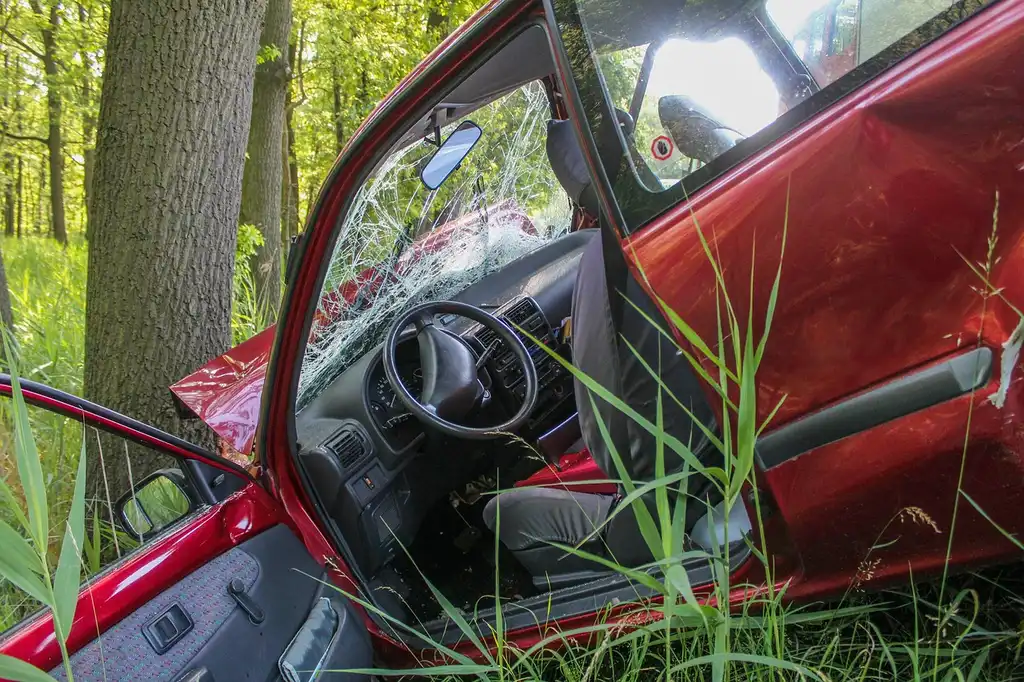
A dash cam is the first pick for many used cars because it records what happened before, during, and after a collision. For older cars without lane centering or auto-braking, that evidence matters when there is no factory record of the event.
The WANLIPO dual-channel camera is the kind of setup that fits this job well on paper: front and rear recording, built-in GPS, 5GHz WiFi, G-sensor file locking, and app access. That mix matters more than flashy resolution claims alone, because loop recording and parking mode are what keep the camera useful after the first week.
Front vs front-and-rear coverage
Front-only cameras are simpler and easier to mount. Front-and-rear systems do a better job when you get rear-ended, clipped while merging, or hit in a parking lot. On a used car, that rear coverage is often the piece that changes an insurance dispute.
1080p, loop recording, and parking mode
Look for 1080p or higher video quality, loop recording, and parking mode. Low-light footage is where weak cameras fail, especially older ones with noisy sensors and poor exposure control. A front camera that smears plate numbers at dusk can look good in daylight and still miss the only frame that matters.
MicroSD card size, endurance, and power options
MicroSD capacity matters because continuous recording fills storage fast. Endurance rating matters because dash cams write constantly and wear out ordinary cards. Hardwire kits add parking-mode reliability, but a 12V plug is easier and safer for owners who do not want to touch the fuse box.
The drawback is installation friction. Hardwiring can clutter older interiors if done badly, while a plug-in setup may leave exposed cable and can shut off with the ignition unless the car keeps the outlet live.
Visibility upgrades: best for rear and side awareness
Older cars often lose in two places: side blind spots and rear visibility. A blind-spot mirror helps during lane changes. A backup camera helps during reverse and parking. Parking sensors help in tight garages, but they can false-beep if the kit is cheap or badly mounted.
Can I add blind spot mirrors to an older car?
Yes. A blind-spot mirror is one of the easiest upgrades for an older car, especially if it has no blind spot monitoring. The convex shape widens what the side mirror can show, and a small adhesive-mounted mirror in the outer corner is usually enough to cover the gap.
Walmart’s category also appears to list a universal interior clip-on panoramic rearview mirror intended to reduce blind spots, with a size shown at roughly 12 inches. It is marketed for cars, SUVs, and trucks, which tells you how common the blind-spot problem is across vehicle types.
Backup camera choices for parking and reversing
Backup cameras come in license-plate and dash-mount styles. Wired systems are usually steadier than wireless ones, which can drop signal or pick up interference. Night vision matters more than bright daytime color, because a camera that fades after dark is weakest when rear visibility is already poor.
Screen size also matters. Tiny displays are hard to use while backing into a crowded spot, and big screens that are badly placed can block the road. The drawback with backup cameras is installation: older cars may need routing through trim panels, and some setups still need 12V wiring.
How do I choose between parking sensors and a backup camera?
Choose a backup camera first if you want visual confirmation of people, posts, curbs, and low objects. Choose parking sensors first if your rear view is decent but you need a distance warning in a tight garage or on a truck with a long tail. Cameras show shape; sensors warn by distance.
Parking sensor kits usually use ultrasonic sensors mounted in the bumper, with audible beeps and a distance display. They need 12V wiring, and cheap units can be annoying if the beeps start too early or too late. That false-beeping problem is the main reason they rank below cameras for most used cars.
TPMS: best for catching tire problems early
TPMS matters on used cars because tire trouble often starts quietly. A low tire can look fine in the driveway and still change braking, steering, and stability long before a driver feels a pull. That makes tire monitoring a real safety device, not just a maintenance convenience.
Direct vs indirect TPMS
Direct TPMS uses sensors in or on the wheel and gives actual pressure readings. Indirect TPMS estimates pressure by wheel-speed differences and is usually less informative. For an older car, direct TPMS is the better safety choice because it tells you which tire is dropping.
Display, app alerts, and warning thresholds
Look for a display or app alert that gives a clear low-pressure warning threshold. If the warning is too vague or buried in a menu, owners ignore it. A simple dashboard display usually works better than a buried phone notification when the car is already in motion.
Sensor battery life and ownership cost
Battery life is part of the real cost. Sensors that need replacement too often turn a useful safety device into a recurring chore. Tymate’s TM7, for example, uses a color LCD display and plugs into the cigarette lighter, which keeps installation simple, but owners still need to think about long-term sensor upkeep.
Emergency and anti-theft gear: best for breakdowns and theft deterrence
Emergency gear helps when the car stops moving. Anti-theft gear helps when the car is parked. They solve different problems, so they should not be ranked as if they were the same thing.
Portable jump starter sizing and safety features
A portable jump starter is one of the best no-wiring buys for an older car. Pick peak amps that match the engine size, and make sure it includes USB charging, a built-in flashlight, and reverse-polarity protection. That last feature matters because an upside-down clamp hookup is an easy mistake in the dark.
The drawback is storage and aging. A jump starter left uncharged for months can be useless when you need it, so it is a safety tool that needs periodic checks.
What emergency safety gear should every used car have?
At minimum, every used car should carry a jump starter, a road flare or LED warning triangle, and a basic tool for escape or signaling. Visibility gear matters most at night and on fast roads, where standing outside a disabled car is the real danger.
Walmart’s auto safety category includes road flares sold in a six-pack, and one listing is a 30-minute road flare. Another flare listing is a 15-minute waxed flare three-pack. That mix shows why burn time matters: you want enough visibility to handle the delay, not just a brief flash.
For a reusable option, an LED warning triangle with magnetic or stand mounting is better than a single-use flare if the car spends time on the roadside. Day use still matters; traffic cones can help in a driveway or parking lot, but they are not a substitute for roadside lighting at speed.
What anti-theft devices actually help on a used car?
Visible deterrents help more than invisible promises. A steering wheel lock can discourage opportunistic theft, and a brake pedal lock adds another physical barrier. On older cars without smart keys, these devices are often more effective than owners expect because they change the time and noise required to take the car.
Walmart’s auto safety category includes brake pedal locks as anti-theft protection, and one listing includes three keys plus an escape hammer window breaker. That combination is useful because the lock can be both a theft deterrent and an emergency tool, but the drawback is fit: wheel shapes, airbag placement, and pedal spacing can make some vehicles awkward.
Steering wheel locks should be checked for fit range and material strength, not just the look of the bar. Brake pedal locks need adjustable length and enough clearance to work without interfering with the cabin trim.
OBD2 scanner: best for used-car inspection
An OBD2 scanner is one of the most underrated used-car safety tools because it can reveal faults before they turn into a roadside failure. Trouble codes, live data, and sometimes ABS or airbag coverage on better models help a buyer spot problems that a test drive will miss.
Reading trouble codes and live data
Code reading helps find engine, emissions, and sensor faults. Live data matters even more because it shows whether an issue is active or intermittent. A used car that seems fine can still have a cooling, misfire, or charging problem hiding in the data stream.
ABS and airbag coverage on some scanners
Some scanners read ABS and airbag modules, which is valuable when shopping used. A warning light that has been cleared just before sale is less convincing when the scanner shows stored faults or incomplete readiness. That is one reason an OBD2 scanner belongs in the first wave of purchases.
How it helps before and after purchase
Before purchase, it helps you avoid a bad car. After purchase, it helps you catch a developing issue before it becomes a safety problem. The drawback is simple: a basic scanner will not see every module on every car, so it is a guide, not a full diagnosis.
Which one should you buy?
For the tightest budget, buy a dash cam or blind-spot mirror first, then add a jump starter. For an older city car, a backup camera and parking sensor kit make more sense than anti-theft gear alone because the biggest risk is low-speed contact, not a break-in.
For highway driving, the order changes. Dash cam first, TPMS second, jump starter third. For street parking in a theft-prone area, add a steering wheel lock or brake pedal lock after the visibility tools, not before them, because theft deterrence does nothing for lane changes or rear impacts.
Cars without factory ADAS need the most help from simple, visible tools. Cars with partial ADAS still benefit from a dash cam and OBD2 scanner, but the blind-spot mirror and backup camera often drop in priority if the factory system already covers those views well.
- Buy the tool that fixes the biggest missing function.
- Pay for the hidden parts: cards, batteries, wiring, mounts, or sensors.
- Choose the option that still works at night, in rain, and when installed in a cramped older cabin.
- Skip accessories that look useful but only duplicate something the car already does.
Frequently asked questions
What are the best safety devices for a used car?
The best safety devices are the ones that cut actual crash or breakdown risk: dash cams, blind-spot mirrors, backup cameras, TPMS, jump starters, warning triangles, and OBD2 scanners. Anti-theft devices matter too, but they solve a different problem and should not outrank visibility or tire monitoring for most older cars.
Which used-car safety upgrades are worth buying first?
Buy in this order: dash cam, blind-spot mirror, backup camera if needed, jump starter, then TPMS or OBD2 scanner depending on the car’s condition. If the vehicle is parked outside in a rough area, a steering wheel lock or brake pedal lock can move up the list after the core visibility items.
Can I add blind spot mirrors to an older car?
Yes. Small convex mirrors with adhesive mounting are one of the easiest upgrades for older cars without blind spot monitoring. They are especially useful on mirror corners, where they widen the field of view without requiring wiring, screens, or trim removal.
Are dash cams worth it for a used car?
Yes, especially for cars without factory ADAS or lane cameras. A front or front-and-rear dash cam can document hit-and-run damage, parking incidents, and disputed crashes. The important features are 1080p or better video, loop recording, parking mode, and an endurance-rated microSD card.
What emergency safety gear should every used car have?
Every used car should carry a portable jump starter, a road flare or LED warning triangle, and a way to signal or escape if it is stopped on the shoulder. The best setup is the one you can use at night without opening the hood or standing in traffic for long.
How do I choose between parking sensors and a backup camera?
Choose a backup camera when you want to see obstacles. Choose parking sensors when you need distance warnings more than an image. For most used cars, the camera is the better first pick because it shows what is actually behind the vehicle, while sensors can false beep or miss low obstacles.
What anti-theft devices actually help on a used car?
Steering wheel locks and brake pedal locks are the main visible deterrents for older cars. They slow down opportunistic theft and make the vehicle less attractive to casual thieves. They work best when paired with sensible parking habits and a dash cam, which can help document theft attempts.
Which safety accessories are easy to install without wiring?
Blind-spot mirrors, portable jump starters, steering wheel locks, brake pedal locks, some TPMS kits, and many OBD2 scanners are easy installs with little or no wiring. A dash cam with a 12V plug is also simple. Anything that needs bumper mounting, fuse taps, or rear trim removal takes more time.
Products related to this article
Sponsored / affiliate links. As an Amazon Associate I earn from qualifying purchases. I may earn additional commission from eligible campaigns.