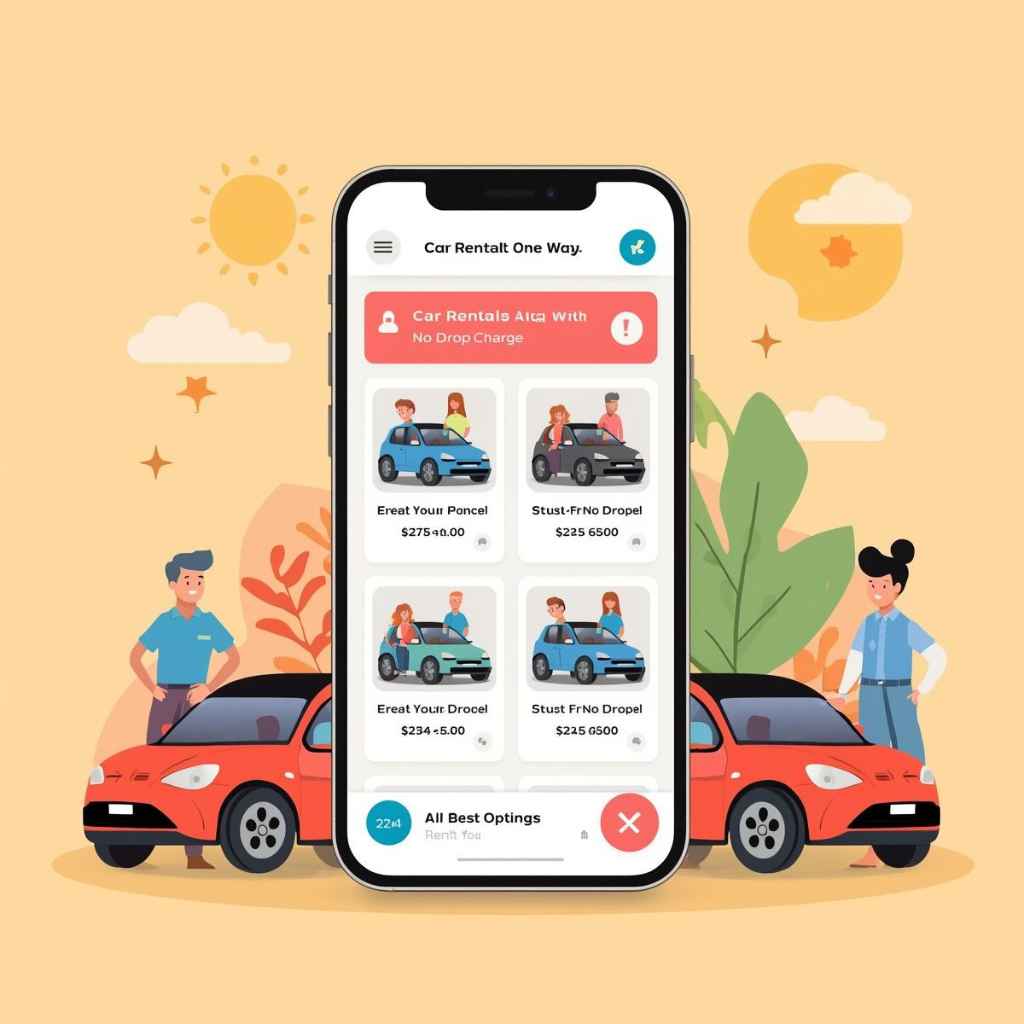
Car Rentals One Way With No Drop Charge: Best Options
Dealing with extra fees when you rent a car can be frustrating. Especially when you need to drop it off in a different city. It feels like you’re being punished for planning ahead.
But what if there were ways to avoid that big one-way drop charge? This guide will show you exactly how to do it. We’ll cover the best tricks and tips.
Finding one-way car rentals without a drop charge is possible. It involves smart booking strategies, choosing the right companies, and timing your rental carefully. Explore options like rental company relocation deals, booking slightly different car types, and checking less common rental locations.
Understanding One-Way Car Rental Fees
When you rent a car, the company wants it back where you picked it up. That’s their normal plan. If you want to leave it somewhere else, they have to move it.
This costs them money. They pay for gas, driver time, and maybe even a flight for the driver.
So, they pass that cost to you. This is the “one-way fee” or “drop charge.” It can be quite high. Sometimes it’s $100 or even $500.
It depends on the distance. It also depends on how many cars they need to move. It makes renting a car for a trip to a new city costly.
Many people need to do this. They might be moving. Or maybe they’re flying into one city and out of another.
Road trips are also a common reason. You want to drive somewhere and then fly home. The fee can really change your travel budget.
It makes you think twice.
Your Best Options for Avoiding Drop Charges
The good news is you’re not stuck paying big fees. There are smart ways to find car rentals one way with no drop charge. It takes a little research.
But the savings can be worth it.
We’ll look at different methods. Some are simple booking tricks. Others involve knowing where to look.
Let’s start with the most direct ways to get a good deal.
Strategy 1: Book Directly with Major Rental Companies
Big rental companies often have the most options. Think Hertz, Avis, Enterprise, and Budget. They have lots of cars.
They also have many locations. This means they sometimes have cars that need to go from one place to another.
You should check their websites first. Look for “one-way” rental options. Sometimes, they have special deals.
These deals might waive the fee. This happens when they have too many cars in one spot. Or they need cars moved to another busy city.
It’s also good to call them. You can talk to a rental agent. Explain your trip.
Ask if they have any promotions. They might know about a car that needs to go your way. This is like a relocation special.
Tip: Check Rental Company Websites Often
Rental companies update their deals often. What’s there today might change tomorrow. If you can be flexible, check back every few days.
You might spot a great one-way deal popping up.
Strategy 2: Look for Relocation Deals
Sometimes, rental companies need cars moved. This is for a few reasons. Maybe they sent too many cars to a sunny tourist spot.
Now they need them back in a colder city. Or they have a car that was returned late from a long rental.
These are called “relocation” or “repositioning” rentals. The company needs someone to drive the car. They often offer these rentals for very low prices.
Sometimes they are only $1 a day. They might even give you some gas money.
How do you find these? Some companies list them on their main websites. Others use special sites or apps.
You have to be quick. These deals go fast. They also have strict time limits.
You might only have a day or two to pick up and drop off the car.
Websites like “Transfercar” or “CarLeaseBack” sometimes list these. You search for available routes. You can often pick up the car in a day or two.
The drop-off date is usually fixed. So, you need to match your travel plans to their needs.
Relocation Rental Key Points
- Very Cheap: Often $1/day.
- Limited Time: Strict pick-up and drop-off dates.
- Specific Routes: You choose from available routes.
- First Come, First Served: Must book fast.
- Fuel Allowance: Sometimes included.
Strategy 3: Use Rental Aggregators and Comparison Sites
Websites like Kayak, Priceline, Expedia, and Rentalcars.com compare prices. They search many rental companies at once. This can help you find deals.
When you search, make sure to select “different return location.” This tells the site you need a one-way rental. The results will show you the prices, including any drop fees.
Sometimes, these sites show prices that are lower. This might be because they have a special deal with a rental company. Or they might be showing a base price before fees.
Always check the total cost. Look for the final price after all taxes and fees are added.
Be careful though. Some aggregators might not clearly show the one-way fee. Always click through to the rental company’s site for the final details.
You want to be sure there are no hidden costs. Especially for car rentals one way with no drop charge.
Strategy 4: Consider Smaller or Local Rental Companies
While big companies have many cars, local ones can be more flexible. Smaller rental agencies might be more willing to work with you. Especially if they need a car moved between their own branches.
If you are traveling between two specific cities, research local companies in both. They might not have the same fees as the big national brands. They might even offer a special rate if you help them move a car.
This takes more digging. You’ll have to search online for “car rental .” Then you’ll need to call them. It’s a bit more effort.
But for certain routes, it can save you a lot of money.
Local Company Check List
Do they have multiple branches? This is key for one-way trips.
Are they willing to negotiate? Ask directly about one-way fees.
What is their fleet like? Do they have the car you need?
Strategy 5: “Misdirection” Booking
This is a trickier method. It involves booking two separate one-way rentals. You might book a rental from City A to City B.
Then, from City B to City C. You then just don’t pick up the second car. You only use the first part of the journey.
The idea is that sometimes, a shorter one-way rental has a lower fee. Or no fee at all. If you can find a route where the fee is low or zero for a part of your trip, you might save money.
However, this has big risks. If you don’t pick up the second car, the rental company might charge you a “no-show” fee. This fee can be very high.
It might be more than the original drop charge you tried to avoid.
Also, the companies track this. They can see you are not returning the car to the original location. This could affect your ability to rent from them in the future.
This method is generally not recommended unless you understand all the risks.
Strategy 6: Leverage Loyalty Programs and Credit Cards
Many rental companies have loyalty programs. Joining is usually free. As you rent more cars, you earn points.
These points can sometimes be used for free rental days. Or they might offer perks like upgrades.
Some loyalty programs might offer discounted or waived one-way fees. This is rare, but it’s worth checking your benefits. If you fly often, your airline loyalty program might also have tie-ins with rental car companies.
Credit cards can also be helpful. Some travel rewards cards offer rental car insurance. Others might give you bonus points on car rentals.
A few premium cards might even have specific travel perks that could reduce fees.
Always read the terms and conditions of your loyalty program and credit card. See what benefits apply to one-way rentals. It’s a way to get more value from your spending.
Strategy 7: Book a Round Trip and “Abandon” the Car
This is a risky strategy. You book a round trip. Then, you return the car early at your destination.
You tell the rental company you want to end the rental there. You will likely be charged for the remaining days.
The idea here is that sometimes the cost of the extra rental days is less than the one-way drop fee. For example, if a one-way fee is $300, but you are leaving three days early, and the extra days cost $75 each ($225 total), you might save money.
However, there are big downsides. The rental company has to bring the car back to the original location. They might charge you for this.
It might be a special fee for “early return.” Or they might just charge you for the full rental period plus a fee for ending it early.
This strategy is best used when you know the specific policies of the rental company. You need to call them and ask about early returns and any associated fees. Do not just leave the car.
That can lead to serious problems.
Considerations for Early Returns
- Daily Rate vs. Drop Fee: Compare the cost.
- Early Return Penalties: Ask the company directly.
- Insurance: Ensure your coverage continues.
- Customer Service: Inform the rental office.
Strategy 8: Be Flexible with Car Type
Sometimes, the type of car you rent affects the one-way fee. A very popular car, like a standard sedan, might have a higher drop fee. This is because they know many people want them.
They can easily rent them out again.
If a less common vehicle is needed for relocation, the fee might be lower. Or they might even offer a discount. Consider renting an SUV if they are in high demand for relocation.
Or maybe a minivan.
It’s worth checking prices for different car classes. If your needs are flexible, this could be a way to save. Even if you wanted a small car, if a larger one is free of drop fees, it might be worth the switch.
Strategy 9: Look at Car Sharing Services (with Caution)
Services like Zipcar or Turo are different from traditional rentals. Zipcar is for short trips. Turo is more like renting from individuals.
Turo might offer one-way options. You would need to arrange this with the car owner. Some owners might be willing to let you drop the car off elsewhere.
They might charge a fee for this service. It’s often negotiable.
However, Turo rentals often have mileage limits. And their insurance policies can be different. Make sure you understand all the terms.
This is not always cheaper than a traditional rental. But it’s another option to explore.
Turo for One-Way Rentals
Arrangement with Owner: Key step. Discuss drop-off location.
Owner’s Fee: They may charge extra for the inconvenience.
Mileage Limits: Check total allowed miles for your trip.
Insurance: Understand the coverage provided.
Strategy 10: Timing is Everything
When you book your one-way rental matters. Avoid peak travel times. Holidays and summer vacation periods are when demand is highest.
Rental companies have fewer cars to move. They are less likely to offer deals.
Try booking during the off-season. Or mid-week. Tuesday and Wednesday are often cheaper days to rent cars.
If you can shift your travel dates, you might find better prices and fewer fees.
Also, book in advance. Last-minute rentals are always more expensive. Especially for one-way trips.
Booking weeks or months ahead gives you more time to find deals. It also gives rental companies time to position their cars.
Real-World Scenarios: When Drop Charges are High
Imagine you are moving from New York City to Los Angeles. You need a car for a week. A typical one-way fee could be $500 or more.
This is because the distance is vast. Rental companies have many cars in LA. They need them back on the East Coast.
Or, you fly into Miami for a vacation. You want to drive up the coast and fly home from Boston. The demand for cars in Miami is high in winter.
They need cars brought back from Boston. This also means higher fees.
Sometimes, the city you return to is a major airport hub. Rental companies often have excess cars there. They need to redistribute them to other, less popular locations.
This can make the fee go down.
Conversely, if you need to return a car to a small town airport in the middle of nowhere, the fee will likely be very high. They don’t have many cars there. And moving one back to a big city is a big effort for them.
What This Means for You: Planning Your Trip
The goal is always to find car rentals one way with no drop charge. But sometimes, it’s not possible. You need to know when to expect a fee and when you can avoid it.
When it’s Normal to Expect a Fee:
- Long distances (cross-country).
- Peak travel seasons (holidays, summer).
- Returning to a less popular location.
- Booking last minute.
When You Might Avoid a Fee:
- Short one-way trips between nearby cities.
- Booking during off-peak times.
- Taking advantage of relocation deals.
- Using smaller, local rental agencies.
- Being flexible with your car choice.
Simple Checks to Do:
- Compare total costs: Always look at the final price.
- Read the fine print: Understand all fees and terms.
- Call the rental company: Ask questions directly.
- Be flexible: Your dates, times, and car type can matter.
Quick Scan: One-Way Fee Factors
| Factor | Impact on Fee |
| Distance | Longer distance = Higher fee |
| Demand | High demand at drop-off = Lower fee (usually) |
| Time of Year | Peak season = Higher fee |
| Booking Time | Last minute = Higher fee |
Quick Fixes & Tips for One-Way Rentals
Even if you can’t find a zero-fee rental, here are tips to lower the cost:
- Book a Car a Size Bigger: Sometimes, larger cars might have lower one-way fees if the company needs to move them more urgently.
- Look for Discounts: AAA, AARP, military, or corporate discounts can sometimes be applied to one-way rentals.
- Consider Driving One Way and Flying Back: Calculate the cost of the one-way rental versus buying a separate flight home. The flight might be cheaper than the drop fee.
- Check Smaller Airports: Sometimes renting from a smaller airport near your destination can have different fee structures.

Frequently Asked Questions About One-Way Car Rentals
Is it always more expensive to rent a car one way?
Yes, it is usually more expensive. Rental companies charge a one-way fee to cover the cost of returning the car to its original location. However, by using smart strategies, you can often find ways to avoid or reduce this fee.
How can I find relocation deals for rental cars?
You can check dedicated relocation websites like Transfercar or check the “Specials” or “Promotions” sections on major rental company websites. Signing up for email alerts from these companies can also notify you of available deals.
What is a “no-show” fee for car rentals?
A no-show fee is charged if you book a car but do not pick it up and do not cancel your reservation. Rental companies reserve the car for you, and if you don’t show up, they lose potential revenue. This fee can be substantial.
Are one-way rentals cheaper during certain times of the year?
Yes, generally, one-way rentals are cheaper during the off-peak travel seasons. Demand is lower, and rental companies may be more eager to reposition their vehicles, leading to lower one-way fees or special relocation deals.
Can I rent a car in one state and return it in another without a fee?
Yes, it is possible, but not always guaranteed. This usually requires finding specific relocation deals or booking through companies that offer such options. Major rental companies may still charge a significant one-way fee for cross-state rentals.
What happens if I just leave the rental car in another city?
Leaving a rental car in a city other than your drop-off point without arranging it with the company is a serious issue. You could be charged for the full rental period plus a hefty recovery fee. It can also lead to legal trouble and damage your credit.
Do rental car loyalty programs help with one-way fees?
Some loyalty programs might offer benefits that reduce fees or offer discounts on one-way rentals. It’s worth checking the specific perks of your preferred rental company’s loyalty program to see if this is an option.
Conclusion: Smart Planning for Smooth Travels
Finding car rentals one way with no drop charge takes effort. But it’s definitely achievable. By comparing options, being flexible, and using the right strategies, you can save a good amount of money.
This means more cash for your trip!
Remember to always read the terms. Ask questions if you’re unsure. A little planning goes a long way.
Enjoy your trip!
Products related to this article
Sponsored / affiliate links. As an Amazon Associate I earn from qualifying purchases. I may earn additional commission from eligible campaigns.