Car Seat Protector Cost / Price / How Much
Car seat protectors often cost about $15 to $60, with roughly $20 to $35 covering many basic mats and about $40 or more buying thicker padding, rigid back protection, or higher-end materials. Buy the wrong one and you can add bulk under a car seat, trap debris, or pay for features that do nothing for safety. This guide breaks down price by type, what features are worth paying for, and when a cheaper protector is the smarter choice.
Typical cost range

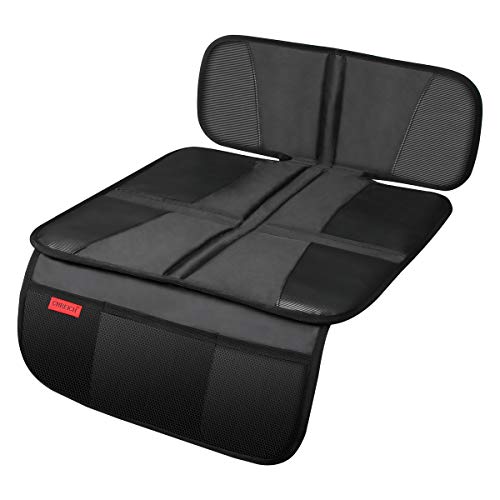
A single-seat car seat protector usually falls in the $20-$70 range, with the style driving most of the price difference. Basic quilted fabric models sit at the low end, foam-backed rigid protectors cost more, and full-bench covers move higher because they cover more seating area.
That spread matters because the cheapest option is not always the best one for your setup. A narrow, lightly padded mat may be enough for booster-seat use, while a multi-child row or pet-heavy back seat may call for broader coverage. Price should match the job, not the packaging.
Typical price bands by style
- Quilted fabric protectors: $20-$35
- Foam-backed rigid protectors: $35-$60
- Neoprene or rubber mats: $25-$45
- Full bench protectors: $50-$90
What one-seat and full-bench versions cost
One-seat products are the common budget buy because they cover a single seating position or the area directly under one child seat. Full-bench versions cost more because they add material, stitching, and more coverage across the back seat. If you only need one seating position protected, paying for a full bench usually raises cost without adding much value.
How much is a car seat protector for one seat?
For one seat, plan on roughly $20-$45 for many basic options and about $35-$60 for sturdier rigid protectors. That range covers the kind of product many parents look at first: something to catch crumbs, spills, and shoe scuffs without covering the whole rear bench.
The real question is whether one-seat protection is enough for your vehicle and your child seat. If the manual says nothing should sit underneath the child seat, the safest answer is to skip the accessory entirely. A protector is optional, not mandatory.
What higher prices usually buy
Higher prices usually buy more coverage, easier cleanup, or tougher surface materials. They do not automatically buy better child-seat safety. Thick padding can be a drawback if it adds bulk or changes how the child seat sits in the vehicle, so cost should never be read as a safety rating.
Why protect your car seats?
Protectors mainly help with dirt, wet shoes, spills, and seat wear. They can catch crumbs, juice, mud, and scuff marks, and they can reduce visible indentation marks on some upholstery. They are most useful when the back seat sees constant loading and unloading.
They are less useful when the child seat already sits on a durable cloth bench or when the child-seat maker forbids anything underneath. In those cases, spending money on an accessory can create more risk than benefit.
Leather versus cloth upholstery
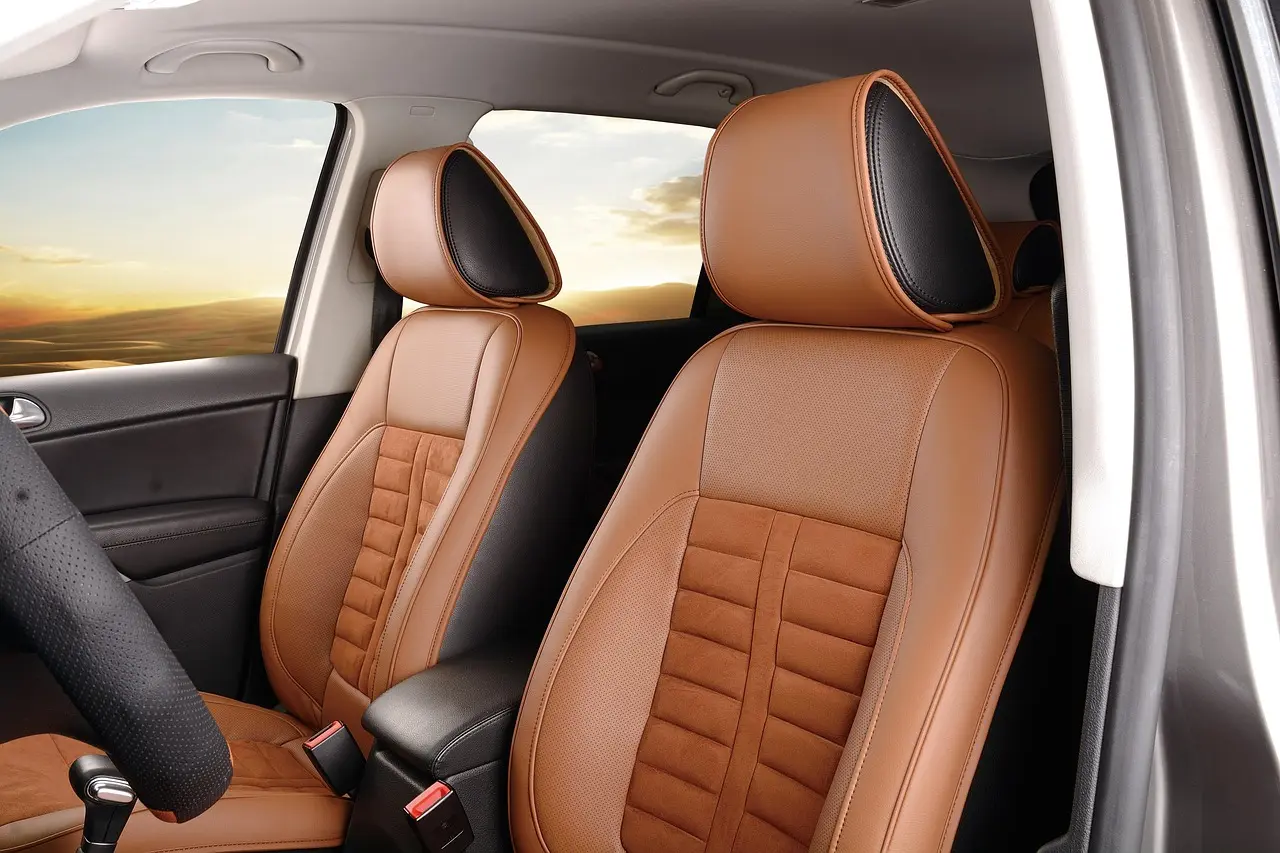
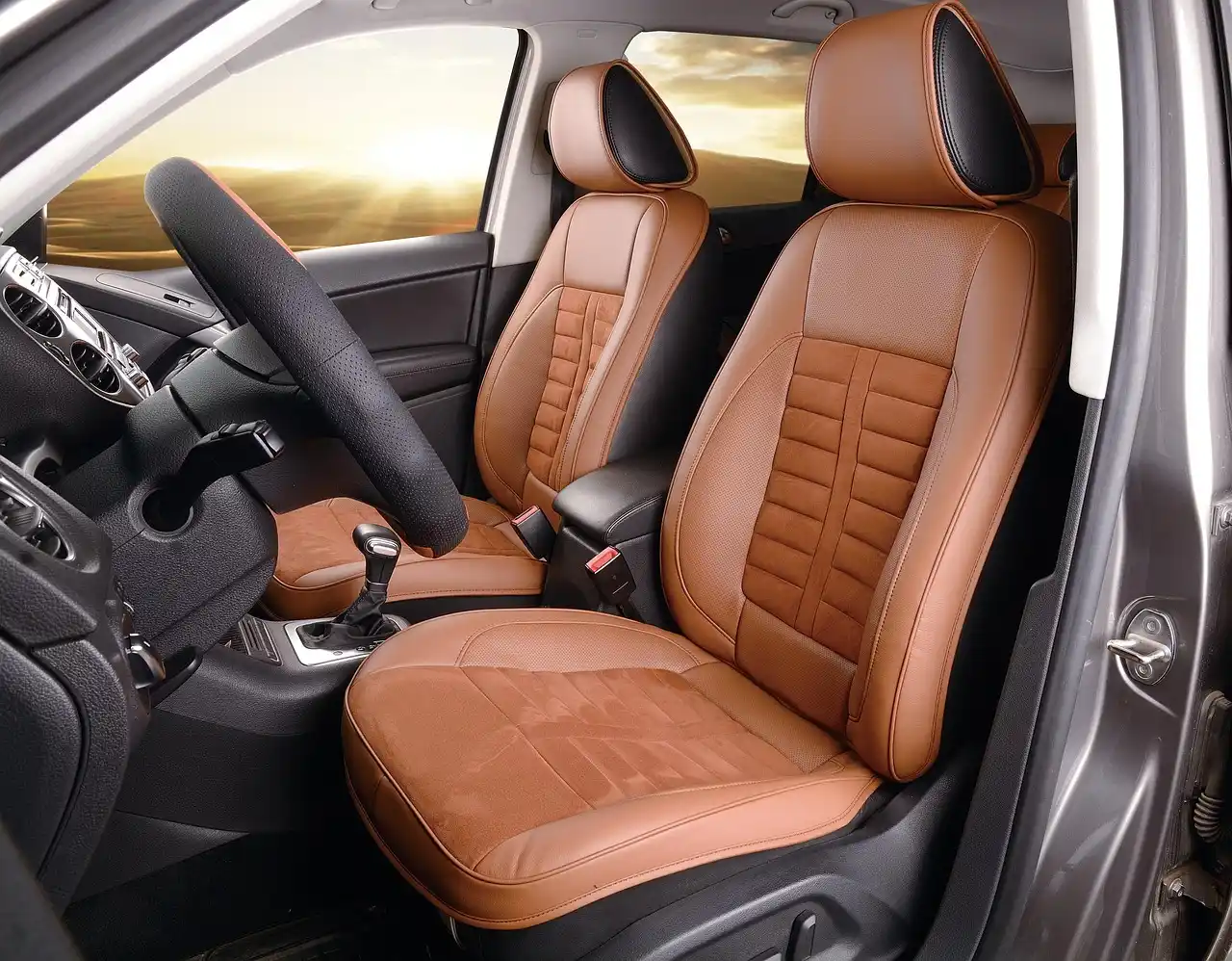
Leather usually needs more protection than cloth because it shows indentations faster and scuffs are harder to clean up. Heat can also make leather more vulnerable to visible wear in hot climates. Cloth often hides light marks better, so some owners can skip a protector with little downside.
That does not mean every leather seat needs a protector. If your child-seat manual prohibits accessories underneath, follow that instruction first and accept the wear risk.
Indentation risk under child seats
Heavy child seats can leave compressed outlines on leather and softer trim. That is a cosmetic issue, not a reason to add thick padding under the seat. If you decide to use a protector, choose one that stays thin and firm enough to avoid changing the child-seat fit.
Which type fits your use case?
The best style depends on what you are protecting and how the back seat gets used. A booster seat, an infant seat, and a muddy dog route all point to different products. The most expensive option is not always the right one.
Foam-backed rigid protectors
Foam-backed rigid protectors usually cost $35-$60 and are the priciest single-seat style in this group. They are meant to resist compression better than softer mats, which can help them keep their shape under heavy use. Even so, they are not a general upgrade for infant or convertible seats, and some manuals forbid anything underneath.
Quilted fabric protectors
Quilted fabric protectors usually cost $20-$35, are lighter, and are easier to machine-wash. They make the most sense under booster seats or for families that want simple spill and crumb protection. Their main weakness is compression, especially under heavier child seats.
Neoprene or rubber mats
Neoprene or rubber mats usually cost $25-$45. They are waterproof and easy to hose off, which makes them practical for pets, muddy shoes, and cargo-style messes. They are less about cushioning and more about quick cleanup.
Full bench protectors
Full bench protectors usually cost $50-$90 and cover more of the rear seat. They suit families with multiple children in the second row or drivers who want broader coverage for pets and daily wear. They can also be too much if you only need one protected seating position.
Say your family has one rear-facing infant seat and one adult passenger in the second row. A full bench cover may seem attractive, but if it crowds the seating position or complicates installation, the cheaper and smaller option is the safer buy.
Car seat protector price-to-usefulness matrix
This matrix compares price to real-world use, not marketing claims. The value score reflects how well each type matches its intended job, how easy it is to clean, and how much installation risk it can add if used in the wrong place.
| Protector type | Typical price | Durability | Installation risk | Upholstery protection | Best-fit family scenario | Value score | Do not buy if |
|---|---|---|---|---|---|---|---|
| Quilted fabric single-seat mat | $20-$35 | Moderate | Low to moderate | Good for crumbs, light spills, and scuffs | Booster seat, occasional messes, cloth upholstery | 4/5 | Your child-seat manual forbids anything underneath |
| Foam-backed rigid single-seat protector | $35-$60 | High | Moderate to higher | Good for indentation marks and daily wear | Frequent loading and unloading, leather seats, heavy use | 3/5 | You want it as a support upgrade for the child seat |
| Neoprene or rubber mat | $25-$45 | High for wet messes | Low to moderate | Strong for spills, mud, pet hair, and wipe-down cleanup | Pets, muddy shoes, ride-share cleaning, cargo-style messes | 4/5 | You need padding rather than easy cleanup |
| Full bench protector | $50-$90 | High | Moderate | Broad coverage across multiple seating positions | Two child seats, mixed family use, full back-seat coverage | 3/5 | You only need one seating position protected |
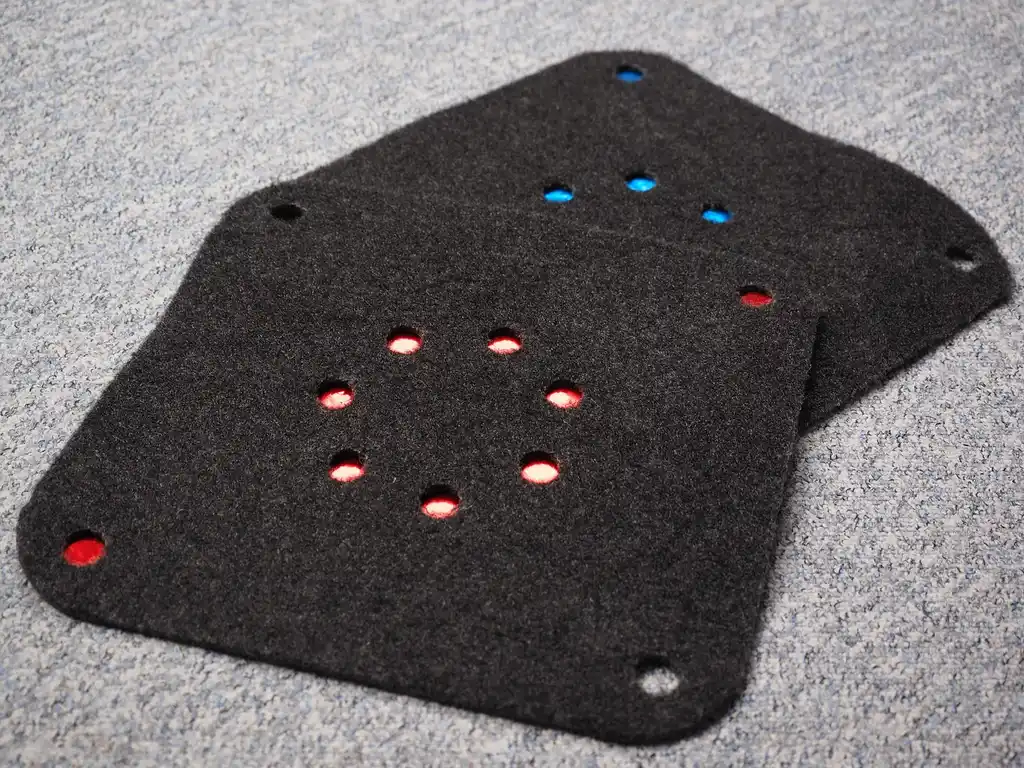
| Kick mat only | $7.50-$10 per piece | Moderate | Low | Best for seat backs, not under-seat protection | Front-seat backs, shoe scuffs from older kids | 5/5 | You are trying to protect the seat base under a child seat |
Will it work with LATCH and seat belts?
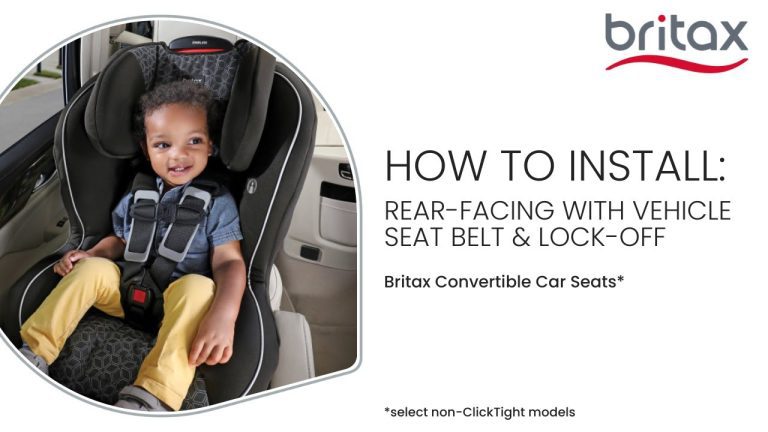
It may be acceptable only if the child-seat manual allows it and the protector does not interfere with the installation. The seat still needs to tighten properly, and it should move less than about 1 inch at the belt path when checked the way the manual describes. If the accessory creates slack or blocks a secure fit, it fails the test.
Check the child-seat manual first
Most car-seat manufacturers and NHTSA guidance say any accessory under the seat should be thin and firm. Some manufacturers explicitly say not to use anything underneath at all. That instruction outranks any protector label or product photo.
Seat-belt path and tightness checks
Install the protector first, then install the child seat on top of it only if the manual allows that setup. After that, thread and tighten the seat belt or LATCH straps exactly as directed. Then check the seat at the belt path for movement; if it shifts too much, the setup is not acceptable.
A common first-timer mistake is placing the car seat on a thick mat, tightening it, and assuming the fit is fine because the seat looks centered. If the base rocks, slides, or the belt path feels loose, the protector is part of the problem.
When compatibility cutouts matter
LATCH cutouts matter only when they help the child seat connect and tighten correctly. They are not a universal requirement, and they do not excuse a protector that changes the fit. If the protector forces the seat to sit oddly or traps slack, return it.
- Check whether the vehicle and child-seat manuals allow any accessory underneath.
- Place the protector first only if the manuals allow it.
- Install the child seat after the protector, not before.
- Tighten the seat belt or LATCH straps and verify the belt path.
- Check for movement and watch for bunching, sliding, or raised edges.
- Remove the protector if it changes the installation or blocks the child seat from sitting flat.
What makes a protector worth more?
Price rises when a protector uses tougher materials, covers more area, or adds cleanup convenience. The question is whether those extras matter in your car. A wipe-clean surface can be worth paying for if the seat sees mud and spills, but premium stitching alone is usually cosmetic.
Material and clean-up
Waterproof neoprene or rubber is easier to clean after muddy use. Quilted fabric is easier to wash after crumbs and light spills. Higher price makes sense when cleanup time matters more than padding, but not when the child-seat manual forbids the accessory.
Coverage area and fit
More coverage can help in family vehicles, but only if the fit stays neat and does not bunch under the child seat. A protector that covers too much may also cover more of the rear bench than you need. Paying for extra fabric is wasteful if one seat is the only problem.
Non-slip backing and wear resistance
Non-slip backing can help a protector stay put on the vehicle seat, which matters because shifting is a common failure point. Wear resistance also matters for long-term use. Still, neither feature should be treated as a substitute for proper child-seat installation.
When is a cheaper protector the better buy?
Cheaper is better when the job is simple. For booster seats, quick cleanup, or short-term use in a second car, a lower-cost mat often does everything needed. If the protector does not need to carry heavy loads or cover a full bench, paying more may not buy much.
Booster-seat use
Booster seats usually place less pressure on the upholstery than infant or convertible seats. That makes a quilted fabric mat or simple wipe-clean pad a sensible value choice. Spending extra on a rigid protector often brings little payoff here.
Pet hair and muddy cargo
If the main problem is pet hair, wet paws, or muddy gear, a neoprene or rubber mat is usually the better buy. Easy cleanup matters more than padding in those cases. A softer child-seat protector can be the wrong tool for the job.
Short-term or second-car use
For a spare vehicle, a low-cost protector can be enough as long as it does not interfere with installation. That is where basic, no-frills products make sense. The safest answer is still to skip the accessory if the manuals say not to use one.
Frequently asked questions
What’s the difference between a $20 and $60 car seat protector?
A $20 protector is often a simpler quilted fabric or basic mat, while a $60 model is more likely to be rigid, thicker, or made for broader coverage. The higher price can mean easier cleanup or better durability, but it does not make the child-seat setup safer.
Are expensive car seat protectors worth it?
Sometimes, but only for the right use case. A more expensive protector can make sense for leather seats, heavy daily use, or a full-bench setup. If your manual forbids accessories underneath, the expensive option is still the wrong one.
Do car seat protectors work with LATCH?
Some do, but only if the protector does not interfere with the lower anchors, the belt path, or the final tightness check. Compatibility cutouts can help, yet they are not universal or mandatory. The child seat must still install correctly after the protector is in place.
Will a car seat protector damage leather seats?
A protector can help reduce scuffs and indentation marks on leather, but it can also create problems if it shifts, bunches, or traps heat. Leather usually benefits more than cloth from protection, yet the child-seat manual still decides whether any accessory is allowed underneath.
How much does a car seat cover cost?
For a single seat, car seat covers usually cost $20-$70, with full-bench protectors running $50-$90. The lower end suits basic spill protection, while the higher end buys more coverage or tougher materials. If you only need one seating position, skip the larger cover.
How much does a car seat cost?
Car seat prices vary far more than protectors, but the key point is simple: a protector should never compromise a child seat that costs much more. If a protector changes the installation or violates the manual, the safest and cheapest answer is to return it and leave the seat bare.
Products related to this article
Sponsored / affiliate links. As an Amazon Associate I earn from qualifying purchases. I may earn additional commission from eligible campaigns.
 FLORICH Front Car Seat Covers, Leather Seat Covers for Cars, Waterproof Car Seat Protector Breathable, Front Seat Covers for Cars, Automotive Seat Covers Universal Fit for Most SUV Pick-up Truck
 FLORICH Leather Seat Cover, Car Seat Covers Front Set, Waterproof Car Seat Protectors, Front Seat Covers 2 Pack, Breathable Automotive Seat Covers Protector Fit for Most Cars Trucks SUV