Car Shakes on Cold Start: Reasons and Troubleshooting Tips
If your car shudders when you first start it in the morning, you’re not alone. The Car Shakes on Cold Start: Key Reasons to Check problem can be frustrating, especially for drivers new to car care. It can sound like a big problem, but often, the solution is straightforward. Don’t worry; this guide will help you understand the common causes and how to fix them, step by step. We’ll explore the basics, so you can diagnose and solve the issue.
Reasons Your Engine Stutters When Cold
When your engine struggles to run smoothly after sitting overnight, it’s often due to a few common issues. These problems can range from simple things like needing a tune-up to more complex issues within the engine itself. The engine’s operating environment shifts drastically from warm to cold, influencing the way your car starts and runs. Understanding these reasons will help you narrow down the source of the problem. This initial step is key to getting your car back to running smoothly when cold, and knowing what to expect can help you save time and money by being able to make some basic diagnoses yourself.
Faulty Spark Plugs
Spark plugs are essential for starting your car. They ignite the air-fuel mixture in your engine’s cylinders, creating the power needed to get your car running. Over time, spark plugs wear out. They can become dirty, corroded, or have gaps that are too wide. This can make it difficult for them to create a strong spark, especially when the engine is cold. The cold temperature makes the air-fuel mixture harder to ignite, requiring a robust spark to get things going. The result? Your engine might misfire or shake noticeably, especially during those first few minutes when it hasn’t warmed up yet.
- How Spark Plugs Work: Spark plugs work by providing an electrical spark that ignites the air-fuel mixture in the engine cylinders. They are designed to withstand high temperatures and pressures, but they degrade over time due to wear, carbon buildup, and oil fouling. This deterioration directly impacts the efficiency of the spark, which causes starting and running issues.
- Signs of Bad Spark Plugs: Besides shaking on a cold start, other symptoms include a rough idle, reduced gas mileage, and difficulty accelerating. You may also notice the “check engine” light illuminating on your dashboard.
- Checking and Replacing Spark Plugs: Inspecting your spark plugs involves removing them and looking for wear, corrosion, or excessive gap size. Replace them if you find any of these. Spark plugs typically need replacing every 30,000 to 100,000 miles, depending on the type and your vehicle’s specifications.
Fuel System Troubles
The fuel system is responsible for delivering the correct amount of fuel to your engine. Issues in this system can cause problems when starting a cold engine. A faulty fuel pump, clogged fuel injectors, or a dirty fuel filter can restrict fuel flow, which causes a lean air-fuel mixture. This mixture is not ideal for cold starts and will lead to an engine that sputters and shakes. The fuel system needs to work precisely, especially when the engine is cold. Problems can show up in several forms and understanding the core components can help narrow down problems.
- Fuel Pump Issues: The fuel pump delivers gasoline from the tank to the engine. If the fuel pump is failing, it might not provide enough fuel pressure, making it hard for the engine to start or run smoothly.
- Fuel Injector Problems: Fuel injectors spray the fuel into the engine cylinders. Clogged injectors can prevent the proper amount of fuel from getting into the engine. This issue leads to a rough engine start.
- Fuel Filter Concerns: A dirty fuel filter restricts fuel flow, which can also affect the engine’s ability to start smoothly. This will create issues during those early cold moments.
Air Intake System Problems
The air intake system supplies the engine with the air it needs for combustion. A problem here can significantly impact how your engine starts and runs, especially in the cold. A cold engine needs the right air-fuel mix to start. Air leaks or a clogged air filter can mess up this balance. The car might have difficulty getting enough air to run correctly during the initial start-up. Also, sensors in the air intake system send information to the car’s computer to control the engine operations. So any trouble here has a large effect.
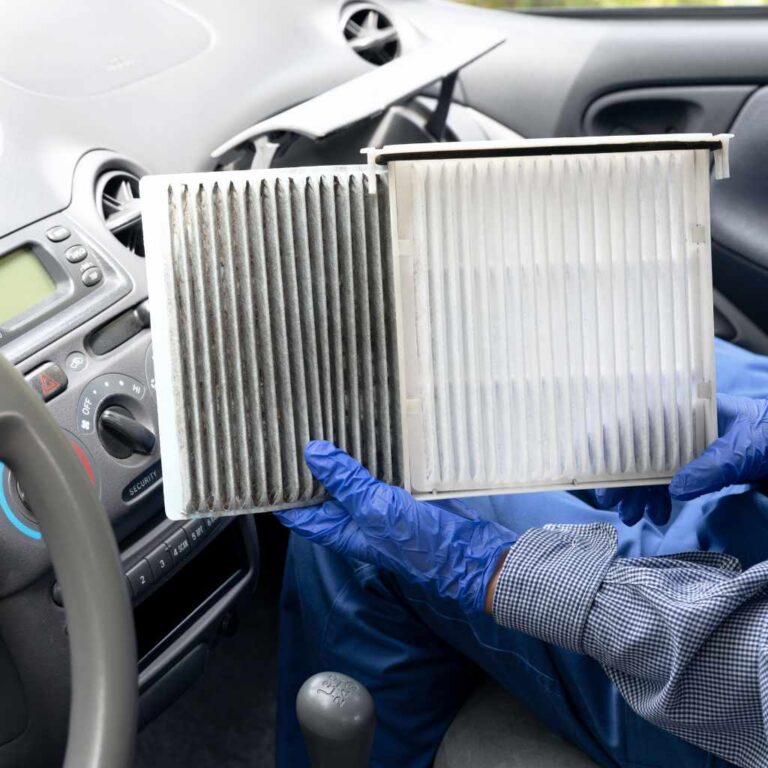
- Air Filter Issues: A dirty air filter restricts airflow, which affects the air-fuel ratio. This problem causes the engine to run roughly. Replacing a dirty air filter can be an easy fix.
- Vacuum Leaks: Vacuum leaks occur when air enters the system in places it shouldn’t, changing the air-fuel mixture. Vacuum leaks are often a primary cause for a rough idle, especially when the engine is cold. This is caused by rubber hoses or seals becoming brittle.
- Throttle Body Problems: A dirty or malfunctioning throttle body can also cause air intake issues. The throttle body controls the amount of air entering the engine. It can get dirty over time, which disrupts airflow.
Sensor Failures
Your car’s engine relies on various sensors to operate. These sensors monitor things like engine temperature, airflow, and crankshaft position. When these sensors provide incorrect readings, it can greatly affect your engine’s performance, especially during a cold start. The engine control unit (ECU) relies on these readings to manage the air-fuel mixture, ignition timing, and other functions. A faulty sensor sends the wrong data to the ECU. This means the engine won’t start or run smoothly, so it can cause shaking and other problems. Understanding the roles of these sensors is a crucial step for troubleshooting the issue.
- Coolant Temperature Sensor (CTS): The CTS informs the ECU about the engine’s temperature. If the CTS fails, the ECU may think the engine is warmer than it is, resulting in too little fuel being delivered for cold starts.
- Mass Air Flow (MAF) Sensor: The MAF sensor measures the amount of air entering the engine. If the MAF sensor is dirty or faulty, it can send inaccurate readings, causing the engine to run rich or lean.
- Crankshaft Position Sensor (CKP): The CKP sensor monitors the position of the crankshaft. If the CKP sensor is bad, the ECU can’t determine the correct timing for ignition, leading to starting problems and shaking.

How to Troubleshoot Car Shakes on Cold Start
Now that you know the common causes of car shakes on cold start, it’s time to start troubleshooting. Start by gathering your tools, and make sure your car is safe to work on. First, you’ll need the basics, like a wrench set, a screwdriver, and a multimeter. Following a methodical approach is key to pinpointing the issue. Start by checking the easy things first. This helps you avoid unnecessary work and makes it easier to track progress. This will narrow down the source of the problem and help get your car running smoothly.
Visual Inspection and Basic Checks
Before you get into more complex diagnostics, start with a simple visual check. Look for obvious signs of trouble that can quickly lead you to the root cause. This quick scan will help reveal any glaring issues before you start taking things apart. Look closely for visible damage and signs of wear. You can easily find these issues and eliminate them before going deeper into more complicated diagnostics.
- Check Fluid Levels: Make sure your engine oil, coolant, and other fluids are at the right levels. Low fluid levels can cause starting problems or contribute to engine shaking.
- Examine Hoses and Wires: Look for any cracked, loose, or disconnected hoses and wires. These could be vacuum leaks or electrical issues.
- Inspect the Air Filter: A clogged air filter can cause engine shaking. Inspecting it is often a quick fix that improves performance.
- Check for Leaks: Look for any signs of fuel, oil, or coolant leaks. Leaks are a sign of potential engine problems, and you can easily remedy them.
Diagnostic Tools and Procedures
If the visual inspection doesn’t reveal the issue, it’s time to move to more advanced diagnostic procedures. Diagnostic tools help you identify the specific problem. Using tools such as a scanner can make troubleshooting much easier. Follow these steps to diagnose and identify the problem accurately.
- Using an OBD-II Scanner: An OBD-II scanner reads the error codes stored in your car’s computer. It helps identify issues with the engine, transmission, and other systems. Plug it into the OBD-II port (usually under the dashboard) and scan for codes.
- Spark Plug Inspection: Remove the spark plugs and inspect them for wear, fouling, or damage. Check the gap size against the manufacturer’s specifications.
- Fuel Pressure Testing: Test the fuel pressure to make sure the fuel pump is providing the correct pressure. A fuel pressure gauge can measure the fuel pressure in the system.
- Vacuum Leak Test: Listen for hissing sounds while the engine is running to detect vacuum leaks. Using a smoke machine can also help locate leaks.
Step-by-Step Troubleshooting Guide
Here’s a step-by-step guide to help you troubleshoot the issue of Car Shakes on Cold Start: Key Reasons to Check: Follow these steps to ensure you’re addressing the problem safely and correctly. This will help you identify and address the issue efficiently. This structured approach will increase your chances of finding the root cause. Remember, working on your car requires some knowledge and skill. When in doubt, it’s best to get help from a professional.
- Start with a Visual Inspection: Carefully examine the engine compartment. Check fluid levels, hoses, wires, and the air filter for damage or wear.
- Use an OBD-II Scanner: Connect the scanner to the OBD-II port and read any error codes. Write down any codes that appear.
- Check the Spark Plugs: Remove and inspect the spark plugs. Replace them if they’re worn, fouled, or if the gap is incorrect.
- Inspect the Air Intake System: Check the air filter for cleanliness. Look for vacuum leaks by listening for hissing sounds around hoses and connections.
- Test the Fuel System: If the problem persists, test the fuel pressure. Make sure the fuel pump provides the correct fuel pressure.
- Consult a Professional: If you’ve tried these steps and can’t find the problem, it might be time to take your car to a mechanic. They have the tools and expertise to diagnose more complex issues.
Preventative Measures for a Smooth Startup
Preventative maintenance is the best way to prevent issues with your car. Keeping your car well-maintained will help you avoid problems like engine shaking during cold starts. Routine care and quick fixes are key to keeping your car running smoothly. Here are some strategies you can use to keep your car starting smoothly in cold temperatures.
Regular Maintenance Schedule
Sticking to a regular maintenance schedule is the most important step in preventing issues. Following the manufacturer’s maintenance schedule helps ensure that all key components get the attention they need. This keeps your car running smoothly. By taking action, you can avoid many problems and extend the life of your vehicle. Keep a record of all the services and repairs you’ve done to your car.
- Oil Changes: Change your engine oil and filter as recommended by your car’s manufacturer.
- Spark Plug Replacement: Replace your spark plugs at the interval specified in your owner’s manual.
- Air Filter Replacement: Replace the air filter regularly to ensure clean airflow to the engine.
- Fuel Filter Replacement: Replace the fuel filter at recommended intervals. This ensures clean fuel flow.
Winterization Tips
Preparing your car for cold weather is also important to prevent starting issues. Cold weather puts extra stress on your car’s systems. Knowing how to prepare your car for the cold will help avoid problems when starting in freezing conditions. Following these tips helps you prepare your car. You can greatly reduce the chances of your car shaking on a cold start.
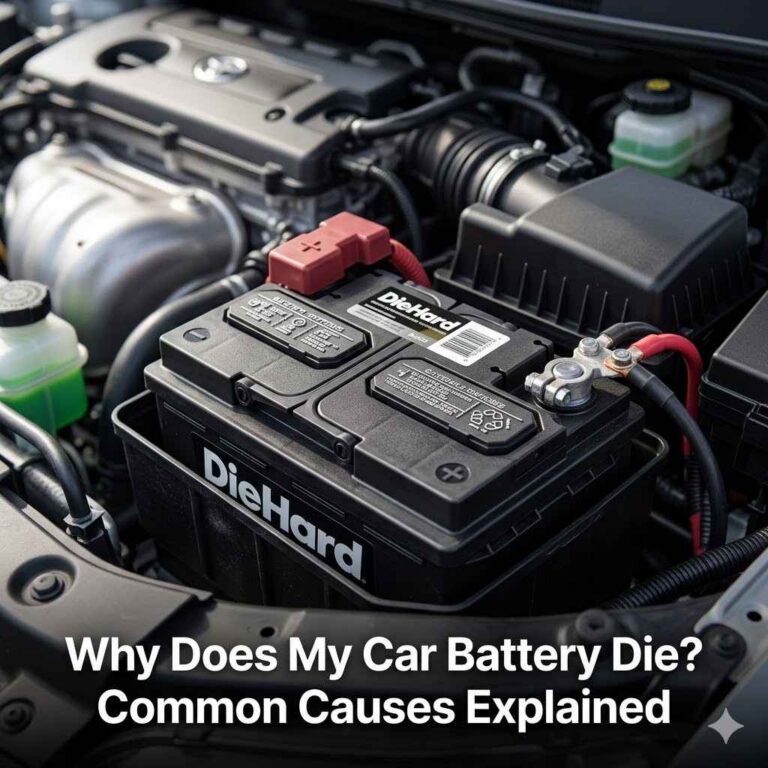
- Check Your Battery: Cold temperatures can decrease your battery’s power. Make sure your battery is in good condition. Get your battery tested and replace it if necessary.
- Use the Correct Oil: Use the oil viscosity recommended for cold weather. This will improve engine lubrication in cold temperatures.
- Keep the Fuel Tank Full: A full fuel tank helps prevent moisture from forming in the fuel system. This prevents fuel line freezing.
- Check Your Coolant: Make sure your coolant has the proper antifreeze protection. This helps keep the engine from freezing.
Fuel Additives and Treatments
Using fuel additives and treatments can also help prevent cold-start problems. These additives help keep the fuel system clean and protect against fuel-related issues. Proper maintenance with fuel additives can make a difference in your car’s performance. By taking action, you can maintain your car’s engine health.
- Fuel Injector Cleaners: Use fuel injector cleaners to remove deposits from fuel injectors and maintain optimal fuel flow.
- Fuel Stabilizers: Use fuel stabilizers if you store your car for extended periods. They help prevent fuel degradation.
- Anti-Freeze Additives: Consider using a fuel additive that prevents fuel line freezing in extreme cold.
Common Mistakes to Avoid
When troubleshooting your car, it’s essential to avoid certain mistakes. Some errors can make it harder to solve the problem or cause additional issues. Learning about these common mistakes can prevent problems. This knowledge will improve your troubleshooting efforts.
- Ignoring the Check Engine Light: If the check engine light is on, don’t ignore it. It is a sign of a problem and should be checked right away.
- Using Incorrect Diagnostic Procedures: Use the right diagnostic procedures for your car’s system. Make sure you use the right tools and information.
- Using the Wrong Replacement Parts: Always use the correct replacement parts for your car’s make and model. Check the specs and fitment.
- Not Following Safety Precautions: Work safely when working on your car. Disconnect the battery and wear safety glasses when necessary.

Frequently Asked Questions
Question: Why does my car shake only when it’s cold?
Answer: When it’s cold, the engine components don’t heat up as quickly, which stresses the engine. This can expose problems that wouldn’t normally appear in warmer temperatures.
Question: Can bad spark plugs cause a car to shake?
Answer: Yes, worn or fouled spark plugs struggle to ignite the fuel-air mixture efficiently, which can lead to misfires and shaking, especially when the engine is cold.
Question: How often should I replace my spark plugs?
Answer: Spark plug replacement is typically needed every 30,000 to 100,000 miles, but check your vehicle’s owner’s manual for specific recommendations.
Question: What’s the best way to prevent cold start problems?
Answer: Regular maintenance, using the correct oil, and preparing your car for the winter are key steps to preventing these problems.
Question: Should I let my car warm up before driving?
Answer: Modern cars don’t necessarily need extensive warm-up times. Driving gently shortly after starting is often better than idling for long periods.
Final Thoughts
Dealing with a Car Shakes on Cold Start: Key Reasons to Check problem can be frustrating. But by understanding the common causes and how to troubleshoot the issue, you’re well-equipped to get your car running smoothly again. From checking spark plugs and fuel systems to understanding the role of sensors, each step plays a crucial role in diagnosing and fixing the problem. Knowing the fundamentals of car maintenance and following these steps can help you identify, diagnose, and fix the issue. You can prevent issues and maintain your car’s performance with consistent care and these simple steps. Next time your car shudders on a cold morning, you’ll know exactly where to start!