Chemical Guys Total Interior Cleaner Review: Worth It?
Chemical Guys Total Interior Cleaner is a solid maintenance-first cleaner for mixed-material cabins if you want one spray for light dirt on touchscreens, soft-touch plastics, leatherette, vinyl, and gloss trim; skip it for heavy grime and dedicated leather care. Use the wrong cleaner and you can leave streaks, residue, or haze on high-gloss panels that are hard to remove. This guide explains where it fits, where it falls short, and who should buy it.
This guide is part of our Car cleaning and detailing guide series.
Verdict
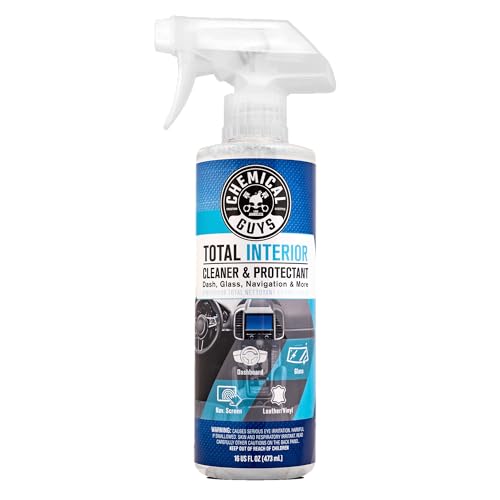
- Versatile formula cleans and protects multiple interior surfaces
- Removes grime and restores a natural, non-greasy look
- Quick and easy spray and wipe application
Based on the spec sheet and review notes, this is best treated as a weekly or bi-weekly wipe-down product, not a rescue formula for neglected interiors. The cited review gave it a strong rating after a few weeks in a family SUV, and it reportedly worked across textured plastic, leatherette seats, piano black trim, and an infotainment screen, though it was not presented as a deep-restoration cleaner.
📊 The review tested the product for 4 weeks in a family SUV. Source: Chemical Guys Total Interior Cleaner Review: Worth It?.
Specs at a glance
| Item | What to know |
|---|---|
| Product type | All-in-one interior cleaner and protectant |
| Primary use | Maintenance cleaning for light dust, fingerprints, and smudges |
| Finish | Matte, non-greasy |
| Surface compatibility | Safe for touchscreens and glass; also used on plastics, vinyl, leatherette, and door panels |
| Protection claim | UV protection |
| Known limitation | Can streak on glass if over-applied; struggles with heavy dirt and grime |
| Review context | 4 weeks in a family SUV; 2022 Kia Telluride; used on textured plastic, leatherette seats, piano black trim, and a 10-inch infotainment screen |
Who is Chemical Guys Total Interior Cleaner for?
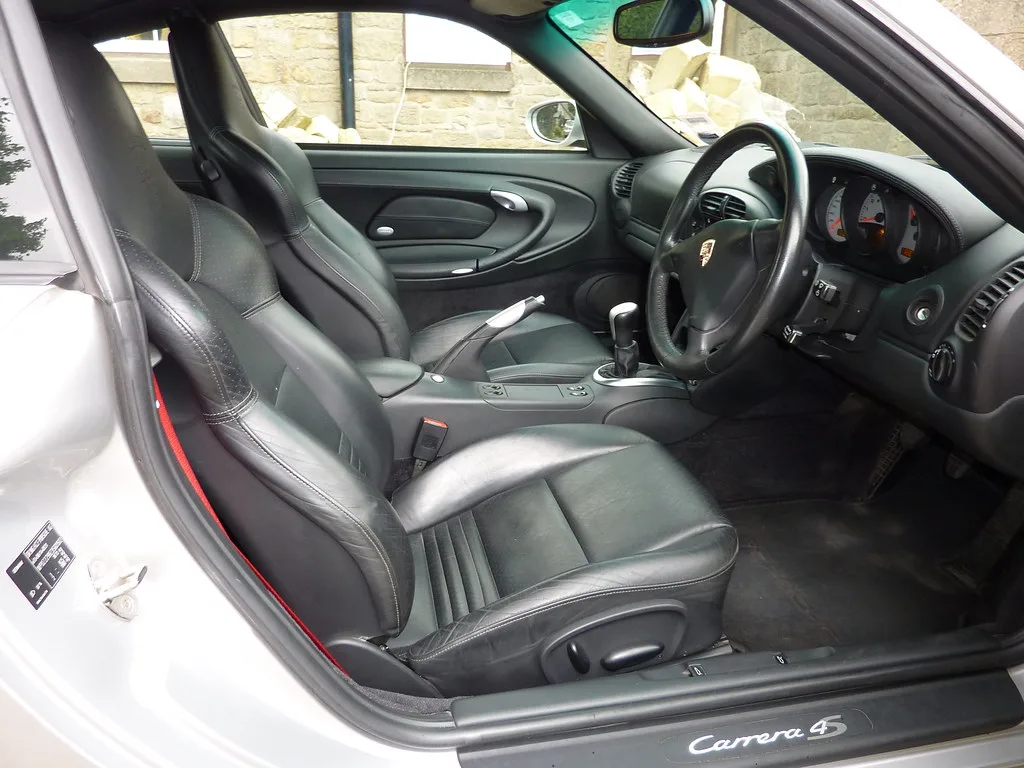
This cleaner is for drivers who want one bottle for routine cabin care, especially in mixed-material interiors with plastics, vinyl, screens, and leatherette. It fits daily drivers, family SUVs, and rideshare cabins that need quick wipe-downs more than full interior decontamination.
It also suits owners who clean on a schedule. If you wipe the cabin every week or every other week, the product’s maintenance-first positioning makes sense. If the interior has months of built-up soil, greasy residue, or stained upholstery, a stronger cleaner is the better starting point.
Daily drivers with mixed-material interiors
Daily drivers with soft-touch plastics, dashboard trim, and a central touchscreen benefit most. The appeal is simple: one spray can handle the high-touch surfaces that collect fingerprints, dust, and road film without leaving an obvious shine behind.
Families and rideshare cabins needing quick wipe-downs
Family cabins tend to collect snack dust, handprints, and seatback smears. In that setting, a maintenance product is useful because it keeps the cabin presentable between deeper cleanings. The product is not a stain remover for juice spills that have soaked in or for dried-on messes around cupholders.
Owners who want one bottle for light interior maintenance
If the goal is convenience, this is the main argument for buying it. A single cleaner that can move across plastics, leatherette, vinyl, and screens saves time. That said, convenience is not the same as specialization, and that tradeoff matters when the cabin needs glass work or fabric cleaning.
What works on a daily basis?
It works best on light dust, fingerprints, and fresh smudges. On soft-touch plastics and dashboard trim, the finish should read as natural rather than shiny, which suits modern interiors. On leatherette, it can handle day-to-day soil and minor spills, but it is not a replacement for a dedicated upholstery or conditioner product.
For infotainment screens, the value is fingerprint removal with low residue risk when used sparingly. The review specifically says it is safe for touchscreens and glass, but also notes that over-application can streak on glass. That makes technique more important than the label alone.
Soft-touch plastics and dashboard dust
Soft-touch plastics are the easiest win here. They usually gather dust and a thin film rather than deep contamination, so a maintenance cleaner can lift the surface mess without making the panel look dressed or greasy. This is where the matte finish claim matters most.
Leatherette seats and light soil
Leatherette, or synthetic upholstery, is a strong fit as long as the mess is light. Think hand oils, minor food transfer, and everyday seat grime. For embedded discoloration, seam buildup, or aged residue, switch to a stronger dedicated upholstery cleaner instead of expecting an all-in-one formula to do everything.
Infotainment screens, fingerprints, and light smudges
The screen use case is useful, but not unlimited. The review says the cleaner is safe for touchscreens and glass, and that matters for modern cabins with a 10-inch infotainment display or a 10.25-inch navigation screen. Still, fingerprints come off best with a light spray to the towel, not the screen.
What does not work well?
It does not work well on heavy grime, neglected interiors, or dirt that has bonded to textured surfaces. The review says it struggles with heavy dirt and grime, which is exactly what you would expect from a maintenance-first cleaner. If the cabin is darkened by body oils or years of buildup, start with a stronger product.
Piano black trim is another weak point. That surface shows haze, streaks, and towel marks quickly, so any cleaner that is even slightly over-applied can expose technique flaws. Glass is also a caution area, since the review notes streaking if the product is used too heavily.
Heavy grime and neglected interiors
A common first-timer mistake is expecting one pass to fix a cabin that has not been cleaned in months. For example, if a family SUV’s lower door panels have sticky residue and dried mud at the kick areas, this cleaner may improve the look but will not fully reset the surface.
Piano black trim and haze risk
Piano black trim is unforgiving. It can look clean for a moment, then reveal streaks in angled light. Use very little product, a soft microfiber towel, and a second dry towel if needed. If the trim is badly marred, a dedicated gloss-safe cleaner or paint-safe interior method is the better route.
Glass, fabric stains, and deep upholstery soil
Although the product is described as safe for glass, that is not the same as being a true glass cleaner. It can streak if overused. Fabric stains and deep upholstery soil are even farther outside its sweet spot, because those materials usually need targeted chemistry and more extraction than a maintenance spray can provide.
Best use vs bad use matrix
This matrix shows where Chemical Guys Total Interior Cleaner is safe, what result to expect, and when to switch to a dedicated cleaner. The rule is simple: use it for light maintenance on hard and coated cabin surfaces; move to specialty products once the mess becomes bonded, stained, or greasy.
| Cabin material or mess | Safe to use? | Expected result | When to switch products |
|---|---|---|---|
| Soft-touch plastics | Yes | Removes dust and light film; natural matte look | Switch if the surface is sticky or heavily soiled |
| Dashboard plastics | Yes | Quick wipe-down with low shine | Switch for baked-on residue or sun-baked buildup |
| Leatherette seats | Yes | Light soil and fresh spill cleanup | Switch for deep staining or heavily worn seams |
| Infotainment screen | Yes, with restraint | Fingerprint removal; low residue if lightly applied | Switch if smears persist or coating-safe screen care is needed |
| Piano black trim | Use caution | Can clean, but may haze or streak | Switch if the panel already shows swirls or if streaking appears |
| Glass | Yes, but not ideal | Basic wipe-down; risk of streaks if over-applied | Switch to a dedicated glass cleaner for clear, fast drying |
| Fabric seats or carpets | Limited | May lighten surface soil only | Switch for stains, spills, and embedded dirt |
| Heavy grime, greasy fingerprints, neglected interiors | No, not the best choice | Partial improvement at best | Switch to a stronger interior degreaser or targeted cleaner |
Does it leave a greasy finish?
No, the intended result is matte and non-greasy. That makes it suitable for dashboards, plastics, and screens where shine looks out of place. The catch is that the finish depends on how much product you apply, because overuse can create streaks before it creates any useful cleaning effect.
Streaks usually show up first on glass and piano black trim. Those surfaces reveal excess product and towel lint fast. For best results, spray onto a microfiber towel first, work in a small area, and follow with a dry towel if the panel still looks uneven.
Technique tips for screens and gloss trim
- Use a clean, short-nap microfiber towel.
- Apply a small amount to the towel, not the screen.
- Wipe one section at a time.
- Flip to a dry side for a final pass.
- Stop if the surface starts to haze or smear.
Say your center screen is 10 inches wide and covered with fingerprint arcs from a weekend drive. A light towel application can clear most of that quickly. If you spray directly onto the screen and the liquid pools at the edge, the chance of streaks rises immediately.
How does Chemical Guys Total Interior Cleaner compare with other interior cleaners?
Compared with dedicated interior cleaners, this product is more convenient but less specialized. That is the tradeoff: one bottle can cover more surfaces, but a dedicated glass cleaner, leather cleaner, or upholstery cleaner will usually outperform it when the mess is specific and stubborn.
It sits in the middle of the market. More focused cleaners tend to be better for one material. This one is better when the cabin has many materials and only light soil. That makes it a better maintenance buy than a restoration buy.
When a glass cleaner is better
If the main job is windshield haze, mirrors, or interior glass, a dedicated glass cleaner is the better tool. It should dry cleaner and reduce streak risk. Use the all-in-one only when glass is one small part of a broader wipe-down.
When a leather or upholstery cleaner is better
If the seat material is genuine leather, follow up with the right leather-specific product rather than depending on a general cleaner to do everything. If the surface is fabric or carpet, a fabric or upholstery cleaner is more effective for stains, odor-prone spills, and embedded dirt.
Compared with other all-in-one options
Against other general interior detailers, this Chemical Guys product’s advantage is its maintenance-first positioning and the stated UV protection claim. Its weakness is the same weakness most all-in-ones have: once grime becomes entrenched, the formula stops feeling versatile and starts feeling underpowered.
Should you buy it?
Buy it if your cabin is cleaned regularly, has mixed materials, and needs one simple product for light maintenance. The value improves if you wipe the interior weekly or bi-weekly, because the bottle gets used on the messes this formula actually handles well. If you clean less often, value drops fast.
Pass on it if your interior is neglected, if piano black trim drives you crazy, or if you need one product for everything including fabric, heavy grease, and true glass cleaning. In that case, separate cleaners will save time and give better results where it counts.
For cost-per-clean, the important question is frequency. A bottle priced around $11.97 is easier to justify when it replaces multiple small wipe-down products across a month. If it only comes out for rare deep cleans, the per-use value weakens because the product’s strengths are built around routine care.
Picture a three-row SUV with light dust on the dash, smudges on the second-row door panels, and a fingerprinted screen. That is the right job for this cleaner. Now picture baked-on spills in cupholders, stained cloth inserts, and a gray film on black gloss trim. That is where a dedicated kit makes more sense.
Alternatives

- Versatile cleaner for a wide range of materials
- High-lubricity formula ensures an easy cleaning experience
- Contains sun-blocking agents for surface protection
Meguiar’s Quik Interior Detailer Cleaner is a strong alternative if you want another one-bottle maintenance cleaner with sun-blocking agents and easy wipe-down use. Based on the spec sheet and reviews, it is also aimed at a wide range of materials. The drawback is the same category limitation: it is still not a deep-clean solution for neglected interiors.

- Safe for leather, vinyl, plastic and more
- Leaves no sticky or greasy film behind
- Ready-to-use formula requires no dilution
P & S PROFESSIONAL DETAIL PRODUCTS Xpress Interior Cleaner makes sense if you want a ready-to-use interior cleaner with a more direct no-residue pitch and a fresh scent. It is safe for leather, vinyl, plastic, and more, but it does not position itself as a protectant-first product, so it is less aligned with light UV-protection maintenance.
Frequently asked questions
Is Chemical Guys Total Interior Cleaner worth it?
It is worth it for drivers who clean their interior regularly and want one product for light dust, smudges, and fingerprints. It is less worth it if the cabin needs restoration work, heavy degreasing, or deep stain removal. Its value comes from speed and routine use, not from fixing neglected surfaces.
Can Chemical Guys Total Interior Cleaner be used on touchscreen and glass?
Yes, the review says it is safe for touchscreens and glass. The limitation is technique: over-application can streak on glass, and screens should be wiped with a light amount on the towel rather than sprayed heavily. It is usable, but not the best tool for flawless glass-only jobs.
Does Chemical Guys Total Interior Cleaner leave a greasy finish?
No, the product is described as streak-free and non-greasy, and that is the right expectation for a maintenance cleaner. The finish should be matte rather than shiny. If it looks greasy, the issue is usually too much product, a dirty towel, or a gloss surface that exposes residue easily.
How does Chemical Guys Total Interior Cleaner compare with other interior cleaners?
It compares well as a convenient all-in-one, but dedicated cleaners still win on specific jobs. Glass cleaners dry cleaner on glass, leather cleaners are better for leather care, and upholstery cleaners handle fabric stains more effectively. This Chemical Guys formula is strongest when the cabin needs general upkeep.
Is Chemical Guys Total Interior Cleaner good for leather and plastic?
Yes for leatherette, vinyl, and plastics, especially when the soil is light. It is a better fit for plastic dash pieces and synthetic seats than for deeply soiled leather or damaged trim. For genuine leather conditioning or heavy buildup on plastics, use a dedicated product.
Does Chemical Guys Total Interior Cleaner remove heavy grime?
Not well. The review says it struggles with heavy dirt and grime, and that is the key limitation to remember. It can improve the look of a dirty surface, but it is not the right first step for a neglected cabin, greasy buildup, or dried-on stains.
Products related to this article
Sponsored / affiliate links. As an Amazon Associate I earn from qualifying purchases. I may earn additional commission from eligible campaigns.