How Much Does a Car Drivetrain Cost?
A drivetrain repair can cost about $450 for a sensor, U-joint, or fluid-service fix, and about $2,000 to $5,000-plus for a transmission, differential, or transfer-case replacement. Quote the wrong failure and you can pay for parts you do not need, or keep driving until the damage spreads. This guide breaks down what you are actually replacing, how labor changes the bill, and how to read a drivetrain quote by failed component.
Typical cost range


The short answer is that drivetrain cost starts in the low hundreds for a single-part fix and can climb into the thousands when the quote includes a differential, transfer case, or transmission. For planning, drivetrain repair often lands in the $450-$4,500+ range, but the total changes fast once the shop is replacing an assembly instead of one part.
A front-wheel-drive car with a bad CV axle is a very different quote from an AWD SUV that needs a transfer case, a PTU, or a transmission. Labor, parts availability, and how much has to come off the vehicle all change the bill.
Why the quote can jump from hundreds to thousands
The same symptom can point to several parts. A vibration may come from a driveshaft, a wheel bearing, or a differential. A binding feel may trace to the transfer case, the PTU, or mismatched tires on an AWD vehicle. That is why diagnosis matters before you price the repair.
If the problem is one axle boot or one sensor, the quote can stay near the lower end. If the failure has spread through gears, bearings, or internal clutches, the repair can move into a full assembly replacement.
What a drivetrain quote actually covers
A drivetrain quote should cover the power-transfer system between the engine and the wheels: axles, driveshafts, differentials, transfer cases, the PTU on AWD vehicles, wheel bearings, mounts, and electronic controls. It should also spell out whether the shop is replacing one component, rebuilding one assembly, or installing a complete unit.
Transmission work sits inside this broader category, but it should be priced separately on the estimate. That separation matters because transmission replacement is usually the most expensive line item on the page.
What belongs on the estimate
- Diagnosis fee
- Parts type: new, used, rebuilt, or remanufactured
- Labor hours and labor rate
- Warranty terms
- Core charges, if any
- Related seals, mounts, fluids, and alignment
Drivetrain quote decoder
This table helps separate a small driveline repair from a larger drivetrain job. The same symptom can still have more than one cause, so read it as a planning guide, not a diagnosis by itself.
| Symptom | Likely failed component | Typical labor hours | Planning cost range |
|---|---|---|---|
| Clicking in turns, torn boot, grease sling | CV axle | 1 to 3 | $450-$1,600 |
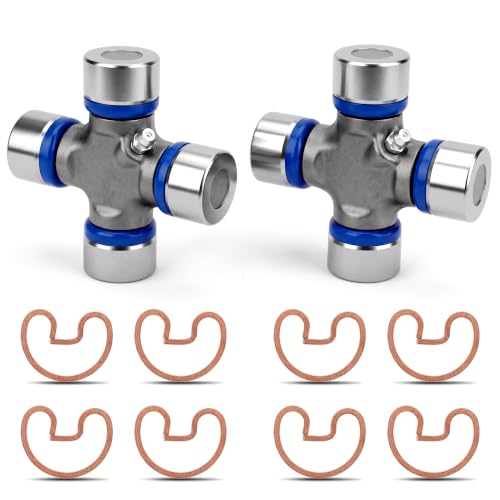
| Vibration at speed, clunk on throttle lift | Driveshaft, U-joints, or related mount work | 1 to 4 | $600-$4,500+ |
| Whine, fluid leak, vibration under load | Differential | 2 to 6 | $600-$4,500+ |
| Binding in turns, warning message, leak | Transfer case | 3 to 8 | $900-$3,500+ |
| AWD binding, leak, front-drive vibration | PTU | 3 to 8 | $900-$3,500+ |
| Slip, harsh shifts, no drive, transmission codes | Transmission-related drivetrain job | 6 to 12+ | $3,000-$8,000+ |
Use the table this way: if the symptom points to one axle or one bearing, the quote should stay near the bottom of the range. If the shop is talking about a transfer case, PTU, or transmission, expect more labor and a higher parts bill.
Which parts fail most often?
The most common driveline failures are usually the ones that expose moving parts to wear, heat, or contaminated fluid. CV axles, driveshafts, differentials, transfer cases, PTUs, and wheel bearings show up often because they handle load and motion every time the vehicle moves.
CV axle jobs and common signs
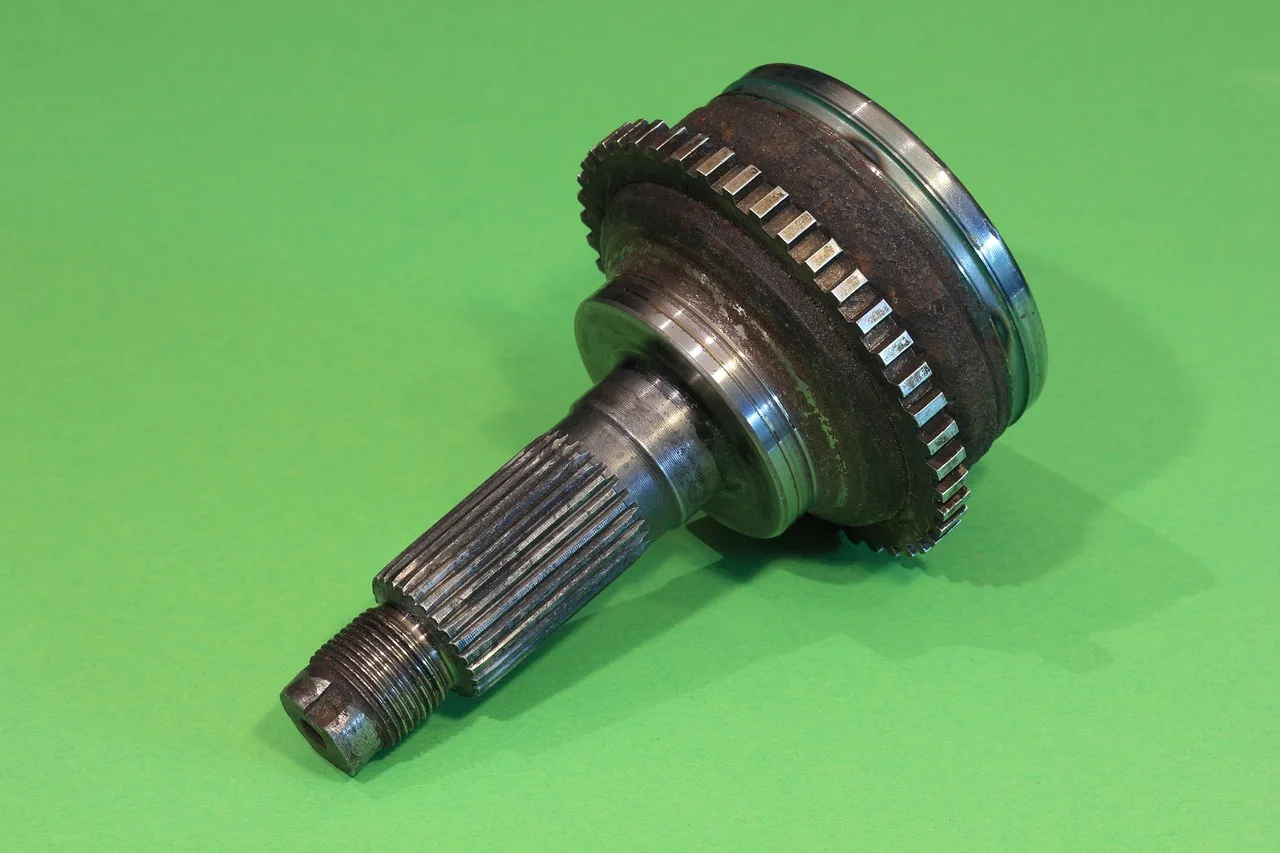
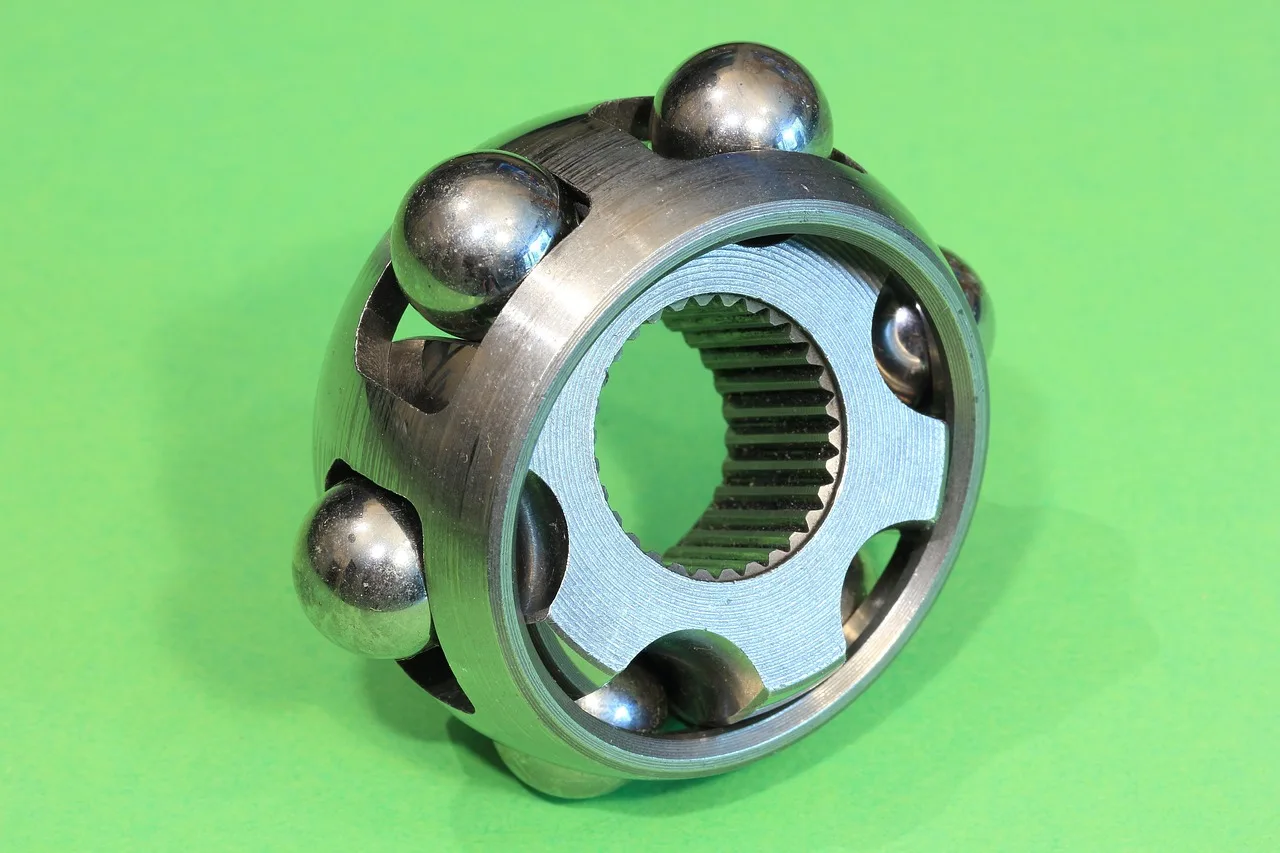
A CV axle replacement usually lands around $450-$1,600. Clicking while turning is the classic clue, especially if the outer boot is torn and grease has been thrown around the wheel area. Once the joint wears enough, the noise can become a shudder on acceleration.
Say your compact front-wheel-drive sedan starts clicking only on tight left turns. If the outer boot is split and the grease has escaped, a shop may quote a CV axle rather than a full drivetrain job. That is the difference between a targeted repair and a much larger bill.
Driveshaft symptoms and related repairs
A driveshaft problem often shows up as vibration, clunking, or a shudder that changes with speed or load. The repair may be billed with a differential or mount job if the failing part is not isolated. That is why a driveshaft line item can move around on the estimate.
Some trucks and SUVs use long shafts, center supports, and multiple U-joints. More hardware means more possible wear points, and more time under the vehicle.
Differential, transfer case, and PTU failures
Differential repair or replacement often falls in the $600-$4,500+ bucket, and the higher end is common on AWD and luxury vehicles. Whine, vibration, and fluid leaks are the signs most people notice first. If the gears or bearings are damaged, the price climbs fast.
Transfer case and PTU repairs usually plan at $900-$3,500+ each. Common symptoms include leaks, binding in turns, and warning messages. On AWD vehicles, the transfer case and PTU are often inspected with the differential because one symptom can involve more than one unit.
Why does AWD cost more?
AWD raises the bill because it adds extra shafts, couplers, and calibration work. It also adds more parts that can fail together. Compared with FWD or RWD, the labor path is usually longer, and the diagnosis can be messier when the system reacts to tire size differences or uneven wear.
Extra hardware and calibration steps
An AWD system can require more disassembly to reach the failed part. Exhaust sections, crossmembers, subframes, and extra shafts may need to come down first. That adds labor time, and labor is where many drivetrain quotes move upward.
Mismatched tires can also complicate diagnosis. If tire sizes or tread depth are off, the AWD system may bind or set warnings even when the main component is not fully failed. A good quote should note that before any major repair is approved.
Why labor time climbs on AWD and 4WD
Transmission labor is often estimated at 6 to 12 hours, and AWD can push jobs toward the higher end because access is tighter. For independent-shop transmission work, labor commonly runs about $110-$150 per hour. A few extra hours matter quickly when the job already includes a major assembly.
Repair or replace the drivetrain?
A single-component repair is cheaper when the failure is isolated to one part, such as a CV axle, a U-joint, or a leaking seal. Replacement makes more sense when internal wear is spread through the assembly, when the shop cannot reasonably rebuild the damaged unit, or when labor would approach the cost of a remanufactured part.
Used parts are cheaper, but they are riskier than rebuilt or remanufactured units. They can be a reasonable budget move on older vehicles, yet the lower price can disappear if the part fails early and the labor has to be paid again.
Used, rebuilt, remanufactured, and new parts
A remanufactured transmission installed at an independent shop typically costs $3,000 to $5,000. A used transmission can cost as little as $1,200 installed. A new OEM transmission from the dealer often runs $5,000 to $8,000 or more.
That spread explains why a quote can look cheap at first and expensive a day later. The lowest number may use a used unit, while the highest may include dealer parts, longer labor, and warranty coverage that matches the vehicle value.
Suppose an AWD crossover has a fluid leak, a binding feel in parking-lot turns, and a warning light. If the shop finds both a PTU issue and damaged differential fluid, the estimate can move from a repair into a replacement conversation. That is not overpricing; it is the cost of finding the actual failed component.
What drives labor and diagnosis costs
Labor changes with access, packaging, and the number of related parts that must come off before the failed component can be reached. Diagnosis on drivetrain estimates is commonly $120-$220, and that fee may or may not be credited toward the repair. Ask before you approve the inspection.
Shop rate and regional pricing
Independent-shop labor rates vary by region and shop type, and transmission work commonly sits about $110-$150 per hour. A small axle job and a full transmission swap can be priced from the same rate sheet but produce very different totals because the labor time is so different.
What diagnosis should cover
A proper diagnosis should identify the failed component, confirm whether the issue is isolated, and note any related damage. It should also say whether the estimate includes seals, mounts, fluids, software updates, and alignment. If the quote skips those items, the final bill can rise later.
- Confirm the diagnosis fee and whether it applies to the repair.
- Check whether the quote is for one part or a full assembly.
- Look for labor hours, not just a lump-sum price.
- Ask what parts type is being used: new, used, rebuilt, or remanufactured.
- Check warranty length and what it excludes.
- Ask about core charges, seals, fluids, mounts, and alignment.
Added labor from subframes, exhaust, and seals
Some AWD and 4WD jobs require subframe or exhaust removal, and that is where the quote climbs. Seal replacement, fluid service, and reassembly checks also add labor. A drivetrain quote that ignores those steps is not complete enough to compare.
Frequently asked questions
How much does a new drivetrain cost?
There is no single number for a new drivetrain because shops do not replace every component at once unless the damage is severe. For planning, a drivetrain repair can start around $450 and move past $4,500 when the job involves a differential, transfer case, or transmission rather than one small part.
How much does a car drivetrain cost to replace?
If you mean a major drivetrain assembly, the cost often depends on whether the shop is replacing a transmission, differential, transfer case, or PTU.
How much does drivetrain repair cost?
Small repairs like a CV axle or sensor are much cheaper than a differential, transfer case, or transmission job, so the failed component matters more than the generic term.
What parts are included in a drivetrain repair estimate?
A good estimate should list the failed part, labor hours, labor rate, diagnosis fee, warranty terms, and any core charge. It should also say whether the quote includes related seals, mounts, fluids, and alignment. If the vehicle is AWD, it should note any extra shafts or calibration work.
Is it cheaper to repair or replace a drivetrain?
Repair is cheaper when one component has failed and the rest of the system is sound. Replacement makes more sense when internal damage is widespread or labor would nearly match the price of a remanufactured unit. The right answer depends on the failed part, not the headline quote.
How much does an AWD drivetrain cost versus FWD or RWD?
AWD usually costs more because it has more hardware and more labor steps. Extra shafts, couplers, and calibration can push the quote higher than a similar FWD or RWD repair. Mismatched tires can also distort diagnosis and add cost, which is why AWD quotes need more detail.
How much does transmission replacement add to drivetrain cost?
Transmission replacement is usually the biggest jump in a drivetrain estimate.
What should a drivetrain quote include?
It should include the diagnosis fee, the exact failed component, parts type, labor hours, warranty coverage, and any core charge. It should also mention related work such as fluid service, seals, mounts, and alignment. Without those details, you cannot compare two quotes on equal terms.
How much does a car engine cost to replace?
Engine replacement is a different quote category from drivetrain work, and the two should not be compared as if they were the same repair. Engine replacement often costs more than a small driveline fix because the job includes a larger assembly, more labor, and more related systems.
How much does a car engine cost?
An engine price depends on whether you are looking at a used, rebuilt, remanufactured, or new unit, plus installation. That is why the engine question should be quoted separately from drivetrain repair. If the vehicle has driveline symptoms, ask the shop to identify the actual failed component first.
Products related to this article
Sponsored / affiliate links. As an Amazon Associate I earn from qualifying purchases. I may earn additional commission from eligible campaigns.