Do Cops Target Certain Cars? Essential Facts
Do cops target certain cars? While no vehicle type is officially targeted, drivers of older cars, modified vehicles, those violating minor traffic laws, or those matching specific BOLO alerts might experience more stops. A clean record and compliance often mean fewer encounters.
It’s a nagging thought that pops into every driver’s head: “Was I pulled over because of my car?” Many drivers feel that certain vehicles—maybe older models, specific colors, or heavily customized rides—get noticed by law enforcement more often. This feeling is completely valid, especially when traffic stops feel random or unfair.
As your trusted automotive guide, I want to clear up the confusion. We’ll look at the facts, not just the rumors, about why certain vehicles might attract attention from the police. Understanding these factors can help you drive with more confidence and less worry. Let’s break down what truly influences a traffic stop, making automotive knowledge practical and easy to handle. Next, we’ll explore the real reasons officers might look closer at your vehicle.
Why Do Some Drivers Feel Targeted? The Psychology of the Stop
Feeling like you’re being singled out is stressful. When you drive a car that stands out, whether it’s very old, very new, or heavily modified, it’s easy to connect that uniqueness to getting pulled over. This feeling often stems from understandable frustration with traffic enforcement.
However, police stops are generally based on observable facts and established procedures, not just the make or model of the car itself. If you drive a vehicle that deviates from the standard, you might simply be more visible to an officer looking for any reason to check compliance.
What truly draws an officer’s eye?
- Visibility: A car that breaks the standard silhouette (too loud, too bright, too rusty) catches the eye first.
- Compliance: Most stops start with a minor infraction, regardless of who is driving.
- Data and Alerts: Sometimes, the car might match a description related to an earlier report.
Fact Check: Is There an Official “Target List” for Cars?
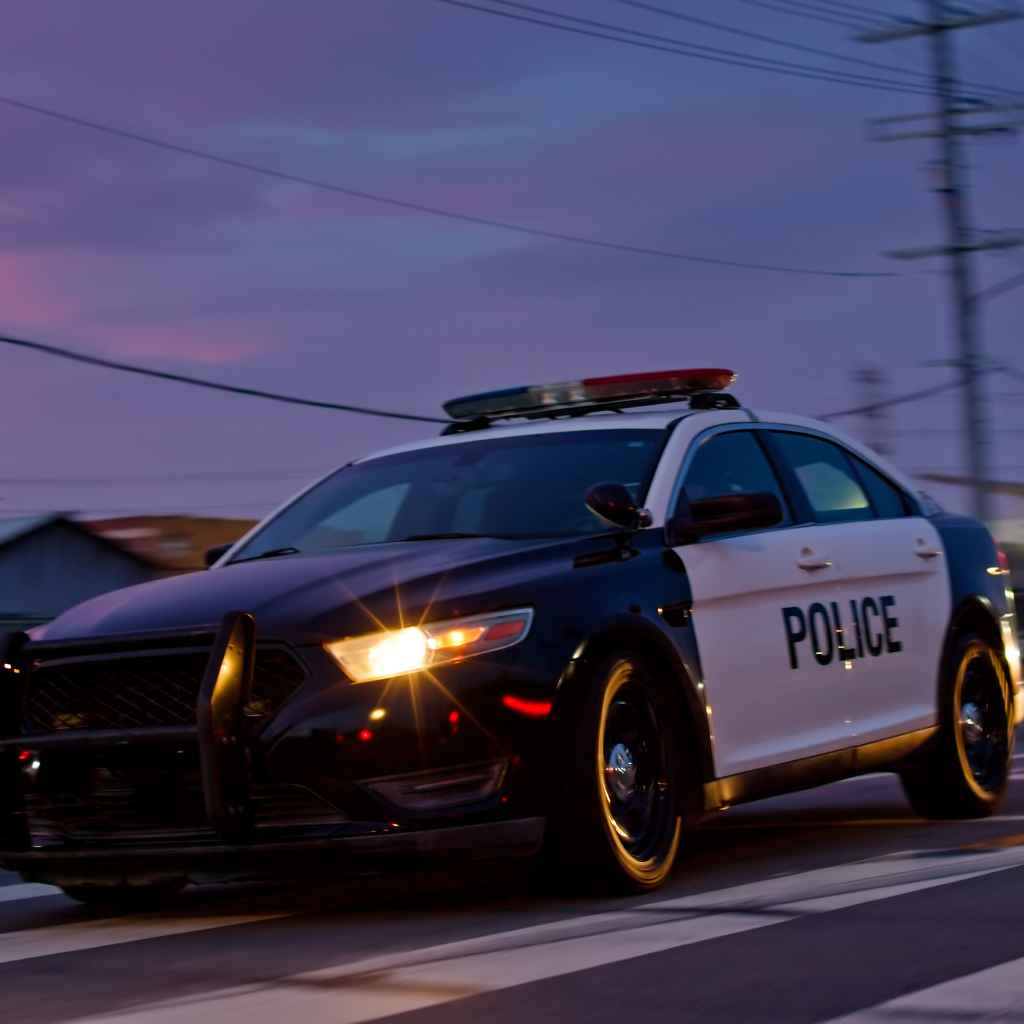
The short answer, firmly based on official guidelines and legal precedent, is no. Police departments do not generally maintain lists that say, “Pull over every [Year, Make, Model] produced.” Such blanket targeting based solely on vehicle identification would raise serious concerns about discriminatory policing.
Legal Standards for Traffic Stops
For an officer to legally stop your vehicle, they need what the court calls “reasonable suspicion.” This standard doesn’t require your car to be doing anything wrong, but it requires the officer to point to a specific, articulable fact that suggests a violation has occurred or is occurring.
According to rulings like those from the Fourth Amendment of the U.S. Constitution, stops must be based on specific observations.
What counts as reasonable suspicion?
- Observing a clear traffic violation (e.g., running a red light, speeding).
- Observing equipment violations (e.g., a broken taillight, expired registration tag).
- The vehicle matching a description related to a known crime or BOLO (Be On the Lookout) alert.
This means the focus is usually on what the car is doing, not what the car is.
The Real Factors That Make a Car Stand Out to Police
While there is no list targeting specific models, certain characteristics of a vehicle—often related to age, customization, or maintenance—can increase the likelihood of an officer noticing it during their patrol. These factors usually relate directly to compliance with safety and registration laws.
Factor 1: Vehicle Age and Condition (The “Clunker” Factor)
Older vehicles, especially those showing significant wear, naturally draw more attention because they are statistically more likely to have maintenance issues that violate safety codes.
Common Visual Flags on Older Cars:
- Broken or Dim Lights: A single burnt-out headlight or taillight is an instant, objective reason for a stop.
- Excessive Rust or Body Damage: Large areas of damage or rust that obscure license plates or are structurally unsound can be a visual cue.
- Mismatched or Missing Parts: Non-standard bumpers or missing hubcaps, while minor, break the uniformity police often scan for.
- Loud Exhaust: Older, failing mufflers often become excessively loud, violating noise ordinances.
Factor 2: Modifications and Customization
This is where many drivers of enthusiast or performance cars worry. Modifications aren’t inherently bad, but if they violate state vehicle codes, they become probable cause for a stop.
Modifications That Often Lead to Stops:
| Modification Type | Why it Draws Attention |
|---|---|
| Window Tinting (Too Dark) | Obstructs visibility into the car, violating safety laws, and is an easy, objective measurement for an officer. |
| Lift Kits or Lowering Kits | If the vehicle height significantly exceeds state maximums, it can affect handling and suspension visibility. |
| Aftermarket Lighting | Blue, red, or flashing lights (not white headlights or standard turn signals) often resemble emergency vehicle lights, causing immediate high alert. |
| Loud Exhaust Systems | Very loud or modified exhausts often quickly violate local noise ordinances. |
Factor 3: Registration and Paperwork Visibility
Nothing guarantees a stop faster than obvious registration issues. Officers spend a lot of time looking for vehicles that aren’t legally on the road.
If your registration tags are expired, covered, or the license plate frame is so large it hides the registration sticker, you are essentially inviting an officer to investigate further. Check the requirements for your state; many states have strict rules about license plate obstruction. For official requirements regarding vehicle registration, drivers can often check their state’s Department of Motor Vehicles (DMV) website.
Factor 4: Geographical Profiling and “Hot Spots”
Sometimes, it’s not your car, but where you are driving it. Police resources are often deployed based on crime data, accident history, and calls for service.
If you drive an older model Honda Civic through an area known for high rates of vehicle theft involving older Honda Civics, the aggregate data might make officers on patrol more attentive toward all Civics in that specific zone. This is statistical relevance, not targeted malice toward the car model itself.
Understanding BOLO Alerts: When Specific Cars Are Targeted
There is one definitive scenario where specific cars are targeted: when they match an active “Be On The Lookout” (BOLO) alert.
A BOLO is an internal communication system used by law enforcement to rapidly share descriptions of vehicles or suspects involved in a recent crime (like a robbery, assault, or even a missing person case).
When a BOLO is issued, officers are actively scanning for that specific description until the car is located or the alert is canceled.
What a BOLO Alert Includes:
- License Plate Number (most accurate)
- Make, Model, and Year
- Color
- Distinguishing Marks (e.g., bumper sticker, body damage, specific modifications)
If your car happens to match a BOLO description—even coincidentally—you will be stopped. The stop is legitimate because the officer has reasonable suspicion that the driver may be involved in the reported incident.
Tips to Reduce Unnecessary Police Attention (From an Automotive Perspective)
As an auto guide focused on practical advice, trust me: the easiest way to reduce your chances of an unnecessary stop is proactive vehicle upkeep and compliance. You can’t change where you drive, but you can control your car’s condition.
Step-by-Step Guide to Vehicle Compliance
Follow these steps to ensure your vehicle doesn’t give an officer an easy reason to pull you over:
1. Perfect Your Lighting System
Lighting is the number one safety check. Always ensure all required lights function correctly.
- Check Headlights: Ensure both high and low beams work.
- Check Taillights/Brake Lights: Have a friend step on the brake while you check both sides.
- Test Turn Signals: Verify that all four indicators flash amber or red correctly.
- Check License Plate Light: This must illuminate the rear plate clearly.
2. Maintain Registration Visibility
Don’t make the officer guess about your compliance status.
Ensure your rear license plate is clean, fully visible, and that your registration stickers are securely placed and clearly visible according to your state’s laws. Frames should never cover any part of the plate number or expiration stickers.
3. Review Modification Legality
If you’ve modified your car, check your local and state vehicle codes. Many states publish these codes online or through the Department of Transportation. For example, the National Highway Traffic Safety Administration (NHTSA) provides key safety standards that influence state laws on vehicle modifications.
- Tint Law Check: Find the legal Visible Light Transmission (VLT) percentage for your front side windows and rear windows in your state.
- Height and Suspension: Ensure your vehicle still meets minimum ground clearance specifications.
4. Address Noise Issues Immediately
If your exhaust sounds louder than normal, don’t wait. A loud exhaust is an easy infraction to prove and often leads to stops where officers might then look for secondary issues.
Targeting by Vehicle Type: A Deeper Dive into Stereotypes vs. Data
While departments deny targeting based on model, certain vehicle classes often appear disproportionately in traffic stop data compared to their percentage of vehicles on the road. Why? This often loops back to modifications, driver demographics, and visibility.
The “Modified Sport Compact” Stereotype
Cars like older Japanese sports coupes or heavily modified domestic muscle cars often get pulled over more often. This isn’t because the manufacturer is targeted, but because the typical owner of such a vehicle is statistically more likely to install aftermarket parts that push legal boundaries (like deep tints or loud exhausts).
Officers are trained to look for things that might be illegal. If 80% of modified exhausts they hear belong to a specific model, they will naturally notice more of that model.
The “Beater” Car Dilemma
Conversely, very old, high-mileage vehicles are monitored because they are statistically more likely to have expired tags, worn tires, or faulty lights. It’s a matter of probability based on maintenance levels associated with older vehicles.
Table: Visual Attractiveness vs. Compliance Risk
| Vehicle Profile | Why It Might Be Noticed | Risk of Stop (Inherent) |
|---|---|---|
| Brand New Luxury Car | High profile, expensive appearance; sometimes mistaken identity in high-end theft areas. | Low (Unless speeding) |
| Heavily Modified Tuner Car | Loud sounds, dark tint, non-standard appearance. High chance of compliance issues. | High |
| Older Economy Car (15+ Years) | Higher probability of visible maintenance issues (lights, rust, worn tires). | Medium |
| Standard Sedan (Average Age) | Blends into traffic; focus is almost entirely on active violations. | Low |
What to Do If You Believe You Are Being Unfairly Targeted
If you feel you are being stopped repeatedly without clear cause, moving forward requires calm and understanding of your rights. Remember, escalating the situation rarely helps during the initial stop.
During the Stop: Actions to Take
- Stay Calm and Compliant: Turn off your engine, roll down your window fully, place your hands where the officer can see them (like on the steering wheel), and keep your documents ready.
- Be Polite: Acknowledge the officer respectfully. “Good afternoon, Officer.”
- Ask the Reason: You have the right to know why you were stopped. Ask clearly, “Officer, may I ask the reason for this stop?”
- Do Not Volunteer Information: Only provide your license, registration, and proof of insurance. Do not engage in small talk that might lead to incriminating statements.
- Know Your Rights: You generally do not have to consent to a search of your person or vehicle unless the officer has probable cause or you grant permission. If the officer asks, politely state, “Officer, I do not consent to a search.”
For detailed information on citizen rights during traffic stops, reliable sources like the American Civil Liberties Union (ACLU) often provide state-specific guides.
After the Stop: Document and Review
If you are stopped frequently and genuinely suspect an issue that goes beyond normal enforcement:
- Document Everything: Write down the date, time, location, officer badge number (if visible), and the exact reason given for the stop.
- Check for Patterns: Track if the same officer or patrol unit is involved repeatedly.
- Seek Legal Counsel: If you believe stops are based on protected characteristics rather than traffic safety, consult with a local attorney about options for challenging enforcement patterns.
Common Misconceptions About Police Car Targeting
Let’s tackle some common myths drivers discuss at the gas station.
Myth 1: Certain Colors Get Targeted
While very rare colors (like an unusual, factory-rare shade) or extremely bright colors might stand out slightly more than beige or silver, there is no police directive targeting “red cars” or “black trucks.” An otherwise compliant car in any color should pass by unnoticed.
Myth 2: Expensive Cars Get Pulled Over More Often
This is partially true, but not because of targeting. Expensive cars are often driven faster or more aggressively because the driver feels less immediate financial concern about a ticket. They are stopped for speeding more often, not because of the badge on the hood.
Myth 3: Unmarked Cars Target Certain Models
Unmarked police vehicles often use intelligence gathered from recent crime reports. If a specific car model has been used in multiple recent property crimes in an area, unmarked units will focus on that model briefly until the series of crimes ends. Once the localized threat passes, the focus broadens again.
Practical Maintenance for Peace of Mind
Ultimately, driving with confidence means knowing your vehicle is 100% legitimate and safe. Confidence comes from preparation regarding your car’s mechanical state.
Take this proactive checklist:
| Maintenance Area | Action to Take | Why It Reduces Stops |
|---|---|---|
| Tires | Check tread depth (penny test) and ensure no visible bulges or bald spots. | Bald tires are a major safety violation that police actively look for. |
| Windshield/Windows | Clean the interior glass; ensure no cracks obstruct the driver’s view. | Cracked glass or dirty windshields are easy pretexts for a stop. |
| Exhaust System | Listen for rattling or excessive volume changes. Repair mufflers immediately. | Prevents noise ordinance violations. |
| Registration | Ensure tags are current and displayed correctly on the plate. | Eliminates the easiest reason for enforcement action. |
Frequently Asked Questions (FAQ) for Everyday Drivers
Q1: If my registration sticker is slightly crooked, can I be pulled over?
A: Yes. If the officer cannot clearly verify the expiration date or decal validity due to obstruction or incorrect placement, this provides reasonable suspicion for a stop to confirm compliance.
Q2: Do police really notice if my car has different colored headlights?
A: Absolutely. Most jurisdictions strictly require headlights to be white or amber and taillights to be red. Any deviation (blue, green, red flashing lights) is an immediate, high-priority reason for a stop because it can confuse other drivers.
Q3: Does the age of my car make it more likely to be pulled over than a new one?
A: Statistically, yes, older cars that haven’t been meticulously maintained might have more technical violations (like dimmed lights or minor rust issues), making them slightly more visible targets for compliance checks.
Q4: Can an officer stop me just because my car looks like one they saw on the news?
A: Yes, if the description strongly matches an active BOLO alert regarding a crime. The stop is based on the description matching the vehicle, not profiling the make or model in general.
Q5: Is there a database where police track “problem cars”?
A: Law enforcement uses NCIC (National Crime Information Center) databases to check for stolen vehicles, warrants, and active alerts. They do not maintain public “problem car” files based on vehicle makeup itself.
Q6: How often should I inspect my car for reasons an officer might stop me?
A: Check your lights, tires, and registration monthly. A quick walk-around before long trips ensures you haven’t developed a burned-out bulb or gained excessive road grime that obscures your plate.
Conclusion: Driving Smart Equals Driving Confident
The concern over whether cops target certain cars is understandable, but the facts point away from blanket targeting of specific models like the Ford Focus or the Toyota Camry.