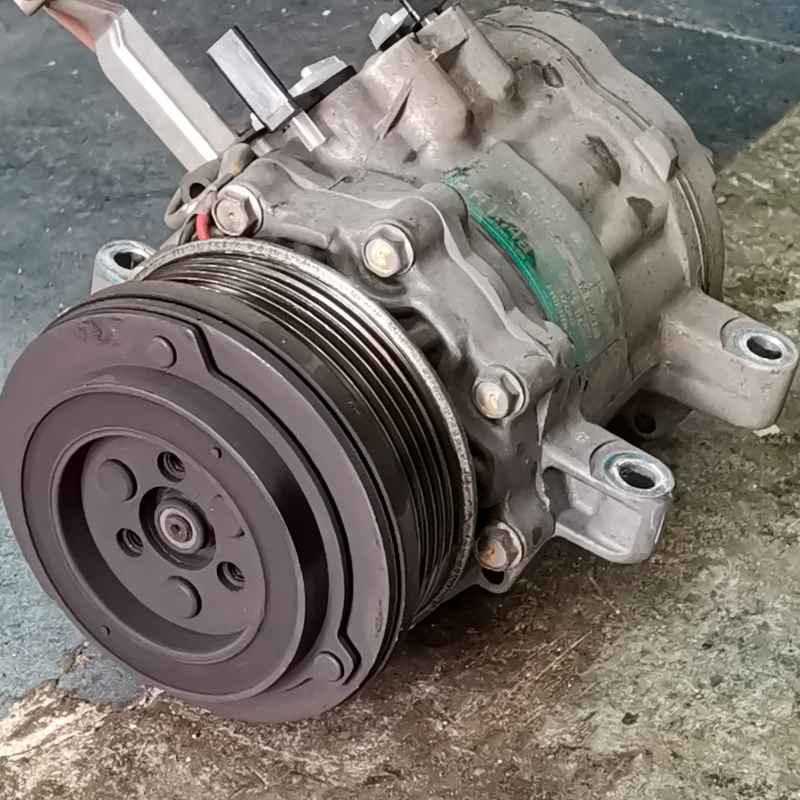
Does A Car Ac Compressor Need Oil? What You Should Know
It’s a question many drivers have when they hear strange noises or notice their car’s air conditioning isn’t as cold as it used to be. You might be wondering if something is wrong with the AC compressor, and if so, does it need oil like the engine? It’s a common point of confusion.
The truth is, your car’s AC compressor absolutely needs oil. It’s not a separate system that can just ignore lubrication. In fact, this oil is vital for keeping the whole AC system working smoothly and preventing costly damage.
Let’s dive into why this is so important and what you need to know.
The car AC compressor requires a special type of oil to function correctly. This oil circulates with the refrigerant to lubricate internal moving parts, preventing wear and overheating. Without the right amount and type of oil, the compressor can fail quickly, leading to expensive repairs.
The Crucial Role of Oil in Your AC Compressor
Think of the AC compressor as the heart of your car’s air conditioning system. It’s a pump that squeezes the refrigerant gas, increasing its pressure and temperature. This squeezing action is what allows your car to cool the air blowing into the cabin.
But like any mechanical pump with moving parts, it needs lubrication.
This isn’t just any old motor oil you put in your engine. AC compressor oil, also called refrigerant oil or PAG oil (polyalkylene glycol), is specifically designed to work with the refrigerant. It has a unique chemical makeup that allows it to mix with the refrigerant and flow throughout the entire AC system.
This means the oil doesn’t just stay inside the compressor; it travels with the refrigerant to all the other components, like the condenser and evaporator.
Why is this circulation so important? Several reasons:
- Lubrication: The primary job of the oil is to reduce friction between the moving parts inside the compressor. Metal parts rubbing against each other at high speeds create heat and wear. Oil creates a protective film that keeps these parts from grinding down.
- Cooling: As the oil circulates, it also helps carry away some of the heat generated by the compressor’s operation. This acts as a secondary cooling mechanism.
- Sealing: The oil can also help create a seal between moving parts, which is essential for maintaining the proper pressure needed to move the refrigerant effectively.
When the oil is low or the wrong type, these functions suffer. Friction increases, parts get hotter, and the compressor starts to work harder. Over time, this leads to reduced cooling performance and eventual failure.
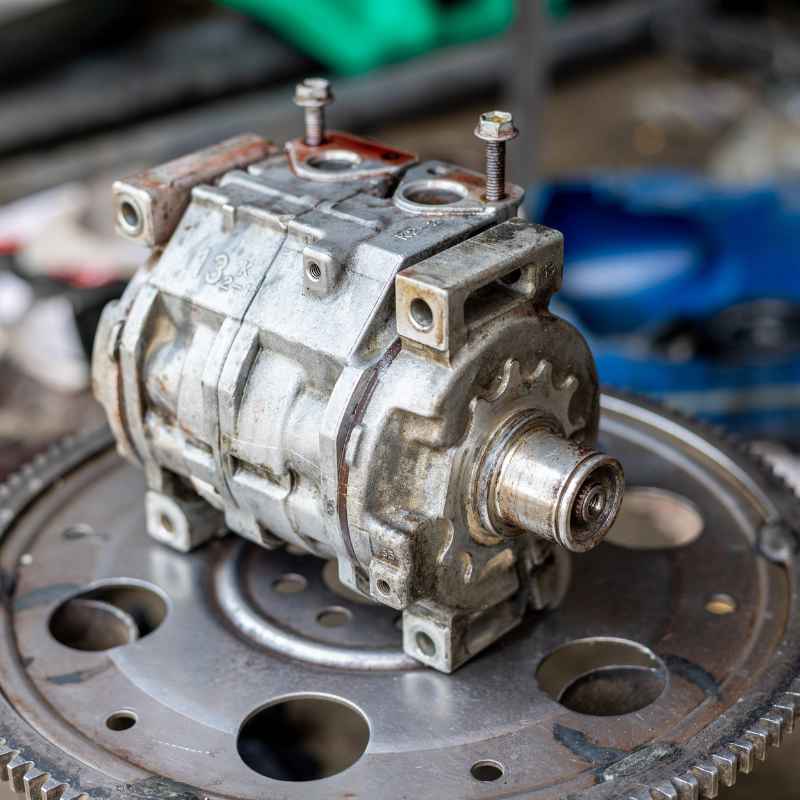
Why Different Oils for Different Systems?
You might wonder why there are different types of oils for car AC systems. This comes down to the type of refrigerant being used. For decades, the most common refrigerant was R-12.
Modern vehicles mostly use R-134a, and newer systems are transitioning to R-1234yf. Each refrigerant has different chemical properties.
PAG oils are the most common for R-134a systems. They are engineered to be miscible (mixable) with R-134a. However, the viscosity (thickness) of PAG oil can vary.
You’ll see numbers like PAG 46, PAG 100, or PAG 150. The correct viscosity depends on the specific vehicle’s AC system design.
For older R-12 systems, mineral oil was used. For the newer R-1234yf refrigerant, a different type of synthetic oil called POE (polyolester) is often used. POE oils are also designed to mix with R-1234yf and offer excellent stability and lubrication.
Using the wrong type of oil can be disastrous. For example, putting mineral oil in an R-134a system can lead to it not mixing properly, causing oil starvation in parts of the system. Conversely, using the wrong PAG viscosity might not provide adequate lubrication or could even hinder the system’s performance.
It’s always best to consult your vehicle’s repair manual or a qualified mechanic to know the exact type and amount of oil your AC system requires.
AC Oil: The Unsung Hero
Function: Lubricates compressor parts.
Benefit: Prevents wear and damage.
Also Does: Aids in cooling and sealing.
Key Point: Must be compatible with refrigerant.
How Does AC Compressor Oil Get Low or Lost?
This is a common question. If the compressor is sealed, how does the oil level change?
Here are the main ways oil can be lost from an AC system:
- Normal System Permeation: Over time, tiny amounts of refrigerant and oil can escape through the microscopic pores of rubber hoses and seals. This is a very slow process, and for most systems, it’s not a significant issue.
- Leaks: This is the most common cause of significant oil loss. If there’s a leak anywhere in the AC system – at a hose connection, a seal (like on the compressor shaft or O-rings), or a cracked component – refrigerant will escape, and with it, the oil.
- Component Replacement: When parts of the AC system are replaced, such as the compressor, condenser, or evaporator, oil is often lost during the process. Mechanics need to ensure the correct amount of oil is added back into the system when new components are installed or when the system is opened for service.
- Improper Servicing: If the AC system is serviced incorrectly, oil can be lost. For example, if a system is over-evacuated (too much vacuum applied during service), it can draw out oil. Or if oil is not added correctly during a recharge, it can lead to low levels.
I remember a time when a customer brought in their car because the AC wasn’t blowing cold. They’d recently had a new serpentine belt put on. The mechanic had done a great job with the belt, but during the process, they had to disconnect a few AC lines to get better access.
They reconnected them, but apparently, one of the O-rings wasn’t seated perfectly. Over the next few weeks, refrigerant and oil slowly leaked out. By the time the car got to me, the compressor was making a terrible grinding noise.
It turned out to be a classic case of oil starvation due to a slow leak.
The key takeaway here is that oil is part of a sealed system. If the system is breached, both refrigerant and oil are at risk of escape.
Signs Your AC Compressor Might Be Low on Oil
Detecting low oil levels can be tricky because the oil is mixed with the refrigerant. You won’t see a dipstick like you do for your engine oil. However, there are indirect signs that suggest your AC system might be low on lubrication, often pointing to an underlying leak.
Pay attention to these indicators:
- Reduced Cooling Performance: This is often the first symptom people notice. The air coming from the vents isn’t as cold as it used to be, especially on hot days. This happens because the compressor isn’t working as efficiently due to poor lubrication and increased friction.
- Strange Noises from the Compressor: A healthy AC compressor is relatively quiet. If you start hearing noises like grinding, rattling, squealing, or knocking coming from the AC compressor area when the AC is on, it’s a major red flag. These noises indicate metal-on-metal contact inside the compressor, a direct result of insufficient lubrication.
- AC Clutch Not Engaging: Sometimes, if the compressor is severely starved of oil and overheating, a safety switch might prevent the clutch from engaging. This means the compressor won’t spin at all, and you’ll get no AC.
- System Pressure Issues: A mechanic can measure the high and low-side pressures of the AC system with specialized gauges. If the pressures are abnormal (e.g., low on the low side and high on the high side, or vice-versa, depending on the fault), it can indicate a problem with the compressor’s ability to compress refrigerant, which can be due to lack of oil.
- Visible Leaks: Sometimes, you might see oily residue around AC connections or on the compressor itself. This oily residue is often mixed with dirt from the road, creating a black, greasy film. If you see this, it strongly suggests a refrigerant and oil leak.
I once worked on a car where the owner complained about weak AC. When I popped the hood, I immediately noticed a dark, greasy film all over the front of the AC compressor and the nearby hoses. It looked like an oil leak, but it was really refrigerant and oil that had escaped.
After a proper leak test, we found a tiny pinhole in one of the aluminum lines. It’s amazing how much damage a slow leak can cause over time.
Signs of Low AC Oil (and Likely Leak)
Reduced Cooling
Air not as cold as usual.
Strange Noises
Grinding, rattling, or squealing from compressor.
Pressure Problems
Abnormal readings on AC gauges.
Visible Residue
Oily, greasy film around AC components.
Can You Add Oil to a Car AC Compressor?
Yes, you can add oil to a car AC compressor. However, it’s not as simple as just pouring it in. You need to do it correctly to avoid damaging the system.
Here’s what you need to know:
- The Right Type of Oil: As discussed earlier, using the correct type of oil (PAG, POE, etc.) that is compatible with your refrigerant is crucial.
- The Right Amount: This is critical. Overfilling an AC system with oil can be just as damaging as underfilling it. Too much oil can cause the compressor to cavitate (act like it’s trying to compress liquid), leading to damage. It can also lead to poor cooling performance.
- How to Add It: The most common methods involve using a specialized AC oil injector tool. This tool allows a measured amount of oil to be injected into the system, usually either through the low-pressure service port or by adding it to a new component before installation. Some mechanics also add a small amount of oil directly into a new compressor before it’s installed.
It’s important to understand that if your AC compressor oil is low, there is almost certainly a leak in the system. Simply adding oil without finding and fixing the leak means the oil will just leak out again. The ideal scenario is to find the leak, repair it, and then correctly recharge the system with the proper amount of refrigerant and the correct type and amount of oil.
Many DIYers are tempted to just add a can of AC recharge with leak sealer and oil. While these products can sometimes work for very small, slow leaks, they can also cause problems down the road. Sealants can clog expansion valves or the orifice tube, and if the leak is significant, they won’t fix it.
For a robust and reliable repair, a professional diagnosis is usually best.
I’ve seen situations where people have added too much oil from a recharge can. The AC might work for a while, but then it starts blowing warm, and the compressor starts making odd noises. When we hook up the gauges, the pressures are way off.
It’s often because of over-oiling, which makes the compressor work much harder and less efficiently.
Adding AC Oil: Key Considerations
Compatibility
Use oil that matches your refrigerant (e.g., PAG for R-134a).
Quantity
Add only the specified amount. Overfilling is harmful.
Method
Use a specialized injector tool. Never just pour it in.
Leak Detection
Fixing the leak is the first step before adding oil.
What Happens If You Don’t Add Oil or Fix Leaks?
Ignoring a low oil situation in your car’s AC compressor is like ignoring a sputtering engine or a flat tire. It will only lead to bigger, more expensive problems down the road.
Here’s a breakdown of what can happen:
- Compressor Failure: This is the most common and costly outcome. Without proper lubrication, the internal moving parts of the compressor will overheat and wear down rapidly. This can lead to seizing, where the compressor locks up completely. When a compressor fails, it often sends metal debris throughout the entire AC system, contaminating it.
- Contamination of the System: If the compressor fails and sends metal shavings or debris through the AC lines, it contaminates the entire system. This means that even if you replace the failed compressor, you might need to replace other components like the condenser, evaporator, and expansion valve or orifice tube to remove the debris and prevent damage to the new compressor. This significantly increases repair costs.
- Reduced Cooling Efficiency: Even before a complete failure, reduced oil levels lead to increased friction and heat. The compressor has to work harder to perform its function, which results in less cold air blowing into your car.
- Damage to Other AC Components: The refrigerant carries the oil throughout the system. If there’s no oil, or not enough oil, other parts like the expansion valve or orifice tube can also experience increased wear or become clogged due to the lack of lubrication and potential buildup from overheating.
I had a case where a customer ignored the faint grinding noise from their AC for months. They just kept turning the AC off when it got too loud. Eventually, the compressor seized completely.
When we opened the system, it was full of black, gritty sludge – the remnants of the bearings and seals that had disintegrated. We had to replace the compressor, condenser, expansion valve, and flush the entire system. It ended up costing them over $2,000.
Had they addressed the early signs, it might have been a simple seal replacement or a minor oil top-up if it was caught very early, costing a fraction of that.
The lesson here is that the AC system is interconnected. The compressor’s health is tied to the oil, and the oil’s presence is tied to the integrity of the entire sealed system. Any breach means potential trouble for all parts.
Consequences of Ignoring AC Oil Issues
Compressor Seizure
The compressor can lock up and stop working.
System Contamination
Metal debris can ruin other AC parts.
Poor Cooling
Your AC won’t be able to cool the cabin effectively.
Higher Repair Costs
Ignoring small problems leads to big bills.
How to Check Your AC Compressor Oil (Professional Service Recommended)
As mentioned, there isn’t a dipstick for AC oil in your car. Checking the oil level requires specialized tools and knowledge. This is typically a job best left to a professional mechanic.
Here’s a general idea of how it’s done:
- System Evacuation: The AC system needs to be safely discharged and evacuated first. This involves recovering the refrigerant into a special recovery machine.
- Measuring Recovered Oil: The recovery machine often captures any oil that comes out with the refrigerant. Mechanics can measure this amount.
- Checking New Components: When installing a new compressor, technicians usually drain the oil from the new unit and measure it. They then add the exact specified amount of oil back into the new compressor.
- Using a UV Dye: Sometimes, a small amount of UV dye is added to the AC system. This dye mixes with the refrigerant and oil. If there’s a leak, the dye will escape and become visible under a UV light, helping to pinpoint the source of the leak and confirm where oil might have escaped.
- Consulting Service Manuals: Every vehicle manufacturer has specific guidelines for the type and amount of oil required for their AC systems. Professional technicians rely on these manuals.
A common mistake is assuming that if you’re just adding refrigerant, the oil level is fine. However, every time refrigerant escapes, some oil goes with it. A slow leak over a year or two can mean the oil level is significantly low, even if the system still holds some charge.
I remember a DIYer who decided to recharge their own AC. They bought a can of R-134a from the auto parts store. The can instructions said to connect it to the low-pressure port and add refrigerant until the gauge showed the right pressure.
They did this, and the AC worked a little better for a week. Then it stopped working completely. When they brought it to me, I found a bad leak at the compressor shaft seal.
Not only had they lost refrigerant and oil, but the constant cycle of adding refrigerant without addressing the leak likely stressed the compressor further.
The best approach is to have your AC system inspected if you notice any of the symptoms mentioned earlier. A mechanic can perform a pressure test, a leak test, and visually inspect components to determine the health of your system.
Professional AC Oil Check Steps
System Discharge
Refrigerant is safely recovered.
Oil Measurement
Oil from recovery machine is measured.
UV Dye Inspection
Helps locate leaks and oil escape points.
Service Manual Reference
Ensures correct oil type and quantity.
Maintenance Tips for Your Car’s AC System
Keeping your car’s AC system in good shape is more than just keeping cool on hot days. It’s about preventing costly repairs and ensuring the longevity of the system. Regular checks and simple habits can make a big difference.
Here are some tips:
- Run Your AC Regularly: Even in cooler months, run your AC for about 10-15 minutes every couple of weeks. This circulates the refrigerant and oil, keeping seals lubricated and preventing them from drying out.
- Get Annual AC Checks: Have your AC system inspected by a qualified technician at least once a year, preferably before the hot season. They can check refrigerant levels, pressures, and look for any signs of leaks or wear.
- Address Leaks Promptly: If you suspect an AC leak (oily residue, reduced cooling, strange noises), get it diagnosed and repaired immediately. The sooner you fix a leak, the less refrigerant and oil you lose, and the less chance of further damage.
- Use the Right Recharge Products (Cautiously): If you choose to recharge your AC yourself (and understand the risks), make sure the product is compatible with your refrigerant and includes the correct type of oil. However, professional service is always recommended for accuracy and safety.
- Keep the Condenser Clean: The condenser, usually located in front of the radiator, needs good airflow to dissipate heat. Periodically check for and remove debris like leaves, bugs, or grass from the condenser fins.
- Listen to Your Car: Pay attention to any new sounds, smells, or changes in performance. These are often the first clues that something is wrong.
I once had a customer who made it a habit to run their AC briefly during their car’s winter oil change. They said it seemed to make the system last longer. While I can’t definitively say it’s a magic bullet, it certainly helps keep the seals pliable.
It’s a simple habit that doesn’t hurt and could potentially help. The biggest thing I see is people waiting until their AC is completely dead to do anything about it. By then, the compressor is often already damaged.
Proper maintenance is key. It’s about proactive care rather than reactive fixes. Think of it like dental hygiene – regular brushing and check-ups prevent major problems later on.
AC Maintenance Made Easy
Regular Use
Run AC for 10-15 mins every few weeks, even in winter.
Annual Inspections
Schedule yearly AC checks with a trusted mechanic.
Prompt Leak Repair
Address any suspected leaks immediately.
Clean Condenser
Keep the front condenser clear of debris.
When Is Low AC Performance Normal?
It’s important to distinguish between a system that’s developing a problem and situations where AC performance might naturally be lower. Sometimes, what seems like an issue is just normal operation or external factors.
Here are a few scenarios:
- Extreme Heat: On exceptionally hot days (say, over 100°F), your car’s AC system is working at its absolute limit. It might struggle to bring the cabin temperature down as much as it does on milder days, even if it’s functioning perfectly. This is normal. The system is trying to overcome a massive heat load from the sun and ambient air.
- Initial Cool-Down Period: When you first turn on the AC in a very hot car, it takes time for the system to cool down the interior. The first few minutes might not feel as cold as when the cabin has had a chance to reach a stable temperature.
- Idle vs. Driving: Your AC system often cools more effectively when the vehicle is moving. This is because the vehicle’s speed forces more air through the condenser, helping it release heat more efficiently. When idling, there’s less airflow, and the system might not cool as strongly.
- System Design: Not all car AC systems are created equal. Some vehicles are designed with more powerful AC units than others. A smaller car or one with a more basic AC setup might not cool as aggressively as a larger luxury vehicle, even when both are working perfectly.
I recall a time when a client was worried because their AC wasn’t ice-cold on a 105°F day after sitting in the sun for hours. Their car was a compact model. I explained that for their specific vehicle and that extreme temperature, the system was performing as expected.
It was cooling, but it couldn’t overcome the massive amount of heat energy trying to get into the car. They were relieved to know it wasn’t a faulty compressor.
The key is to have a baseline. If your AC was once able to cool your car perfectly on a hot day, and now it struggles significantly, that’s when you should investigate. But if it’s always been just ‘okay’ on scorching days, it might be within its normal operating parameters.
When AC Performance is Normal
Extreme Heat
System works harder, cools less dramatically.
Initial Cool-Down
Takes time to bring down cabin temperature.
Vehicle Speed
Cooling is often better when driving than idling.
System Capacity
Different cars have different cooling strengths.
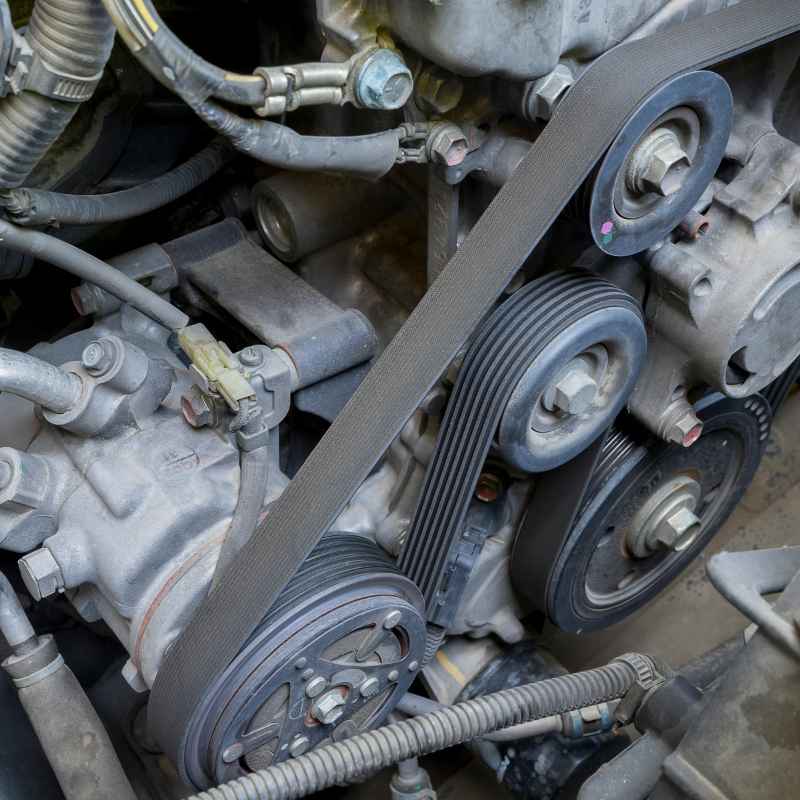
Frequently Asked Questions About AC Compressor Oil
Do I need to check my AC compressor oil level every time I get an oil change?
No, you do not need to check your AC compressor oil level every time you get an engine oil change. Unlike engine oil, AC compressor oil is part of a sealed system and doesn’t need to be checked as frequently. It’s usually checked during AC system servicing or if there are symptoms of AC problems.
Can I use a universal AC oil for my car?
While some products are marketed as “universal,” it’s best to use an AC oil that is specifically recommended for your car’s refrigerant type (e.g., R-134a or R-1234yf). Using the wrong type of oil can cause damage to the compressor and other AC components.
How much oil does a car AC compressor typically hold?
The amount of oil varies significantly by vehicle make and model. It can range from as little as 2 ounces to over 8 ounces. The exact amount is critical for proper system operation.
Always refer to your vehicle’s service manual or consult a professional.
What is the difference between PAG oil and POE oil?
PAG (polyalkylene glycol) oil is commonly used with R-134a refrigerant. POE (polyolester) oil is typically used with newer refrigerants like R-1234yf and some older R-12 systems. They have different chemical properties and are designed to be compatible with specific refrigerants.
My AC is working, but not as cold as it used to be. Is it likely low on oil?
Reduced cooling performance is a common symptom of low AC oil, but it can also be caused by other issues like low refrigerant levels, a dirty condenser, a failing blend door, or a weak compressor. Low oil is a strong possibility, especially if combined with strange noises, but a proper diagnosis is needed.
Can I just add refrigerant without worrying about the oil level?
Adding refrigerant without addressing oil levels or leaks can be risky. If there’s a leak, you’re losing both refrigerant and oil. If you only add refrigerant, you might temporarily restore some cooling, but the underlying issue of oil starvation or a leak remains, potentially leading to compressor damage.
Conclusion
So, to circle back to our main question: does a car AC compressor need oil? Absolutely, yes. It’s an indispensable part of the system’s function and longevity.
This specialized oil lubricates, cools, and helps seal the compressor, ensuring it can efficiently move refrigerant and keep your cabin comfortable.
Understanding that oil is circulating with the refrigerant is key. If you suspect issues with your car’s AC, such as reduced cooling or strange noises, it’s wise to have it checked by a professional. They can accurately diagnose the problem, find any leaks, and ensure the correct type and amount of oil is used.
Taking care of your AC system means taking care of its oil. It’s a small detail that has a huge impact on your comfort and your wallet.
Products related to this article
Sponsored / affiliate links. As an Amazon Associate I earn from qualifying purchases. I may earn additional commission from eligible campaigns.