Where Is The Alternator Located On A Car? Quick Answer
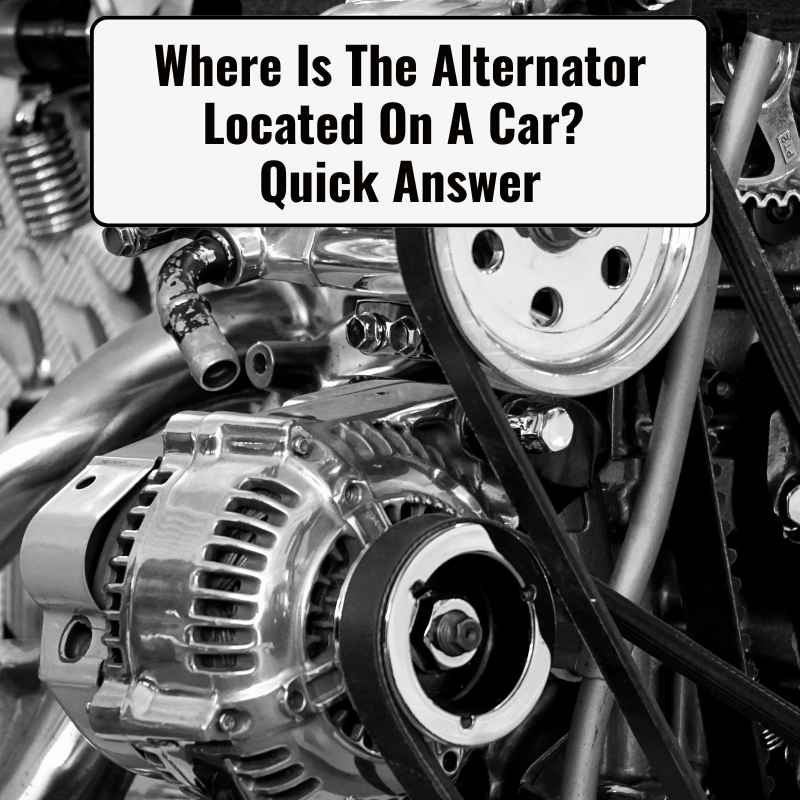
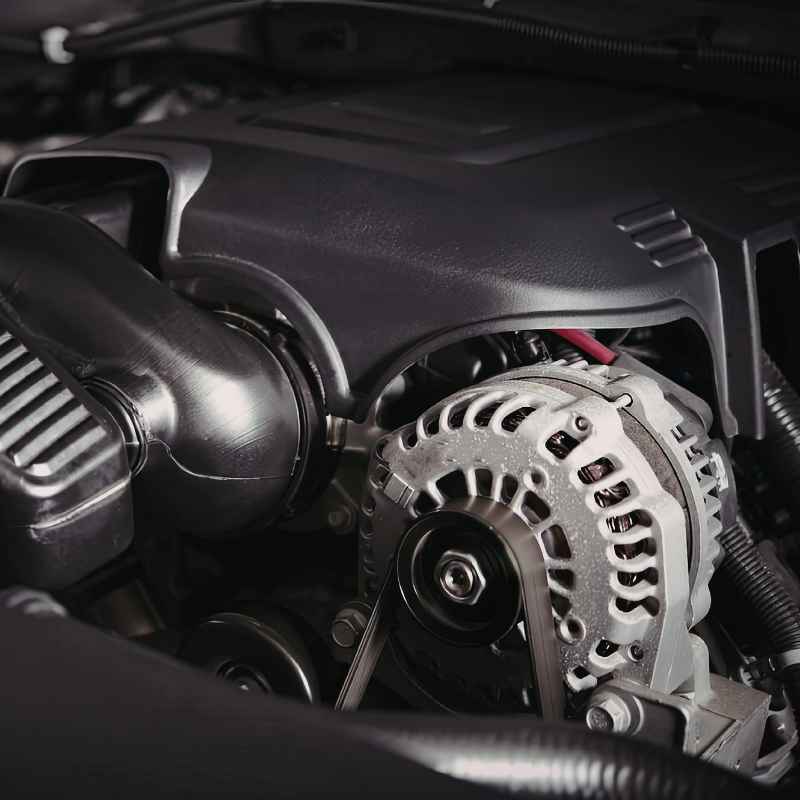
The alternator on most cars is typically found on the front of the engine, usually mounted on the side and driven by a belt from the crankshaft. It’s a round metal component with a pulley on the front.
Understanding Your Car’s Alternator: The Heartbeat of Your Electrical System
So, what exactly is an alternator? Think of it as your car’s personal power generator. While your battery gets the car started, it’s the alternator that keeps everything running once the engine is on.
It converts the mechanical energy from the engine’s rotation into electrical energy.
This electrical energy then powers everything that needs juice. That includes your headlights, the radio, the air conditioning fan, the power windows, and most importantly, it recharges your car’s battery. Without a working alternator, your battery would quickly drain, and your car would eventually stop running.
The alternator is crucial. It ensures a steady supply of power for all your car’s electrical needs. It’s a vital component for your car’s overall function and your safety on the road.
Many people think the battery powers everything, but that’s only true for a short time. The alternator is the true workhorse.
The alternator’s job is to keep the electrical system happy. It balances the power needs of your car. It works tirelessly whenever the engine is running.
This continuous charge keeps your battery healthy and ready for the next start. It’s a complex yet elegant system.
My Own Alternator Hunt: A Night to Remember (and Forget)
I remember one particularly rainy Tuesday evening. I was driving home from visiting my parents, about an hour away. Suddenly, my dashboard lights flickered.
Then, they went dark. A red battery-shaped light popped up, glowing ominously. My heart did a little flip.
I wasn’t near home, and it was getting dark.
Panic started to set in. I turned off the radio, the AC – anything to save power. I wasn’t sure what was happening, but I knew it was bad.
Was it the battery? The alternator? I had no idea where the alternator even was.
I pictured a giant, complex machine under the hood.
I pulled over as safely as I could. I popped the hood, peering into the greasy abyss. It looked like a jumble of wires and metal.
Nothing looked obviously broken. I didn’t have a clue where to start looking. The fear of being stranded in the rain, in the dark, was very real.
That night, I learned the importance of knowing your car’s basic parts.
It took a roadside assistance call and a tow to a local garage. The mechanic pointed out the alternator in about two seconds. It was a relatively small, round thing, not nearly as intimidating as I’d imagined.
He explained how it had failed and was no longer charging the battery. The lesson stuck with me. Knowing where these parts are saves a lot of worry.
That experience made me realize how little I knew about my own car. It felt embarrassing, honestly. But the mechanic was kind and showed me.
He said many people don’t know. It’s just part of the learning process. This is why I want to help you avoid that same feeling of helplessness.
Alternator Basics at a Glance
A car’s mini-generator.
Makes electricity from engine power.
Lights, radio, AC, and recharges the battery.
Only when the engine is running.
Finding Your Car’s Alternator: A Step-by-Step Guide
Locating your car’s alternator is usually a straightforward process. Most vehicles follow a similar design. You’ll need to open the hood and find the engine.
This is the metal box that houses all the moving parts.
Once the hood is up, look towards the front of the engine. This is the part facing the front of your car. You’ll see several belts wrapped around different pulleys.
The alternator is almost always driven by one of these belts. This belt is often called the serpentine belt or V-belt.
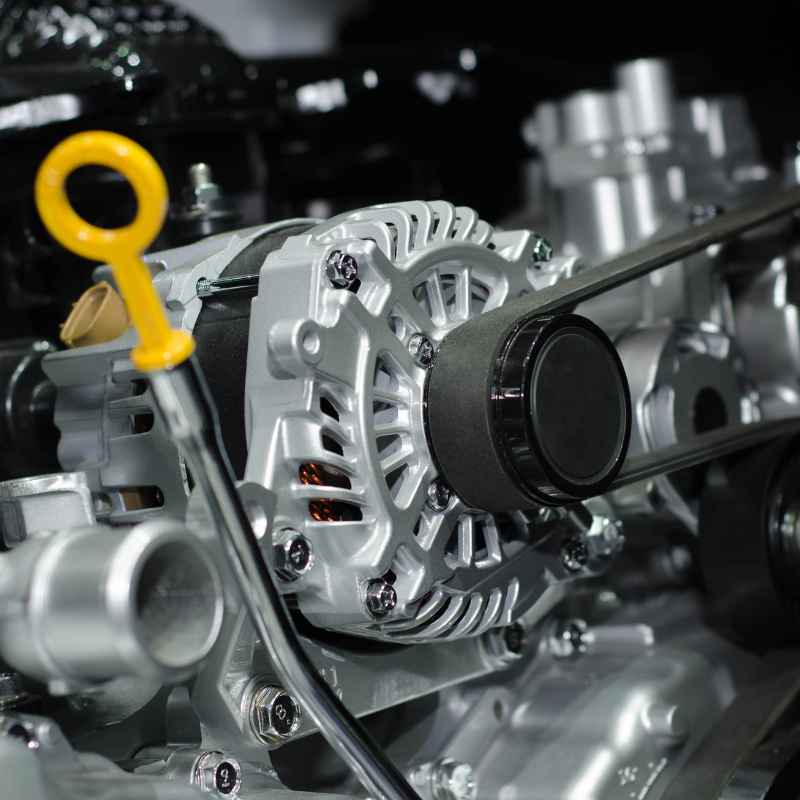
The alternator itself is usually a cylindrical or somewhat oval-shaped metal component. It’s not super large, often about the size of a large coffee mug or a small cantaloupe. It will have a pulley on its front end.
This pulley is where the belt connects and spins the alternator.
Pay attention to the side of the engine block. The alternator is typically bolted onto the engine. You might see some wires connected to the back or side of it.
These are its electrical connections. Don’t confuse it with the power steering pump or the air conditioning compressor, which are also belt-driven.
If you’re having trouble, looking up a diagram for your specific car model online can be a lifesaver. Search for ” engine diagram” or ” alternator location.” Pictures and videos are super helpful for visual learners!
Think of it like a belt-driven fan in your home, but instead of moving air, it’s generating power. The spinning motion is key. The belt is the direct link from the engine’s power to the alternator’s job.
The alternator will often have cooling fins or vents on its housing. This is to help dissipate the heat it generates. It’s working hard, so it needs to stay cool.
This is another visual cue to look for.
Also, notice the wiring. There will typically be a main connection point and possibly a smaller wire. These are its lifeline to the car’s electrical system.
They carry the power it creates.
The size and exact placement can vary a bit between car manufacturers and models. But the core concept of it being a belt-driven, power-generating unit on the front of the engine remains constant for most gasoline-powered cars.
Common Alternator Locations by Car Type
While the general area is usually the same, a few things can affect the exact spot. Understanding these nuances can help you find it faster.
Car Type Variations
Front-Wheel Drive (FWD) Cars: In many FWD cars, the engine is mounted sideways. The alternator is often found on the side of the engine that’s more accessible from the front of the vehicle. It’s usually low down, near the radiator.
Rear-Wheel Drive (RWD) Cars: In RWD vehicles, the engine is typically mounted front-to-back. The alternator is often located on the top or side of the engine, sometimes closer to the firewall (the part separating the engine from the cabin).
Trucks and SUVs: These often have larger engines and more space under the hood. The alternator might be in a similar location to cars, but sometimes it’s mounted slightly higher or in a more protected spot.
Hybrid and Electric Vehicles: These are a bit different. While they might have a small alternator for specific systems, the primary power source is the battery and electric motor. The concept of a traditional alternator is less central.
It’s always best to consult your car’s owner’s manual. It will have a diagram of the engine bay. This is your most reliable source for specific information about your vehicle.
Sometimes, other components can be right next to it. This can make it tricky to identify. For instance, the power steering pump or the AC compressor might be nearby and also belt-driven.
However, the alternator is the one directly connected to generating electricity for the car’s systems.
Look for the drive belt. This is your biggest clue. If you see a belt looping around a pulley on a component, that component is almost certainly driven by the engine.
Now, you just need to figure out which of those components is the alternator.
The alternator’s pulley usually looks a bit different from others. It might have grooves that match the belt precisely. It’s designed to spin at high speeds.
Its primary purpose is to generate that electrical current.
Think about the noise. A bad alternator often makes a whining or grinding noise that changes with engine speed. This sound is coming from the spinning pulley and internal parts.
This is a clue to its location.
What Your Alternator Does: More Than Just Charging
We’ve touched on it, but let’s dive a little deeper into the alternator’s actual function. It’s not just a simple battery charger. It’s a sophisticated piece of engineering.
The alternator is a type of AC (alternating current) generator. However, your car’s electrical system needs DC (direct current). So, inside the alternator, there are components called diodes that act like one-way gates for electricity.
They convert the AC into DC.
This DC power is then regulated. A voltage regulator ensures the alternator doesn’t produce too much or too little power. Too much power could fry your car’s electronics.
Too little power means the battery won’t charge properly, and systems will start to fail.
The alternator’s output varies with engine speed. At idle, it might produce around 13.5 volts. When you rev the engine, it can produce up to 14.5 volts or more.
The regulator keeps this within the safe range for your car’s battery and electrical components.
Consider the demands placed on it. When you turn on your headlights, wipers, radio, and heater all at once, the alternator has to work much harder. It adjusts its output to meet these higher demands.
It’s constantly adapting.
It’s essentially a self-contained power plant for your car. It takes mechanical input and turns it into precisely controlled electrical output. This is what allows your car to function reliably, day after day.
The lifespan of an alternator can vary. It depends on driving conditions, the quality of the part, and regular maintenance. But they don’t last forever.
Over time, the internal components wear out.
The belt that drives it also wears out. A worn or slipping belt means the alternator can’t spin fast enough to generate power. So, checking the condition of the drive belt is also important for alternator health.
Signs Your Alternator Might Be Failing
Sometimes, your car will give you clues that the alternator is on its way out. Recognizing these signs can save you from a breakdown.
Warning Signs Checklist
Dim or Flickering Lights: This is a classic sign. If your headlights, dashboard lights, or interior lights dim when you accelerate or turn on other accessories (like the AC), the alternator might be struggling to keep up.
Screeching or Whining Noise: Often, a failing alternator will make a high-pitched whining or screeching sound. This noise usually gets louder or changes pitch with engine speed. It could be worn bearings inside the alternator.
The Battery Warning Light: This is the most direct indicator. A red battery-shaped light on your dashboard means there’s an issue with the charging system. It could be the battery itself, but often it points to the alternator.
Dead Battery: If your car battery dies repeatedly, and you’ve had it tested and it’s good, the alternator is the likely culprit. The alternator is supposed to recharge the battery, so if it’s not doing its job, the battery will eventually be drained.
Electrical System Malfunctions: Power windows acting slow, the radio cutting out, or other strange electrical behavior can sometimes be linked to a weak alternator that isn’t providing consistent power.
Smell of Burning Rubber or Wires: If the alternator is working too hard or has an electrical short, it can overheat. This might produce a burning smell. This is a serious sign that needs immediate attention.
It’s important to note that a dead battery can also be the cause of these symptoms. That’s why testing the battery first is often recommended. However, if the battery is proven good, the focus shifts to the alternator and the charging system.
The battery warning light is designed to alert you. It means the voltage being supplied to the battery is too low. This could be because the alternator isn’t producing enough power.
Or, it could be a problem with the voltage regulator within the alternator.
Sometimes, the alternator starts to fail gradually. You might notice the issues only when your car is under a heavy electrical load, like at night with the headlights, wipers, and heater all on. This is when the alternator is really being pushed to its limits.
Don’t ignore these signs. A failing alternator can leave you stranded. It can also, in rare cases, cause damage to other electrical components in your car if it’s producing erratic voltage.
Think of it like a human heart. If it’s not pumping blood efficiently, other organs start to suffer. The alternator is the heart of your car’s electrical system.
What to Do if You Suspect Your Alternator is Failing
If you’re experiencing any of the signs above, it’s time to get your car checked. The safest bet is to take it to a trusted mechanic. They have the tools and expertise to diagnose the problem accurately.
They can perform a voltage test. This test checks how much voltage the alternator is producing while the engine is running. They can also check the alternator’s output under load, meaning when accessories are turned on.
If you’re a bit handy and want to do a quick check yourself (with caution!), you can try listening for unusual noises. Pop the hood while the engine is running and listen carefully around the front of the engine where the belts are. Any grinding or whining is a red flag.
You can also sometimes see if the belt is wobbling or looks damaged. A worn belt won’t turn the alternator pulley effectively. This is a visual inspection you can do easily.
If you think it might be the alternator, avoid driving long distances if possible. The car is running solely on battery power, and that will eventually run out. If you notice the lights dimming significantly or the battery light staying on, find a safe place to pull over.
A mechanic can test the entire charging system. This includes the battery, the alternator, and the voltage regulator. This ensures they pinpoint the exact source of the problem, preventing unnecessary repairs.
Replacing an alternator is a common repair. While it can be a bit pricey, it’s usually much cheaper than the damage a completely failed charging system can cause to other parts of your car’s electronics.
Remember that safety comes first. If you’re unsure, it’s always better to call for professional help than to risk further damage or getting stranded.
The Alternator in Different Vehicle Types
While we’ve focused on typical cars, it’s worth briefly mentioning how alternators appear in other vehicles. The core function remains the same, but the size and placement can change.
Alternators Beyond Cars
Heavy-Duty Trucks: These often have larger, more powerful alternators. The engines are bigger, and there are more systems to power (like extra lights, air brakes, and complex electronics). You’ll find them mounted on the side of the massive diesel engines.
Motorcycles: Motorcycles also have alternators, but they are usually much smaller. They are often located under a cover on the side of the engine. Because motorcycles have fewer electrical demands, their alternators are less robust.
Boats: Marine engines use alternators too. They are designed to withstand a marine environment (moisture, salt). They function the same way: generating power for the boat’s electrical systems and charging the battery.
Generators: While not “in” a vehicle, portable generators often contain an alternator (or a similar AC generator) to produce electricity. The principle is the same – converting mechanical power into electrical power.
The principle of using a belt to spin a rotor within a stator to generate current is a fundamental concept in electrical engineering. It’s adapted across many applications.
Even in electric vehicles, which rely primarily on batteries and motors, there might be smaller components that function similarly to an alternator for auxiliary systems. However, the main drivetrain power doesn’t come from a combustion engine driving an alternator.
Understanding this helps appreciate the versatility of this technology. It’s a core component that keeps our modern lives powered, whether on the road, on the water, or at home.
Preventative Care: Making Your Alternator Last
Can you do anything to help your alternator live a long and healthy life? Yes, some simple steps can make a difference.
Regular Belt Inspection: The drive belt is crucial. Have it checked during regular maintenance. A cracked, frayed, or loose belt needs replacement.
A properly tensioned belt ensures the alternator spins at the right speed.
Keep the Engine Clean: While not directly related, a clean engine bay is easier to inspect. It also means less grit and grime can get into moving parts like the alternator’s bearings.
Address Electrical Issues Promptly: If you notice dimming lights or other electrical oddities, don’t wait. Getting it checked out early can prevent the alternator from being overworked.
Avoid Deep Water: If you have to drive through flooded areas, be extremely cautious. Submerging the alternator can cause significant damage to its internal components and bearings.
Don’t Overload the System Unnecessarily: While alternators are designed to handle normal loads, constantly running every accessory at full blast for extended periods can put extra strain on it. This is more of a minor factor but still worth considering.
The most impactful preventative measure is ensuring the drive belt is in good condition. This belt is the lifeline for the alternator’s power source.
Think of it like an oil change for your engine. Regular maintenance of related components helps everything run smoothly. The belt is a key related component.
If you ever hear a squealing noise when you start your car, especially in damp weather, it could be a sign of a slipping belt. This needs attention.
Paying attention to your car’s sounds and warning lights is the best preventative strategy. These are your car’s ways of talking to you.
Frequently Asked Questions About Alternator Location
Where is the alternator usually located in a 2010 Honda Civic?
In a 2010 Honda Civic, the alternator is typically found on the front of the engine. It’s driven by the serpentine belt. You’ll usually see it mounted on the passenger side of the engine compartment, towards the front of the vehicle.
Can I find the alternator without opening the hood?
No, you generally need to open the hood to locate the alternator. It is an internal engine component. While you might see some external signs if it’s failing, like dashboard lights, the physical part is under the hood.
What’s the difference between an alternator and a generator in a car?
Modern cars use alternators. Older cars sometimes used generators. Both create electricity.
Alternators are more efficient and produce power at lower engine speeds. They also produce AC current, which is converted to DC inside the unit for the car’s systems. Generators produce DC directly but are heavier and less efficient.
How do I know if it’s the alternator or the battery that’s bad?
A common test is to start your car. Then, carefully disconnect the negative terminal of the battery. If the engine keeps running, the alternator is likely working.
If it dies immediately, the alternator is probably not charging the battery. However, this test can sometimes be risky, so it’s best left to professionals.
What happens if my alternator fails while driving?
If your alternator fails while driving, your car will run solely on battery power. This means all electrical systems will start to drain the battery. You’ll likely see warning lights appear on your dashboard.
Eventually, the battery will run out of power, and the engine will stop running. It’s best to pull over safely as soon as you notice symptoms.
Is replacing an alternator an expensive repair?
The cost of replacing an alternator can vary widely depending on the make and model of your car, the brand of the replacement part, and labor rates in your area. Generally, it can range from a few hundred dollars to over a thousand dollars. It’s a significant repair but often necessary to keep your car running.
Final Thoughts on Your Car’s Powerhouse
Finding your car’s alternator might seem daunting at first, but with a little guidance, it’s quite manageable. It’s a fundamental part of your vehicle’s electrical system. Knowing its location and function can empower you.
Remember, this component is vital for keeping everything running smoothly and safely. Keep an ear out for strange noises and an eye on your dashboard for warning lights. Regular check-ups can help catch issues before they leave you stranded.
Products related to this article
Sponsored / affiliate links. As an Amazon Associate I earn from qualifying purchases. I may earn additional commission from eligible campaigns.