Does Charging a Car Battery Overnight Damage It
Many car owners wonder, Does Charging a Car Battery Overnight Damage It? This question pops up often, especially for those new to car care. It’s easy to feel confused by all the advice out there. Some say it’s fine, while others warn against it.
We’re here to clear things up. We’ll walk you through everything step-by-step so you know exactly what to do to keep your car battery healthy. Read on to find out how to charge your car battery the right way.
Understanding Car Battery Charging
This section explains the basics of how car batteries are charged and why people often worry about charging them for too long. We’ll look at how different charging methods work and what happens inside the battery as it gets power. This will help set the stage for understanding potential issues and how to avoid them.
We’ll cover the fundamental science in a simple way.
How Car Batteries Work
A car battery is a lead-acid battery. It stores electrical energy and provides it to start the engine. It also powers the car’s electronics when the engine isn’t running.
The battery has positive and negative plates submerged in an electrolyte solution, usually sulfuric acid and water. When you start your car, a chemical reaction occurs, releasing electricity.
The alternator in your car recharges the battery as you drive. When the battery’s charge gets low, you might use a battery charger. These chargers supply electricity to reverse the chemical reaction, storing energy back in the battery.
It’s like refilling a tank. Modern chargers have smart features to prevent overcharging, but older ones might not.
The Role of the Alternator
Your car’s alternator is the primary way the battery gets charged during normal driving. It’s a small generator driven by the engine’s belt. As the engine turns, the alternator produces electricity.
This electricity powers your car’s electrical systems and also sends a charge to the battery. It acts like a constant trickle charge while the engine is on.
The alternator adjusts the amount of charge it provides based on the battery’s needs and the car’s electrical demands. If you’re running many accessories like the headlights, radio, and air conditioning, the alternator works harder. It’s designed to keep the battery at an optimal charge level without damaging it.
Most of the time, you don’t need to worry about the alternator.
What Happens During Charging
When you connect a battery charger, it sends a controlled amount of electrical current into the battery. This current triggers a chemical process that rebuilds the active materials on the battery plates. The electrolyte solution also plays a role in this process, helping to store the energy.
It’s a delicate balance.
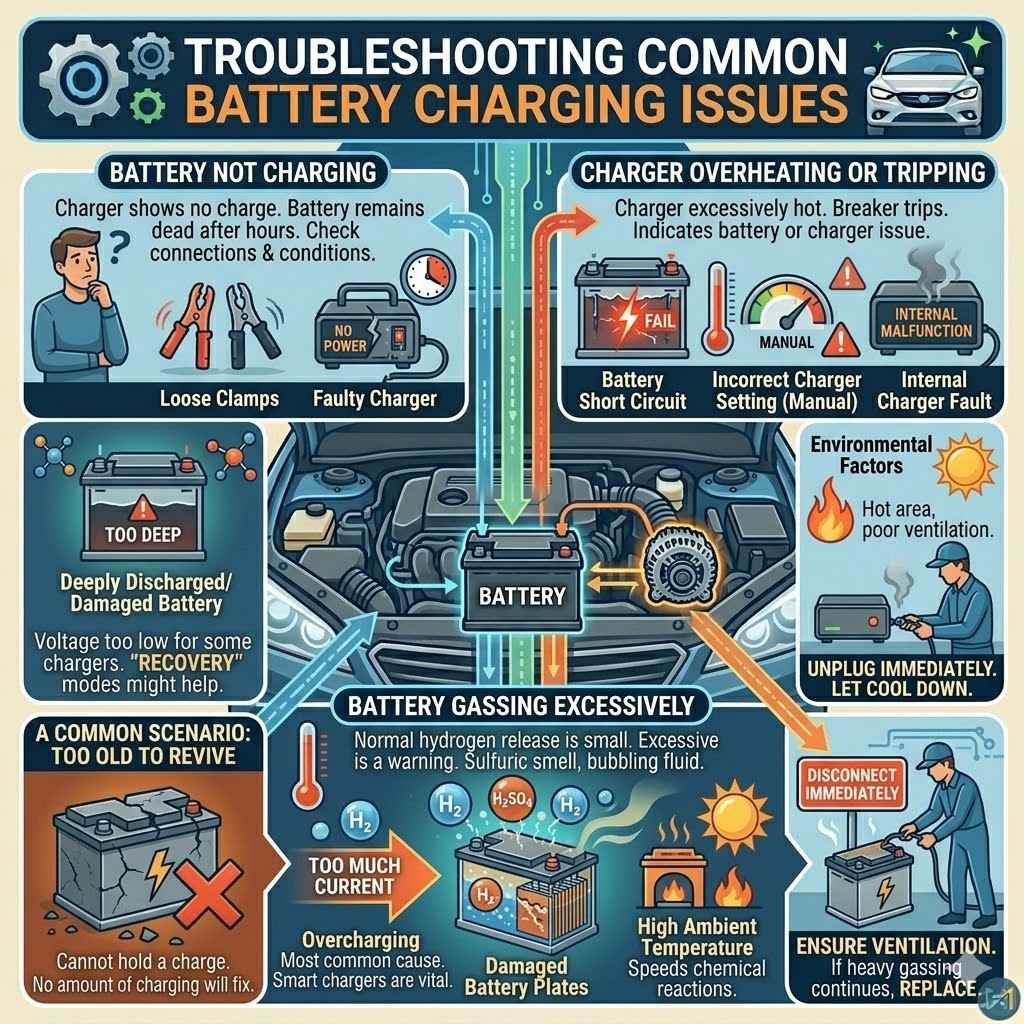
If a charger provides too much current for too long, it can overheat the battery. This overheating can cause the electrolyte to boil, releasing hydrogen gas. This gas is flammable and can be dangerous.
It can also damage the internal components of the battery, reducing its lifespan. Smart chargers are designed to avoid this.
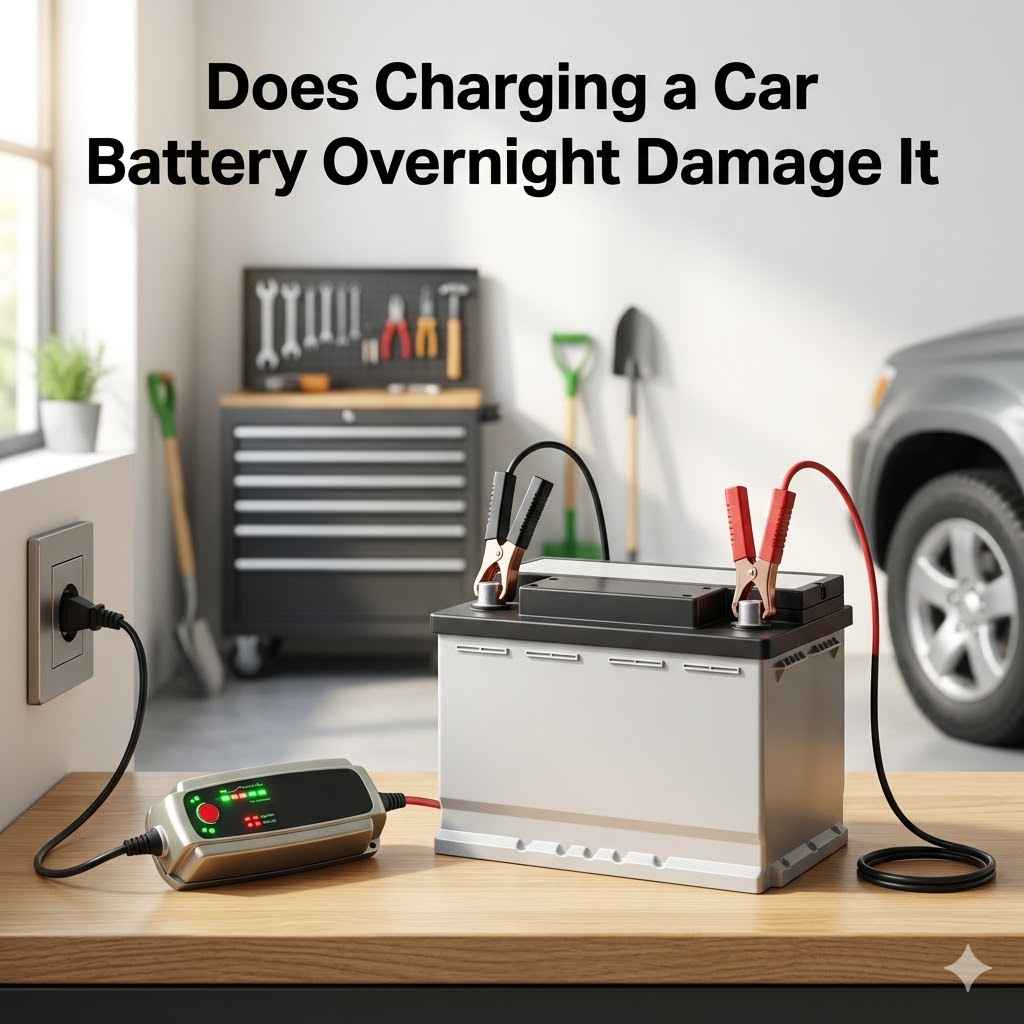
Does Charging a Car Battery Overnight Damage It
This section directly tackles the main question: Does Charging a Car Battery Overnight Damage It? We will explore the factors that influence whether overnight charging is safe or harmful. This includes discussing different types of chargers and battery technologies. We will also look at common myths and provide clear answers based on how batteries actually function.
Smart Chargers vs. Manual Chargers
Smart chargers, also known as intelligent or automatic chargers, are designed with sophisticated circuitry. They monitor the battery’s voltage and current. Once the battery reaches a full charge, a smart charger will automatically reduce the charging rate or switch to a maintenance mode.
This prevents overcharging and potential damage.
Manual or older chargers, on the other hand, often provide a constant current or voltage. They don’t have the ability to detect when the battery is full. If left connected for an extended period, like overnight, they can continue to supply power, leading to overcharging.
This is where the risk of damage comes into play.
The Risk of Overcharging
Overcharging occurs when a battery receives more electrical energy than it can safely store. This can lead to several problems. The most common is excessive heat, which can degrade the battery’s internal components.
This includes the plates and the separator material between them.
Overcharging can also cause gassing. The electrolyte, a mixture of sulfuric acid and water, can begin to break down, producing hydrogen and oxygen gas. This is known as electrolysis.
If the battery is not properly vented, this gas can build up and potentially cause an explosion. It also depletes the water content in the electrolyte.
Battery Health and Age
The age and condition of your car battery play a significant role. Newer batteries are generally more robust and can tolerate slight deviations from ideal charging conditions better than older batteries. An older battery, especially one that is already starting to weaken, is more susceptible to damage from overcharging or prolonged charging.
If a battery is already sulfated (where lead sulfate crystals become hard and difficult to reverse) or has internal shorts, charging it for too long can accelerate its demise. It’s like pushing an already sick person too hard; it might do more harm than good. Regular testing can help you know your battery’s condition.
Modern Battery Technology
Most cars today use advanced lead-acid batteries, such as Enhanced Flooded Batteries (EFB) or Absorbed Glass Mat (AGM) batteries. These are designed for better performance, longer life, and improved tolerance to charging cycles. They are generally more resilient than older battery types.
AGM batteries, for example, have the electrolyte absorbed in glass mats. This makes them more resistant to vibration and leakage. They can also handle higher charging currents and recover more quickly.
Even with these advancements, responsible charging practices are still important for maximizing their lifespan.
Common Scenarios and Best Practices
Here are a few scenarios and how to handle them safely:
Scenario: You accidentally left an old manual charger connected to your battery for two days.
Outcome: This could definitely cause damage. The battery may have overheated, and the electrolyte level might be low. You should check the battery’s condition immediately.
If possible, use a battery tester to check its health and capacity. If it seems compromised, it’s best to replace it.
Scenario: You used a smart charger to top up your battery overnight before a long trip.
Outcome: This is generally safe. A smart charger will detect when the battery is full and stop overcharging. It might even switch to a maintenance mode, providing a very small charge to keep it topped off.
This is an excellent way to ensure your battery is ready for the trip.
For optimal battery health, always follow the charger manufacturer’s instructions. If you’re unsure, it’s better to charge for a shorter, supervised period rather than leaving it connected for days without monitoring.
Factors Affecting Battery Longevity
Beyond charging habits, several other elements influence how long your car battery will last. Understanding these factors can help you prevent premature battery failure and ensure your battery serves you well for its intended lifespan. We will explore environmental conditions, driving habits, and maintenance routines.
Temperature Extremes
Both very hot and very cold temperatures can significantly impact battery life. Extreme heat accelerates the chemical reactions inside the battery, leading to faster degradation of internal components. It can also cause the electrolyte to evaporate more quickly.
Conversely, cold temperatures reduce a battery’s ability to hold a charge and deliver power. Starting an engine in cold weather requires more energy, putting a greater strain on the battery. If a battery is already weak, extreme cold can be the final straw, leading to a dead battery.
This is why battery failures are common in winter.
Driving Habits
Your typical driving routine has a big effect on battery wear. Frequent short trips, where the engine doesn’t run long enough to fully recharge the battery, can lead to a chronically undercharged battery. Over time, this can cause sulfation and reduce battery capacity.
Conversely, long drives that allow the alternator to fully recharge the battery are beneficial. Modern vehicles also have many electronic systems that draw power even when the car is off (e.g., alarm systems, infotainment memory). If the car sits for long periods without driving, the battery can slowly discharge.
Regular Maintenance Checks
Basic maintenance can extend battery life. This includes keeping the battery terminals clean and free of corrosion. Corrosion can impede the flow of electricity, making it harder for the battery to receive a charge and deliver power.
You can clean terminals with a wire brush and a mixture of baking soda and water.
Ensuring the battery is securely mounted is also important. A loose battery can vibrate excessively, which can damage its internal structure. Checking the electrolyte level in older, non-sealed batteries and topping it up with distilled water if needed can also be crucial.
Always wear safety glasses and gloves when working with batteries.
Common Battery Problems and Solutions
Some common issues include a dead battery, slow cranking, and corrosion on terminals. A dead battery might be due to age, a faulty charging system, or parasitic drain (a component drawing power when the car is off). Slow cranking often indicates a weak battery or a poor connection.
To address these, start by checking the battery voltage with a voltmeter. If it’s low, try charging it. If the problem persists, investigate the alternator and look for parasitic draws.
Cleaning terminals and ensuring tight connections are simple yet effective solutions for many starting issues.
When to Replace Your Car Battery
Even with the best care, car batteries have a limited lifespan. Knowing the signs of a failing battery can save you from being stranded. This section will guide you on how to identify these signs and what to expect when it’s time for a new battery.
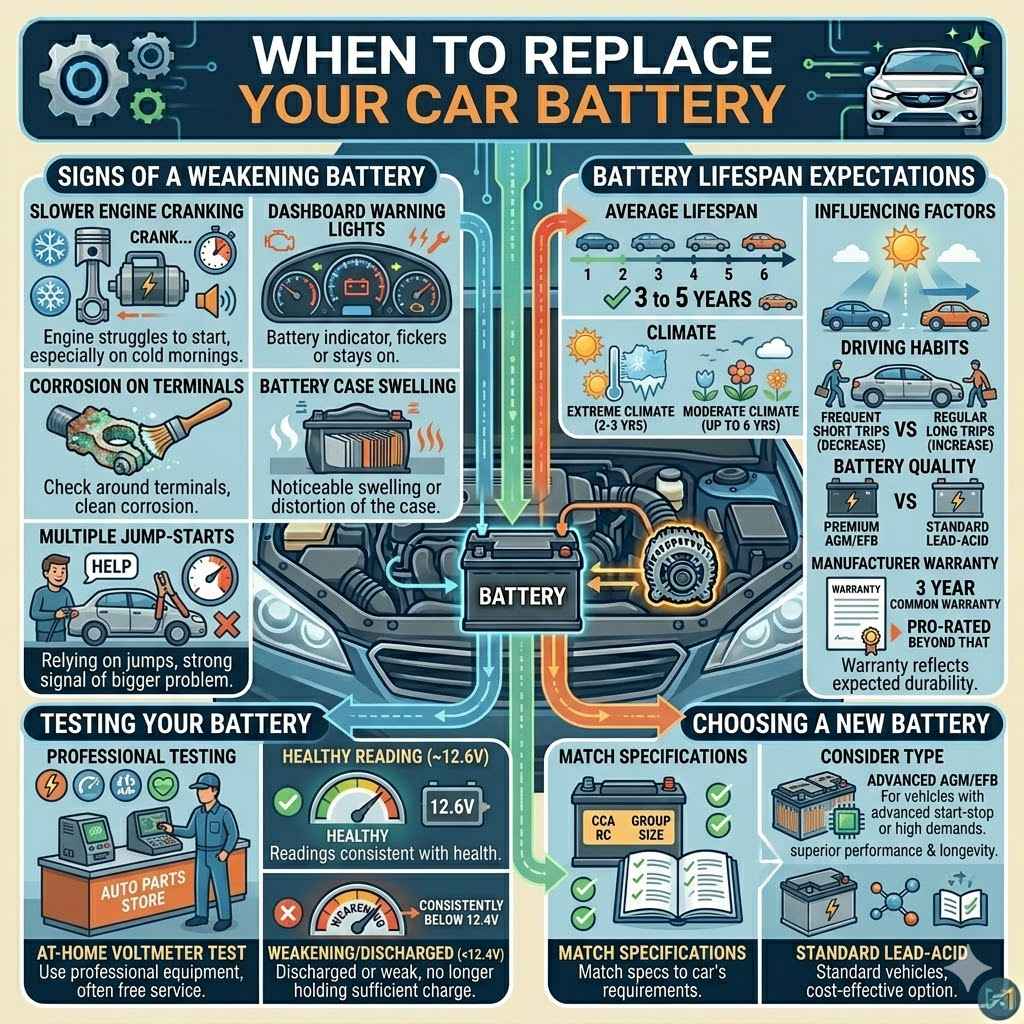
Signs of a Weakening Battery
Several indicators suggest your battery might be nearing the end of its life. You might notice the engine cranks slower than usual, especially on cold mornings. Dashboard warning lights, particularly the battery indicator, might flicker or stay on.
Corrosion on the battery terminals is another sign, as is a noticeable swelling or distortion of the battery case. If you’ve had to jump-start your car multiple times recently, it’s a strong signal that the battery is no longer holding a sufficient charge. Relying on jump-starts is not a solution; it’s a symptom of a bigger problem.
Battery Lifespan Expectations
The average lifespan of a car battery is typically between three to five years. However, this can vary greatly depending on factors like climate, driving habits, and battery quality. In extreme climates, batteries might last only two to three years, while in moderate climates with careful use, they might last up to six years.
Manufacturers often provide a warranty that reflects the expected lifespan. A common warranty is for three years, with some offering a pro-rated warranty beyond that. Pay attention to the warranty period when purchasing a new battery; it can give you an idea of its expected durability.
Testing Your Car Battery
You can have your car battery professionally tested at most auto parts stores or mechanic shops. They use specialized equipment to measure the battery’s voltage, cranking amps, and overall health. This is often a free service.
A simple at-home test can be done with a voltmeter. With the engine off, a healthy battery should read around 12.6 volts. If the reading is consistently below 12.4 volts, the battery may be discharged or weakening.
During cranking, the voltage should not drop below 9.6 volts.
Choosing a New Battery
When it’s time for a
Consider the type of battery as well. For vehicles with advanced start-stop systems or high electrical demands, an AGM or EFB battery might be necessary. While these are often more expensive, they offer superior performance and longevity for those specific applications.
Always match the battery specifications to your car’s requirements.
Frequently Asked Questions
Question: Can I leave a trickle charger on my car battery all the time?
Answer: Yes, you can typically leave a trickle charger or a smart maintenance charger on your car battery indefinitely. These chargers are designed to maintain the battery’s charge without overcharging it, which is ideal for vehicles that are not driven regularly.
Question: What happens if I charge a dead car battery for too long?
Answer: If you use a manual charger that doesn’t shut off, charging a dead battery for too long can cause it to overheat, damage the internal components, and potentially lead to an explosion due to gas buildup.
Question: Is it bad to charge a car battery in freezing temperatures?
Answer: It’s generally not recommended to charge a frozen battery. If a battery has frozen, it’s often a sign of a deeply discharged state, which can damage the battery. Allow it to thaw before attempting to charge it.
Question: How often should I charge my car battery?
Answer: You typically only need to charge your car battery if it becomes discharged, for example, after leaving lights on or during extended periods of non-use. Your car’s alternator usually keeps it charged while driving.
Question: Will charging a car battery overnight hurt my car’s computer?
Answer: Using a modern smart charger designed for car batteries should not harm your car’s computer. These chargers manage the voltage and current effectively. However, using an old, basic charger without proper regulation could potentially cause voltage spikes.
Final Thoughts
Charging a car battery overnight is generally safe if you use a smart charger. These chargers prevent overcharging by monitoring the battery’s status. Older, manual chargers pose a risk of damage if left connected too long.
Always check your charger type and follow its instructions to keep your battery healthy and extend its life.