Does Valvoline Put Freon In Your Car? Find Out Now
Valvoline itself does not put Freon into your car’s air conditioning system. They use specific, modern refrigerants appropriate for your vehicle’s make and model. Freon is an older type of refrigerant that is no longer widely used due to environmental concerns.
Understanding Car Air Conditioning Refrigerants
Your car’s air conditioning system is a marvel. It uses a special fluid to cool the air. This fluid is called a refrigerant.
Think of it like the blood of your car’s AC. It moves around, picking up heat from inside your car and letting it out elsewhere.
This refrigerant changes form as it travels. It starts as a liquid and then turns into a gas. This change is what makes it able to absorb and release heat.
The system has parts like a compressor, condenser, expansion valve, and evaporator. Each part plays a role in moving the refrigerant and cooling your car.
What is Freon?
The name “Freon” is actually a brand name. It was a popular type of refrigerant for many years. The most common Freon was R-12.
This was used in cars from the 1950s up until the mid-1990s. It worked well and was quite effective at cooling.
However, R-12 was found to harm the Earth’s ozone layer. The ozone layer protects us from the sun’s harmful rays. Because of this, R-12 was phased out by international agreements.
It’s now illegal to produce or import new R-12 in many parts of the world. This includes the United States.
The Modern Refrigerant: R-134a
After R-12 was phased out, a new refrigerant took its place. This is called R-134a. Most cars made from the mid-1990s through the early 2010s use R-134a.
It’s much better for the ozone layer than R-12.
R-134a works in a similar way to R-12. It circulates through the AC system, absorbing heat. It’s the standard for many vehicles you see on the road today.
Service stations and mechanics widely use this type of refrigerant for AC repairs and recharges.
The Newest Generation: R-1234yf
The world keeps moving towards even better environmental solutions. Now, many new cars are using a refrigerant called R-1234yf. This is the latest standard.
It has an even lower impact on global warming than R-134a.
Cars made from around 2015 onwards often come with R-1234yf systems. You might notice that AC services for these newer cars cost more. This is partly because R-1234yf is a more expensive refrigerant to produce and handle.
It also requires special equipment to work with safely.
Valvoline’s Role in Car Care
Valvoline is a well-known company. They offer many services for cars. This includes oil changes, tire rotations, and other maintenance.
They also provide engine and transmission services. Air conditioning service is part of what they do.
When you take your car to Valvoline for AC work, they use what’s right for your car. They have trained technicians. These technicians know the different types of refrigerants.
They also know the specific needs of various car models. They won’t just put any refrigerant in your car.
Expertise in AC Service
Valvoline’s technicians are trained. They learn about the latest car technologies. This includes the automotive AC systems.
They understand that different cars need different refrigerants. Using the wrong type can damage your AC system. It can also be unsafe or ineffective.
They will first check your car’s AC system. They look for leaks. They test the pressure.
They determine the type of refrigerant your car currently uses. Then, they will use the correct refrigerant and any necessary additives. This ensures your AC works well and lasts longer.
Commitment to Quality
Valvoline has a reputation to uphold. They want their customers to be happy. This means providing good service.
It also means using quality products. When it comes to AC refrigerants, they use products that meet industry standards.
They will use either R-134a or R-1234yf, depending on your car. They might also use specific AC oils or sealants. These help the system run smoothly.
They are not using old, banned refrigerants like R-12.
Why It Matters What Refrigerant is Used
Putting the wrong refrigerant in your car’s AC system can cause big problems. It’s not just about whether the air blows cold. It’s about the health of your entire AC system.
It’s also about protecting the environment.
Imagine filling your car’s gas tank with diesel when it needs regular gasoline. It won’t run right, and it could cause damage. The AC system is similar.
It is designed for a specific type of refrigerant.
Damage to the AC System
The components in your AC system are made to work with certain chemicals. R-12, R-134a, and R-1234yf have different chemical properties. They have different pressures and temperatures at which they work.
They also react differently with the oils used in the system.
If you put R-134a in a system designed for R-12, or R-1234yf in a system for R-134a, it can cause issues. The pressures might be too high or too low. This can strain the compressor, the heart of the AC system.
It can lead to leaks in seals. It could even cause the system to stop working altogether. Fixing a damaged AC system can be very expensive.
Environmental Impact
As mentioned, R-12 was bad for the ozone layer. While R-134a is better, it is still a greenhouse gas. R-1234yf is much better.
It has a very low global warming potential.
Using the correct, modern refrigerant is part of being a responsible car owner. It helps protect the planet. It’s also the law in many places to use environmentally friendly refrigerants.
AC service providers must follow these rules.
Performance and Efficiency
Each refrigerant is designed to work best in a specific type of system. Using the right one means your AC will cool effectively. It will also do so efficiently.
This means it won’t use too much engine power. It also helps with fuel economy.
If the wrong refrigerant is used, the cooling might not be as strong. The system might have to work harder. This can lead to higher energy use and less comfort for you.
Personal Experience with AC Issues
I remember one sweltering July day a few years back. My car’s AC just wasn’t cutting it. The air coming out was barely cool.
I was on a road trip, and the heat inside the car was becoming unbearable. I started to panic a little. I pulled over at the first service station I saw.
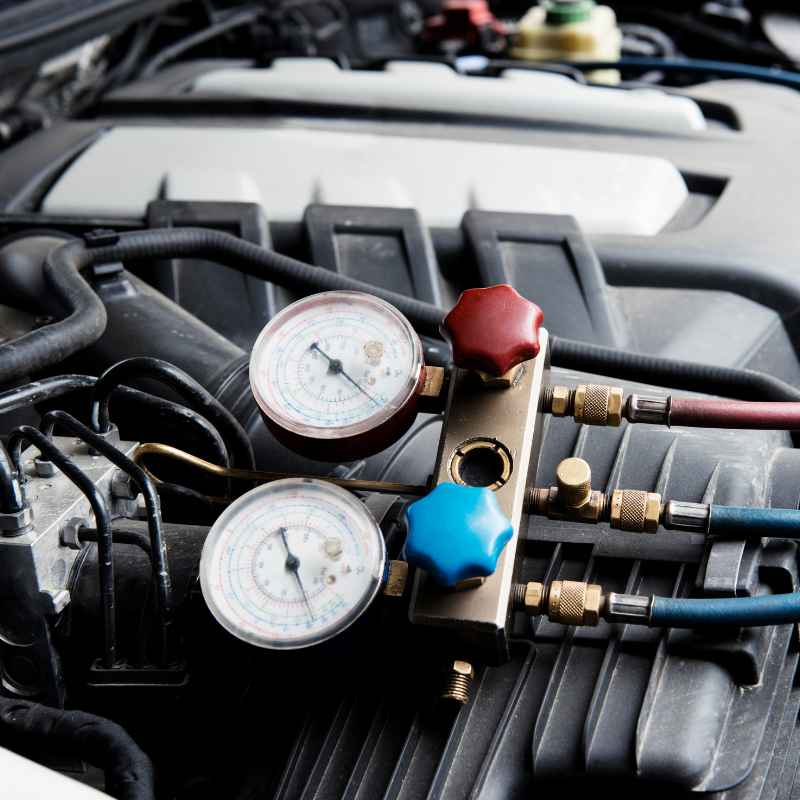
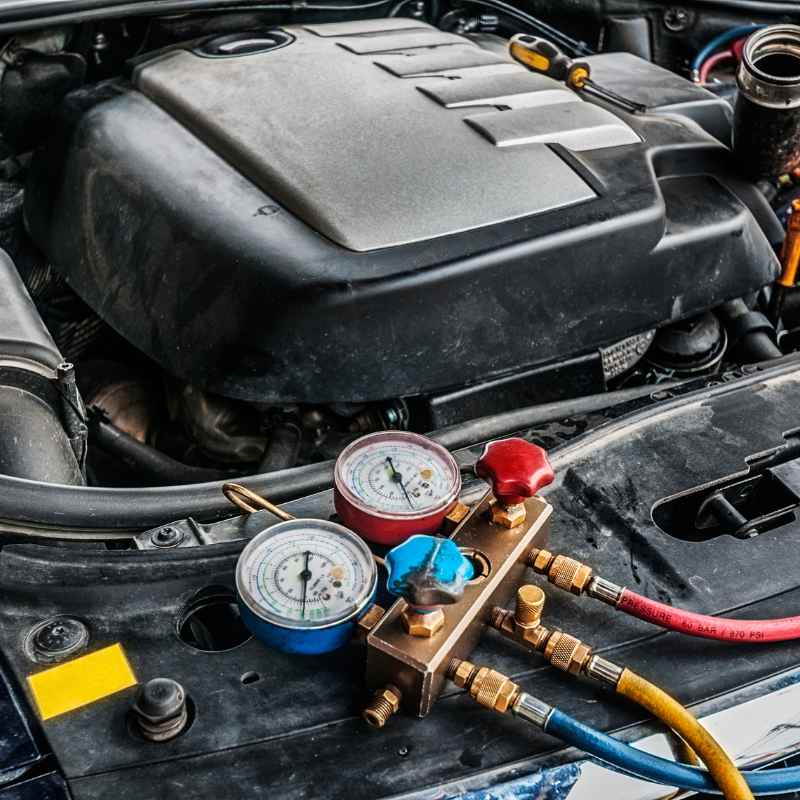
It wasn’t a Valvoline, but a smaller independent shop. I told the mechanic my AC was weak. He quickly hooked up his gauges.
He checked the pressure and said it seemed low. He asked if I had it serviced recently. I said no.
He then said, “Looks like you might be low on refrigerant. We can top it up for you.” I thought, “Great, problem solved!” He worked for about twenty minutes. When he finished, he handed me the bill.
It was more than I expected. He said he had to recharge the system with R-134a. He explained my car used that type.
The AC felt a bit better, but not like it used to. Looking back, I wish I had known more about AC systems then. I should have asked more questions.
I learned later that if there’s a leak, just adding refrigerant isn’t always the best fix. It’s better to find the leak and repair it first. That day taught me how important it is to go to a trusted place that knows what they’re doing.
How to Know Which Refrigerant Your Car Needs
Figuring out which refrigerant your car uses is pretty straightforward. You don’t need to be a car expert. There are a few easy ways to find out.
The most important thing is to trust professionals who know what they are doing.
Check Your Owner’s Manual
Your car’s owner’s manual is a treasure trove of information. It tells you everything about your car. Look in the section about the air conditioning system.
It will specify the type of refrigerant your car uses. It might also mention the correct type of oil for the AC system.
Look for Stickers Under the Hood
Many car manufacturers place stickers under the hood. These stickers provide important information. One of them often tells you the type of refrigerant your AC system uses.
Look for labels mentioning “R-134a” or “R-1234yf.”
Ask a Trusted Mechanic or Service Center
This is the easiest and most reliable way. When you take your car for AC service, tell them you’re unsure about the refrigerant. Reputable service centers like Valvoline have the tools and knowledge.
They can quickly identify the correct refrigerant for your specific vehicle. They will have the right equipment to service it.
Common AC Service Scenarios
When you notice your car’s AC isn’t working right, what happens next? Most people will seek out a service center. They want their comfort back.
Understanding the process can help ease your mind.
AC Recharge Service
Sometimes, the refrigerant in your AC system can slowly leak out over time. This is normal for any sealed system. When the level gets too low, the AC won’t cool as well.
An AC recharge service adds more refrigerant. This is usually done with R-134a or R-1234yf.
A good technician will first check for major leaks. They will also recover any remaining refrigerant. Then, they will add the correct amount of new refrigerant.
They use specialized machines for this. These machines ensure the right pressure and amount are added.
Leak Detection and Repair
If your AC system loses refrigerant quickly, there’s likely a leak. Refrigerant doesn’t just disappear. It escapes through a seal, hose, or component.
Simply adding more refrigerant won’t fix the problem. The leak needs to be found and repaired first.
Technicians use special tools for leak detection. This can include UV dye that shows up under a black light. They might also use electronic leak detectors.
Once the leak is found, the faulty part is replaced. Then, the system is recharged.
System Flushes and Component Replacement
In some cases, the AC system might need more than just a recharge. If a component like the compressor fails, it can contaminate the system. This means tiny metal particles or debris can spread.
These can damage other parts.
A system flush cleans out all the old refrigerant and oil. It removes any contaminants. Then, new oil and refrigerant are added.
Sometimes, a whole component might need to be replaced. This includes parts like the compressor, condenser, or evaporator.
When is it Normal to Lose Refrigerant?
It’s common for car AC systems to lose a small amount of refrigerant over time. Think of it like your tires slowly losing air. It’s a sealed system, but tiny amounts can escape through microscopic pores in the hoses or seals.
This is usually a very slow process.
If your car’s AC has been cooling well for years, and then slowly becomes less effective, it might just need a small top-up. This is a normal part of owning a car. A good technician can add the right amount of refrigerant.
When Should You Worry About Refrigerant Levels?
You should worry if your car’s AC stops cooling suddenly. Or if it cools very poorly right after being serviced. This suggests a more serious problem than just slow refrigerant loss.
A rapid loss of refrigerant means a significant leak.
Also, if you notice a hissing sound coming from under the hood when the AC is on, it could be a leak. Or if you see oily residue around AC lines or connections, that’s often a sign of a refrigerant leak. Refrigerant carries oil with it, so where the refrigerant goes, the oil follows.
Simple Checks You Can Do
While you shouldn’t try to add refrigerant yourself without proper training and equipment, you can do a few checks.
- Listen: Do you hear any unusual hissing or whistling sounds from the AC system when it’s running?
- Look: Can you see any oily spots or wetness around the AC lines and connections under the hood?
- Feel: Is the air coming from your vents consistently not cold enough?
If you answer yes to any of these, it’s a good idea to get your AC system checked by a professional. Valvoline or any trusted mechanic can help.
What This Means for Your Valvoline Visit
When you go to Valvoline for AC service, you can be confident they will do it right. They are aware of the environmental regulations. They know the different types of refrigerants.
They use modern equipment.
The Valvoline Process
Here’s what you can expect when Valvoline services your AC:
1. Initial Assessment
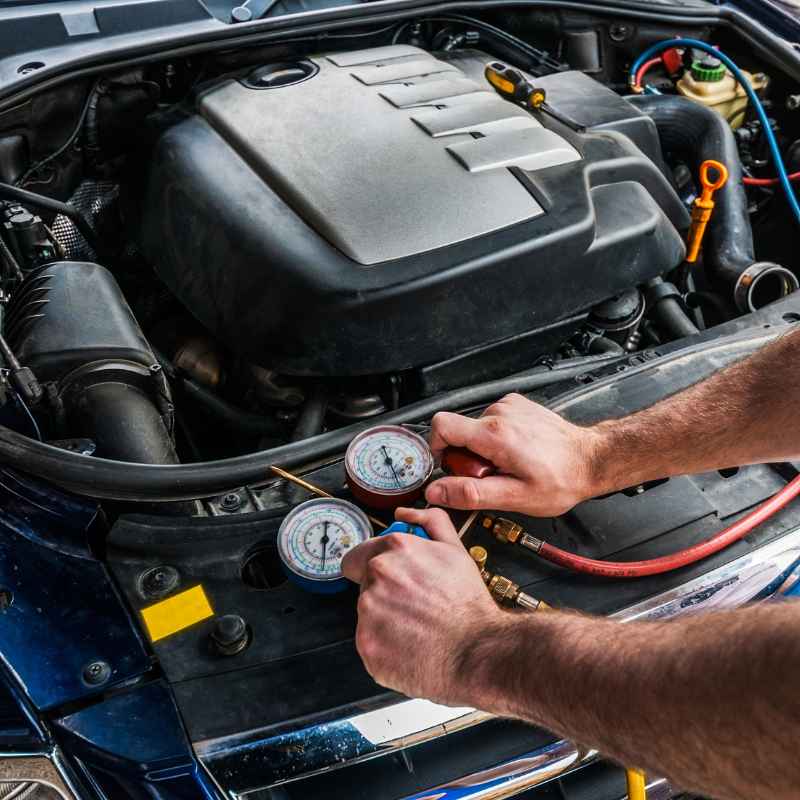
A technician will start by asking about the problem. They will then connect diagnostic tools to your AC system. This helps them measure pressures and temperatures.
2. Refrigerant Identification
Using specialized equipment, they will determine the type of refrigerant currently in your system. They will also check how much is present.
3. Leak Check (if needed)
If the refrigerant level is low, they will perform a leak test. They will use UV dye or electronic detectors to find any leaks.
4. Repair and Recharge
If a leak is found, they will discuss repair options with you. Once any repairs are done, they will evacuate the system. Then, they will recharge it with the correct type and amount of refrigerant.
They also add the proper amount of AC oil.
Choosing a Service Provider
Valvoline is a trusted name. They invest in training their staff. They use up-to-date equipment.
This helps ensure they follow all regulations and provide good service. When you choose a service provider, look for one that:
- Has trained and certified technicians.
- Uses modern, calibrated equipment.
- Explains the service process clearly.
- Is transparent about pricing.
This way, you know your car is in good hands. You can be sure the right refrigerant is used.
Quick Tips for AC Maintenance
Keeping your car’s AC system in good shape is important. A little regular care can prevent big problems. It can also keep your car cool and comfortable.
- Run your AC regularly: Even in winter, run your AC for a few minutes each month. This keeps the seals lubricated. It prevents them from drying out and cracking.
- Check for strange noises: If you hear grinding or squealing from the AC, get it checked.
- Keep vents clear: Make sure no debris is blocking your AC vents inside the car.
- Don’t ignore weak cooling: If your AC starts to feel less powerful, don’t wait. Get it checked before it becomes a bigger issue.
- Trust your service provider: Ask questions if you’re unsure about anything. A good service center will be happy to explain.
Frequent Questions About Car AC Refrigerants
Does Valvoline use Freon in cars?
No, Valvoline does not use Freon (R-12) in cars. Freon is an older refrigerant that is no longer used due to environmental regulations. Valvoline uses modern refrigerants like R-134a or R-1234yf, depending on your car’s make and model.
What is the difference between Freon and R-134a?
Freon (R-12) was used in older cars but harms the ozone layer. R-134a is a newer refrigerant that is much better for the ozone layer and is used in most cars made from the mid-1990s to early 2010s.
How can I tell if my car uses R-134a or R-1234yf?
You can check your car’s owner’s manual for this information. There is also often a sticker under the hood that lists the type of refrigerant your AC system uses. If you are unsure, a service technician can easily identify it.
Is it bad to put the wrong refrigerant in my car’s AC?
Yes, it can be very bad. Using the wrong refrigerant can damage AC system components like the compressor. It can also lead to poor cooling performance and costly repairs.
It’s crucial to use only the refrigerant specified for your car.
How often should my car’s AC be serviced?
Your car’s AC system doesn’t need a specific service interval like an oil change. However, it’s a good idea to have it checked if you notice reduced cooling performance. Many people opt for an AC check every couple of years or if they notice issues.
Can I just add refrigerant myself if my AC is not cold?
It’s not recommended for most people. Adding refrigerant requires special equipment to ensure the correct amount and pressure are used. Doing it incorrectly can damage your AC system or be dangerous.
It’s best to have a trained professional handle AC refrigerant services.
Will Valvoline charge me for Freon?
No, Valvoline will not charge you for Freon because they do not use it. They will use the appropriate, modern refrigerant (like R-134a or R-1234yf) for your vehicle. The cost will reflect the type of refrigerant used and the service performed.
Conclusion
So, does Valvoline put Freon in your car? The short answer is a definitive no. Valvoline, like other reputable auto service providers, stays current with industry standards and environmental laws.
They use the correct, modern refrigerants that are safe and effective for your specific vehicle. Whether your car needs R-134a or the newer R-1234yf, they have the expertise and equipment to handle it properly. Trusting them with your AC service means you’re getting the right care for your car’s comfort and longevity.
Products related to this article
Sponsored / affiliate links. As an Amazon Associate I earn from qualifying purchases. I may earn additional commission from eligible campaigns.