How Long Before A New Car Paint Job Can Be Washed
Getting your car painted is exciting. You want to keep it looking its best. Many car owners wonder, How Long After a Paint Job Before a Car Wash? This is a common question, especially for those new to car care.
It can feel tricky to know the right time. Waiting too soon could damage your new paint. Waiting too long might let dirt set in.
Don’t worry, this is a simple guide. We will walk you through it step by step. After this, you’ll know exactly when and how to safely wash your newly painted car.
Let’s get started.
Understanding New Paint Curing
Fresh paint on your car needs time to become strong. This process is called curing. It’s not just about the paint feeling dry to the touch.
The deeper layers need to harden and bond properly. Waiting the right amount of time ensures the paint can withstand washing. This prevents swirl marks and other damage that can happen too early.
We will look at why this waiting period is so important for the longevity of your car’s finish.
The Science of Paint Curing
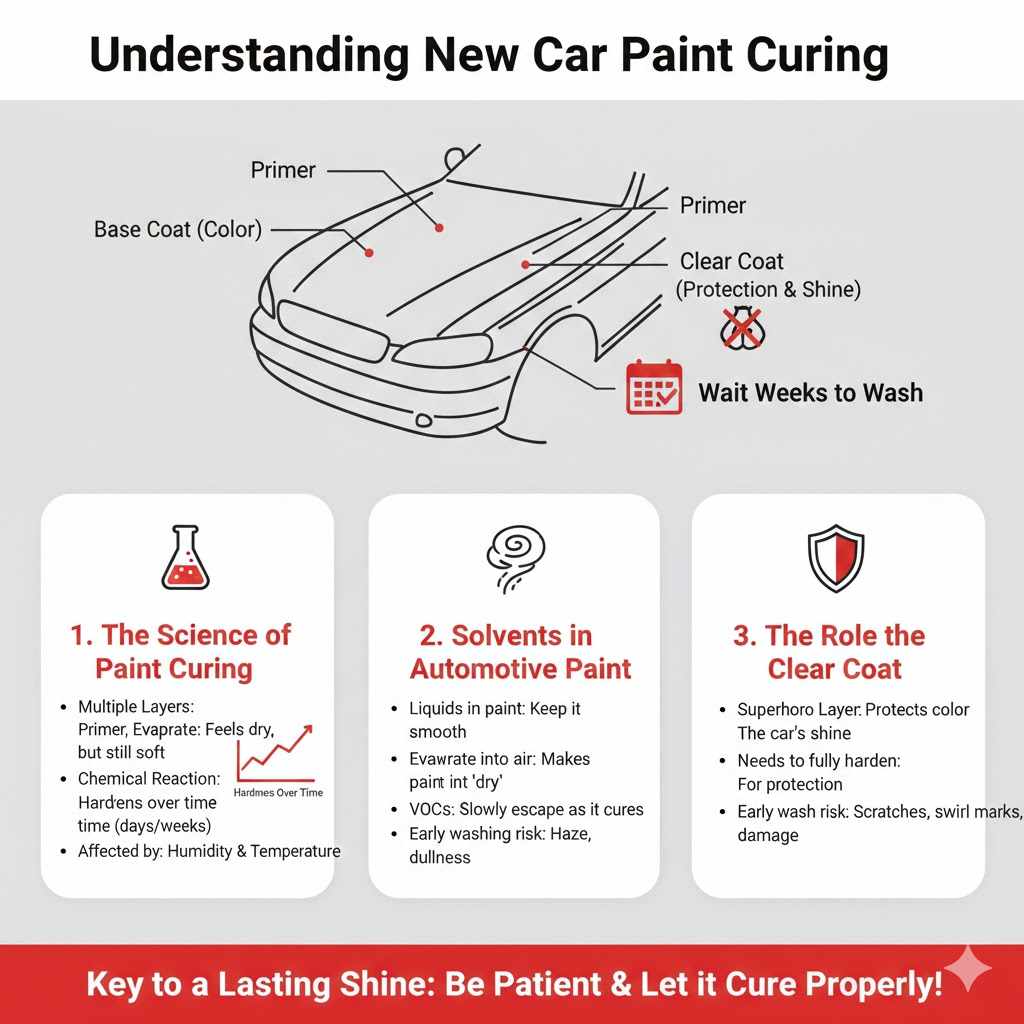
Car paint is made of several layers. The main ones are primer, base coat, and clear coat. Primer helps the paint stick.
The base coat gives the color. The clear coat protects everything and adds shine. When the paint is applied, solvents evaporate.
This makes it feel dry. However, a chemical reaction is still happening. This reaction hardens the paint over time.
This hardening process can take days or even weeks.
Different types of paint cure at different rates. Single-stage paints cure faster than basecoat/clearcoat systems. Water-based paints might also have different cure times than solvent-based ones.
The environment also plays a role. Temperature and humidity affect how quickly the paint hardens. High humidity can slow down the curing process.
Warmer temperatures usually speed it up.
Solvents in Automotive Paint
Solvents are liquids that dissolve other substances. In car paint, they help create a smooth, workable mixture. As the paint dries, these solvents evaporate into the air.
This evaporation is what makes the paint feel dry. However, complete evaporation of all solvents takes time. This is key to the paint’s final hardness and durability.
These solvents are volatile organic compounds (VOCs). Modern paints are designed to release these VOCs efficiently. Yet, some solvents remain trapped within the paint film for a while.
They slowly escape as the paint continues to cure. If you wash the car too soon, the water pressure or soap can affect these still-drying solvents. This can lead to issues like hazing or dullness.
The Role of the Clear Coat
The clear coat is the superhero layer. It protects the color coat from UV rays, scratches, and everyday wear. It also gives your car that deep, glossy look.
But the clear coat is the last layer applied. It needs to fully harden to do its job well. If the clear coat isn’t cured enough, it can be easily damaged.
Imagine trying to polish a surface that’s still a bit sticky. You’d just end up smearing it. The clear coat is similar.
It needs to be hard and resilient before any rubbing or washing action occurs. A proper cure ensures the clear coat forms a strong, protective barrier. This barrier will keep your car looking great for years to come.
Recommended Waiting Times For Washing
Knowing the general rules is helpful. But knowing specific waiting times is even better. This section gives you clear timelines.
It helps you make the best decision for your freshly painted car. We will break down the waiting periods based on common scenarios.
General Guideline for Washing
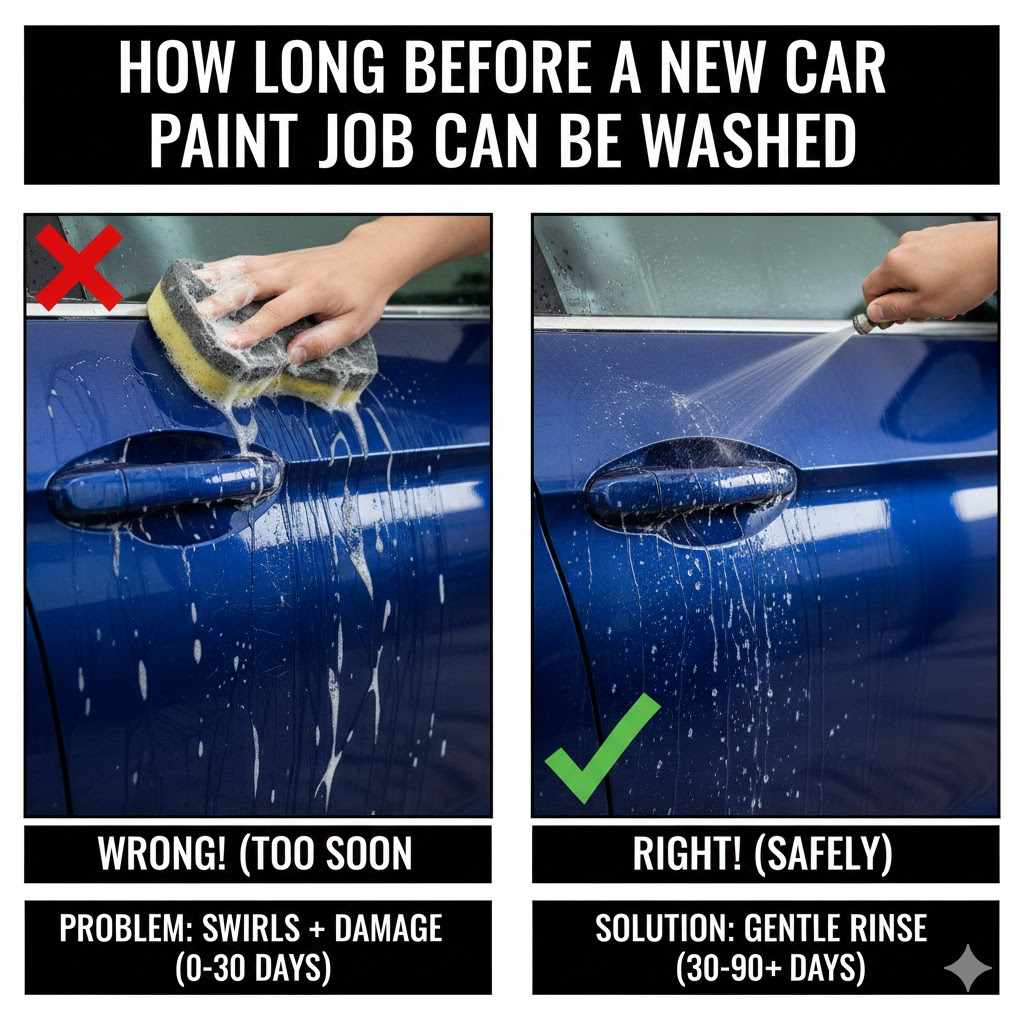
For most standard automotive paint jobs, it’s best to wait at least 30 days. This is a safe bet for most situations. This allows the paint to cure sufficiently.
Washing before this period can put your new finish at risk.
Think of it as a probationary period for your car’s paint. During this time, it’s more fragile. Gentle care is essential.
This includes avoiding automatic car washes with harsh brushes. It also means being careful about what you use to clean it.
The 30-Day Rule Explained
The 30-day rule is a widely accepted standard. It comes from paint manufacturers and professional detailers. It assumes normal curing conditions.
Factors like temperature and humidity can slightly alter this. But 30 days is a good average.
During these 30 days, avoid waxing or sealing the paint. These products can interfere with the final curing process. They might trap moisture or solvents.
Let the paint breathe and harden on its own first.
This waiting period is crucial. It helps prevent common problems like:
- Surface scratches from washing too soon.
- Swirl marks that are difficult to remove later.
- Dullness or hazing of the paint.
- Damage to the clear coat.
Each of these issues can detract from the beauty of your new paint job. They can also lead to costly repairs or repainting down the line. Patience during this initial period pays off significantly.
Special Cases and Different Paint Types
Not all paint jobs are the same. The type of paint used can affect how long you need to wait. Professional shops often use high-quality, durable finishes.
However, some DIY applications or specific paint types might have unique requirements.
Always check with your painter or paint manufacturer for specific advice. They know their products best. Their recommendations will be the most accurate for your situation.
Water-Based vs. Solvent-Based Paints
Water-based paints are becoming more common. They are eco-friendly. They often cure differently than traditional solvent-based paints.
Water-based paints can sometimes feel dry to the touch faster. However, their full cure time might still be similar or even longer in some cases.
Solvent-based paints have been the standard for a long time. They release strong fumes as they dry and cure. The evaporation of solvents is a major part of their curing process.
The chemical bonds form as the solvents leave.
The critical takeaway is that the “feel dry” stage is not the “fully cured” stage. Always err on the side of caution with either type. Consult your painter for the most precise recommendation regarding the specific paint system used on your vehicle.
Single-Stage vs. Basecoat/Clearcoat
Single-stage paint is a simpler system. It combines color and gloss in one layer. This type of paint often cures faster than a multi-layer system.
However, it might not offer the same depth of gloss or protection as a clear coat.
Basecoat/clearcoat is the more common system for modern cars. It has a separate color layer and a protective clear coat. This system generally requires a longer curing time.
The clear coat needs to fully harden to protect the color layer effectively.
For basecoat/clearcoat jobs, especially high-quality ones, sticking to the 30-day (or even longer) rule is wise. This ensures the protective clear coat is robust enough for washing.
Proper Washing Techniques After Painting
Once the waiting period is over, how you wash your car matters. Using the wrong method can still damage your new paint. Gentle techniques are key to preserving the finish.
This section guides you on the best way to wash your car safely.
The Importance of Hand Washing
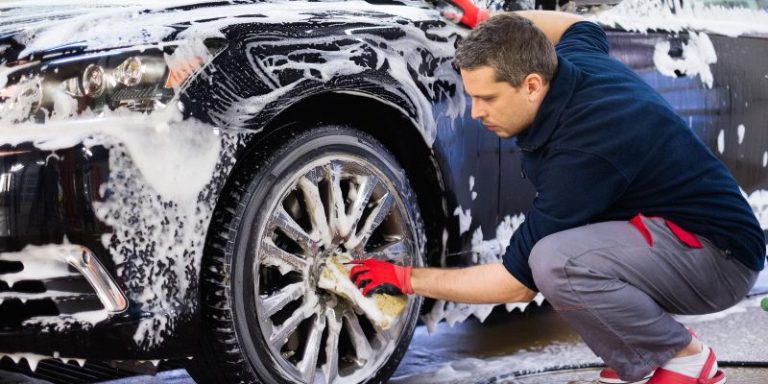
Hand washing is always recommended for new paint. It gives you direct control over the process. You can be gentle with the surface.
You can see what you’re doing. This minimizes the risk of accidental damage.
Automatic car washes use high-pressure water jets and brushes. These can be too aggressive for freshly cured paint. Even “touchless” washes might use harsh chemicals.
A careful hand wash is the safest approach.
Choosing the Right Wash Mitt and Soap
Use a soft, high-quality wash mitt. Microfiber mitts are excellent because they trap dirt particles. This prevents them from scratching the paint.
Never use a sponge or old cloth. These can hold grit and cause swirls.
Use a pH-neutral car wash soap. Avoid dish soap or household cleaners. These can strip wax or sealant from the paint.
They can also be too harsh for the clear coat. Look for soaps specifically designed for automotive use.
Always wash in the shade. Washing in direct sunlight can cause soap and water to dry too quickly. This can leave water spots and streaks.
Rinsing and Drying Techniques
Rinsing is just as important as washing. Use plenty of clean water. Start from the top of the car and work your way down.
This allows dirty water to run off the panels.
For drying, use clean, soft microfiber drying towels. These are highly absorbent and lint-free. Gently blot the water off the surface.
Do not wipe or scrub. This is crucial to avoid scratching.
You can also use a car dryer or a strong nozzle on your hose to blow water off. This reduces the need for towel drying. Always ensure your drying tools are spotless.
Even a tiny piece of grit can cause damage.
Spot Washing vs. Full Wash
If your car gets bird droppings or tree sap on it during the curing period, you might need to spot clean. Use a quick detailer spray. These are designed for light cleaning.
They help lift contaminants without damaging the paint.
Always use a clean microfiber towel with the detailer spray. Gently wipe the affected area. Follow up with a separate clean, dry microfiber towel.
This is a better option than letting contaminants sit. However, full washes are still best avoided until the cure time is complete.
What to Avoid During Curing
There are a few things you absolutely should not do while your car paint is curing. These actions can undo the work of the painter and cause lasting damage.
Automatic Car Washes
As mentioned, automatic car washes are a big no-no. The brushes can scratch and swirl the paint. Even the high-pressure water can potentially affect uncured paint.
Stick to hand washing.
Waxing or Sealants
Applying wax or sealants too soon can trap solvents and moisture. This interferes with the paint’s ability to cure fully. Wait until after the recommended waiting period, and even then, consult your painter or the product manufacturer.
Harsh Chemicals
Avoid using strong degreasers or harsh cleaning chemicals on the paint. Stick to pH-neutral soaps designed for cars. These gentler products are less likely to react negatively with the new paint.
Parking Under Trees or Near Industrial Sites
During the curing phase, try to park your car in a garage or under cover. This protects it from environmental contaminants like bird droppings, tree sap, and industrial fallout. These can be harder to remove from uncured paint.
Maintaining Your New Paint Job Long Term
After the initial curing period, your paint job is much more resilient. However, good maintenance is key to keeping it looking great. This section offers tips for long-term care.
Regular Cleaning Schedule
Washing your car regularly is the best way to maintain its finish. Aim for every two weeks, or more often if it gets dirty. This prevents dirt and grime from bonding to the paint.
The techniques used for the first wash should become your routine. Always use a good car wash soap and a microfiber wash mitt. Always dry the car thoroughly.
The Benefits of Regular Washing
Regular washing removes contaminants before they can etch or damage the paint. It also allows you to spot any potential issues early on. This could be scratches, chips, or fading.
A clean car simply looks better. It also holds its value better. Making cleaning a habit is a simple but effective way to protect your investment.
Applying Paint Protection
Once your paint is fully cured (typically after 30-90 days, depending on the product and conditions), you can apply protective layers. These layers add extra defense against the elements.
Waxes, Sealants, and Ceramic Coatings
Waxes offer a warm glow and are easy to apply. They typically last 1-3 months. Sealants are synthetic and offer longer protection, usually 3-6 months.
Ceramic coatings are the most durable. They can last for years if properly maintained.
Each of these offers a sacrificial layer. This layer takes the brunt of environmental abuse. It protects the clear coat underneath.
Applying one of these after the paint has fully cured is a great idea.
Dealing with Minor Imperfections
Even with careful driving, minor imperfections can happen. These include small scratches or chips. Addressing them promptly can prevent them from worsening.
Touch-Up Paint
For small chips or scratches, touch-up paint can be useful. You can often get a pen or small bottle matching your car’s color code. Apply it carefully with a fine brush or applicator.
This prevents rust and further damage.
For larger scratches or if you’re unsure, consult a professional detailer or body shop. They can assess the damage and recommend the best course of action.
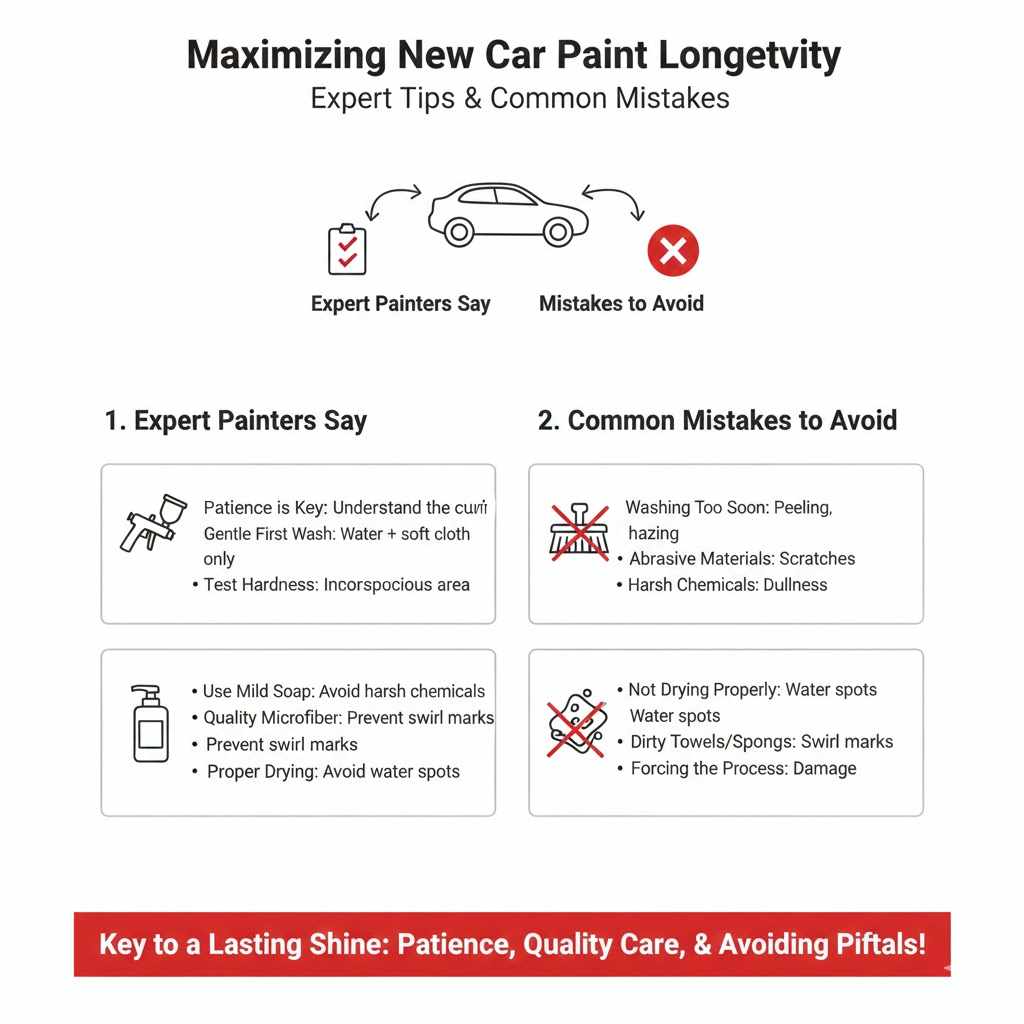
Expert Tips and Common Mistakes
Learning from experienced professionals can save you a lot of trouble. Here are some expert insights and common pitfalls to avoid.
What Professional Painters Say
Professional painters universally emphasize patience. They understand the curing process. They know that rushing the first wash can lead to callbacks and unhappy customers.
They often recommend a very gentle first wash. This might involve using only water and a soft cloth, or a very mild soap. They also stress the importance of checking the paint’s hardness by gently touching an inconspicuous area.
Mistakes New Car Owners Make
One common mistake is washing the car too soon. Another is using abrasive materials or harsh chemicals. Not drying the car properly is also a frequent error, leading to water spots.
Using old, dirty towels or sponges is another mistake. These can cause swirl marks and scratches. Always invest in good quality microfiber products.
Frequently Asked Questions
Question: Can I use a pressure washer on my car soon after it’s painted?
Answer: It’s generally not recommended to use a high-pressure washer on a freshly painted car. Wait at least 30 days, and even then, use the lowest pressure setting and keep a good distance from the paint. A gentle hand wash is always safer.
Question: What if I see a small imperfection on the paint during the waiting period?
Answer: For minor issues like bird droppings, gently use a quick detailer spray with a clean microfiber towel. Avoid rubbing aggressively. For anything more significant, consult your painter or a professional detailer.
Question: Is it okay to park under trees after a paint job?
Answer: It’s best to avoid parking under trees for at least the first 30 days. Tree sap and bird droppings can be difficult to remove from uncured paint and may cause damage. Garage parking is ideal.
Question: How long does it take for automotive paint to fully cure?
Answer: While paint may feel dry to the touch within hours, full curing can take anywhere from 30 days to several months. This depends on the paint type, environmental conditions, and application. The 30-day rule is a safe general guideline for washing.
Question: Can I wax my car after 2 weeks?
Answer: No, it is not advisable to wax your car after only 2 weeks. Most paints require at least 30 days to cure sufficiently for waxing. Applying wax too early can interfere with the curing process and potentially damage the new finish.
Summary
Waiting for your car’s new paint to cure is essential. A minimum of 30 days is recommended before washing. Always hand wash using gentle, pH-neutral soap and soft microfiber tools.
Proper drying and avoiding harsh chemicals will protect your finish. Regular cleaning and paint protection after curing will keep your car looking its best for years.