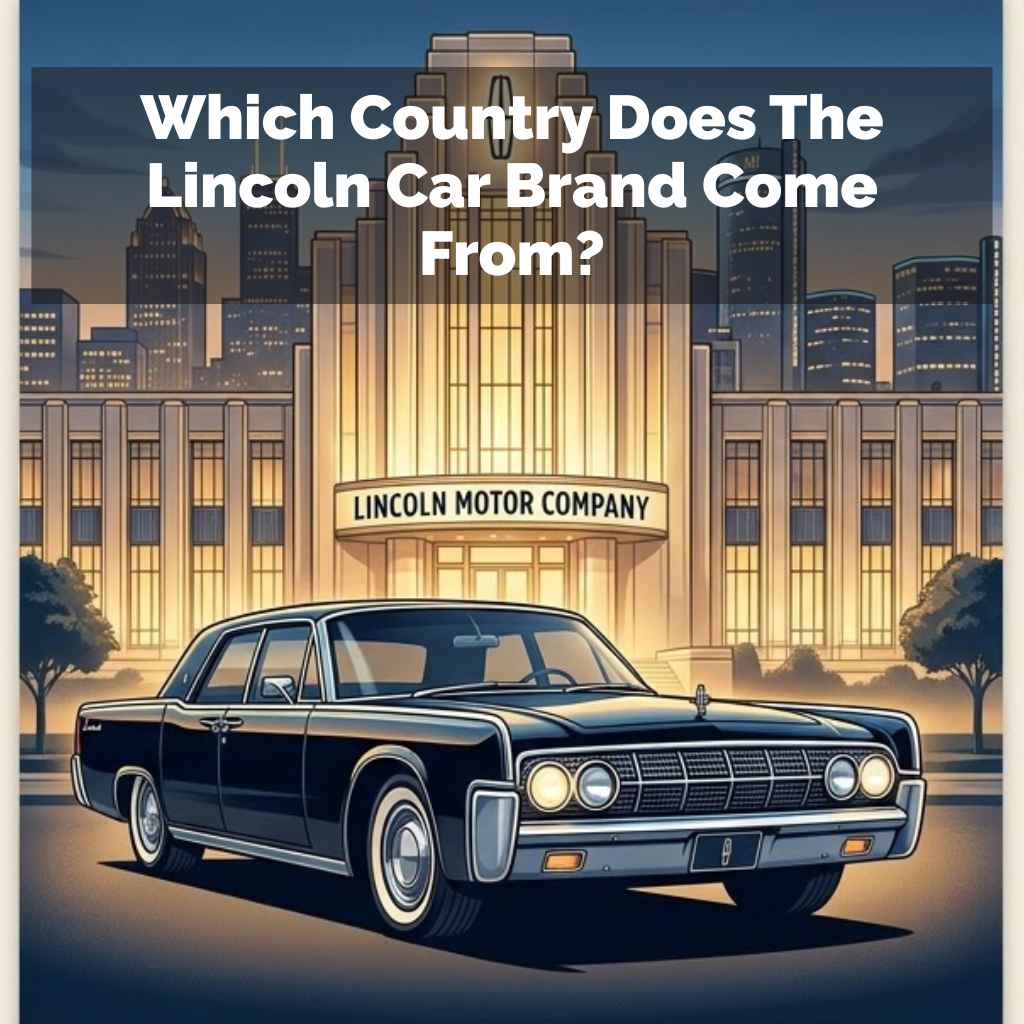
Which Country Does The Lincoln Car Brand Come From?
It’s a question many car lovers ponder, especially when looking at those elegant lines and the distinctive grille. You see a Lincoln, and your mind might wander to the open roads of America. But where does this luxury automaker actually hail from?
Let’s clear that up right now. We’ll dive into its origins and what makes the Lincoln brand so special.
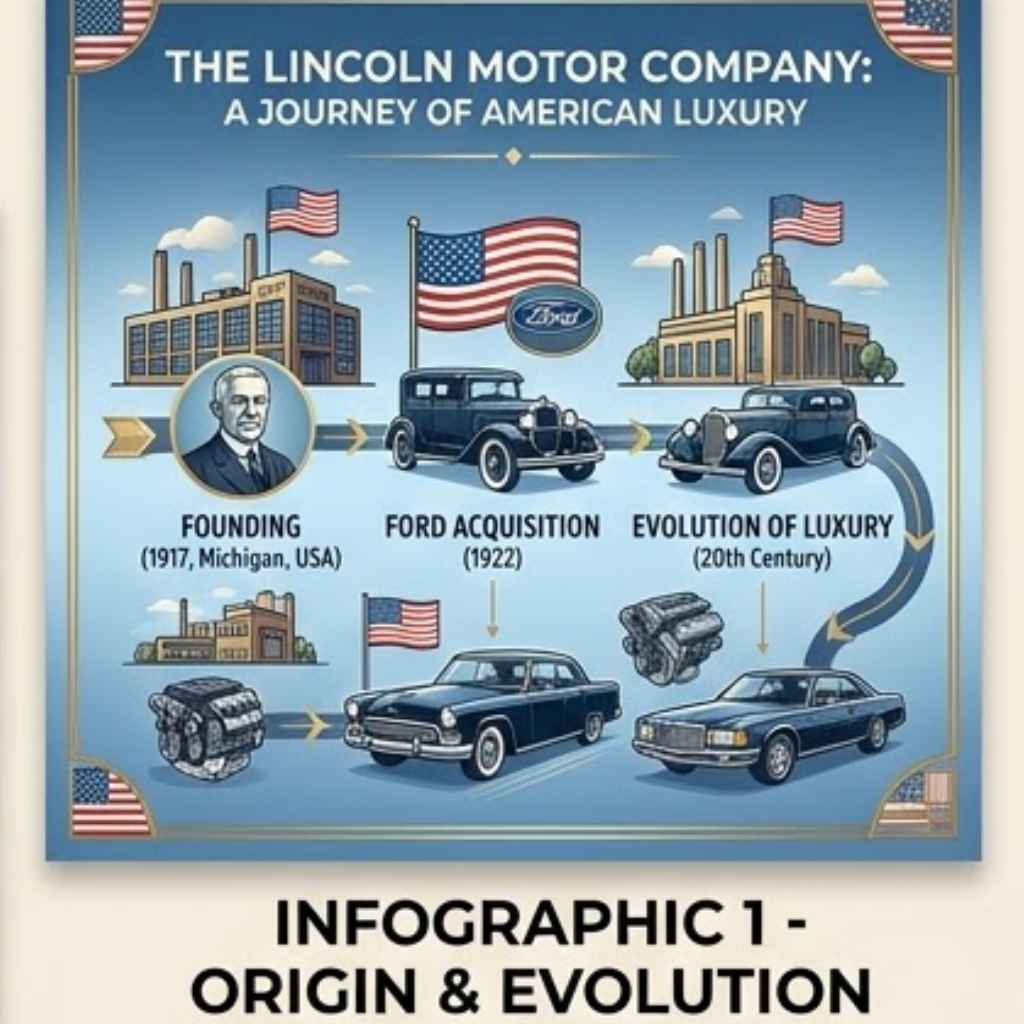
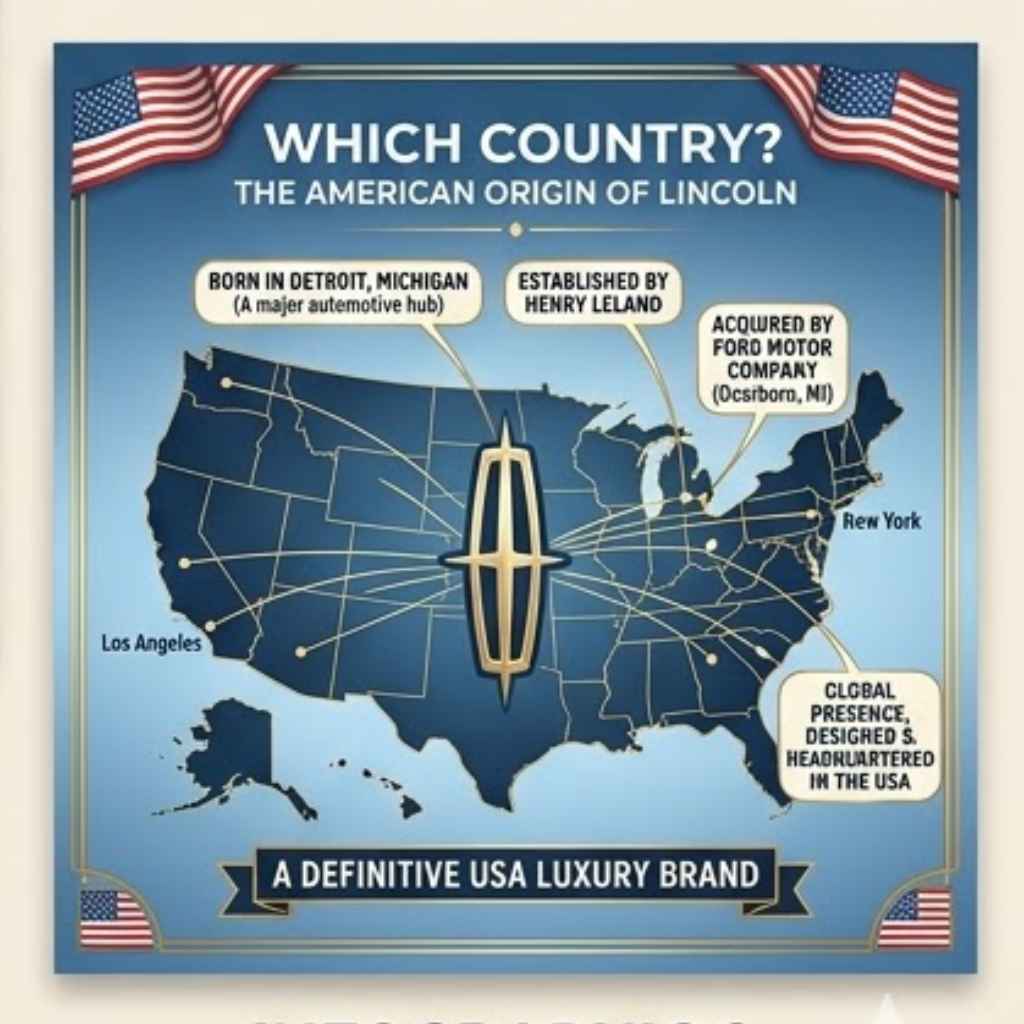
The Lincoln car brand is distinctly American. It was founded in 1917 in Detroit, Michigan, by Henry Leland, a pioneer in the automotive industry. Lincoln has always been a symbol of American luxury and craftsmanship, closely tied to the Ford Motor Company since 1922.
The American Roots of Lincoln
When we talk about luxury cars, Lincoln often comes to mind. It’s a name synonymous with American automotive history. But to truly appreciate the brand, we need to look back at its beginning.
This journey starts in a very specific place.
Lincoln began its life in 1917. The year itself feels historic, right? It was founded by a man named Henry Leland.
He was a seasoned automotive innovator. Before Lincoln, he was instrumental in starting another famous car company, Cadillac. This experience gave him a deep understanding of what makes a fine automobile.
Leland’s vision for Lincoln was clear from the start. He wanted to build cars that were the absolute best. Think about the finest materials and the most precise engineering.
That was his goal. He named the company after Abraham Lincoln, a nod to his admiration for the 16th U.S. President.
This connection aimed to embody American ideals and excellence.
The first Lincolns were built for military use during World War I. These were powerful engines, designed for tough jobs. After the war, the focus shifted to luxury passenger cars.
The company aimed to compete with other high-end brands of the era. They wanted to offer something truly superior to the everyday car.
A significant moment in Lincoln’s history came in 1922. That year, the Ford Motor Company acquired Lincoln. This was a major turning point.
Under Ford’s ownership, Lincoln gained access to more resources and manufacturing power. This allowed the brand to expand its reach and refine its products even further.
Ford saw Lincoln as its answer to other luxury marques. They wanted a car that represented the peak of American automotive achievement. This partnership allowed Lincoln to grow and solidify its identity.
It became known for its elegant designs, comfortable interiors, and smooth rides. These were cars meant for presidents and discerning buyers.
So, to answer the core question directly: Lincoln is an American brand. Its heritage is deeply rooted in Detroit, Michigan. Every car that rolls off the assembly line carries this legacy.
It’s a story of innovation, luxury, and a strong connection to the United States. This American identity remains a key part of what defines Lincoln today.
A Glimpse into Lincoln’s Founding Story
Henry Leland had a reputation for perfection. He was known for his meticulous attention to detail. This carried over into his creation of Lincoln.
He wanted every component to be top-notch. This focus on quality was not just a feature; it was the brand’s promise.
The early Lincoln models were not mass-produced. They were built with care and precision. This made them exclusive and highly desirable.
People saw them as more than just transportation. They were seen as statements of success and taste. The craftsmanship was evident in every curve and detail.
The acquisition by Ford was crucial. It provided the stability and backing needed for long-term growth. Ford’s existing manufacturing expertise helped Lincoln scale up production.
Yet, they managed to keep that core focus on luxury. It was a delicate balance that they navigated well.
Over the decades, Lincoln became the official state car for U.S. presidents. This cemented its status as an icon of American luxury.
Think of presidential motorcades. A Lincoln limousine was often at the center of it. This association added a powerful layer of prestige and national pride to the brand.
The design language of Lincoln has always been distinctive. They aimed for a look that was both stately and sophisticated. This often involved flowing lines, a prominent grille, and a confident stance.
Even today, modern Lincolns carry echoes of this classic design philosophy.
The name itself, Lincoln, evokes strength and leadership. It’s a name that resonates with American values. This branding choice was very deliberate.
It helped establish the car’s identity as a symbol of national pride and achievement. It’s a car designed for those who appreciate quality and heritage.
In essence, Lincoln’s origin story is intertwined with American industrial history. It’s a brand born from a desire for excellence. It was shaped by visionary leaders and integrated into the fabric of American automotive culture.
This foundation continues to influence its identity, even as it evolves for the modern era.
Lincoln’s Timeline at a Glance
1917: Founded by Henry Leland in Detroit, Michigan.
1917-1918: Produced Liberty aircraft engines for World War I.
1920: Introduced its first luxury passenger car.
1922: Acquired by the Ford Motor Company.
1939: Introduced the first Lincoln Continental, a design icon.
1961: The sleek Lincoln Continental Mark III was released.
1970s-1980s: Lincoln focused on larger, more luxurious sedans.
1990s: Introduced SUVs like the Lincoln Navigator.
2000s-Present: Focus on modernizing design and technology.
The Influence of Ford Motor Company
The relationship between Lincoln and Ford is deep and long-lasting. When Ford bought Lincoln, it was a strategic move. Ford already had a strong foothold in the automotive world.
Adding a luxury marque like Lincoln gave them a more complete portfolio.
This acquisition meant Lincoln could leverage Ford’s vast resources. This included advanced manufacturing techniques and extensive research and development capabilities. Ford’s engineering prowess helped refine Lincoln’s vehicles.
They could produce more cars without sacrificing the quality that defined the brand.
It’s important to understand that Lincoln was never just a sub-brand of Ford. It was always intended to be a distinct luxury offering. While they shared platforms and technologies, Lincoln vehicles were designed to stand apart.
They had unique styling, more premium interiors, and a different brand image.
Think of it like this: Ford makes great cars for many people. Lincoln makes cars for those who want a little more. More comfort, more style, more prestige.
The engineering might have common roots, but the final product was always meant to feel special and exclusive.
For many years, Lincoln models shared chassis with Ford’s larger vehicles. This was a cost-effective approach. However, Lincoln always received upgrades.
They got better engines, more advanced features, and a more luxurious finish. This ensured they felt distinctly premium compared to their Ford counterparts.
The Ford ownership also provided financial stability. The automotive industry can be very up and down. Having the backing of a large corporation like Ford meant Lincoln could weather economic storms.
It allowed them to invest in new designs and technologies even during tough times.
This continuous investment has been key to Lincoln’s longevity. While other luxury brands have come and gone, Lincoln has endured. Its American identity, bolstered by Ford’s steady hand, has been a constant.
The partnership has allowed Lincoln to bring iconic models to life. The Lincoln Continental, for instance, became a symbol of automotive elegance. Its design and presence were unmatched for its time.
This was a testament to the combined strengths of Lincoln’s vision and Ford’s manufacturing power.
So, while Lincoln is undeniably American, its modern form has been shaped by Ford. It’s a story of two American automotive giants working together. One set the vision for luxury, the other provided the means to achieve it on a grand scale.
Key Differences: Lincoln vs. Ford Models
Design Philosophy: Lincoln emphasizes elegance and quiet luxury. Ford often focuses on bolder styling and broader appeal.
Interior Materials: Lincolns typically use higher-grade leathers, woods, and metals. Ford interiors are durable and functional.
Ride Quality: Lincoln models prioritize a smooth, serene ride. Ford vehicles may offer a firmer, more responsive feel.
Features: Lincoln often debuts advanced comfort and tech features first, filtering down later.
Brand Positioning: Lincoln is the premium luxury arm. Ford covers a wide spectrum from economy to performance.
Lincoln’s Global Presence Today
While Lincoln is proudly American, its reach extends beyond U.S. borders. Luxury automotive brands often operate on a global scale.
Lincoln is no exception, although its primary market remains North America.
In recent years, Lincoln has made significant efforts to re-establish its brand identity worldwide. They have focused on creating vehicles that embody their core values: quiet luxury, intuitive technology, and elegant design. This global push aims to attract new customers who appreciate refined automotive experiences.
The Chinese market, in particular, has become very important for Lincoln. Luxury brands often find significant success there. Chinese consumers appreciate premium vehicles with a strong heritage and distinctive style.
Lincoln’s blend of American heritage and modern luxury has resonated well.
Lincoln vehicles are sold in many countries. However, the distribution and marketing efforts vary by region. In some markets, Lincoln may be sold through select dealerships.
In others, the presence might be more limited.
The brand’s strategy often involves tailoring its offerings to local preferences. While the core Lincoln DNA remains, there can be subtle adjustments. These might relate to features, engine options, or even design elements to suit regional tastes.
Despite its international presence, the heart of the Lincoln brand beats in America. Its design studios and engineering centers are primarily located in the U.S. The cars are still conceptualized, designed, and largely engineered with an American sensibility in mind.
This global outlook is a modern necessity for any luxury automaker. It allows for greater economies of scale and broader brand recognition. Yet, it doesn’t dilute the brand’s origin.
Lincoln remains an American luxury car, celebrated internationally for its unique character.
When you see a Lincoln on the road in Europe or Asia, it still carries that same emblem of American sophistication. It’s a testament to the enduring appeal of its design and the quality that Henry Leland first envisioned. The brand has successfully adapted to a globalized world while holding onto its roots.
Lincoln’s Key International Markets
- North America: United States, Canada, Mexico (Primary focus)
- Asia: China (Significant and growing market)
- Middle East: Select countries in the GCC region
- Other Regions: Limited presence in select European and South American markets.
The Evolution of Lincoln Design
Lincoln’s journey through time is also marked by its evolving design. From its inception, the brand aimed for elegance. But what does that mean across different decades?
It means adapting to the times while retaining a core identity.
In the early days, Lincoln cars were grand and imposing. They featured sculpted fenders, upright grilles, and an air of old-world luxury. Think of cars from the 1920s and 1930s.
They were works of art on wheels, crafted with meticulous detail.
The Lincoln Continental, introduced in 1939, was a groundbreaking design. It was long, low, and incredibly stylish. It set a new standard for automotive aesthetics.
This car became an icon of American design, a symbol of freedom and sophistication.
The post-war era saw Lincoln cars grow larger and more ostentatious. Fins, chrome, and powerful V8 engines defined the look of the 1950s. Lincoln captured the spirit of optimism and prosperity of that time.
These cars were built to impress.
The 1960s and 1970s brought a return to more restrained elegance. The Lincoln Continental from this era, for example, was known for its clean lines and understated luxury. It was less about flashy excess and more about refined comfort and presence.
As safety regulations and fuel efficiency concerns grew in the late 20th century, Lincoln’s designs shifted again. Cars became more aerodynamic and less boxy. The focus remained on comfort and a smooth ride, but the exterior styling adapted to new priorities.
The late 1990s and early 2000s saw the introduction of the Lincoln Navigator. This marked Lincoln’s entry into the luxury SUV market. It was designed to be spacious, comfortable, and capable, offering a premium alternative to other large SUVs.
In recent years, Lincoln has been on a mission to redefine its design language. The goal is to create vehicles that are modern, elegant, and distinctly Lincoln. You can see this in the sculpted bodies, signature lighting, and the emphasis on a serene interior experience.
Today’s Lincolns blend classic American luxury with contemporary style. They often feature a prominent grille, flowing body lines, and premium detailing. The interiors are designed to be havens of quiet comfort, with high-quality materials and advanced technology.
This continuous evolution ensures that Lincoln remains relevant and desirable.
Design Elements That Define Lincoln
Quiet Luxury: Emphasis on serene interiors and a smooth, hushed ride.
Elegant Lines: Sculpted body panels and flowing contours.
Signature Lighting: Distinctive front and rear lighting signatures.
Premium Materials: Use of high-quality leathers, wood trims, and metals.
Distinctive Grille: A signature element that anchors the front fascia.
What “American Luxury” Means for Lincoln
So, what does it really mean for Lincoln to be an “American luxury” brand? It’s more than just where it was founded. It’s about a philosophy and a set of values embedded in the vehicles.
American luxury often signifies spaciousness and comfort. Think of the wide-open roads of America. Cars designed for these environments tend to be roomy and easy to drive.
Lincoln vehicles often offer generous interior space and a focus on passenger comfort.
It also implies a certain sense of presence. American cars, especially luxury ones, have historically been built to make a statement. They are often substantial and commanding in appearance.
Lincoln vehicles tend to have a confident, stately stance.
The emphasis on technology is also part of this. While global brands all push tech, American luxury often integrates it seamlessly. It should enhance the driving and ownership experience without being overly complicated.
Lincoln aims for intuitive technology that makes life easier.
Quietness and refinement are key. The idea is to create a sanctuary away from the hustle and bustle. This is where the “quiet luxury” aspect comes in.
Lincoln invests heavily in sound deadening and suspension tuning to ensure a peaceful ride.
Another aspect is a certain unpretentious quality. While it’s a luxury brand, American luxury can sometimes feel more accessible than its European counterparts. It’s about quality and refinement without excessive ostentation.
It’s sophisticated, but approachable.
Lincoln’s heritage also plays a role. The brand has a long history of serving presidents and dignitaries. This legacy of prestige and service is part of its American luxury identity.
It’s a brand that has been trusted with important roles.
In essence, Lincoln embodies a specific vision of luxury. It’s one that prioritizes comfort, space, quietness, and approachable elegance. It’s a brand that celebrates its American roots and translates them into a unique automotive experience.
This blend of heritage and forward-thinking design defines what Lincoln stands for.
When Is It Normal to See a Lincoln?
It’s completely normal to see a Lincoln on the roads, especially in North America. They are designed for everyday driving, whether it’s commuting, running errands, or taking road trips. You’ll often spot them in various settings:
- Suburban Neighborhoods: Many families choose Lincolns for their comfort and space.
- Urban Centers: Lincolns are also seen in cities, often parked outside upscale residences or business districts.
- Highways and Byways: Their comfortable ride makes them ideal for long journeys across the country.
- Special Occasions: You might see them at events, formal gatherings, or used as luxury transport.
- Dealership Lots: Lincoln dealerships are common across the United States and Canada.
Seeing a Lincoln is a sign of automotive presence and a taste for refined vehicles. It’s a brand that has been part of the American landscape for over a century. So, whenever you see one, you’re looking at a piece of automotive history and modern American luxury.
Frequently Asked Questions About Lincoln’s Origin
Is Lincoln a German car brand?
No, Lincoln is not a German car brand. It is an American luxury car brand.
Who owns the Lincoln car company now?
Lincoln is owned by the Ford Motor Company, which acquired the brand in 1922.
Did Lincoln always belong to Ford?
No, Lincoln was founded by Henry Leland in 1917. Ford acquired it just five years later, in 1922.
What does the Lincoln logo represent?
The Lincoln logo is a star. It represents a guiding star and the brand’s aspiration to lead in luxury automotive design.
Are Lincolns still made in the USA?
While components may come from various global suppliers, Lincoln vehicles are primarily assembled in the United States, with some assembly also occurring in Canada.
What is the difference between Ford and Lincoln?
Lincoln is Ford’s luxury division. Lincoln vehicles typically feature more upscale materials, refined styling, and enhanced comfort features compared to Ford models.
Final Thoughts on Lincoln’s Identity
Understanding where Lincoln comes from helps us appreciate what it is today. It’s a brand built on American ingenuity and a commitment to luxury. From its founding in Detroit to its place in the global market, Lincoln remains a proud symbol of American automotive excellence.
Products related to this article
Sponsored / affiliate links. As an Amazon Associate I earn from qualifying purchases. I may earn additional commission from eligible campaigns.