How Much Coolant To Flush Your System
Many car owners wonder about their vehicle’s cooling system. Figuring out just how much coolant to use when flushing can seem tricky. It’s a common question for folks learning about car care.
But don’t worry, it’s simpler than you think. We’ll break it down step-by-step so you know exactly what to do. Get ready to learn the easy way.
This section focuses on answering the core question: How Much Coolant to Flush the Coolant System? Knowing the right amount is important for your car’s health. Using too little or too much can cause problems.
We will explore the factors that influence the amount of coolant needed. This includes understanding your car’s specific cooling system capacity. You’ll learn how to find this information easily.
We will also touch upon why a full flush is better than just topping up. This makes sure your engine stays cool and runs smoothly for a long time.
Understanding Your Vehicle’s Coolant Capacity
The amount of coolant your car needs is not a one-size-fits-all answer. It truly depends on the specific make and model of your vehicle. Different cars have different sized cooling systems.
Some have small systems for compact cars, while larger trucks and SUVs have much bigger ones. Knowing your vehicle’s exact coolant capacity is the very first step in knowing how much coolant to buy for a flush.
This capacity is usually listed in your car’s owner’s manual. It’s often found in the maintenance section or specifications page. If you cannot find your manual, you can often look this up online.
Many auto parts store websites and car forums will have this information available. Searching for ” coolant capacity” should give you precise numbers.
Coolant capacity is typically measured in quarts or liters. This is the total volume of the cooling system when it’s completely full. When you flush the system, you’ll want to replace roughly this full amount.
It’s always a good idea to buy a little extra just in case. Having a bit left over is handy for future top-ups.
Why Knowing Capacity Matters
Precise Replenishment: Using the correct amount ensures your system is neither overfilled nor underfilled. Overfilling can lead to pressure issues and coolant spills. Underfilling means the engine might not get cooled effectively, leading to overheating.
Optimal Performance: The cooling system is designed to work with a specific volume of coolant. This volume allows for proper circulation and heat dissipation. Sticking to this capacity helps your engine perform at its best.
Preventing Damage: Incorrect coolant levels can stress components like the water pump and radiator. This can lead to premature wear and expensive repairs down the line.
For example, a small economy car might only need about 6 quarts of coolant. A large V8 pickup truck could need 15 quarts or even more. Imagine putting the amount for a small car into a large truck.
The engine would likely overheat very quickly. Conversely, buying way too much for a small car means wasted money and potential disposal issues.
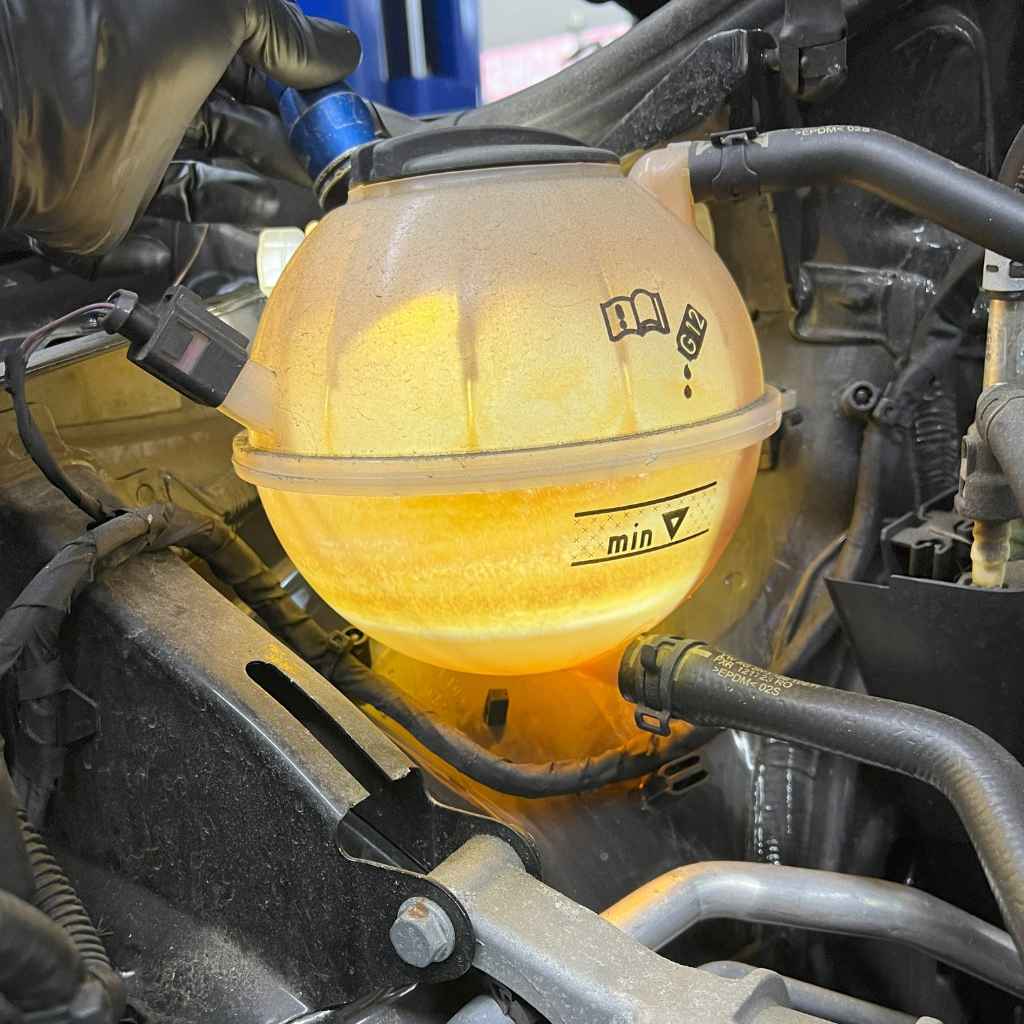
The Coolant Flush Process Explained
A coolant flush is more than just draining and refilling. It involves removing old, degraded coolant and any sediment or rust that has built up. This process helps keep your cooling system clean and working efficiently.
Proper flushing ensures that the new coolant can do its job effectively.
The steps generally involve draining the old coolant from the radiator and engine block. Then, a flushing agent might be used to clean out the system — which product depends on whether it is routine maintenance or the system has visible rust. After the system is flushed clean, it is refilled with new coolant.
Finally, the system is bled to remove any air pockets. Air pockets can cause the engine to overheat.
This thorough process is crucial for preventing corrosion and maintaining optimal engine temperature. It’s a key part of preventative maintenance for any vehicle. Neglecting to flush your coolant can lead to serious engine problems over time.
Steps for a Complete Coolant Flush
Prepare Your Vehicle: Ensure the engine is cool. Park your car on a level surface and engage the parking brake.
Locate and Drain: Find the radiator drain plug or lower radiator hose. Place a large drain pan underneath. Carefully open the drain plug or disconnect the hose to let the old coolant flow out. You may also need to locate and open the engine block drain plugs if your vehicle has them.
Flush the System: Once drained, close the drain plugs. Fill the system with distilled water. Start the engine and let it run for about 10-15 minutes with the heater on high. This circulates the water and cleans out remaining contaminants. Drain the water. You might repeat this step with water until the drained fluid runs clear.
Add New Coolant: Close all drain plugs and reconnect hoses. Consult your owner’s manual for the correct type and mixture of coolant (e.g., 50/50 mix of antifreeze and distilled water). Slowly fill the radiator and expansion tank with the new coolant.
Bleed the System: This is a critical step to remove air. Start the engine with the radiator cap off (or loosely on, depending on your system). Let the engine reach operating temperature while the heater is on high. Air bubbles will typically escape through the radiator neck or bleed screws. Top off the coolant as the level drops. Once no more bubbles appear, securely replace the radiator cap and check the coolant level in the expansion tank.
Following these steps ensures that you replace not just the coolant, but also clean out the system. This leads to better cooling performance and extends the life of your engine components.
Calculating How Much Coolant You Need
Now that you know your car’s capacity and the flush process, let’s talk numbers. The general rule is to buy enough coolant to match your system’s total capacity. However, there are a few things to consider.
If you are using a pre-mixed coolant (which is a 50/50 blend of antifreeze and distilled water), you’ll buy the total capacity amount. For example, if your car needs 10 quarts of coolant, you’ll buy 10 quarts of pre-mixed coolant.
If you are buying concentrated antifreeze and mixing it yourself with distilled water, you will need to calculate how much concentrate to buy. A common mixture is 50/50. So, for a 10-quart system, you would need 5 quarts of concentrated antifreeze and 5 quarts of distilled water.
It is always wise to buy slightly more concentrate than you think you’ll need, as mixing can sometimes require a little extra.
Factors Affecting Coolant Quantity
System Age and Condition: Older systems might hold slightly more or less than their original specification due to minor leaks or wear. However, for most practical purposes, the original capacity is still the best guide.
Aftermarket Parts: If you have installed aftermarket parts like a larger radiator or different hoses, these could slightly alter the system’s capacity. However, this is usually a minor change.
Spillage and Waste: During the draining and filling process, some coolant may be lost due to spillage or it might be difficult to drain every single drop. Buying a little extra ensures you have enough to fill the system completely and account for minor losses.
A common mistake is buying only one gallon of coolant for a car that needs more. For example, if your car needs 10 quarts, and coolant is sold in 1-gallon jugs (which are 4 quarts), you would need to buy at least 3 gallons to be safe (12 quarts total). This ensures you have enough to fill the system completely and account for any minor spills during the process.
Example Calculation
Let’s say your car has a cooling system capacity of 12 quarts. This is equivalent to 3 gallons.
If you are using a pre-mixed 50/50 coolant, you would purchase 3 gallons of the pre-mixed coolant. Many brands sell this in 1-gallon containers, so you’d buy three 1-gallon jugs.
If you are using concentrated antifreeze and plan to mix it yourself with distilled water, you will need 6 quarts of concentrated antifreeze and 6 quarts of distilled water. Since concentrated antifreeze is often sold in 1-gallon jugs (4 quarts), you would need to buy two 1-gallon jugs of concentrate. You would then supplement this with 2 additional quarts of concentrate and 6 quarts of distilled water, or simply buy three 1-gallon jugs of concentrate and use 6 quarts of it.
It’s also a good idea to have a jug of distilled water on hand. You can buy this at most grocery or auto parts stores. It’s essential for mixing with concentrated antifreeze and for flushing the system.
Choosing the Right Type of Coolant
Beyond just the amount, selecting the correct type of coolant is vital. Different cars use different antifreeze formulations. Using the wrong type can damage your cooling system.
Antifreeze types are often categorized by color, but this is not always a reliable indicator.
The most important factor is the coolant’s chemical composition. This includes additives that prevent corrosion and freezing. Your owner’s manual is the best source to determine the specific type of coolant your vehicle requires.
Common types include Inorganic Additive Technology (IAT), Organic Acid Technology (OAT), and Hybrid Organic Acid Technology (HOAT).
Mixing different types of coolants can lead to chemical reactions. These reactions can form sludge, clog passages, and reduce the coolant’s effectiveness. Always stick to the manufacturer’s recommendation for your vehicle.
Understanding Coolant Specifications
Coolant is designed to do two primary jobs: prevent freezing in cold weather and prevent boiling in hot weather. It also contains additives to protect metal components from rust and corrosion. These additives are crucial for the long-term health of your cooling system.
Different manufacturers use different additive packages. For example, General Motors (GM) vehicles often use Dex-Cool, which is an orange-colored OAT coolant. Many older Asian vehicles use a green IAT coolant.
European vehicles might use a pink or blue HOAT coolant. The labels on the coolant bottles will specify which types they are compatible with. Look for terms like “Asian Red,” “European Blue,” or “Universal.”
The concentration of antifreeze in the mixture is also important. A 50/50 mix of antifreeze and distilled water is standard for most climates and provides freeze protection down to about -34°F (-37°C) and boil-over protection up to around 265°F (129°C) with a pressurized system. In very cold climates, a 60/40 or 70/30 mix might be used for increased freeze protection, but always follow your owner’s manual guidelines.
Common Coolant Types and Their Uses
Green (IAT): This is an older technology. It’s commonly found in older American and some Asian vehicles. It typically needs to be replaced more frequently than newer types.
Orange (OAT): This is a longer-life coolant used in many GM vehicles (Dex-Cool) and some Chrysler models. It lasts much longer than traditional green coolant.
Yellow/Gold (HOAT): This is a hybrid technology that combines IAT and OAT properties. It’s used by many manufacturers, including Ford, and offers good protection and longevity.
Pink/Red (P-HOAT or P-OAT): Often found in European vehicles, these are also long-life coolants with specific additive packages designed for those engines.
Blue/Purple (Universal): These are often designed to be compatible with multiple types of cooling systems. However, it’s still best to check your owner’s manual to ensure compatibility before using a universal coolant.
Using the wrong type of coolant is a common mistake that can be costly. For instance, putting an OAT coolant in a system designed for IAT can cause the IAT additives to break down and form a corrosive sludge.
Distilled Water Versus Tap Water
When mixing antifreeze or performing flushes, using distilled water is crucial. Tap water contains minerals and impurities like calcium, magnesium, and iron. These minerals can cause several problems within your cooling system.
Over time, these minerals can deposit on the surfaces of the radiator, water pump, and engine block. These deposits act as insulators, reducing the efficiency of heat transfer. This means your engine might run hotter than it should.
These deposits can also clog narrow passages in the radiator or heater core, leading to poor heating or cooling.
Furthermore, minerals can accelerate corrosion. The protective additives in antifreeze are designed to work with pure water. Minerals in tap water can interfere with these additives, leading to rust and other forms of corrosion within the cooling system.
This can weaken metal parts and lead to leaks.
Why Distilled Water is Superior
Mineral Free: Distilled water has had virtually all minerals and impurities removed through the distillation process. This ensures it won’t leave deposits or react negatively with coolant additives.
Prevents Corrosion: With no minerals to interfere, the corrosion inhibitors in your antifreeze can work as intended, protecting your engine components.
Maintains Coolant Effectiveness: Using distilled water ensures that your coolant mixture maintains its intended properties for freeze and boil protection. Minerals in tap water can alter these properties.
A small, one-time cost for a few gallons of distilled water is far less expensive than repairing a cooling system damaged by mineral buildup or corrosion. Always check the coolant manufacturer’s instructions; they will almost always specify using distilled water.
Factors That Influence Coolant Amount Needed
While your car’s manual gives you the base capacity, a few other things might influence the precise amount of coolant you need. These factors can sometimes mean you need a little more or less than the stated capacity.
For example, if you are only partially draining the system, you won’t need a full flush amount. However, for a complete flush and fill, the capacity is your main guide. Always aim to have a bit extra on hand to ensure a complete fill and to account for minor spills.
It’s also important to consider the specific product you are using. Some coolants come in highly concentrated forms that require more water. Others are pre-mixed and ready to go.
Reading the product label is as important as reading your owner’s manual.
How Much Coolant to Flush the Coolant System? A Practical Guide
When performing a full flush, your goal is to
Always check the label of your chosen coolant. It will tell you if it’s concentrated or pre-mixed. It will also specify the correct mixing ratio for different temperatures.
For most areas, a 50/50 ratio is recommended and provides adequate protection.
Keep in mind that some air will inevitably remain in the system after filling, even after bleeding. This residual air is usually minimal and does not significantly impact the total coolant volume needed for the initial fill. The bleeding process helps to expunge most of it.
Considering Different Scenarios
Full System Flush: This is where you drain and replace the entire coolant volume. In this case, you need the full stated capacity of your vehicle. Buy slightly more than the capacity listed in your manual to be safe.
Partial Drain and Fill: If you are only draining the radiator and refilling, you will need less coolant. However, this method does not remove contaminants from the entire system. For example, if your radiator holds 5 quarts and your system capacity is 10 quarts, you’d only need about 5 quarts for a partial drain. This is less effective than a full flush.
Emergency Top-Up: For a quick top-up between flushes, you would only add a small amount to bring the level back to the “Full” mark on the reservoir. Use the correct type and mix of coolant.
A good rule of thumb is to buy at least 1-2 quarts (or liters) more than your vehicle’s stated capacity. This accounts for minor spills and ensures you can achieve the correct fill level. For a 10-quart system, purchasing 11-12 quarts of pre-mixed coolant or the equivalent concentrate and distilled water is a safe bet.
When to Seek Professional Help
While flushing your cooling system can be a rewarding DIY task, there are times when professional help is best. If you are unsure about your vehicle’s specific requirements or the process, it’s always safer to consult a mechanic.
Some vehicles have complex cooling systems with hard-to-reach drain plugs or intricate bleeding procedures. For example, some European vehicles have specific vacuum bleeding tools required to ensure all air is removed. Attempting this without the right tools or knowledge could lead to air pockets and overheating.
If you notice any leaks in your cooling system, or if your car has a history of overheating, it’s wise to have a professional diagnose the problem. They have specialized equipment to detect leaks and pressure test the system. They can also identify any underlying issues that might affect coolant capacity or performance.
Signs Your System Needs Professional Attention
Persistent Leaks: If you frequently need to top off your coolant, or notice puddles under your car, you likely have a leak. Professionals can pinpoint and repair these leaks effectively.
Overheating Issues: If your car’s temperature gauge consistently reads high, or the engine overheats, there could be a more serious problem than just needing coolant. This could involve a faulty thermostat, water pump, or radiator.
Unfamiliarity with the Process: If you’ve never flushed a cooling system before and feel unsure about any step, it’s better to let a mechanic handle it. Mistakes can be costly.
Complex System Designs: Some modern vehicles have very complex cooling systems that are difficult to service without specialized training and tools.
A professional mechanic can perform a coolant flush efficiently and correctly. They have access to the right types and amounts of coolant for your vehicle. They will also ensure the system is properly bled, which is vital for optimal performance and preventing damage.
Frequently Asked Questions
Question: How much coolant do I need for a 2015 Honda Civic?
Answer: For a 2015 Honda Civic, the coolant capacity is typically around 4.2 quarts (4.0 liters) for the 1.8L engine. Always check your owner’s manual to confirm, and purchase slightly more than this amount for a flush.
Question: Can I use tap water to mix with antifreeze?
Answer: No, you should always use distilled water. Tap water contains minerals that can cause deposits, clog the system, and accelerate corrosion.
Question: What happens if I put too much coolant in my car?
Answer: Overfilling the coolant system can create excessive pressure. This can cause coolant to be expelled from the overflow reservoir, leading to waste and potentially damaging seals or hoses.
Question: How often should I flush my coolant?
Answer: The frequency of coolant flushes depends on your vehicle’s make, model, and the type of coolant used. Generally, it’s recommended every 30,000 to 60,000 miles, or every 2 to 5 years. Check your owner’s manual for specific recommendations.
Question: Can I mix different brands of coolant if they are the same color?
Answer: It’s generally not recommended to mix different brands, even if they are the same color. Different brands may have slightly different additive packages that can react negatively when mixed, potentially causing damage.
Conclusion
Knowing how much coolant to flush the coolant system is about checking your car’s capacity. Always refer to your owner’s manual for the exact amount. Buy a little extra pre-mixed coolant or concentrate and distilled water.
This ensures you can complete the job safely. Proper flushing and filling keep your engine cool and running well.
Products related to this article
Sponsored / affiliate links. As an Amazon Associate I earn from qualifying purchases. I may earn additional commission from eligible campaigns.