How Much Does It Cost to Replace Leather Car Seats?
Replacing leather car seats is often reported at about $800 to $2,500 per seat at an upholstery shop, while repairing panels or bolsters often runs about $150 to $900. Full replacement makes sense only when damage is widespread or seat features are complicated. Ignoring torn leather or broken heaters can leave you paying more for foam, wiring, and airbags later. This guide compares repair, partial reupholstery, full-seat replacement, and OEM pricing, so you can judge quotes on the same terms.
What drives leather seat costs


Damage depth and size matter most. A small scuff needs cleaning, sanding, fill, and color blending, while a tear that reaches foam can require patching from behind, texturing, and a broader refinish. The bigger the damaged area, the more labor and color work you pay for.
Vehicle trim, seat count, and seat features also move the bill. A driver seat is not priced like a full cabin, and a seat with heaters, airbags, occupancy sensors, or perforated leather takes more time to remove and reinstall. Standard black or grey is easiest to match; unique colors often need custom dye mixing.
Shop labor rates and local market pricing change the final total as well. An upholstery shop in a high-cost area may charge more for the same seat work than a smaller market. Ask for a written estimate that separates labor, materials, seat removal, and any sensor or airbag handling.
Damage depth changes the job
Light surface wear is usually a spot repair. Deep cuts often turn into panel-level work. Once the leather coating peels or cracks badly, the shop may need to strip, recolor, and seal the surface instead of doing a quick touch-up.
Seat features add labor
Heated seats, airbags, and seat occupancy sensors add both time and risk. If the shop must remove the seat, disconnect wiring, or transfer safety hardware, labor rises. Perforated leather also complicates repair because filler and dye can clog the holes if the process is not controlled.
Leather seat repair costs by damage type
Minor repairs are the cheapest path when the foam, frame, and safety hardware are intact. The farther the damage spreads across a panel or bolster, the faster repair costs move toward reupholstery. If the damage stays on one section, repair is usually the lower-cost answer.
Light scratches and scuffs
Light scratches and scuffs typically cost $50 to $150 to repair. The common process is clean, sand, fill, color match, blend. This works best when the leather is still structurally sound and the damage has not cut through the surface layer.
Deep cuts and tears
Deep cuts and tears typically cost $200 to $500+ to repair. A shop may need to patch from behind, fill the surface, restore texture, and then color match the area. If the tear is near a seam or edge, the job can take more time and may be less invisible after repair.
Color fading, wear, and cracked coating
Color fading and wear typically cost $100 to $300 per panel. A worn panel often needs a deep clean, prep, fresh dye, and coating. If the leather seat coating is peeling or badly cracked, the job may move from a simple refinish to more intensive repair because the finish no longer bonds cleanly.
Full-seat re-dye
A complete re-dye of a full seat typically costs $300 to $800+ per seat. That price reflects stripping, recoloring, and sealing a larger surface, not just touching up a small spot. It is often a better choice when the whole seat has faded unevenly or the color no longer matches adjacent panels.
Leather seat cost comparison table
This table breaks the cost stack into the parts that usually show up on a quote. Use it to compare shops on the same scope, not just the headline number.
| Work type | Typical parts or materials | Labor | Color matching | Seat removal | Sensor or airbag handling | Typical total |
|---|---|---|---|---|---|---|
| Repair and spot restoration | Fillers, dyes, coating materials | Low to moderate | Usually included; easier on black or grey | Usually not needed | Usually none | $50 to $300 per panel, depending on damage |
| Partial reupholstery | Replacement panel or section of leather | Moderate | Important if the new panel must blend with old leather | Sometimes needed | May apply on powered seats or side airbags | $300 to $900+ depending on seat design |
| Full seat-cover replacement | Leather cover kit or recovered upholstery set | Moderate to high | Critical across the whole seat | Often needed | Often needed on modern seats | $800 to $2,500 for materials, plus labor |
| OEM replacement | Factory seat or factory seat skin and related parts | High | Factory match is usually best, but not always cheap | Usually needed | Often needed | Several thousand dollars per seat for parts alone, plus several hundred more for labor |
Should you repair or replace leather seats?
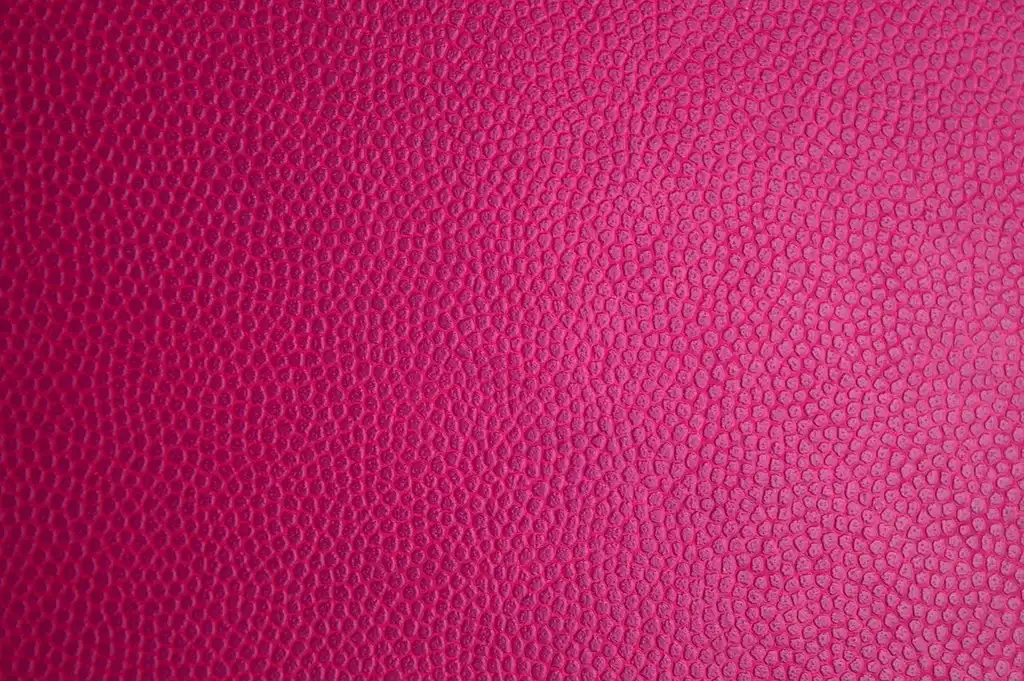
Repair makes financial sense when the damage is small, localized, and away from heat elements, airbags, or occupied-seat sensors. If the tear is limited to one bolster or panel, the fix is often cheaper than changing the whole seat. Once damage spreads across multiple panels, replacement starts to make more sense.
When repair is the better call
Choose repair when the leather is torn in one spot, the foam is still intact, and the seat shape has not collapsed. A swatch strap replacement is often a smaller, less expensive job, and a leather seat strap or bolster side repair is often in the $75 to $150 range. That kind of work is far cheaper than rebuilding an entire seat.
When partial reupholstery is the middle ground
Partial reupholstery fits between patch repair and full replacement. It works when one panel is too damaged for a cosmetic fix, but the rest of the seat is still usable. This option can be smart for a driver bolster, a seat bottom panel, or a backrest panel with wear in only one area.
When full replacement is the better call
Full replacement starts to make sense when damage is spread across multiple panels, the leather coating is failing broadly, or a previous repair has already failed. Suppose the driver seat has a deep tear, heavy fading, and cracked coating on more than one panel. In that case, separate repairs can add up quickly and still look uneven.
A common first-timer mistake is paying for several small repairs on a seat that really needs a full cover or full seat replacement. Once the shop has to keep blending across aging leather, the quote can creep toward the price of a cleaner, longer-lasting solution.
What makes replacement more expensive?
Replacement costs rise because you are paying for more than leather. Color matching, seat removal, safety hardware, and reinstallation all add time. OEM replacement can cost several thousand dollars per seat for parts alone, and labor for OEM replacement adds several hundred more dollars.
Color matching and dye mixing
Standard black or grey is easiest to match. Unique colors require custom dye mixing, and that adds time even when the seat itself is otherwise simple. Fading on adjacent panels can also force the shop to widen the refinish area so the new color does not stand out.
Perforated leather, heaters, airbags, and sensors
Perforated leather is harder to refinish cleanly because filler and dye can clog the holes. Heated seats and airbags add removal and transfer work. Occupancy sensors can require careful reinstallation so the seat functions correctly after the job is done.
Seat removal, reinstallation, and calibration
Some seats cannot be repaired properly while still bolted in place. Removal raises labor because the shop has to disconnect wiring, move the seat safely, and reinstall everything afterward. If the vehicle uses electronic seat systems, calibration or fault clearing may also be needed.
How much does it cost to change car leather seats?
Changing car leather seats can mean a leather cover kit, custom upholstery, or a full swap from cloth to leather. The cheapest path is usually a pre-made kit, while the most expensive is OEM replacement. Quality, fit, and the number of powered or safety-equipped seats change the final price fast.
Aftermarket leather seat covers and kits
A full set of quality pre-made leather seat covers might range from $800 to $2,500 for materials. That is usually cheaper than OEM replacement, but fit and finish vary by kit and vehicle. More complex seats can still take significant labor to install the covers correctly.
Custom upholstery installation
Custom upholstery is a labor-heavy option for full-seat replacement. Price rises with vehicle complexity and leather quality. A simple bench or basic bucket seat costs less than a power seat with airbags, heaters, and multiple panels that must be matched and stitched to look factory-correct.
Replacing cloth seats with leather
Replacing cloth car seats with leather usually means one of two things: a leather kit over the original foam and frame, or full custom upholstery. If the vehicle was not built with leather, expect more labor than a simple repair. The hardware under the upholstery may also need attention before new covers go on.
Picture a sedan with standard grey seats and a single bolster scuff. That job is often a repair or small re-dye. Now picture a luxury SUV with perforated leather, heated cushions, a side airbag, and a seat sensor. The labor stack is very different, even before color matching enters the quote.
Frequently asked questions
How much does it cost to repair leather car seats?
How much does it cost to repair leather car seats depends on the damage type and panel size. Fading and wear often land at $100 to $300 per panel.
How much does it cost to fix ripped leather car seats?
How much does it cost to fix ripped leather car seats usually depends on whether the tear is shallow or reaches foam. A small rip may stay near the lower end of the deep-tear range, while a longer tear near a seam can push toward $500+ if patching and blending are needed.
How much does it cost to repair cracked leather car seats?
How much does it cost to repair cracked leather car seats often falls between spot repair and full re-dye pricing. If the cracking is limited to one panel, $100 to $300 per panel is common for fading and wear. If the coating has broken down across the seat, $300 to $800+ may be more realistic.
How do I know when a seat needs reupholstery instead of repair?
If the damage covers multiple panels, the leather coating is peeling broadly, or the repair would need too much blending to look right, partial or full reupholstery is usually the better value.
Can a leather repair kit handle large tears?
Can a leather repair kit handle large tears? Usually not well. Kits are better for small scuffs, narrow splits, or cosmetic touch-ups. Large tears often need backing material, stitching, texture work, and color matching that goes beyond what a simple kit can do cleanly.
What makes leather seat replacement more expensive?
What makes leather seat replacement more expensive is the mix of parts, labor, and safety hardware. OEM replacement can cost several thousand dollars per seat for parts alone, labor adds several hundred more dollars, and options like heaters, airbags, perforated leather, and occupancy sensors increase the job time further.
- Compare repair, partial reupholstery, full seat-cover replacement, and OEM replacement as separate options.
- Ask for line items for labor, materials, color matching, seat removal, and sensor or airbag handling.
- Check whether the seat has heaters, airbags, perforated leather, or occupancy sensors before agreeing to a quote.
- Get multiple quotes and compare the same scope, not just the total price.
- Choose repair when damage is limited, reupholstery when one panel is too far gone, and replacement when the seat is worn across multiple areas.
Products related to this article
Sponsored / affiliate links. As an Amazon Associate I earn from qualifying purchases. I may earn additional commission from eligible campaigns.