How Much Does Leather Seat Conditioning Cost?
Leather seat conditioning usually costs roughly $50 to $150 per vehicle, or about $20 to $60 per seat. Heavily worn leather, dye transfer, or cracked bolsters can push the job into repair territory and much higher pricing. Skip it, and leather can dry out, stiffen, and crack, which costs far more to fix later. This guide breaks down pricing by service scope, seat condition, and the point where conditioning stops being enough.
What leather seat conditioning covers



Leather seat conditioning is maintenance work that helps keep leather soft and flexible. It does not fix cracks, peeling, faded dye, or torn stitching. For lightly soiled seats, a cleaner is usually used first, then the conditioner goes on as a separate step or as part of a paired service.
The service can be simple surface care or a more involved corrective job. That difference matters because a clean, protected seat takes far less time than a seat with body-oil buildup, dye transfer, or drying along the bolsters.
Maintenance conditioning versus corrective reconditioning
Maintenance conditioning is for leather that is still in good shape. Corrective reconditioning is for leather that looks dry, feels stiff, or needs more prep before conditioner can do its job. The correction side adds labor, not magic. If the surface is cracked or the dye is failing, conditioning alone is the wrong billable line.
Why cleaning usually comes first
A pH-safe leather cleaner removes the grime sitting on top of the finish, including body oils and surface dirt. Conditioner works best on a clean surface, not on residue. Cleaner-plus-conditioner packages cost more than conditioner alone because they add time and product, but they usually give a better result on used seats.
Cleaner has limits. It may lift light grime and some dye transfer, but it will not erase every stain. A detailer who promises that from conditioner alone is overselling the job.
What conditioner can and cannot fix
Conditioner can help dry leather feel more supple and may slow further drying. It cannot rebuild missing dye, close cracks, or unpeel flaking sections. Once the leather surface is split, the job shifts toward upholstery repair or restoration.
Cream, spray, and gel formulas all exist. Sprays are usually quicker to apply across large areas. Creams and gels often stay in place longer and are common for heavier maintenance on seats with more texture or dryness.
Leather seat cost matrix
| Scenario | Likely price range | Price drivers | Time required | When it becomes poor value |
|---|---|---|---|---|
| DIY maintenance | $15 to $40 for cleaner and conditioner | Product format, seat count, whether you need a separate cleaner | 30 to 90 minutes for a coupe or sedan; longer for an SUV | When leather is stained, dry, cracked, or perforated enough to slow application |
| Basic pro conditioning | $50 to $150 per vehicle, or about $20 to $60 per seat | Shop minimum charge, seat count, labor rate, front seats only versus full interior | 30 to 75 minutes for maintenance-level seats | When the quote covers only a quick wipe and no real cleaning on soiled leather |
| Deep clean plus conditioning | $100 to $250 per vehicle, often more for large interiors | Cleaner-plus-conditioner service, staining, body-oil buildup, inspection time | 1.5 to 3 hours depending on row count | When the seats need repair rather than surface care |
| Correction-level reconditioning | $250 to $600+ depending on damage | Drying, cracking, fade correction, seam work, bolster treatment, labor time | Several hours to a full day | When peeling, deep cracks, or dye loss make restoration or upholstery repair unavoidable |
These figures are typical guideposts, not fixed menus. The final invoice depends on whether the work is billed per seat, by row, or as a full interior package. Labor time matters because most detailing shops price by the hour, then add product and overhead.
How much does leather seat conditioning cost?
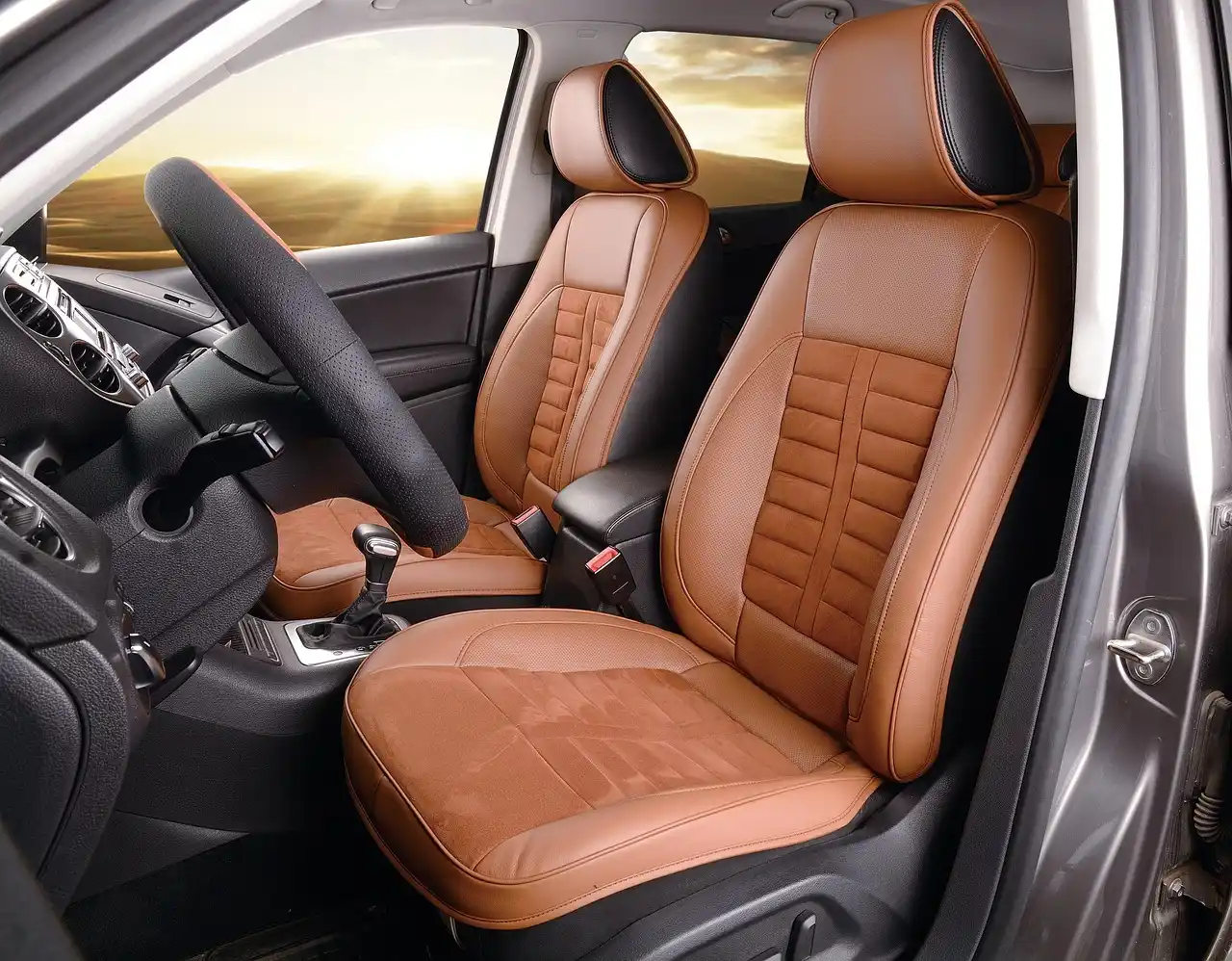
Most owners pay $20 to $60 per seat or $50 to $150 for a basic vehicle-level conditioning service. Front seats only usually land lower than a full interior, while SUVs and trucks often cost more because they have more leather area and more labor time. Once the work turns into cleaning, correction, or repair, the price moves up fast.
Typical per-seat and full-interior pricing
Per-seat pricing is common when only the driver and front passenger seats need attention. Full-interior pricing is more common when the second row and cargo-area trim are also leather-covered. Coupe and sedan interiors usually stay at the low end of the range; three-row SUVs and crew-cab trucks cost more because there is simply more material to treat.
Hourly labor, shop minimums, and mobile premiums
Interior detailing labor often falls around $50 to $125 per hour depending on market and shop type. Many detailers also have a shop minimum, so a tiny two-seat job can still cost more than the product alone suggests. Mobile detailing often costs more because travel time, water, power, and scheduling overhead get built into the quote.
How vehicle size changes the total
A sedan with two front leather seats can be a straightforward maintenance visit. Add a rear bench, fold-down sections, or third-row seating, and labor climbs quickly. Trucks and SUVs often require more time at the bolsters, seams, and perforation points, so the bill reflects row count as much as it reflects seat count.
Suppose a two-seat coupe needs only dust removal and a light cream conditioner. That is a very different job from a three-row SUV with stained bolsters and dry perforated inserts, even if both owners ask for “conditioning.” The service label may sound the same, but the labor is not.
What changes the price?
Price changes with seat count, leather type, condition severity, and add-on protection. A seat that only needs maintenance is priced very differently from one that needs cleaning, inspection, seam treatment, and correction-level reconditioning. The more prep and judgment involved, the higher the labor bill.
Seat count and row count
Most quotes are built around front seats only, front row plus rear bench, or full interior. Each extra row adds surface area and time. SUVs and trucks usually cost more than coupes and sedans for that reason alone, even before condition is considered.
Condition severity
Light maintenance work costs the least. Drying and early cracking raise the price because the detailer spends more time cleaning, massaging, and inspecting the surface. Staining and body-oil buildup add another layer of labor, especially where the finish is darker near the seat base or steering-wheel side.
Once you see flaking, deep cracks, or color loss, conditioning should stop being sold as a cure. That is the point where repair or restoration becomes the honest recommendation.
Leather type and perforation
Sealed or coated automotive leather is common and usually the easiest to clean and condition. Perforated leather takes more care because product can collect in the holes. Aniline leather needs more caution than protected leather because it absorbs more readily and is easier to mark. That changes both labor time and risk.
Add-ons and inspection time
Some shops add UV protection, dye transfer removal, surface inspection, and seam or bolster treatment. These extras can be useful, but they also add time. A careful inspection can catch wear that basic conditioning would miss, which is why the invoice grows when the seat has more than simple dryness.
Should you pay a pro or do it yourself?
DIY makes sense when the seats are clean, lightly dry, and made of standard sealed automotive leather. A pro is usually the better value when the car is larger, the leather is perforated, or the seats need cleaning before conditioning. The break-even point is not just product cost; it is your time, the chance of mistake, and the size of the interior.
Product cost versus labor cost
A bottle of conditioner may cost far less than a shop visit, but one bottle does not buy a trained inspection, stain assessment, or seam treatment. DIY also needs cleaner if the seats are dirty, plus microfiber towels and enough time to work panel by panel. A pro quote includes labor, equipment, and the ability to spot damage early.
When DIY makes sense
DIY is practical for light maintenance, especially on a sedan or coupe with healthy leather. Cream, spray, and gel products can all work if you follow the product directions and avoid overapplying. Harsh household cleaners are a bad substitute because they can strip the finish or leave residue that interferes with conditioning.
When a detailer is the better value
Choose a detailer when the leather has body-oil buildup, dye transfer, or dry stitching areas that need a proper cleaner first. Choose a pro also when you want UV treatment, inspection, or treatment around seams and bolsters. If the quote is only slightly above the cost of products and your time is limited, professional service often wins.
A common first-timer mistake is treating a stained driver’s seat with conditioner only. The seat may feel softer afterward, but the stain still sits there, and the quote was spent on the wrong step. Cleaning first would have been the better spend.
How often should leather be conditioned?
Most car leather is commonly conditioned every 3 to 6 months, though climate and use can shorten that interval. Hot sun, frequent parking outdoors, and heavy seat use dry leather faster. If the vehicle is garaged, lightly used, and cleaned regularly, the interval can often stretch longer.
Mileage and climate factors
High mileage usually means more seat time, more skin oils, and more wear on the bolsters. Dry climates and strong sun accelerate drying, which is why UV protection can be a sensible add-on. Humid climates do not eliminate the need for conditioning, but they may slow visible drying.
Signs the seats need attention sooner
If leather starts to feel rough, stiff, or chalky, do not wait for the calendar. Fading color, shiny wear spots, and small surface lines are also signs the seats need care. Once you see cracked edges or peeling, conditioning is no longer enough.
How cleaning schedules affect conditioning intervals
Seats that are cleaned on a regular schedule usually need less aggressive conditioning later because grime is not building up in the finish. A cleaner-plus-conditioner routine twice a year is common for many drivers. Light maintenance between those visits can keep the leather from sliding into correction-level work.
When conditioning is not enough
Conditioning stops at the surface. If the leather has crack lines that catch a fingernail, faded dye, peeling topcoat, or split seams, the job should move to upholstery repair or restoration. That work costs more because it uses different materials, more labor, and more skill than maintenance conditioning.
Crack, fade, and peel thresholds
Fine dryness lines may still respond to cleaning and conditioning. Deep cracks, peeling, and major color loss usually do not. A seat with worn-through bolster edges is especially likely to need repair work because the failure is no longer just dry leather.
When to move to upholstery repair
Move to repair when conditioner cannot restore the surface appearance or when the damage affects comfort and durability. Repair pricing can vary widely by panel, seat, and color match, which is why it quickly outpaces a basic conditioning quote. This is the point where a detailer should refer the job rather than stretch the definition of conditioning.
Why restoration costs more than conditioning
Restoration often involves cleaning, prep, filler, color work, and curing time. A simple conditioner application may take under an hour; restoration can take much longer and may require multiple visits. That labor gap is the main reason repair costs so much more than maintenance.
Frequently asked questions
Is leather seat conditioning included in interior detailing?
Sometimes, but not always. Some interior detailing packages include a quick conditioning wipe, while others treat leather conditioning as an add-on line item. Check whether the quote covers cleaning first, how many seats are included, and whether the service is maintenance only or deeper correction work.
How often should car leather be conditioned?
A common interval is every 3 to 6 months. Hot sun, dry air, heavy use, and frequent parking outdoors can shorten that schedule. If the leather feels stiff, looks dull, or shows early surface lines, it is time to condition sooner rather than waiting for the next planned service.
How much does it cost to recondition leather seats?
Correction-level reconditioning can run from roughly $250 to $600 or more, depending on seat count, leather type, and damage. Dryness, staining, and seam wear add labor. Once cracking, peeling, or fade correction enters the job, it is no longer basic conditioning pricing.
Should I condition leather seats myself or pay a pro?
DIY is often fine for light maintenance on clean, sealed leather. A pro is usually better value when the car has multiple rows, perforated seats, body-oil buildup, or any need for cleaning before conditioning. The cost difference narrows once you price your time and product purchases.
Products related to this article
Sponsored / affiliate links. As an Amazon Associate I earn from qualifying purchases. I may earn additional commission from eligible campaigns.
 Leather Cleaner for Car Interior - 2 Pack Leather Seat Cleaner & Conditions Car Seats, Dashboard, Furniture & More, Restores Shine, About 120g per Bottle
 CAR Pass 5 Seats Luxury Leather Seat Covers Full Set, Waterproof Durable Premium Leather Car Seat Covers, Universal Fit for Most Trucks Sedans Vans SUVs Cars Deluxe Sporty (Black and Gray)