How Much Does Leather Seat Protection Cost?
Leather seat protection is often reported to cost about $150 to $600 for professional treatment, or about $40 to $200 for DIY products, plus roughly $50 to $150 a year for upkeep. Skip it, and spills, UV exposure, and abrasion can push you toward expensive cleaning, reconditioning, or seat replacement. Here’s how the price breaks down, what labor adds, and when protection pays for itself versus repair or replacement.
What leather seat protection actually covers
Leather seat protection is not one purchase. It can mean a surface protectant, a fitted cover, or a full upholstery replacement, and each one has a different cost, fit, and lifespan. Front-seat-only coverage is cheaper than full-vehicle coverage, but the cheaper option does less to protect rear seating and high-wear entry points.
Covers, coatings, and upholstery replacement
Protective sprays and conditioners sit at the low end of the budget. They help slow drying, staining, and scuffing, but they do not hide damaged trim or rebuild worn foam. Seat covers add a physical barrier, while replacement-grade upholstery changes the actual seat skin.
That difference matters because the repair bill can jump from care costs into material and labor costs fast. A cover can keep a stain from setting. A replacement job is what you choose after the original leather has already cracked, split, or worn through.
Front seats only versus full-vehicle coverage
Front-row coverage usually costs less because it uses fewer materials and less labor. Full-vehicle pricing rises quickly once rear seats, headrests, armrests, and side bolsters are included. On many vehicles, the back seat wears slower than the driver’s seat, so the value case is often strongest for the front row.
When protection is worth paying
Protection makes the most sense when the seat still looks good enough to preserve. That includes a new car, a leased vehicle with turn-in standards, or a family SUV that faces spills and frequent entry and exit. Once leather is already splitting or foam is exposed, replacement usually makes more sense than another layer on top.
How much leather seat matrix
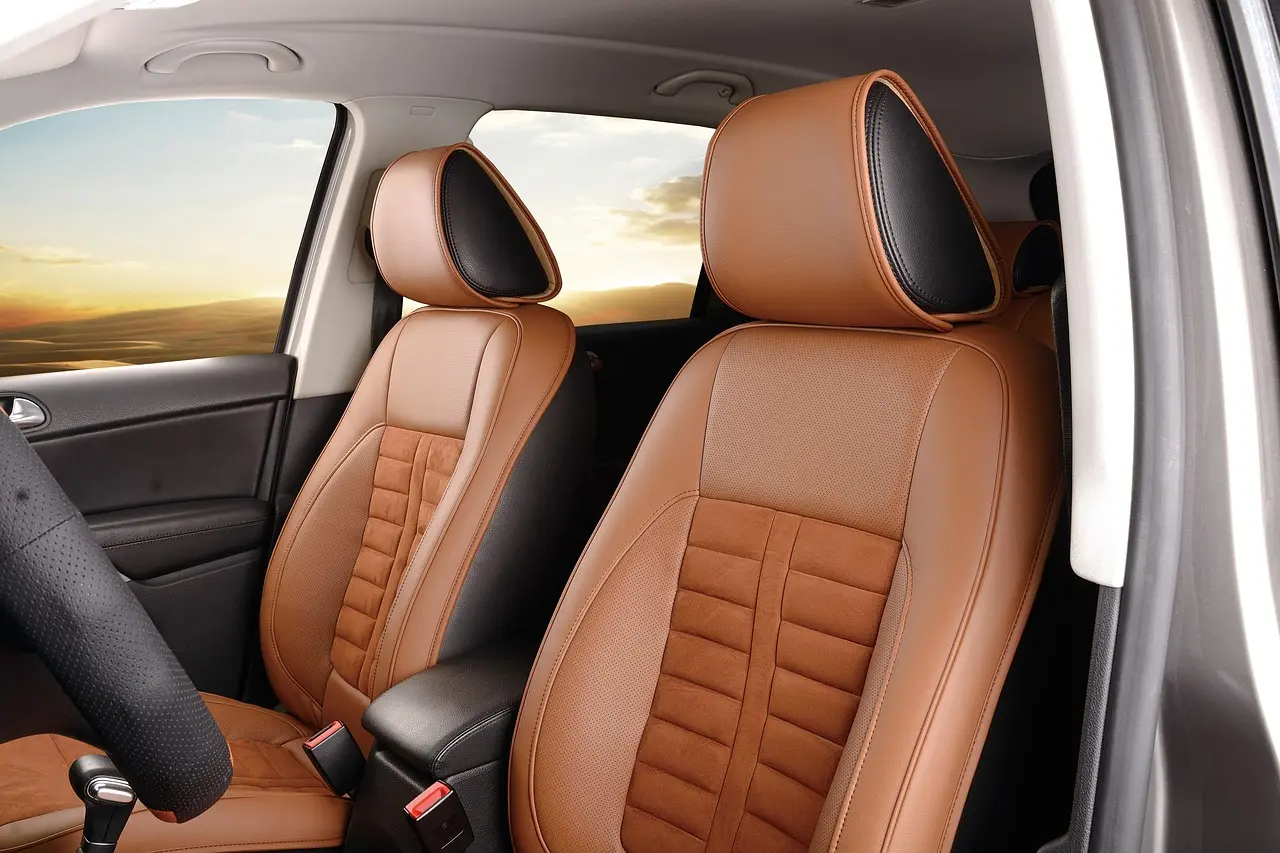
This matrix separates materials, installed price, upkeep, and fitment so you can compare protection to replacement-grade work. Use it as a budgeting tool, not a quote sheet, because vehicle shape, seat electronics, and regional labor rates can change the total quickly.
| Option | Upfront price | Installed price | Expected lifespan | Maintenance frequency | Fitment notes | Best financial fit |
|---|---|---|---|---|---|---|
| DIY protectant or conditioner | $40 to $200 | $40 to $200 | Short-term between cleanings | Every few months | Works on most leather surfaces if the label matches the finish | Used vehicles, budget owners, light wear prevention |
| Professional leather protection treatment | $150 to $600 | $150 to $600 | Maintenance-based, not permanent | About once or twice a year | Useful when the seat is intact and you want easier cleanup | New cars, lease returns, higher-value trims |
| OEM-style or aftermarket seat covers | Varies by kit and seat count | Varies with DIY or shop install | Moderate, depending on material grade | Periodic cleaning and fit checks | Airbag-safe and heater-safe versions cost more | Families, work vehicles, owners who want reversible protection |
| Custom-fit upholstery kit | More than universal covers | More with upholstery labor | Longer than thin covers if properly installed | Regular cleaning and conditioning | Vehicle-specific patterning improves appearance and fit | Newer vehicles, resale-minded owners, premium interiors |
| Replacement-grade leather upholstery | $600 to $2,000 per seat in material | $350 to $1,800+ per seat for labor | Long-term if maintained | Annual care plus routine cleaning | Heated and ventilated seats add complexity | Worn seats, damaged foam, full refresh jobs |
The table separates preventive spending from replacement spending. That matters because a lower monthly upkeep bill can still be the cheaper choice if it keeps you out of upholstery labor later.
How much do leather seat covers cost?
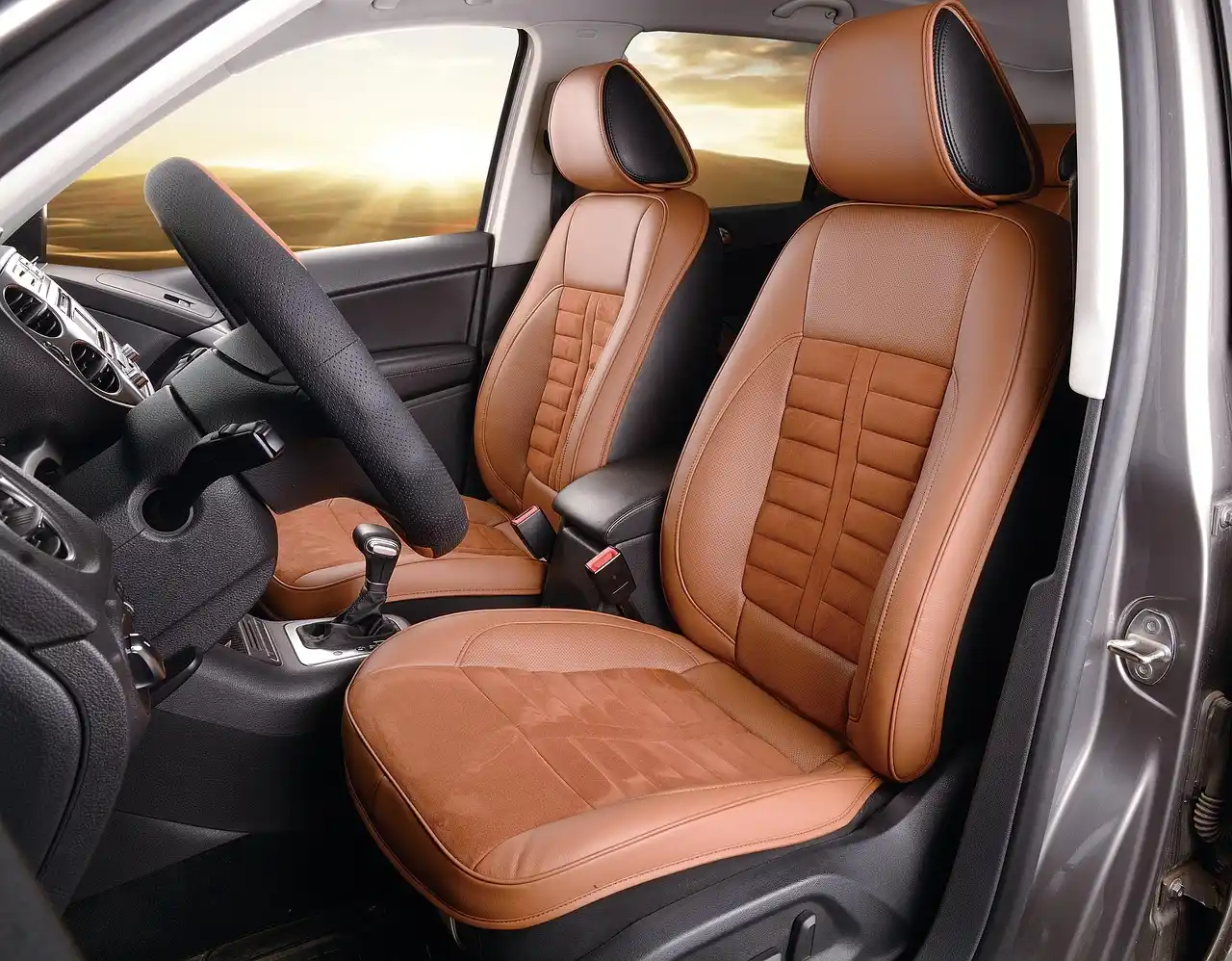
Leather seat covers usually cost less than a full upholstery replacement, but the spread is wide because fit, material, and installation drive the total. OEM-style and aftermarket covers can be relatively affordable, while custom-fit sets cost more because they are cut for a specific cabin and often need professional installation.
OEM-style, aftermarket, and custom-fit pricing
Universal or semi-universal covers are the cheapest to buy and the easiest to install, but they often fit loosely and can interfere with controls if they are not designed for the vehicle. OEM-style and vehicle-specific aftermarket kits cost more because they follow the original seat shape more closely.
Full-grain, top-grain, corrected-grain, and faux leather all sit in different price bands. Full-grain and top-grain typically cost more and last longer. Corrected-grain usually lands in the middle. Faux leather or leatherette is usually the least expensive and can be easier to clean, but it does not age like higher-grade hide.
DIY versus professional installation
DIY leather seat kits may cost $300 to $1,200 in materials for a basic seat, which is why do-it-yourself work often looks cheaper at first glance. The tradeoff is fit, tension, and safety. If the cover has to work around airbags, seat heaters, or power controls, a poor install can become a safety or warranty problem.
Professional installation adds labor and often improves fit and finish. Labor usually represents 30% to 60% of total project cost, and leather material can account for 40% to 70% of total project cost. Those shares explain why a low kit price can still turn into a much larger installed bill.
How much does it cost to cover car seats in leather?
For a basic answer, covering car seats in leather can start with a few hundred dollars for simple DIY material and move into four figures once the job includes vehicle-specific patterning and labor. A full vehicle install for 2 to 4 seats can total $1,000 to $9,000+, depending on leather grade, seat count, and options.
How much do Katzkin seat covers cost?
Katzkin is a premium custom-fit aftermarket option, and its pricing changes by vehicle, trim, color choice, stitching, and features. It usually costs more than generic covers because the kit is made for a specific seat layout and is typically installed by an upholstery shop rather than at home.
Why custom-fit kits cost more
Custom-fit kits reduce bagginess, exposed gaps, and awkward seams. That better fit costs money because the patterning is specific to the vehicle and the labor is more exacting. If the vehicle has seat-mounted airbags or integrated electronics, the installer has to work around those parts carefully.
What installation usually adds
Seat removal and reinstall add real time. A standard front-seat replacement can take 4 to 8 hours per seat, and full-seat replacement on a larger vehicle commonly requires 12 to 24 hours of shop time. High-end or pattern-heavy work can extend installation time by 25% to 40% or more.
Suppose a driver wants custom leather on both front seats in a midsize SUV with heated cushions and power adjustments. The kit may seem manageable on paper, but once the shop has to remove seats, preserve wiring, and refit the upholstery, the labor portion can easily rival the material bill.
When the premium makes financial sense
Custom-fit kits make more sense when the cabin matters to resale, the original seats are tired but not destroyed, or the owner wants a cleaner result than a generic cover can provide. For a lease, the value case is strongest when the vehicle must return with minimal wear and no obvious aftermarket slop.
What drives upholstery labor costs
Upholstery labor is the part that many quotes compress into one line, but it often decides the final bill. Regional hourly rates, seat complexity, removal time, and electronics all change the total. A shop with higher labor rates may still be the better buy if it includes a workmanship warranty and proper fit.
Regional hourly rates and seat removal time
Labor for leather seat installation can range from $350 to $1,800+ per seat. Urban rates tend to run higher than smaller-market rates, and the price rises with how long the seat takes to remove, strip, upholster, and reinstall. Thin bolsters are simpler than heavily sculpted sport seats.
Airbag and electronics considerations
Seats with side airbags, occupancy sensors, heaters, ventilated fans, or seat memory modules need more care. An airbag-safe cover has the right seam construction and fit points, and a heater or ventilated-seat setup may need compatible materials so airflow and heat transfer are not blocked.
A common first-timer mistake is buying a low-cost cover that fits the cushion but ignores the side bolsters. That can create wrinkles, block a control, or interfere with the way the seat is supposed to deploy in a crash.
Warranty and workmanship coverage
Ask whether the shop warranty covers seams, fit, and installation labor, not just the material. Some suppliers limit coverage if the seat has electronics or if the owner removes the covers later. A low quote without a clear workmanship warranty can be more expensive if the job has to be redone.
Are leather seat covers worth it?
Leather seat covers are worth it when they cost less than the damage they help avoid, or when they preserve resale and lease return condition. They are less compelling for an already worn seat that needs rebuilding, because in that case you may be paying for protection on top of existing damage.
New cars versus used cars
On a new car, prevention is easiest to justify because the seats have not yet lost finish or shape. On a used car, the decision depends on the remaining life of the original leather. If the trim already shows cracks, stitching separation, or deep staining, a replacement-grade solution may be the smarter spend.
Leased vehicles and resale value
Leased vehicles are sensitive to wear charges, so protection can pay back by preventing scuffs, dye transfer, and bolster damage. Resale-minded owners also benefit when the interior photographs cleanly and the front seats do not show heavy entry wear. That is especially true on light-colored leather.
Family vehicles and spill risk
Family vehicles see snacks, drinks, car seats, pets, and repeated sliding in and out. In that setting, a water-resistant or easy-clean cover can be a practical budget choice. A full leather redo is usually too expensive if the main goal is simply to stop daily messes from reaching the original seats.
When protection costs less than repair

Protection becomes the cheaper choice when the seat is still structurally sound and the visible wear is minor. Once the leather has cracked deeply, torn at the bolster, or lost foam shape, repair or replacement becomes the more rational spend because protective products cannot reverse that damage.
Stains, cracking, and early wear
Stains and surface drying are the easiest problems to prevent. Those are also the problems most likely to become permanent if ignored. A basic maintenance budget for leather care is about $50 to $150 per year, which is far less than the labor and material needed after the seat finish has failed.
Partial repair versus full replacement
Partial replacement, such as front seats only, typically costs $800 to $2,000. Standard synthetic or fabric-to-leather replacement can run $1,200 to $2,400 per vehicle. Premium full-grain or top-grain leather with heated or ventilated seats can cost $2,500 to $5,000+.
Those figures show the break point. If a vehicle is old enough that the current leather has already cracked and the foam is compressed, a protection-only plan is no longer enough. If the seats are still intact, protection is usually the cheaper path.
Simple decision guide
- Choose a protectant or cover if the seats are clean, structurally sound, and you want to slow future wear.
- Choose a custom-fit cover if you want better appearance and easier cleanup without paying for full upholstery.
- Choose replacement-grade leather if the seat is torn, cracked, or losing support.
- Get at least two written quotes when airbags, heaters, or power features are involved.
Get multiple written quotes because vehicle complexity changes labor, and labor can move faster than material prices. Ask each shop to separate material, removal and reinstall, electronics work, and warranty terms so you can compare the real total.
Frequently asked questions
How much does leather seat protection cost?
Annual upkeep commonly adds $50 to $150 for cleaning and conditioning. The exact total depends on seat condition, product type, and if you are protecting one row or the full cabin.
How much do leather car seat covers cost?
Leather car seat covers can range from low-cost universal sets to much pricier vehicle-specific kits. The price rises with better fit, stronger stitching, and airbag or heater compatibility. DIY looks cheaper, but professional installation adds safety and better finish on complex seats.
How much do custom car seat covers cost?
Custom car seat covers generally cost more than universal options because they are patterned for a specific vehicle. The final bill depends on leather grade, seat count, and shop labor. Heated seats, ventilated seats, and side airbags usually push the price higher.
How much does it cost to make your seats leather?
Turning cloth seats into leather usually means paying for replacement upholstery rather than a simple cover.
Will seat covers protect leather seats?
Yes, if the cover fits properly and does not interfere with airbags, heaters, or controls. A loose or poorly matched cover can trap dirt, slide around, or fail to protect the areas that wear first. Fit matters as much as material.
Products related to this article
Sponsored / affiliate links. As an Amazon Associate I earn from qualifying purchases. I may earn additional commission from eligible campaigns.
 FLORICH Leather Seat Cover, Car Seat Covers Front Set, Waterproof Car Seat Protectors, Front Seat Covers 2 Pack, Breathable Automotive Seat Covers Protector Fit for Most Cars Trucks SUV
 FLORICH Front Car Seat Covers, Leather Seat Covers for Cars, Waterproof Car Seat Protector Breathable, Front Seat Covers for Cars, Automotive Seat Covers Universal Fit for Most SUV Pick-up Truck