How To Clean A Car AC Condenser: The Proven, Easy Way
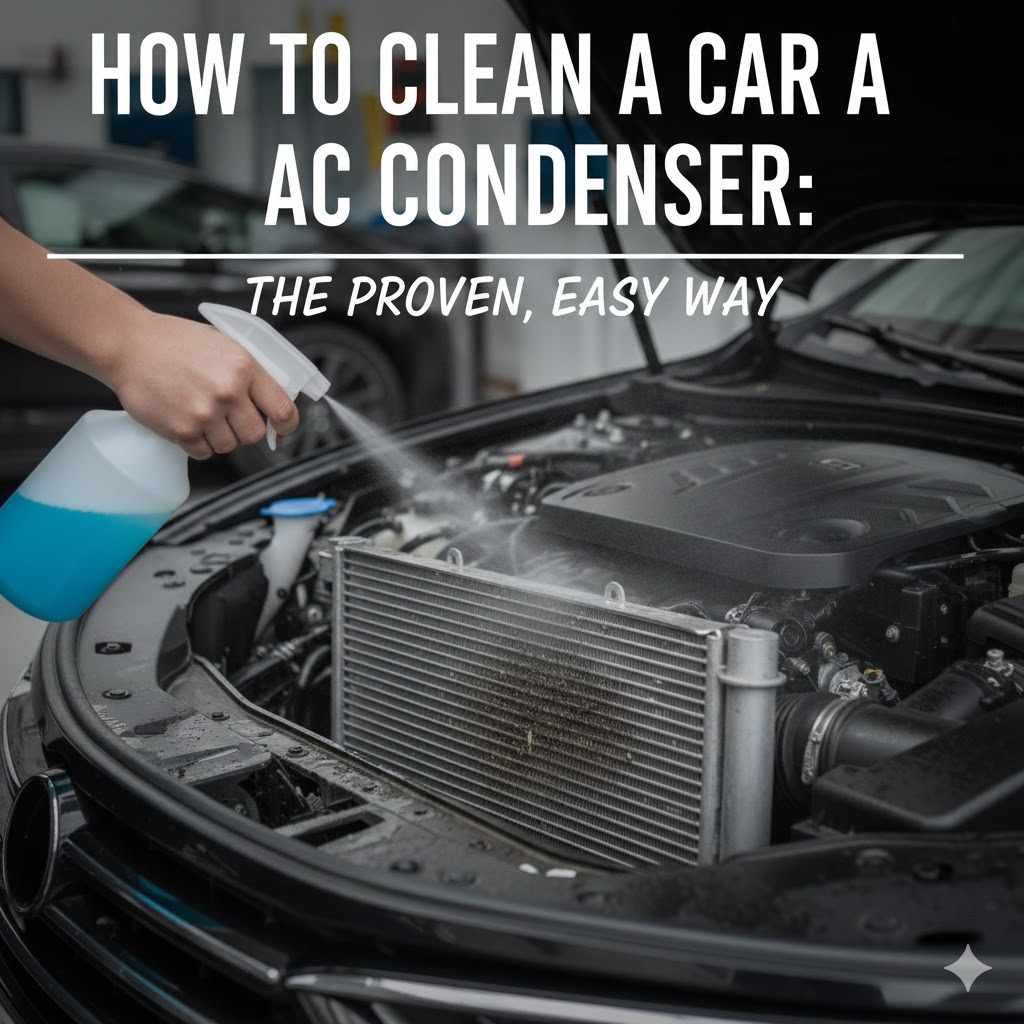
To clean your car’s AC condenser, let the engine cool completely. Locate the condenser in front of the radiator, behind the grille. Gently brush off loose debris, then spray it with a specialized AC coil cleaner. After letting it sit for a few minutes, rinse thoroughly with a gentle stream of water from a garden hose.
Is your car’s air conditioner blowing warm air on the hottest day of the year? It’s a frustrating feeling we all know too well. Before you start worrying about expensive repairs, there’s a simple fix you can often do yourself. The problem might just be a dirty AC condenser.
A clogged condenser can make your AC system struggle, leaving you sweating in traffic. But don’t worry! Cleaning it is one of the easiest and most satisfying DIY car maintenance tasks you can do. You don’t need to be a mechanic, and you don’t need fancy tools.
In this guide, I’ll walk you through every step of the process in simple, easy-to-understand language. We’ll get that AC blowing ice-cold again and save you a trip to the repair shop. Let’s get started!
What Is a Car AC Condenser and Why Does It Need Cleaning?
Think of your car’s AC condenser as a small radiator, but for your air conditioning system. It’s located right at the front of your car, usually in front of the main engine radiator. Its job is to release the heat that the AC system pulls out of your car’s cabin.
Here’s how it works in a simple way:
- Your AC system circulates a special gas called refrigerant.
- This refrigerant absorbs heat from inside your car, making the air cool.
- The now-hot refrigerant travels to the condenser.
- Air flowing over the condenser’s thin metal fins cools the refrigerant, releasing the heat outside.
- The cooled refrigerant then cycles back to continue cooling your car.
Because the condenser sits at the very front of the vehicle, it’s constantly hit by bugs, dirt, leaves, road grime, and other debris. Over time, this buildup acts like a blanket, trapping heat. When the condenser can’t release heat effectively, your entire AC system can’t do its job properly. The result? Weak, lukewarm air coming from your vents.
Cleaning it removes that blanket of grime, allowing air to flow freely and your AC to work efficiently again.

Signs Your AC Condenser Needs a Clean
Not sure if a dirty condenser is your problem? Your car will usually give you a few clear hints. If you notice any of these signs, a good cleaning is an excellent first step in troubleshooting.
- Weak or Warm AC Air: This is the most common symptom. If your AC just isn’t as cold as it used to be, a clogged condenser is a likely culprit.
- AC Works Better While Driving Fast: When you drive at highway speeds, more air is forced through the condenser, which can temporarily help it cool down. If your AC feels chilly on the highway but gets warm in stop-and-go traffic, it’s a strong sign of poor airflow from a dirty condenser.
- Engine Overheating at Idle: While less common, a severely clogged condenser can block airflow to the engine’s radiator behind it. This can cause your car to run hotter than normal, especially when you’re stopped with the AC on.
- Visible Debris: The easiest sign to spot! Take a peek through your car’s front grille. If you can see a layer of dead bugs, leaves, or fuzzy dirt caked onto the fins, it’s definitely time for a clean.
Safety First: Before You Begin
This is a very safe and straightforward job, but it’s always smart to follow a few simple safety rules before working on any part of your car. Your well-being is the top priority!
- Work on a Cool Engine: Always make sure your car has been turned off and has had plenty of time to cool down completely. The radiator and other front-end components can get extremely hot and cause serious burns.
- Park on a Flat, Level Surface: This ensures the car is stable and won’t roll while you’re working. Engage the parking brake for extra security.
- Wear Protective Gear: Safety glasses are a must to protect your eyes from dislodged dirt or cleaning spray. A pair of work gloves will keep your hands clean and protect them from scrapes on sharp edges.
- Never Use a High-Pressure Washer: This is the most important rule. The fins on your condenser are made of very thin, soft aluminum. A high-pressure jet of water will easily bend or flatten them, permanently damaging the condenser and restricting airflow even more.
Tools and Materials You’ll Need
You don’t need a professional mechanic’s toolbox for this job. Most of what you need might already be in your garage or can be found easily at an auto parts or home improvement store. Here’s a simple list:
| Tool / Material | Purpose and Notes |
|---|---|
| Safety Glasses | To protect your eyes from debris and chemical splashes. Non-negotiable! |
| Work Gloves | To protect your hands from dirt and sharp edges. |
| Soft-Bristled Brush | For gently removing loose dirt and bugs. A long-handled paintbrush works perfectly. |
| Garden Hose with a Spray Nozzle | For rinsing the condenser. The nozzle should allow for a gentle shower or mist setting. |
| AC Condenser/Coil Cleaner | A foaming spray specifically designed for this task. It breaks down grime without damaging the aluminum fins. You can find products from brands like CRC or similar at most auto stores. |
| Fin Comb (Optional) | A small, inexpensive tool used to gently straighten any bent fins. Highly recommended for the best results. |
| Screwdriver or Trim Removal Tool (If Needed) | Some cars may require you to remove a plastic cover or grille for better access. Check your vehicle first. |
How To Clean A Car AC Condenser: A Step-by-Step Guide
Ready to get that AC blowing cold? Just follow these simple steps. Take your time, and you’ll be done before you know it.
Step 1: Park the Car and Let It Cool Down
Find a good spot to work, preferably on a flat surface and out of direct sunlight if possible. Turn off the engine and remove the keys. Give the car at least 30-60 minutes to cool down completely. You don’t want to be working around a hot engine or radiator.
Step 2: Locate the AC Condenser
The condenser is easy to find. Stand at the front of your car and look through the main lower grille. You will see a thin, radiator-like component. That’s it! It is almost always positioned directly in front of the thicker engine radiator.
Step 3: Access the Condenser
On many vehicles, you’ll have enough space to clean the condenser right through the grille. However, some cars have plastic covers, shrouds, or decorative grille pieces that might be in the way. If so, you may need to remove them for better access. These are typically held on by simple plastic clips or a few screws. A flathead screwdriver or a plastic trim removal tool can help you pop them off without causing damage.
Step 4: Gently Remove Loose Debris
Before you get anything wet, use your soft-bristled brush to gently wipe away any large, loose debris. Brush in the same direction as the fins (usually vertically) to avoid bending them. This step gets rid of the big stuff like leaves, grass, and larger insects, making the chemical cleaner more effective.
Step 5: Apply the AC Condenser Cleaner
Now for the fun part! Grab your can of foaming AC condenser cleaner. Shake it well according to the directions on the can. Spray the cleaner generously and evenly across the entire surface of the condenser. Don’t be shy—you want to coat all the fins. The foam will expand and work its way deep into the spaces between the fins, breaking down stubborn grime and dirt.
Let the cleaner sit and do its magic for the time recommended on the can, usually about 10-15 minutes. You’ll see the foam slowly dissolve as it lifts the dirt away.
Step 6: Rinse the Condenser Thoroughly
Once the cleaner has had time to work, it’s time to rinse. Set your garden hose nozzle to a gentle setting, like “shower” or “mist.” From a few feet away, gently rinse the condenser from the top down. Your goal is to let the water flow through the fins and carry away the cleaner and all the loosened dirt.
Crucial Tip: Remember, never use a high-pressure jet of water. Be patient and use a light touch. It’s better to rinse for a few minutes with a gentle stream than to blast it for 10 seconds and cause damage.
Step 7: Straighten Bent Fins (Optional but Recommended)
While the condenser is clean and still a bit wet, take a close look at the fins. You’ll likely see some small areas where the thin aluminum fins have been bent by rocks or road debris. This is where a fin comb comes in handy.
A fin comb has teeth spaced to match the fins on your condenser. Gently insert the comb above the bent section and pull it down slowly, carefully straightening the fins as you go. This simple step can dramatically improve airflow and make a big difference in cooling performance.
Step 8: Reassemble and Let It Dry
If you removed any grilles or plastic covers, now is the time to put them back on. After that, just let the condenser air dry for about 20-30 minutes. There’s no need to wipe it down; the airflow from driving will take care of the rest.
Step 9: Test Your AC System
The moment of truth! Start your car, turn the AC on to its highest setting, and let it run. You should notice a significant improvement in cooling performance almost immediately. The air should feel colder and stronger than before. Enjoy that crisp, cool air—you earned it!
What to Avoid When Cleaning Your Condenser
Doing the job right is just as important as knowing what not to do. Making one of these common mistakes can lead to costly damage. Here’s a quick list of “don’ts”:
- DO NOT use a pressure washer. It will flatten the delicate fins and ruin your condenser.
- DO NOT use harsh chemicals like degreasers or oven cleaners. They can corrode the soft aluminum. Stick to a purpose-made coil cleaner.
- DO NOT use a wire brush or any hard-bristled brush. They will tear up the fins. Soft bristles only!
- DO NOT poke anything sharp between the fins to clean them. You could puncture a refrigerant tube, leading to a very expensive repair.
When Should You Call a Professional?
While cleaning the condenser is a great DIY task, there are times when it’s best to let a certified mechanic take over. If you encounter any of the following, it’s wise to stop and seek professional help:
- Cleaning Doesn’t Help: If you’ve thoroughly cleaned the condenser and your AC is still blowing warm, the problem likely lies elsewhere in the system, such as low refrigerant or a faulty compressor.
- Visible Oily Residue: If you see a greasy or oily substance on the condenser, it’s a sign of a refrigerant leak. This is not something you can fix yourself and requires specialized equipment.
- Heavy Damage: If a large portion of the condenser fins are flattened or the unit is visibly damaged from an impact, it will likely need to be replaced, not just cleaned.
For more information on general vehicle safety and maintenance, reliable resources like the National Highway Traffic Safety Administration (NHTSA) provide excellent guidance for car owners.

Frequently Asked Questions (FAQ)
1. Can I use a pressure washer to clean my AC condenser?
No, you should never use a pressure washer. The high-pressure stream will bend and flatten the delicate aluminum fins, which restricts airflow and permanently damages the condenser. Always use a gentle stream of water from a regular garden hose.
2. What’s the difference between a car’s radiator and its condenser?
They look similar and sit next to each other, but they have different jobs. The radiator cools the engine by circulating coolant. The AC condenser cools the hot refrigerant gas for the air conditioning system. The condenser is almost always located in front of the radiator.
3. Will cleaning the condenser really make my AC colder?
Yes, in many cases, it makes a huge difference. A dirty condenser can’t release heat efficiently, which forces the entire AC system to work harder and less effectively. By cleaning it, you restore its ability to cool the refrigerant, resulting in much colder air from your vents.
4. How often should I clean my car’s AC condenser?
A good rule of thumb is to inspect and clean it once a year, perhaps in the spring before the hot weather starts. If you live in an area with a lot of bugs, dust, or construction, or if you drive on rural roads frequently, you may want to check and clean it more often.
5. Can I just use soap and water instead of a special cleaner?
You can, but a dedicated AC coil cleaner is much more effective. These cleaners are formulated as a foaming agent to cling to the fins and break down stubborn grime, road oils, and bug residue that plain soap and water might leave behind. They are also designed to be safe for the aluminum construction.
6. Is the AC condenser hard to find on my car?
No, it’s one of the easiest parts to find. It is located at the very front of the car, right behind the grille. It looks like a thin radiator. If you see two radiator-like parts, the one in the front is the condenser, and the thicker one behind it is the engine’s radiator.
Conclusion: Enjoy the Cool Air and Your DIY Success!
Congratulations! You’ve just completed a simple but incredibly effective maintenance task that will make your summer drives much more comfortable. By taking an hour to clean your car’s AC condenser, you’ve not only restored your air conditioning’s cooling power but also saved yourself a potentially expensive and unnecessary trip to the mechanic.
This is what being a confident car owner is all about—tackling the manageable jobs, understanding how your vehicle works, and taking pride in keeping it running smoothly. So roll up the windows, crank up that ice-cold AC, and enjoy the ride. You’ve earned it!