How to Condition Leather Car Seats: Expert Tips
Imagine sliding into your car, and instead of feeling the soft embrace of your leather seats, you’re greeted by cracks and stiffness. Your car’s leather seats deserve the same care you give to the rest of your vehicle.
When you condition them properly, you not only preserve their luxurious feel but also extend their lifespan. But where do you start? And how do you ensure you’re doing it right? In this guide, we’ll walk you through the simple yet effective steps to condition your leather car seats like a pro.
You’ll discover tips and tricks that might surprise you, transforming your car interior into a rejuvenated, comfortable space. Ready to unlock the secrets of leather care? Let’s dive in and make your car feel as good as it looks!
:max_bytes(150000):strip_icc()/how-to-clean-leather-car-seats-5204366-hero-a9e1643de2804141afa2639918981c29.JPG)
Credit: www.thespruce.com
Benefits Of Conditioning Leather Car Seats
Leather car seats feel soft and look nice. Conditioning keeps them this way. It stops cracks and tears. Leather needs moisture to stay strong. Without it, seats might fade or get damaged. Conditioning adds a protective layer. This layer guards against dirt and spills. Clean seats make cars look new.
Regular care helps leather last longer. This saves money on repairs. Conditioned seats feel comfortable and cozy. Everyone likes a nice car seat. It shows you care for your car. A little effort goes a long way. Keep leather seats in top shape. Enjoy the ride in style.
Choosing The Right Leather Conditioner
Leather conditioners keep car seats soft and clean. They protect the leather from cracks and fading. Always pick a conditioner made for car seats. Some conditioners are for shoes or jackets. These might not work well on car seats.
Check the label before buying. It should say it is safe for leather. Some conditioners have oils. Others have wax. Both help in different ways. Oils make leather soft. Wax protects the surface. Pick one that suits your needs.
Test a small spot first. Put some conditioner on a cloth. Rub it on a hidden area. Wait to see how it looks. If it is good, use it on the whole seat.
Preparation Before Conditioning
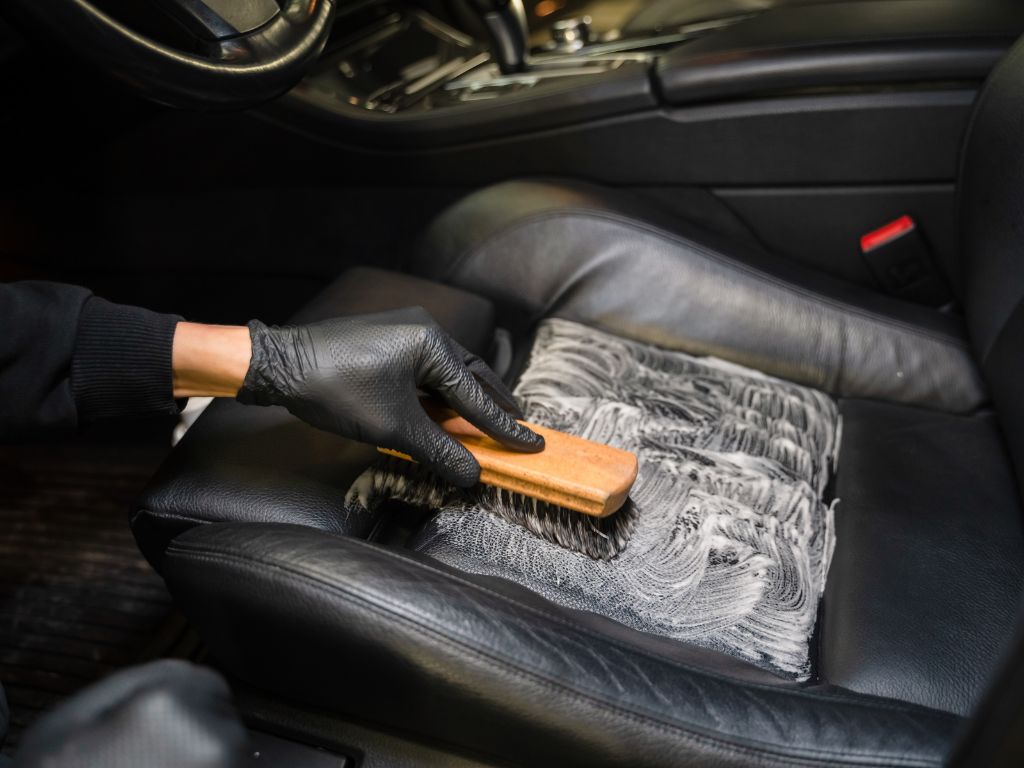
Start with a clean cloth. Use it to wipe the seats. Remove any loose dirt. Next, take a special leather cleaner. Spray it on a soft cloth. Gently rub the seats. Cover all spots. Make sure to clean every corner. Dirt can hide in folds. Wipe away the cleaner with a dry cloth. This makes the seats ready for conditioning. Proper cleaning helps the conditioner work better.
First, find a soft cloth. You also need a vacuum cleaner. A leather cleaner and conditioner are essential. Don’t forget a small brush. It helps with deep cleaning. Gather these tools before you start. This will save time. Check if you have everything. This makes the job easier and faster.
Step-by-step Conditioning Process
Begin by shaking the conditioner bottle well. Pour a small amount onto a soft cloth. Gently rub the conditioner on the leather seats. Use a circular motion for even coverage. Ensure all areas are covered, especially the seams. Avoid using too much conditioner. Less is more for a smooth finish.
Leave the conditioner to sit for a few minutes. This helps it absorb better into the leather. It’s important not to rush this step. Proper absorption keeps the leather soft and supple.
Use a clean, dry cloth for buffing. Rub the surface in circular motions. This will remove extra conditioner and add a shine. Buff until the leather looks glossy. Polishing helps maintain the seat’s natural look. Repeat the process if the seats seem dry. Regular conditioning keeps leather seats in great shape.
Common Mistakes To Avoid
Using too much conditioner can harm leather. Leather absorbs conditioner slowly. Excess conditioner can make seats sticky. Sticky seats attract dirt and dust. Always wipe off extra conditioner.
Choosing wrong products can damage leather. Not all conditioners are suitable. Some may contain harmful chemicals. Always read labels before buying. Pick a conditioner made for car leather.
Skipping cleaning before conditioning is a mistake. Dirt can block conditioner. Leather needs clean surface for absorption. Use a gentle cleaner first. Then apply conditioner for best results.
Ignoring regular conditioning can dry out leather. Dry leather cracks easily. Condition seats every few months. Keep leather soft and strong. Regular care makes seats last longer.
Maintaining Conditioned Leather
Leather seats need regular cleaning. Dust and dirt can damage the leather. Use a soft clothto wipe the seats weekly. This keeps them clean. Avoid using harsh cleaners. They can dry out the leather. Mild soap with water is best. This keeps the leather soft. After cleaning, dry with a soft towel. This prevents water spots.
Sunlight can harm leather. It can make it crack. Use sun shadesto block the light. Park in the shade when possible. Apply a leather conditionerevery few months. This keeps the leather moist. Moist leather is less likely to crack. Keep windows slightly open on hot days. This reduces heat inside the car.
Expert Tips For Longevity
Natural products are good for leather seats. They keep leather soft. Olive oil is a good choice. It makes leather shiny. Coconut oil is another option. It smells nice. Always test the oil first. Use a small spot. Check if it changes color. If okay, use more.
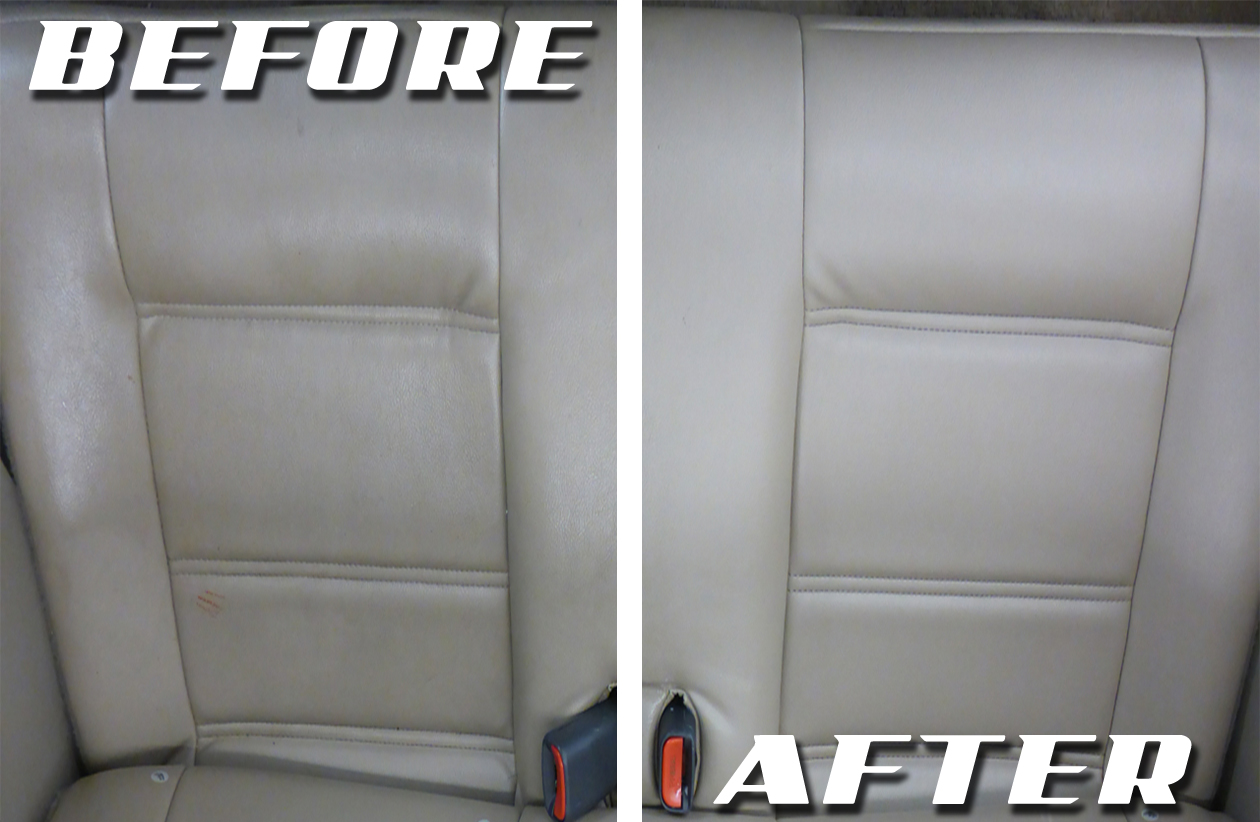
Leather needs care. Condition seats every three months. This keeps them healthy. Regular care stops cracks. It also keeps seats soft. Don’t skip conditioning. Leather can dry fast. Regular checks help keep seats new.
Credit: www.drivebydetail.net
Frequently Asked Questions
How Often Should I Condition Leather Car Seats?
Condition leather car seats every three months to maintain suppleness. Regular conditioning prevents cracks and maintains the leather’s natural sheen. For high-use vehicles, consider more frequent conditioning. Always use products specifically designed for automotive leather to ensure optimal results.
What Products Are Best For Conditioning Leather Seats?
Use leather conditioners formulated for automotive interiors. These products nourish and protect the leather, preventing damage. Look for conditioners with natural ingredients and UV protection. Avoid products with harsh chemicals, as they can harm the leather over time.
Can I Use Household Items To Condition Leather Seats?
Avoid using household items like oils or lotions on car leather. These can cause damage and discoloration. Instead, opt for products designed for car interiors. Proper leather conditioners ensure longevity and maintain the leather’s quality and appearance.
How Can I Prevent Leather Seats From Cracking?
Regular conditioning is key to preventing cracks in leather seats. Use high-quality conditioners to maintain moisture and elasticity. Protect seats from direct sunlight and extreme temperatures. This helps preserve the leather’s integrity and extends its lifespan.
Conclusion
Taking care of leather car seats is essential. Regular conditioning keeps them soft. It prevents cracks and extends their life. Choose the right conditioner for your leather type. Clean seats before conditioning for best results. Follow instructions carefully for even application.
Test on a small area first. This ensures no damage or discoloration. Condition seats every few months for lasting beauty. Maintain leather seats to enjoy a comfortable ride. Protect your investment with proper care. Your car seats will thank you.
Keep them looking great for years to come. Happy driving with well-conditioned seats!