How to Fix Scratches on Interior Car Plastic: Expert Tips
Scratches on your car’s interior plastic can be frustrating. They can make your vehicle look worn and tired, even if it’s still in great shape otherwise.
But don’t worry—you can fix them easily and effectively! Imagine driving a car that looks brand new every time you step inside. You can achieve this by addressing those pesky scratches with simple techniques. In this guide, you’ll discover how to restore your car’s interior to its former glory without spending a fortune.
Let’s dive in and find out how you can have your car looking sleek and polished once again.
Assessing Scratch Severity
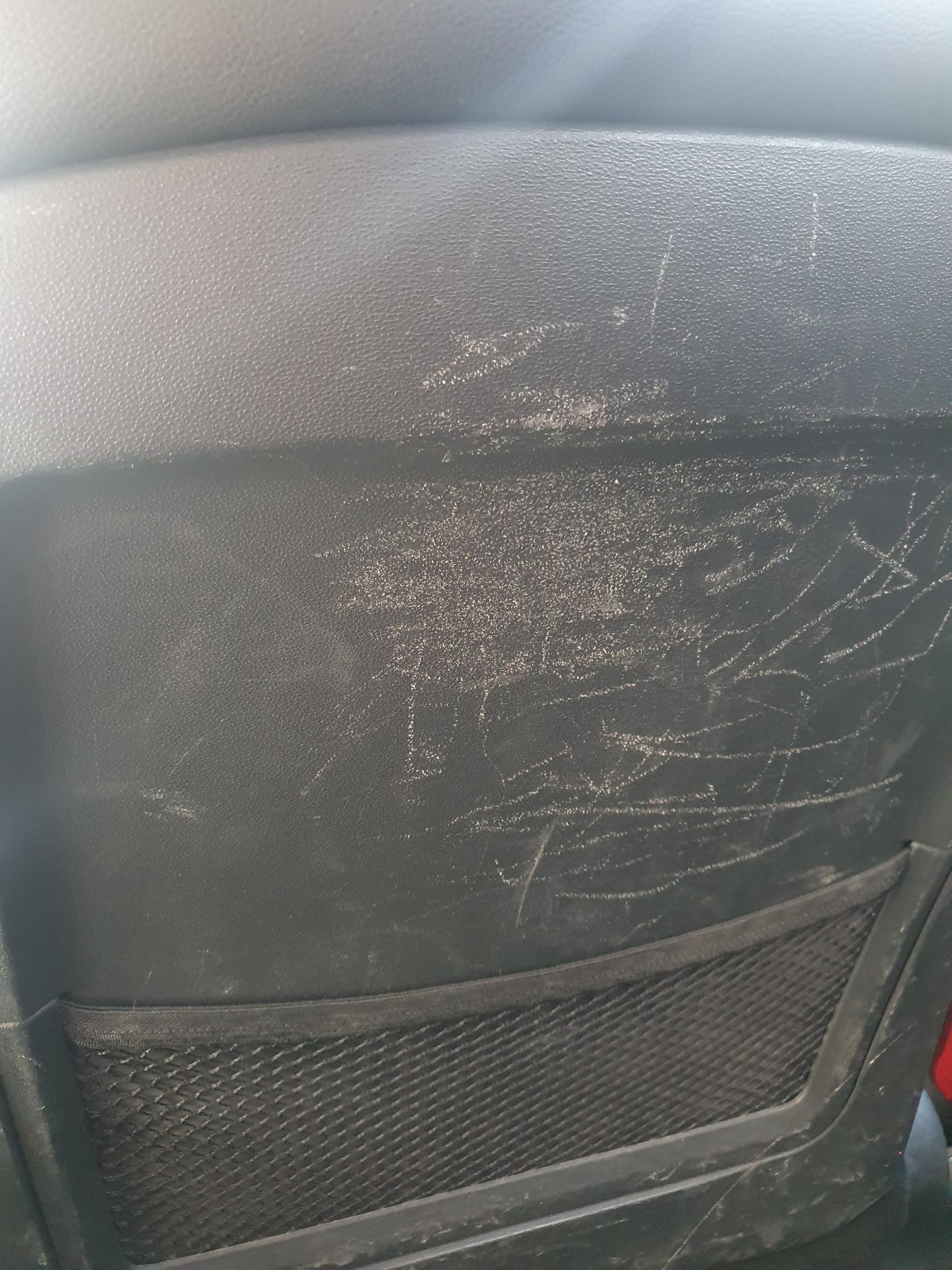
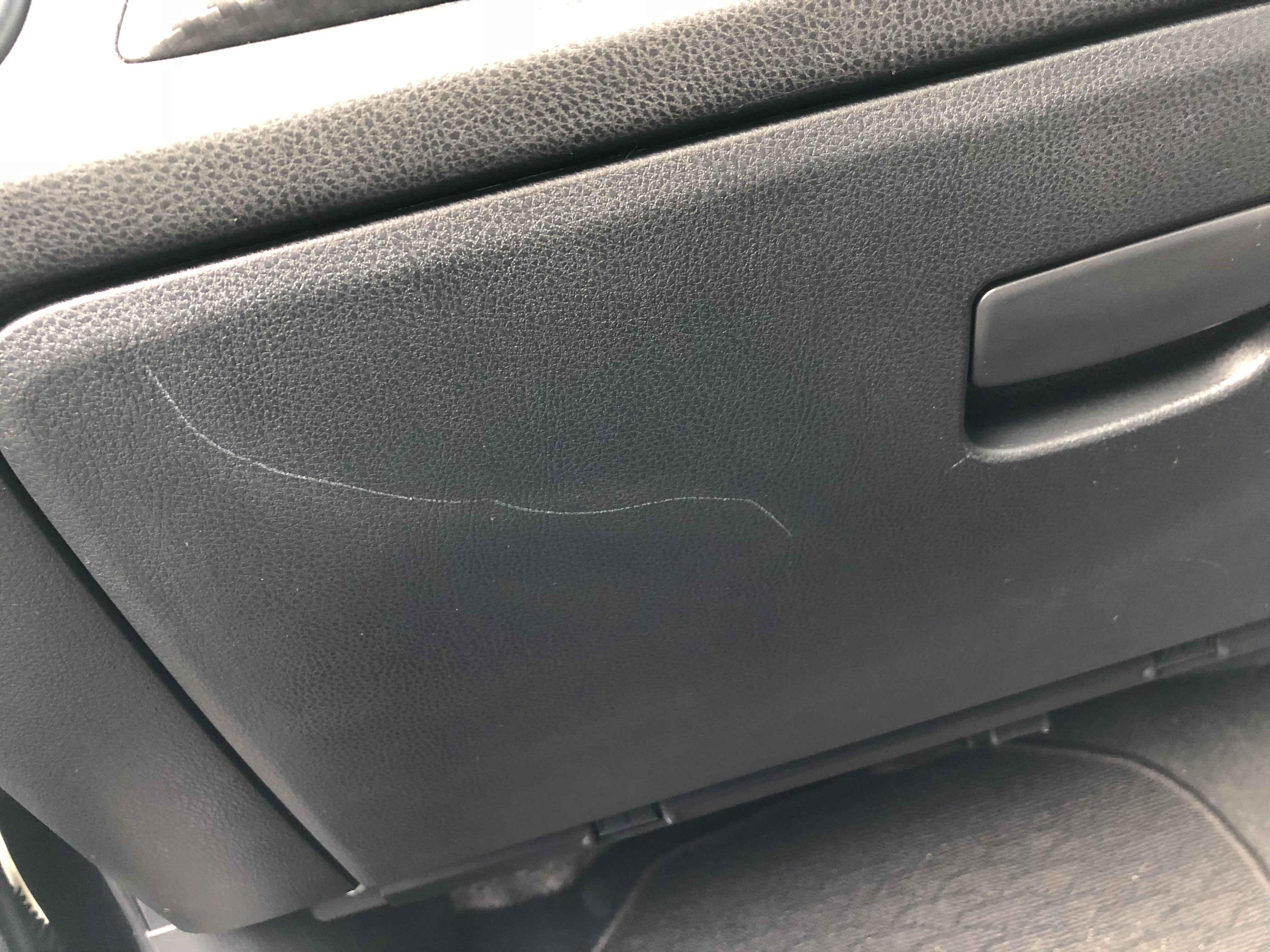
Scratches on car plasticcan be minor or deep. Identifying the type is key. Minor scratches are surface-level. They don’t feel rough to the touch. These scratches might look like a light line. Deep scratches are different. They can be felt with a finger. These are more visible. Sometimes, they show the plastic’s base color.
Evaluating the damage is crucial. Minor scratches might just affect the look. Deep scratches can cause more issues. They might collect dirt or moisture. This can lead to further damage. Understanding the scratch helps in choosing the right fix.

Credit: www.ifixit.com
Essential Tools And Materials
Finding the right repair kitis important for fixing scratches. Kits can help make plastic look new again. Many kits come with special compoundsand applicators. These tools fill scratches and blend them in. Choose a kit that matches your car’s interior color. Some kits offer multiple color options. This ensures a better match.
Before repairing, clean the scratched area well. Use mild soapand water for dirt removal. Avoid cleaners with strong chemicals. They may harm the plastic. A soft cloth or sponge works best. Make sure the area is dry before starting repairs. Clean surfaces ensure better results. Dirt can affect repair quality.
Preparing The Area
First, gather your cleaning supplies. You will need mild soap, water, and a soft cloth. Mix the soap with water in a small bowl. Dip the cloth in the soapy water. Wring it out well. Gently wipe the scratched area. This removes dirtand dust. Rinse the cloth in clean water. Wipe the area again to remove soap. Let it dry completely.
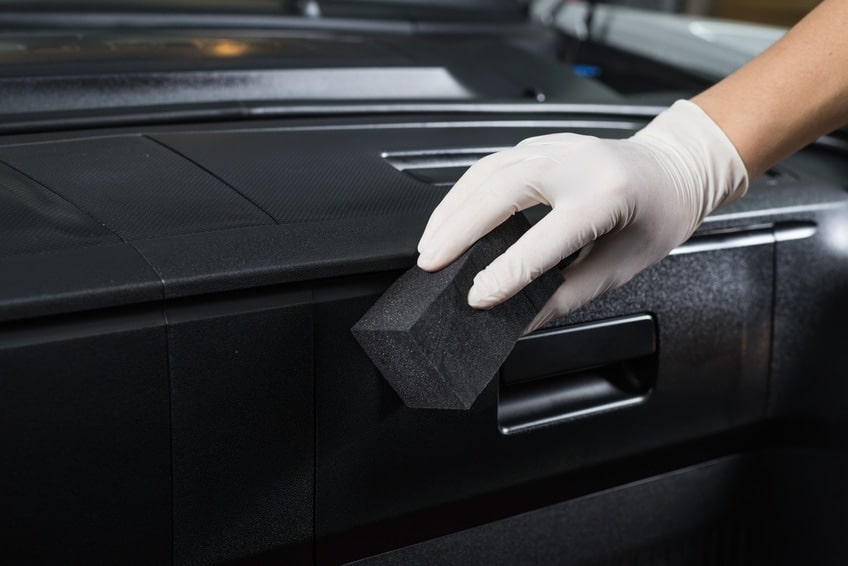
Use masking tape around the scratch. This protects other parts of the car. Be careful when applying the tape. Make sure it sticks well. Use your fingers to press it down. This step is important. It keeps the rest of the area clean. Now, you are ready to fix the scratch.
Credit: www.holtsauto.com
Repair Techniques For Light Scratches
Light scratches can be fixed with plastic polish. Start by cleaning the area with mild soap and water. Dry it with a soft cloth. Apply a small amount of polish on a microfiber cloth. Rub the polish on the scratch in circular motions. Keep rubbing until the scratch looks less visible. Wipe away any extra polish with a clean cloth. The polish helps make the scratch blend in. It makes the plastic look smooth again.
Heat can help fix scratches. Use a hairdryer to warm the scratched area. Hold it a few inches away. Move the hairdryer back and forth. Do this for about a minute. The plastic becomes soft and flexible. Use a soft cloth to press the scratch gently. The heat helps the plastic return to its original shape. Be careful not to overheat. It could damage the plastic more. Let the area cool naturally.
Fixing Deep Scratches
Repairing scratches on car interior plastic requires simple steps. Clean the area, then gently sand the scratch. Apply a suitable plastic polish or filler to restore the surface. Finish by buffing with a soft cloth for a smooth look.
Filling With Plastic Filler
Deep scratches need special care. Use a plastic filler to fill the scratch. Clean the area first. Make sure it is dry and clean. Apply the filler into the scratch. Use a small tool to spread it evenly. Let it dry for the recommended time. Check the instructions on the filler for drying time. Once dry, the filler will be hard and ready for the next step.
Sanding And Smoothing
After the filler dries, you need to sand it. Sanding helps to make the surface smooth. Use a fine-grit sandpaper for this task. Rub gently over the filled area. Be careful not to scratch other parts. Make sure the area feels smooth after sanding. If not, sand a little more. Once smooth, your scratch is almost invisible. Now, your car’s interior looks much better!
Credit: www.gt86.org.uk
Finishing Touches
Start by using a soft clothto polish the area. Apply a small amount of plastic polish. Rub in circlesuntil the scratch fades. Be gentle. Too much pressure can cause more damage. Once the polish is spread, use a clean cloth. Buff the area to shineit. This step helps blend the repair. Now, the plastic looks almost new.
Check the surrounding area for uniformity. If needed, buffaround the scratch too. This makes sure the texture is even. Double-check under good light. Sometimes, small imperfections are hard to see. Use a flashlight if needed. Maintain a soft touch. Gentle hands make the best finish. Finally, step back and admire your work.
Preventing Future Scratches
Place mats and covers on car surfaces. Use seat covers and dashboard mats. These help shield against scratches. Keep sharp objects away. Avoid putting keys and tools on plastic. Reduce risk by being careful.
Use protective films on plastic areas. These films are clear. They protect against minor scratches. Easy to apply. They help keep surfaces looking new.
Clean surfaces often with soft cloth. Dust and dirt can scratch. Use gentle cleaners. Avoid harsh chemicals. They can harm plastic.
Inspect car for damage regularly. Fix small scratches early. This prevents them from getting bigger. Always be gentle when cleaning. It helps maintain the interior’s good condition.
Expert Advice
Rushing the jobcan lead to more scratches. Always take your time. Using the wrong cleaner is a big mistake. Some chemicals can damage your car’s plastic. Always choose a cleaner meant for car interiors. Applying too much pressurecan worsen scratches. Be gentle when cleaning and polishing. Not testing a product before use is risky. Always test on a small area first. This helps you avoid further damage.
Professional repair shops offer great solutions. They have special toolsto fix scratches. They use high-quality productsfor better results. Expert technicians know the best methods. They can make your car look new again. Costs may vary based on the damage. It’s wise to get a quote first. This ensures you know the price before starting. Sometimes, it’s best to let experts handle it.
Frequently Asked Questions
How Do You Remove Scratches From Car Plastic?
To remove scratches, clean the surface with a damp cloth. Apply a plastic scratch remover or a mild abrasive polish. Gently rub the area in a circular motion. Wipe off excess product and buff the area with a clean cloth.
Repeat if necessary for deeper scratches.
Can Toothpaste Fix Car Interior Scratches?
Yes, toothpaste can fix minor scratches on car interior plastic. Apply a small amount to a soft cloth. Rub it gently on the scratch in circular motions. Wipe off the excess toothpaste with a damp cloth. Buff the area with a dry cloth for a smooth finish.
What Products Remove Scratches From Plastic?
Scratch removers specifically designed for plastic, like Meguiar’s or Novus, are effective. Mild abrasive polishes or even toothpaste can also work for minor scratches. Always test the product on a small, inconspicuous area first. Follow the instructions carefully for best results and avoid damaging the surface.
Are Deeper Scratches On Plastic Fixable?
Deeper scratches can be challenging to fix but are not impossible. Use a plastic filler or putty to fill the scratch. Sand the area gently until smooth, then apply a matching plastic paint or finish. It may require professional help for a seamless repair.
Conclusion
Fixing scratches on car plastic is easy with these steps. Start by cleaning the area with soap and water. Use a heat gun carefully to melt and smooth the scratch. Apply plastic polish for a shiny finish. Deep scratches may need a repair kit.
Regular maintenance prevents scratches from forming again. Always handle tools with care to avoid further damage. Keeping your car’s interior looking good boosts its value. Try these methods today and see the difference. Your car’s interior can look great with a little effort.