How to Fix Water Leak in Car: Expert Solutions
Water leaks in cars can be annoying and damaging. Fixing them quickly is essential.
Whether it’s a leaky sunroof or door seal, addressing the issue early helps prevent further damage. Understanding how water leaks happen is the first step. Cars have various entry points for water, like windows, doors, and the roof. Over time, seals and gaskets can wear out, leading to leaks.
Weather conditions also play a role, as heavy rain can reveal hidden problems. Identifying the source of the leak is crucial. It helps in selecting the right repair method. Fixing water leaks not only protects your car but also ensures a comfortable ride. A dry, leak-free car interior is always the goal. Stay tuned as we explore ways to tackle this common car issue.

Credit: www.reddit.com
Identifying Leak Sources
Water can enter the car from many places. Sunroof drains are a usual suspect. They can clog and cause leaks. Door seals might also be worn out. This lets water in when it rains. Windows could have gaps if the seal is broken. The trunk is another spot. Water can enter if the seal is old. Even the air conditioning system can leak water inside. It’s important to check all these places.
Water in the car leaves clues. Wet carpets are a big sign. You might see water stains on the seats. Foggy windows are another hint. The car can start to smell musty. This smell comes from mold. Electrical problems can happen too. Water can damage wires and fuses. Always be on the lookout for these signs.
Essential Tools And Materials
To fix a water leak, some basic tools are needed. A wrench set helps with bolts and nuts. Screwdrivers, both flathead and Phillips, are essential. Pliers come in handy for gripping and twisting. A flashlight helps you see in dark spaces. Duct tape can be useful for temporary fixes. Don’t forget a clean cloth for wiping surfaces. Each tool plays a role in fixing leaks.
Some materials help in sealing leaks. Silicone sealant is a popular choice. It fills gaps and stops water. Rubber gaskets can be used to replace worn ones. Waterproof tape is useful for quick fixes. Epoxy putty helps in patching holes. Always have these materials ready. They help keep water out of your car.
Inspecting The Sunroof
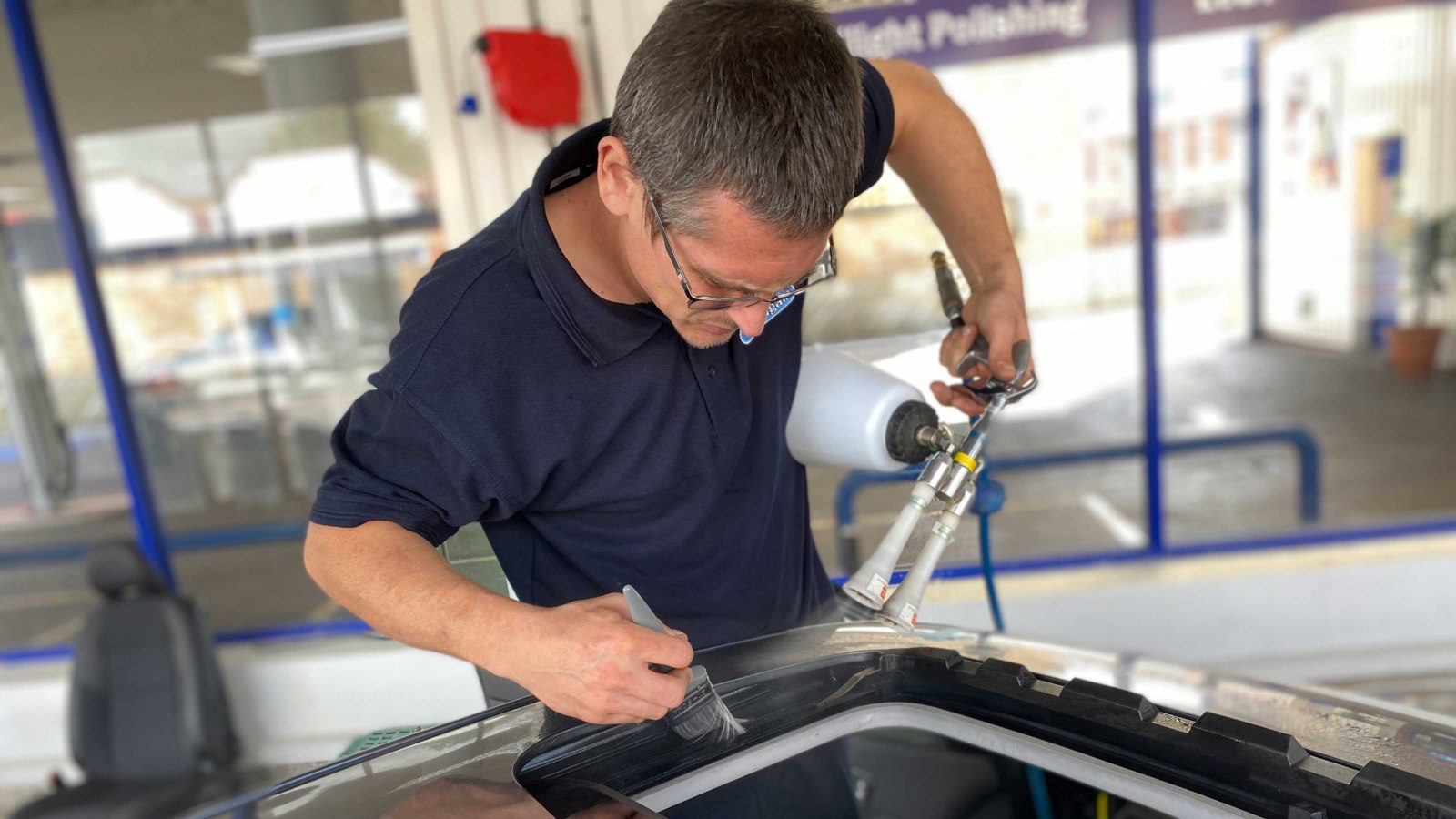
Sunroof drains help water flow away. These drains can get clogged with leaves or dirt. Use a soft brush to clean them. Pour a little water to test if they are clear. If water does not flow, they might be blocked. A small wire or pipe cleaner can help clear the blockage. Be gentle to avoid damage. Keep drains clean to prevent leaks.
Seals around the sunroof can wear out. This causes water leaks. Check if the seal is cracked or loose. A bad seal needs replacing. You can buy a new seal at car stores. Carefully remove the old seal. Clean the area before placing the new one. Press it firmly into place. A good seal stops water leaks.
Assessing Door Seals
Assessing door seals is crucial to fixing water leaks in cars. Damaged seals allow water to seep inside. Inspect seals for cracks or gaps to ensure a watertight fit. Regular maintenance prevents costly repairs and keeps your car dry.
Examining Door Gaskets
Door gaskets are vital for keeping water out. Check for any cracks. Look for signs of wear and tear. Feel the gasket with your fingers. It should be soft and flexible. A hard gasket might leak. Examine the edges closely. Water can seep through tiny gaps. Use a flashlight to spot hidden damage. Press gently on the gasket. It should bounce back easily. Bent or broken gaskets need attention.
Replacing Worn Seals
Worn seals can cause leaks. Remove the old seal carefully. Clean the area before placing a new one. Choose a seal that fits perfectly. Use adhesive to fix it in place. Ensure it sticks firmly. Check the seal’s edges. They should be smooth and even. Test with water to ensure no leaks. Replace any damaged seals promptly. Properly installed seals protect your car.
Examining The Windshield
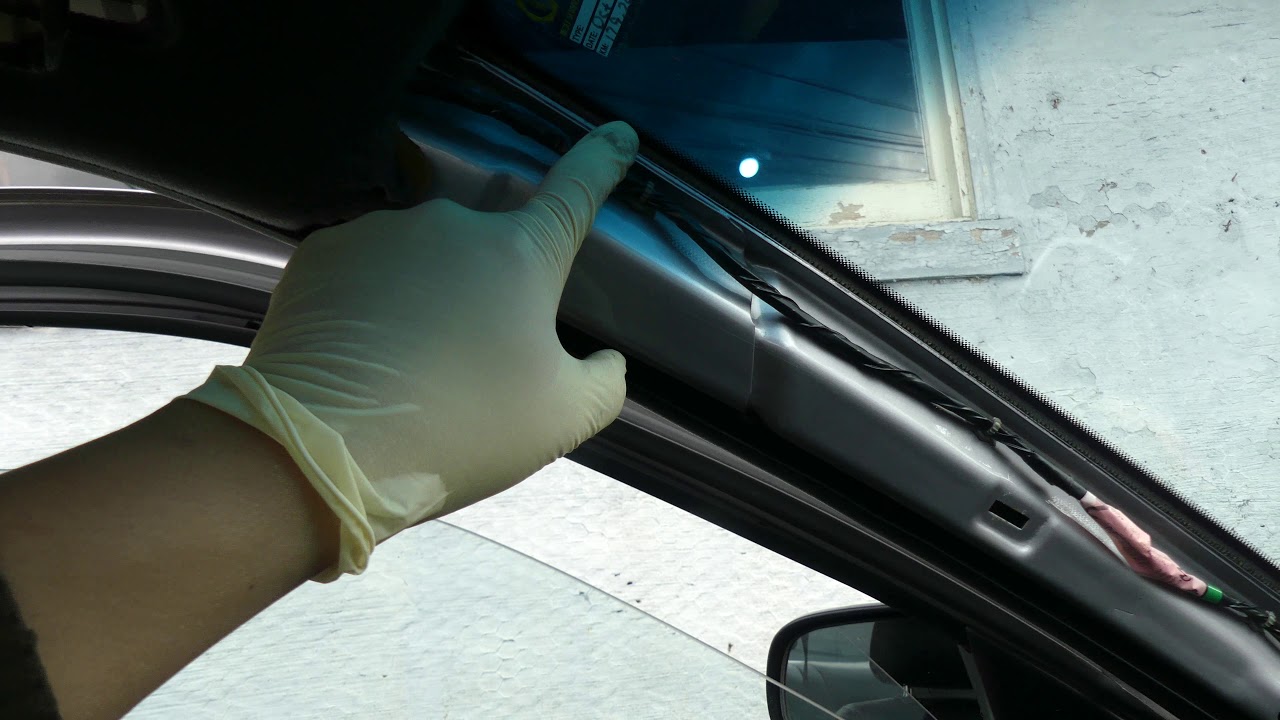
Water leaks can be annoying. Check your car’s windshield carefully. Look for any gaps or cracks. These can let water in. Use a flashlight to see better. Sometimes, dust hides the gaps. Run your fingers along the edges. Feel for any air coming through. If you find a gap, mark it. This helps you remember where to fix.
Start with a clean surface. Wipe the area with a dry cloth. Use a special sealant for windshields. Squeeze the tube gently. Spread the sealant over the gap. Use a small brush to spread it evenly. Wait for it to dry completely. This keeps water out. Check again after it rains. Make sure the sealant works.
Credit: m.youtube.com
Checking The Trunk
Water leaks in the trunk can cause trouble. First, check the trunk carpet. Is it wet? Look for any puddles or damp spots. Use a flashlight if needed. Inspect the rubber seals around the trunk. These seals keep water out. Are they cracked or loose? Pay attention to corners. Water often sneaks in there.
Trunk seals play a key role in keeping water out. If the seals are damaged, replace them. Choose rubber seals that fit well. Clean the area before installing new seals. Remove old glue or dirt. Press seals firmly to ensure they stick. Test by pouring water on the trunk. Check if water stays out. This simple fix can prevent bigger problems.
Repairing The Floor Pan
Wet carpets can be a sign of leaks. Check for water under the mats. Rust on the floor pan is another clue. Use a flashlight to spot tiny holes. Water stains also show where leaks happen. Once you find the leak, mark the spot. This helps in fixing it later.
Clean the area first. Remove dirt and rust with a brush. Use waterproof sealants to cover the holes. Make sure the sealant is for cars. Apply it evenly with a small brush. Let it dry for a few hours. This stops water from coming in. Recheck after sealing to ensure it’s fixed.
Credit: blog.1aauto.com
Preventing Future Leaks
Fixing water leaks in cars involves checking seals and tightening connections. Regular maintenance prevents future leaks. Identifying problem areas early saves time and money.
Regular Maintenance Tips
Check your car for leaks every month. Look under the car for water spots.
Tighten any loose bolts or screws. Replace worn-out seals or gaskets. Inspect the sunroof and windows for cracks.
Clean debris from drains and gutters. Always keep your car clean and dry.
Best Practices For Car Care
Park your car in a garage if you can. Use a car cover to protect it from rain. Avoid driving through deep water.
Check the tire pressure regularly. Change oil and filters on time.
Listen for any unusual sounds while driving. Keep an eye on the dashboard lights.
Frequently Asked Questions
How Much Does It Cost To Fix A Water Leak In A Car?
Fixing a car water leak costs between $150 and $1,000. The price depends on the leak’s location and severity. Simple repairs like replacing hoses are cheaper. Complex issues like radiator or gasket leaks cost more. Always consult a mechanic for an accurate estimate.
How Do I Stop A Water Leak In My Car?
Identify the leak source, like doors or sunroof. Seal with silicone or replace damaged seals. Check hoses and drains.
How Do I Find Where My Car Is Leaking Water?
Check for wet spots under your car. Inspect the radiator, hoses, and coolant reservoir for leaks. Examine the sunroof, door seals, and windshield seals for water intrusion. Use a flashlight to spot leaks in the engine compartment or interior.
Why Is My Car Leaking Water Inside When It Rains?
Water inside your car when it rains could be due to faulty door seals or clogged sunroof drains. Check for leaks around windows and doors. Inspect seals for damage and clean drainage channels. Regular maintenance can prevent future leaks and keep your car dry during rainy weather.
Conclusion
Fixing a water leak in your car is crucial. It prevents damage and costly repairs. Follow the steps outlined in this guide. Start with identifying the leak source. Then, use the appropriate tools and materials. Always check for any signs of mold or rust.
Regular maintenance helps avoid future leaks. Stay vigilant and keep your car in top shape. Ensuring your vehicle is leak-free enhances safety and longevity.