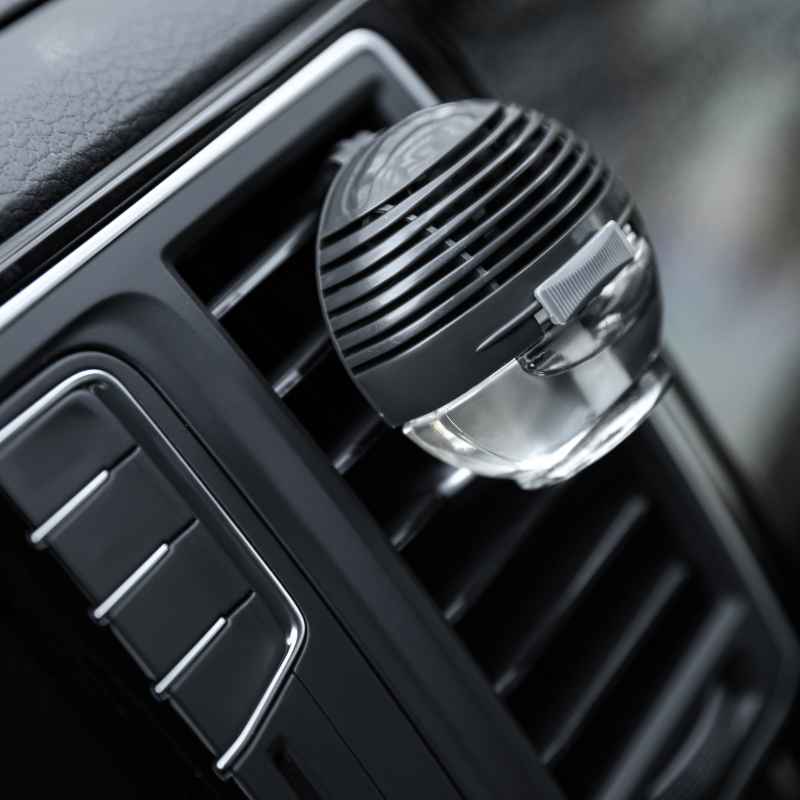
How to Get Rid of Air Freshener Smell in Car Fast
Getting rid of air freshener smell in your car can feel impossible when that overpowering synthetic scent just won’t fade away. This guide covers fast, effective methods to neutralize lingering odors using items you probably already own — see our related guide, How to Get Rid of Musty Smell in Car.
Simply put, the fastest way to remove air freshener smell is a combination of thorough ventilation, activated charcoal absorption, and a white vinegar wipe-down. These steps break down the chemical residues and trap odor particles rather than just masking them.
Key Takeaways
- Removing air freshener smell requires breaking down chemical residues, not just covering them up with more fragrance.
- Baking soda and activated charcoal are your best allies for absorbing stubborn synthetic odors from fabric surfaces.
- White vinegar is a natural neutralizer that effectively counters alkaline-based air freshener compounds without leaving its own smell.
- Getting rid of air freshener smell means treating every interior surface — not just the air — since residues cling to seats, carpets, and headliners.
- Prevention through mindful placement and fragrance selection saves you from future odor battles.
Why Air Freshener Smell Lingers in Your Car
Air fresheners contain synthetic fragrances made from volatile organic compounds (VOCs) and fixatives designed to stick to surfaces for extended release. These compounds bond with fabric fibers, plastics, and upholstery at a microscopic level, which is why the smell persists long after you remove the product itself.
According to the American Lung Association, many air fresheners release formaldehyde, benzene, and other VOCs that can linger in enclosed spaces for weeks. The porous materials in your car — headliner foam, carpet fibers, leather grain, and even dashboard plastic — act like sponges, trapping these scent molecules and releasing them slowly over time.
- Fabric seats absorb more fragrance than leather because fibers trap particles deeper
- Heat accelerates off-gassing, making smells stronger on hot days
- Moisture from humidity reactivates dried-on fragrance residues
- Poor ventilation cycles let odors concentrate rather than dissipate
- Some air freshener types (oils, gels) leave heavier residues than sprays
- Dashboard and vent plastics can absorb scent through surface micro-pores
- Carpet and floor mats trap the most concentrated odor particles
The chemistry behind modern air fresheners involves “scent encapsulation” technology — microcapsules that burst open gradually, ensuring long-lasting fragrance. When you remove the freshener, those capsules still hold active fragrance waiting to release. This is why simply tossing the product rarely solves the problem completely.
What You Need to Remove Air Freshener Smell
Removing air freshener smell from your car requires specific tools and materials that target odor molecules at the chemical level. You probably have most of these items at home already, making this a budget-friendly fix.
| Material | Purpose | Where to Use |
|---|---|---|
| White vinegar | Neutralizes alkaline fragrance residues | Hard surfaces, glass, plastic trim |
| Baking soda | Absorbs trapped odor molecules | Carpet, floor mats, fabric seats |
| Activated charcoal | Traps VOCs and chemical vapors | Cabin air, under seats, cup holders |
| Microfiber cloths | Wipe without leaving lint or streaks | All interior surfaces |
| Spray bottle | Even application of vinegar solution | Throughout cabin |
| Rubbing alcohol (70%) | Dissolves oily fragrance residues | Plastic, vinyl, leather (test first) |
Each material serves a distinct role in the odor elimination process. Vinegar chemically neutralizes, baking soda and charcoal physically absorb, and alcohol dissolves sticky residues. Using all three in sequence gives you the fastest, most complete results.
Tip: Skip scented cleaning products during this process. You need unscented, fragrance-free materials to properly strip away the old smell without adding new chemical layers.
Step 1: Remove All Air Freshener Sources Completely
Before doing anything else, physically remove every air freshener product from your car. This seems obvious, but many people overlook hidden or forgotten fresheners that keep releasing fragrance.
- Check under seats for dropped gel canisters or vent clips
- Remove fresheners from air conditioning vents (both sides)
- Look in glove compartment, center console, and door pockets
- Check the trunk and spare tire area for hanging fresheners
- Remove sticker-style fresheners from dashboards and side panels
- Take out any scented trash bags, tissue packs, or car air purifiers
- Inspect cup holders for melted or leaked gel residue
Once everything is out, throw the products away in an outdoor trash bin — not inside your home or garage. Even discarded fresheners continue off-gassing and can reintroduce the smell if stored nearby.
Step 2: Deep Ventilate the Cabin
After removing all sources, park your car in a safe, open area and roll down all four windows completely. If weather permits, open the sunroof and trunk as well. The goal here is to flush out concentrated air freshener vapors trapped inside the cabin.
- Roll down every window fully — not just cracked
- Open sunroof, moonroof, or rear hatch
- Run the air conditioner on MAX fresh air (not recirculate) for 15 minutes
- Turn on seat heaters if available — heat helps release trapped VOCs from fabric
- Let the car sit with windows open for 2-4 hours ideally
A study by the Environmental Protection Agency (EPA) found that enclosed vehicle cabins can accumulate VOC concentrations up to 5 times higher than outdoor air. Flushing with fresh air for at least 30 minutes significantly reduces these levels. On hot sunny days, the process works even faster because heat drives molecules out of surfaces.
Important: Never ventilate in an enclosed garage. Carbon monoxide from the engine can build up quickly. Always do this step outdoors or in a well-ventilated driveway.
Step 3: Wipe Down All Hard Surfaces with Vinegar Solution
Getting rid of air freshener smell on hard surfaces requires wiping down every plastic, vinyl, glass, and metal area inside your car. Mix one part white vinegar with three parts water in a spray bottle, and prepare your microfiber cloths.
White vinegar works as a natural acid that neutralizes the alkaline compounds found in most synthetic fragrances. According to the Good Housekeeping Institute, vinegar breaks down the chemical bonds of many artificial scents without leaving toxic residue. The vinegar smell fades in 30-60 minutes, taking the air freshener odor with it.
- Dashboards and instrument panels — spray cloth, not surface directly
- Door panels, armrests, and grab handles
- Steering wheel and center console
- Air vent slats (use a soft brush or foam brush)
- All window glass and windshield interior
- Cup holders, storage bins, and ashtrays
- Seat adjustment knobs and side panels
Warning: Test vinegar solution on a hidden spot first — especially on leather, wood trim, or painted surfaces. Prolonged contact with undiluted vinegar can etch some finishes. Always use the 3:1 water-to-vinegar ratio for safety.
Step 4: Treat Fabric Surfaces with Baking Soda
Fabric seats, carpets, and floor mats absorb the most fragrance because their fibers trap odor molecules deep within the weave. Baking soda is a natural deodorizer that draws these molecules out through a process called adsorption — where particles stick to the surface of the baking soda crystals.
| Fabric Surface | Amount of Baking Soda | Resting Time |
|---|---|---|
| Cloth seat (full) | ½ cup per seat | 4-6 hours or overnight |
| Floor mat (each) | ¼ cup per mat | 2-3 hours |
| Carpet (full cabin) | 1 cup total | 6-8 hours |
| Headliner fabric | Light dusting (avoid saturating) | 2-3 hours |
After letting the baking soda sit for the recommended time, vacuum thoroughly using a brush attachment to work the powder out of the fibers. You may need to repeat this process 2-3 times for heavily saturated fabric seats. For leather seats, skip the baking soda and use the vinegar solution instead — leather is non-porous and won’t trap scent the same way.
The National Institutes of Health (NIH) confirms that sodium bicarbonate (baking soda) is effective at neutralizing a wide range of odorous compounds through pH buffering and physical absorption. It’s one of the few household products that actually removes odor rather than just covering it up.
Step 5: Use Activated Charcoal as a Continuous Absorber
Activated charcoal bags or loose charcoal in open containers work as passive odor absorbers that keep working for weeks. Unlike baking soda which needs direct contact and removal, charcoal sits in the background trapping VOCs from the air continuously.
- Place one large charcoal bag (or open container) under each front seat
- Put a smaller bag in the rear center floor area
- Tuck another bag in the trunk if the smell reaches there
- Leave the bags in place for at least 48 hours minimum
- Recharge charcoal bags monthly by placing them in direct sunlight for 2 hours
A study published in the Journal of Environmental Health Science found that activated charcoal can reduce indoor VOC concentrations by up to 70% over a 24-hour period. For vehicle use, the confined space means even faster results. Many automotive detailers use charcoal bags as their go-to solution for getting rid of air freshener smell permanently.
Tip: Keep charcoal bags in place even after the smell disappears. They’ll continue absorbing everyday odors from food, pets, and passengers, keeping your car fresher longer.
Common Mistakes When Removing Air Freshener Smell
Even with the right tools, people often make errors that slow down air freshener smell removal or make it less effective. Knowing what to avoid saves time and frustration.
- Masking with another fragrance — using scented sprays or fresheners on top of the old smell just creates a worse layered odor
- Skipping the headliner — the ceiling fabric absorbs surprising amounts of fragrance because heat rises and deposits molecules there
- Using bleach or ammonia — these harsh chemicals can damage upholstery, discolor plastics, and create toxic fumes in enclosed cars
- Steam cleaning too soon — wet heat can drive fragrance molecules deeper into foam padding before they’re properly treated
- Forgetting the cabin air filter — this filter traps fragrance particles and recirculates the smell every time you run the AC
- Rushing the baking soda process — less than 2 hours of contact time won’t pull enough fragrance out of dense fabric fibers
- Ignoring the trunk — trunk carpeting and spare tire wells hold concentrated odors that migrate into the cabin
Replace your cabin air filter during this process if you’ve ever used scented fresheners near the vents. Most manufacturers recommend changing the filter every 12,000 to 15,000 miles, but fragrance residue can clog it faster. A new filter costs between $15 and $40 and makes an immediate difference in air quality.
Warning: Never use ozone generators in an occupied vehicle. While professional detailers use ozone machines for smoke removal, ozone gas is harmful to lungs and should only be used by trained technicians in sealed, empty vehicles.
How to Prevent Strong Air Freshener Smells in the Future
Once you’ve successfully removed the smell, you can take simple steps to avoid repeating this battle. Prevention is far easier than removal when it comes to getting rid of air freshener smell.
| Prevention Method | Why It Works | Ease Level |
|---|---|---|
| Use natural essential oil diffusers | No synthetic VOCs that bond to surfaces | Easy |
| Choose clip-on vent fresheners over hanging | Less surface contact, easier to remove | Easy |
| Avoid gel and oil-based fresheners | Leave heavier residue than sprays or solids | Moderate |
| Place fresheners on removable coasters | Prevents direct contact with cup holder surfaces | Easy |
| Rotate fresheners weekly rather than replacing | Reduces saturation of any one area | Easy |
| Keep windows cracked when freshener in use | Prevents vapor concentration buildup | Moderate |
If you love having a pleasant scent in your car, try wooden diffuser clips with natural essential oils instead of synthetic sprays or gels. These release fragrance more gently without the heavy chemical base that makes removal so difficult. Cedarwood, lavender, and citrus oils also have antimicrobial properties that help keep your car actually clean rather than just scented.
Frequently Asked Questions
How long does it take for air freshener smell to go away naturally?
Without any treatment, air freshener smell can last 2 to 6 weeks depending on the product type and your car’s ventilation. Gels and oils last longer than sprays or paper fresheners. With the methods in this guide, you can cut that time down to 24-48 hours.
Can I use coffee grounds to absorb air freshener smell?
Yes, dry coffee grounds work as a natural odor absorber similar to activated charcoal. Place open bowls of fresh dry grounds under the seats and replace them every 2 days. Coffee grounds are effective but leave a slight coffee scent of their own, which most people find pleasant and subtle.
Will steam cleaning remove air freshener smell from car seats?
Steam cleaning can help, but only after you’ve treated the surface with baking soda first. Steam pushes deep into foam padding and can actually reactivate trapped fragrance if you haven’t neutralized it first. Always vacuum, apply baking soda, vacuum again, then steam clean for best results.
Does changing the cabin air filter help get rid of air freshener smell?
Absolutely. The cabin air filter traps fragrance particles from your air freshener and continues releasing them every time you turn on the AC or heat. Replacing the filter removes this ongoing source of the smell and is one of the fastest improvements you’ll notice.
Can air freshener smell be harmful to breathe?
The American Lung Association warns that many synthetic air fresheners contain phthalates, formaldehyde, and other VOCs linked to respiratory irritation, headaches, and long-term health concerns. Prolonged exposure in an enclosed car increases these risks. Getting rid of air freshener smell isn’t just about comfort — it’s also about your health.
Final Thoughts
Removing air freshener smell from your car comes down to three core actions: ventilation, surface neutralization, and continuous absorption. White vinegar breaks down the chemical bonds, baking soda draws fragrance from fabric, and activated charcoal handles the rest over time. Stick with the process even if results aren’t immediate — stubborn odors often need a second pass.
Your car will smell clean and neutral again without any artificial masking.
Products related to this article
Sponsored / affiliate links. As an Amazon Associate I earn from qualifying purchases. I may earn additional commission from eligible campaigns.