How To Make Car Washer Fluid At Home (Cheap & Effective)
Making your own car washer fluid is a smart move. It saves money and ensures you always have some on hand. You can use simple items you likely already own. This guide covers easy recipes for different weather. Keep your car’s vision clear without breaking the bank.
What is Car Washer Fluid?
Car washer fluid is a special liquid. It helps clean your car’s windshield. It sprays out when you push a button.
Tiny nozzles on your car shoot the fluid. This liquid helps loosen dirt and bugs. Then, your wipers can clear them away.
It’s important for safe driving. Especially when roads are messy.
Think about it. Dust, mud, bugs, bird droppings – they all stick. They block your view.
Washer fluid makes them easier to remove. It’s not just plain water. Water alone can freeze in winter.
It might not cut through tough grime well. Washer fluid has special ingredients. These help it work better in various conditions.
They also prevent freezing.
The main job is cleaning. It also helps keep your wipers working smoothly. Without it, wipers might just smear the dirt.
This makes things worse. So, keeping a good supply is key. Knowing how to make it yourself means you’re always ready.
Why Make Your Own Washer Fluid?
There are many good reasons to make your own. The first is cost. Buying washer fluid can add up.
Especially if you use it a lot. Making it at home uses very common things. These are usually much cheaper.
You can buy them in bulk. This saves even more money over time.
Second, you control what goes in. Some commercial fluids have strong smells. Others might use chemicals you’re unsure about.
Making your own means you pick the ingredients. You can choose milder options. This can be good for sensitive people.
It’s also good if you have a newer car. Some fluids can damage paint. You can avoid those.
Third, convenience. When you run out, you don’t need to rush to the store. You can mix up a batch right away.
This is super helpful. Especially if you live far from shops. Or if you live in an area with bad weather.
You can make it when you need it.
Fourth, you can tailor it. Do you live somewhere very cold? You’ll need a fluid that won’t freeze.
Do you live somewhere with lots of bugs? You’ll want something strong. You can adjust your homemade mix.
It’s made for your specific needs.
Finally, it’s a useful skill. Knowing how to do this is empowering. It’s a small way to be more self-sufficient.
It’s also good for the environment. You reduce plastic waste from buying new bottles. You use what you have.
That’s a win-win.
Understanding the Key Ingredients
To make good washer fluid, you need a few simple things. Let’s break them down. Knowing what each part does helps.
It lets you tweak recipes. It also helps you understand why they work.
Distilled Water: This is the base. It’s water with minerals and impurities removed. Why distilled?
Tap water has minerals. These can leave spots on your windshield. They can also clog up your washer system.
Distilled water is pure. It’s the best choice for cleaning solutions. You can buy it at most grocery stores.
Or sometimes at pharmacies. Using plain tap water is okay in a pinch. But distilled is much better for long-term use.
Rubbing Alcohol (Isopropyl Alcohol): This is a key ingredient. Especially for cold weather. Rubbing alcohol has a very low freezing point.
This stops your washer fluid from turning into ice. Ice in the lines can break them. Ice on the windshield is dangerous.
You need to make sure your alcohol is strong. Usually 70% or 91% isopropyl alcohol works well. It also helps cut through grease and grime.
It acts like a mild degreaser.
Dish Soap: Just a tiny bit is needed. Dish soap helps lift dirt. It breaks down oily residue.
It makes the water and alcohol mix better. It helps the fluid spread on the glass. Use a good quality dish soap.
A mild one is best. Too much soap can make too many suds. Suds can be hard to wipe away.
They might leave streaks. A few drops are usually enough. Think of it as a booster for cleaning power.
Vinegar (Optional for Summer): White vinegar can be used. It’s good for cutting through road film. It can also help with water spots.
However, some people worry about vinegar. They think it might damage rubber seals over time. For this reason, many prefer to stick to alcohol.
If you use vinegar, use plain white vinegar. Don’t use fancy kinds. And use it only when freezing isn’t a concern.
Cornstarch (For a “Thicker” Feel, Optional): Some older recipes mention cornstarch. This was to make the fluid cling a bit more. It’s not really necessary.
Most modern fluids don’t use it. It can also potentially clog parts. Stick to the simpler ingredients for best results.
So, distilled water, rubbing alcohol, and a drop of soap. These are your main tools. They are safe and effective.
They are also easy to find.
Ingredient Spotlight: Why Alcohol?
Alcohol is King for Cold: The main reason for rubbing alcohol is its freezing point. Pure water freezes at 32°F (0°C). Rubbing alcohol (isopropyl alcohol) freezes much, much lower.
At 50% concentration, it freezes around -20°F (-29°C). This is super important. It means your washer fluid won’t turn to ice.
Ice can cause big problems. It can crack your washer fluid reservoir. It can burst the lines.
It can also freeze on your windshield. This makes it impossible to see. So, for winter driving, alcohol is non-negotiable.
Cleaning Power Too: Beyond freezing, alcohol is a decent cleaner. It helps dissolve greasy road film. It also evaporates quickly.
This means fewer streaks left behind. It adds a real punch to the cleaning action of the soap and water.
Simple Summer Washer Fluid Recipe
Summer can be tough on your windshield. Bugs, dust, and tar are common. You need something that cuts through that.
But you don’t need to worry about freezing. This recipe is simple and effective for warmer months.
What You Need:
- 1 gallon (about 3.7 liters) of distilled water
- 1/4 cup (about 60 ml) of mild dish soap
How to Make It:
- Get a clean container. A spare washer fluid jug works well. Or a large plastic bottle.
- Pour the distilled water into the container.
- Add the dish soap.
- Close the container tightly.
- Gently shake or swirl the container. Mix it well. Do this until the soap is fully blended.
That’s it! You’ve made summer washer fluid. This mix is great for most warmer days.
It will handle dust and light grime. It’s also very gentle. It won’t harm your car’s paint or seals.
Why it Works for Summer:
- Cleans Bugs and Grime: The dish soap lifts and breaks down bug splatter. It also tackles road film.
- No Freezing Worry: Since it’s warm, you don’t need alcohol. Water and soap are enough.
- Streak-Free: Using distilled water helps prevent spots. The mild soap should rinse clean.
A Note on Vinegar: Some people add a bit of white vinegar here. About 1/2 cup per gallon. It can boost cleaning power for road film.
But, as mentioned, be cautious. If your car is older, or you’re worried about seals, skip the vinegar. Stick with just water and soap.
This recipe is the most basic. It’s very affordable. You probably have these items already.
It’s a great starting point for DIY washer fluid.
Summer Cleaning Tips
Wash Your Car Regularly: The best way to deal with summer grime is prevention. Wash your car often. This removes bugs and tar before they harden.
Use a good car wash soap. Rinse thoroughly.
Bug Sponges: Keep a dedicated bug sponge handy. These are soft and made for bug removal. Use them with your homemade fluid.
They can help scrub off tough spots without scratching.
Protect Your Paint: Consider waxing your car. A good wax layer adds protection. It makes cleaning easier.
Bugs and tar are less likely to stick hard.
All-Season Washer Fluid Recipe
Now, let’s talk about the most common need: all-season fluid. This is the one that can handle a bit of everything. It needs to clean well and resist freezing.
This is where rubbing alcohol becomes essential.
What You Need:
- 1 gallon (about 3.7 liters) of distilled water
- 1/4 cup (about 60 ml) of mild dish soap
- 1/2 gallon (about 1.9 liters) of 70% isopropyl rubbing alcohol
How to Make It:
- Grab a clean, empty washer fluid jug or a large plastic container. Make sure it’s big enough for about 1.5 gallons.
- Pour the 1/2 gallon of rubbing alcohol into the container first.
- Add the 1 gallon of distilled water.
- Add the 1/4 cup of mild dish soap.
- Secure the lid tightly.
- Shake the container gently. Or swirl it around. Mix everything together thoroughly.
This mix gives you about 1.5 gallons of fluid. It’s a good balance. The alcohol content will keep it from freezing.
It’s effective for cleaning too.
Why This Recipe Works:
- Freezing Protection: The high amount of alcohol is key. This recipe is typically good down to about -20°F (-29°C). This is plenty for most U.S. winter conditions.
- Cleaning Power: The soap cuts through grime. The alcohol helps dissolve oily films.
- Economical: Buying isopropyl alcohol in larger bottles is cheaper. This recipe uses less of it than some commercial fluids.
Adjusting for Your Climate:
If you live in an extremely cold place (like North Dakota or Alaska), you might need more alcohol. For colder temps, you can increase the alcohol. Try using 3/4 gallon of alcohol and 3/4 gallon of water.
You might need to reduce the soap slightly. Or keep it the same. Always test a small amount.
See how it behaves in your freezer. This is the best way to know for sure.
Remember, this is for when you need freezing protection. If it’s consistently above freezing, you can use the simpler summer recipe. But having this all-season mix ready is smart.
Alcohol Strength Matters
70% vs. 91%: You’ll usually find rubbing alcohol in 70% or 91% isopropyl strength. Both will work.
If you use 91%, you might need slightly less of it. This is because it’s more concentrated. For example, for a similar freezing point, you might use about 1/3 gallon of 91% alcohol.
Instead of 1/2 gallon of 70%.
Why Lower Concentration Is Sometimes Better: While 91% is stronger, 70% has more water in it. This can help with the overall volume of fluid you create. And it still provides excellent freeze protection.
Many people find 70% easier to work with for recipes. It’s readily available and cost-effective. The difference isn’t huge for most users.
Stick to Isopropyl: Always use isopropyl alcohol. Do not use methanol or ethanol. Methanol is toxic.
Ethanol can also be problematic. Isopropyl is the safest and most effective choice for windshield washer fluid.
Super Cold Weather Washer Fluid
For those who live in extreme cold climates, your standard all-season fluid might not be enough. We’re talking about places where temperatures regularly dip below -20°F. You need a special mix for these conditions.
This recipe prioritizes freeze protection above all else.
What You Need:
- 1 gallon (about 3.7 liters) of 91% isopropyl rubbing alcohol
- 1 quart (about 0.95 liters) of distilled water
- 1 tablespoon (about 15 ml) of mild dish soap
How to Make It:
- Find a container large enough for over a gallon of liquid.
- Pour the gallon of 91% isopropyl alcohol into the container.
- Add the quart of distilled water.
- Add the tablespoon of dish soap.
- Close the container securely.
- Mix everything by shaking or swirling. Ensure it’s well combined.
This mix results in a very high alcohol concentration. It should stay liquid well below -30°F (-34°C). Always test it in your local conditions if you can.
Put a small sample in a jar. Leave it outside overnight. See if it freezes.
Why This Is for Extreme Cold:
- Maximum Freeze Protection: The ratio of alcohol to water is very high. This is crucial for surviving deep freezes.
- Still Cleans: Even with this much alcohol, the soap still provides cleaning action. It will help remove road salt spray and grime.
- Evaporates Quickly: The high alcohol content means it dries fast. This reduces streaks on your windshield.
Important Considerations for Extreme Cold:
- Reservoir Size: Make sure your car’s washer fluid reservoir is large enough. This recipe might make more fluid than you can store. You can scale it down.
- Wiper Blades: In very cold weather, your wiper blades can freeze to the windshield. Use winter wiper blades. They are designed to handle snow and ice better.
- Check Your System: Ensure your washer pump is working well. Sometimes, extreme cold can affect pumps. Running the system periodically in winter helps keep lines clear.
This is a potent mix. It’s designed for serious cold. Use it when you know you’ll need it.
Otherwise, the all-season recipe might be sufficient.
Myth vs. Reality: Washer Fluid
Myth: Plain Water is Fine.
Reality: Plain water freezes easily in winter. It also doesn’t cut through tough grime as well. It can leave spots.
Distilled water is better than tap, but still not ideal for cold or heavy dirt.
Myth: You Need Special Chemicals.
Reality: While commercial fluids have additives, the core ingredients (alcohol, soap, water) are most important. Simple ingredients are effective and safe.
Myth: More Soap Means Better Cleaning.
Reality: Too much soap creates excessive suds. These can be hard to rinse off. They may leave streaks on your windshield.
A few drops are usually enough.
Myth: Vinegar is Great for All Seasons.
Reality: Vinegar can help with road film. But there are concerns it might degrade rubber over time. It’s best used sparingly, if at all, and never in freezing temperatures.
How to Store Your Homemade Washer Fluid
Storing your homemade washer fluid is simple. But a few things help keep it safe and effective.
Containers:
- Original Jugs: The best option is to rinse out an old washer fluid jug. They are designed for this purpose. They have good seals and are easy to pour from.
- Plastic Bottles: Any clean, sturdy plastic bottle can work. Think milk jugs or large soda bottles. Make sure they are thoroughly washed out.
- Avoid Metal: Metal containers can rust. They might also react with the alcohol. Stick to plastic.
Labeling is Crucial:
This is very important. You absolutely must label your containers. Write clearly what the fluid is.
Include the approximate temperature rating if possible. For example: “DIY Washer Fluid – Safe to -20°F” or “Summer Washer Fluid”.
Why is this so critical? You do NOT want to confuse this with anything else. Especially not windshield wiper fluid you bought.
Or worse, something you could drink. Clear labels prevent dangerous mix-ups.
Storage Location:
- Cool, Dark Place: Store containers in a cool, dark place. A garage, basement, or storage shed is ideal.
- Away from Heat: Avoid storing near heat sources. High heat can degrade the ingredients over time. It can also increase evaporation if the seal isn’t perfect.
- Out of Reach: Always keep it out of reach of children and pets. Even though it’s not as toxic as commercial fluids with methanol, it’s still not for drinking.
Shelf Life:
Homemade washer fluid generally lasts a long time. Especially the alcohol-based recipes. As long as it’s stored properly, it should be good for at least a year.
Maybe even longer. The main thing to watch for is separation. If you see layers forming, give it a good shake before use.
The soap might settle.
Making a batch is easy. Having a spare jug ready is smart. Just remember to label it clearly.
This keeps everything safe and straightforward.
Using Your Homemade Washer Fluid
So, you’ve made your fluid. Now, how do you use it? It’s just like using store-bought fluid.
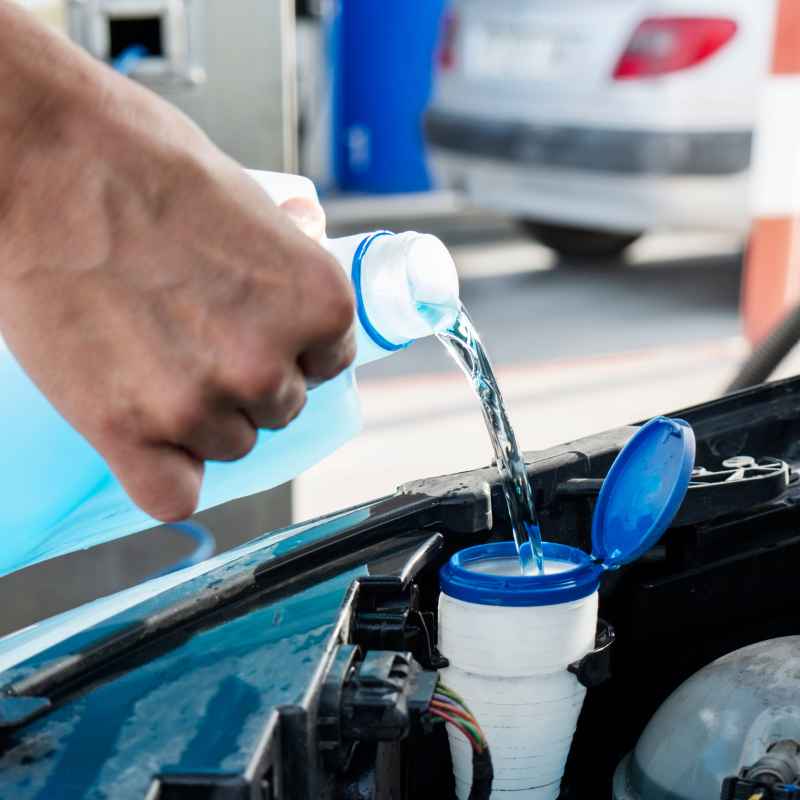
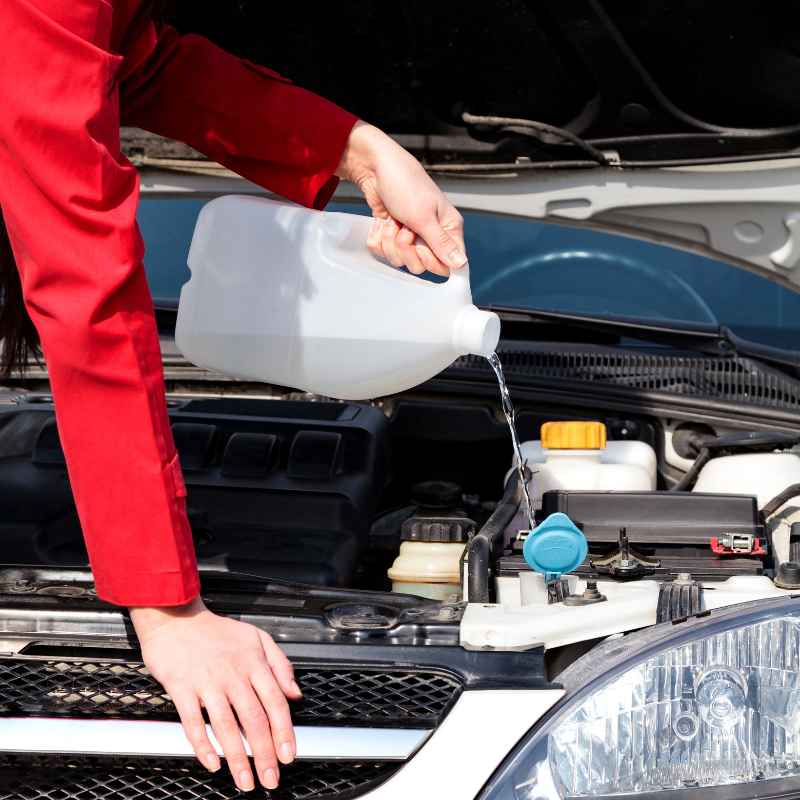
1. Locate Your Reservoir:
Pop your car’s hood. Look for a reservoir. It usually has a blue or yellow cap.
The cap often has a windshield symbol on it. It’s typically made of translucent plastic. You can see the fluid level inside.
2. Check the Level:
Before adding, see how much fluid is already there. If it’s low, you need to top it up. If it’s completely empty, you can fill it up.
Don’t overfill. Leave a little space at the top. This allows for expansion.
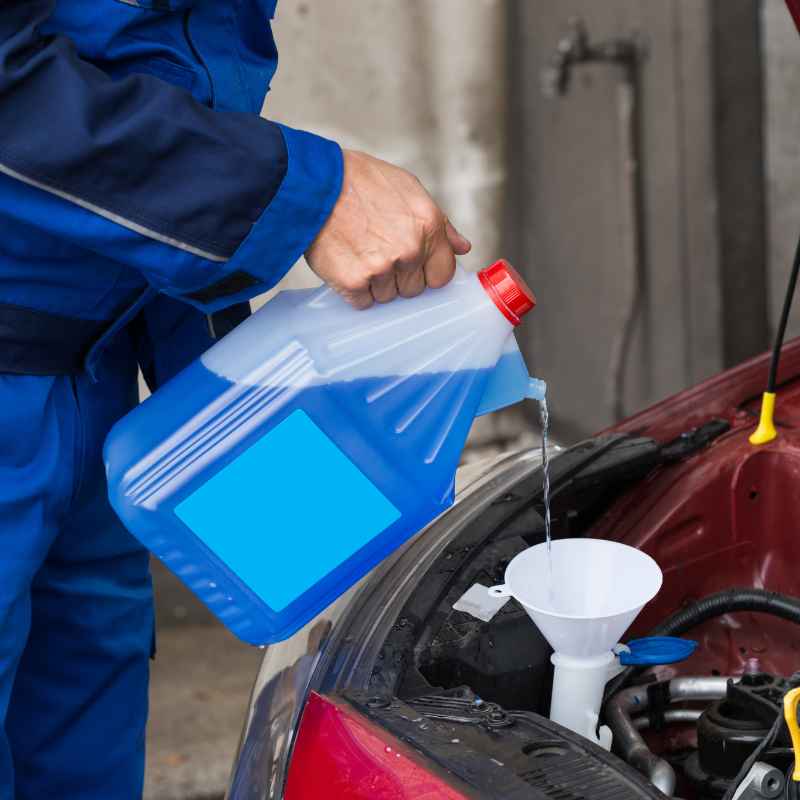
3. Add the Fluid:
Carefully pour your homemade washer fluid into the reservoir. Use a funnel if needed. This prevents spills.
Pour slowly. Make sure you’re not overfilling.
4. Replace the Cap:
Put the cap back on securely. Make sure it’s tight. This stops dirt and debris from getting into the system.
It also stops the fluid from evaporating too quickly.
5. Test It Out:
Start your car. Find the lever or button on your steering column. This controls the wipers and washer fluid.
Give it a short spray. Check if the fluid comes out. Make sure the wipers clear the fluid effectively.
Do this a couple of times to get the fluid flowing through the lines.
Tips for Best Performance:
- Use it Regularly: Don’t wait until your windshield is covered in grime. A quick spray now and then keeps it clean.
- Check Fluid Level Often: Make it a habit to check your washer fluid level. Do this at least once a month. Especially before long trips.
- Consider Wiper Blades: Your washer fluid works with your wipers. If your wipers are old or worn, they won’t clean well. Replace them when they start to streak or chatter.
- Clean the Reservoir Opening: Occasionally, you might see dirt or debris around the reservoir opening. Gently wipe it clean before refilling. This stops gunk from getting into your system.
Using your homemade fluid is straightforward. It’s the same process as buying it. The satisfaction comes from knowing you made it yourself.
And that you’re saving money!
Troubleshooting Common Issues
No Fluid Coming Out: This could mean the reservoir is empty. Or the pump has failed. Check the fluid level first.
If it’s full, there might be a blockage in the lines. Or the pump motor might be dead. Sometimes, very cold weather can freeze the lines.
Try running the pump for a bit. Or let the car warm up.
Weak Spray: A weak spray can also indicate a blockage. Check the nozzles on your hood. They can get clogged with dirt or ice.
Use a small pin to carefully clear them. If the nozzles are clear, it might be a weak pump.
Streaks on Windshield: This usually means too much soap was used. Or the soap isn’t rinsing clean. It can also happen with dirty wiper blades.
Try rinsing your windshield with just water. If streaks persist, make a new batch with less soap. Ensure your wipers are clean.
When to Use Store-Bought Fluid Instead
While making your own washer fluid is great, there are times when store-bought might be better. It’s good to know these exceptions.
1. Extreme Weather Conditions:
If you live somewhere with incredibly harsh winters, like reliably -30°F or colder, commercial fluids are formulated for extreme conditions. They often have special additives to handle salt and road grime in these temperatures. Your homemade mix might not be as robust.
2. Specific Additives Needed:
Some commercial fluids have additives for de-icing. Or for extra bug-removing power. If you encounter very specific, tough cleaning challenges, a specialized commercial product might offer an edge.
For most everyday driving, though, homemade is fine.
3. Convenience in a Pinch:
If you’re on a long road trip. And you realize you’re out of fluid. And you can’t get to ingredients easily.
Buying a jug at a gas station is the quickest solution. It’s not ideal for regular use due to cost, but it works when you’re stuck.
4. Car Manufacturer Recommendations:
Some car manufacturers might have very specific recommendations for their vehicles. Especially for newer, high-tech cars with advanced sensor systems. While unlikely, it’s worth a quick check in your car’s manual.
To see if they advise against DIY fluids for any reason. Most cars are fine, but it’s good to be aware.
5. Peace of Mind:
For some, the assurance of a tested, commercially produced product is worth the extra cost. They might prefer the consistency. If you’re worried about making a mistake with a DIY recipe.
Or you just prefer to buy it, that’s perfectly fine.
However, for the vast majority of drivers. And for most common weather situations. A homemade washer fluid is a fantastic, cost-effective, and safe alternative.
It’s a practical skill that many people find very useful.
Frequently Asked Questions
Can I use tap water instead of distilled water?
You can use tap water in a pinch. But distilled water is much better. Tap water has minerals.
These can leave spots on your windshield. They might also clog your washer system over time. Distilled water is pure and won’t cause these problems.
How much rubbing alcohol do I need for freezing temperatures?
For typical winter temperatures, a 50/50 mix of water and 70% isopropyl alcohol is usually good. For colder climates, you might need more alcohol. Like 2/3 alcohol to 1/3 water.
For extreme cold, aim for a ratio closer to 75-80% alcohol.
Will homemade washer fluid damage my car?
No, if made correctly with the right ingredients. Using distilled water, isopropyl alcohol, and mild dish soap is safe. It won’t harm your paint, seals, or washer system.
Avoid using methanol or harsh chemicals.
What happens if I use too much soap?
Using too much dish soap can create excessive suds. These suds can be difficult to wipe away. They might leave streaks on your windshield.
This can make it harder to see. It’s best to use only a few drops of mild soap.
Can I use window cleaner in my washer fluid?
Generally, no. Most common household window cleaners are not designed for car washer systems. They can contain ingredients that might be too harsh.
Or they could foam excessively. Stick to the basic ingredients: distilled water, rubbing alcohol, and mild dish soap.
How long does homemade washer fluid last?
Homemade washer fluid can last a long time, usually over a year. Especially the alcohol-based recipes. Store it in a sealed container in a cool, dark place.
If it separates a bit, just shake it well before use.
The Bottom Line on DIY Washer Fluid
Making your own car washer fluid is a smart choice. It’s simple, cheap, and effective. You get clear visibility.
You save money. You know exactly what’s in it. Whether it’s summer bugs or winter ice, you can prepare.
Just remember your distilled water, rubbing alcohol, and a touch of soap. Keep your windshield clean and drive safely.
Products related to this article
Sponsored / affiliate links. As an Amazon Associate I earn from qualifying purchases. I may earn additional commission from eligible campaigns.