How To Deal With Small Rust Spots On Your Car Effectively
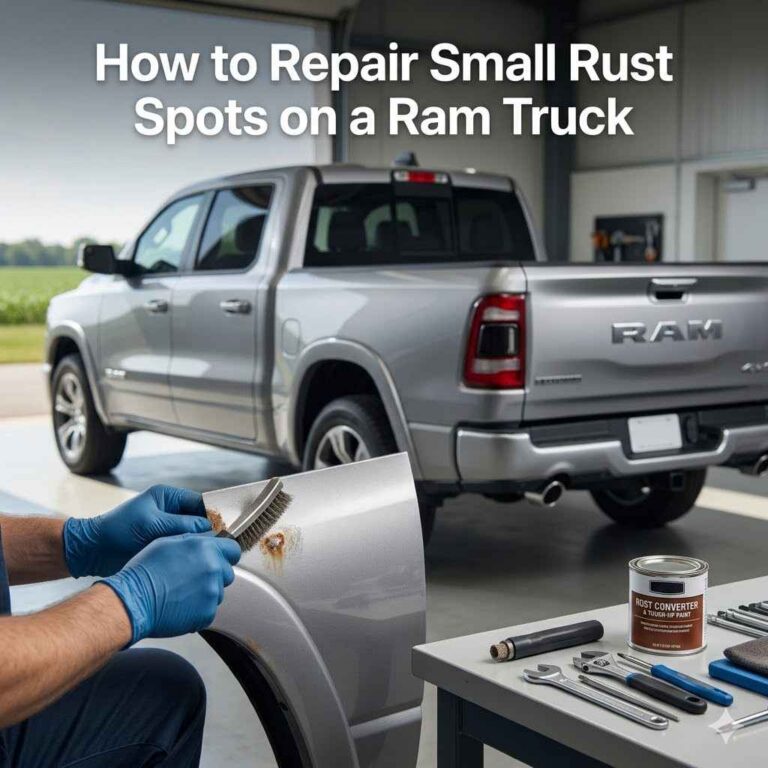
Dealing with small rust spots on your car involves identifying the affected area, removing the rust using appropriate methods, and then sealing and repainting the spot to prevent further spread and maintain the car’s appearance. Early action is key to effective and easy repair.
Understanding What Rust On Your Car Is
Rust, or iron oxide, forms when iron or steel is exposed to oxygen and moisture. Your car’s metal body is mostly steel. When a tiny chip or scratch breaks through the paint, it exposes the metal.
This is where the trouble starts. Rain, snow, humidity, and even salty air can all speed up this process. Think of it like a cut on your skin.
If you don’t clean it, it can get infected and worse. Rust works the same way on metal.
It doesn’t just sit there. Rust actually eats away at the metal. It creates a flaky, weak surface.
If left untreated, it can spread under the paint. This makes the problem much bigger and harder to fix. It can even weaken the car’s structure over time.
So, that small spot is a warning sign. It’s telling you the protective layer is gone in that one spot. And the metal is starting to change.
Why Small Rust Spots Appear
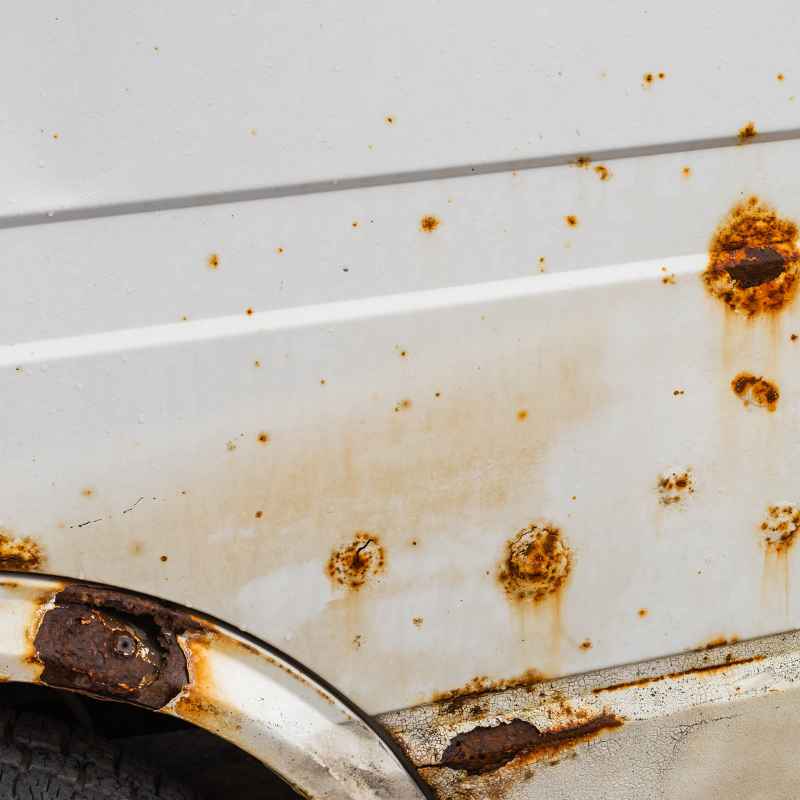
There are a few common culprits for those little orange dots. Paint chips are a big one. When a rock hits your car at speed, it can chip the paint.
This happens often on the front of your car. Door dings can also break the paint. Scratches from keys or brushes are another way rust gets a foothold.
Sometimes, it’s even from manufacturing. Small imperfections can lead to rust over years. Even the salt used on roads in winter can accelerate rust formation.
It gets into tiny cracks. Then, it helps the rust spread.
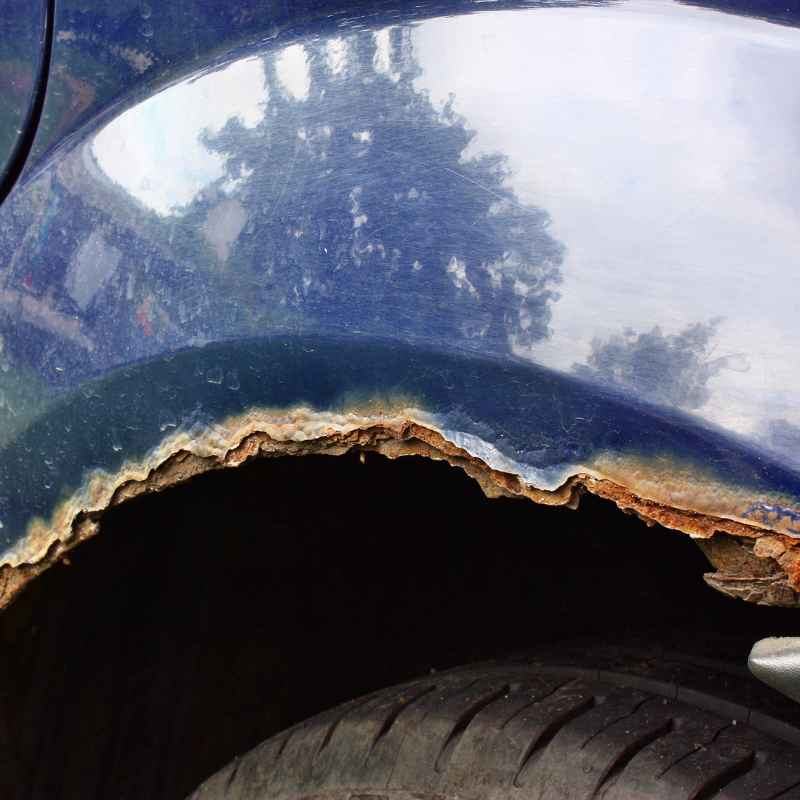
Areas where water can pool are also prone to rust. Think around wheel wells or the bottom edges of doors. These spots might not get enough airflow.
This traps moisture. Over time, this constant dampness wears down the paint. Then, the metal beneath starts to rust.
It’s a slow process, but it’s steady. Recognizing these common areas can help you spot rust early. It’s like knowing where to look for trouble before it gets bad.
Common Causes of Car Rust
Paint Chips: Rocks and debris from the road hitting the paint. This exposes the metal underneath.
Scratches: Minor abrasions from parking, car washes, or brushing against objects.
Poor Paint Job: Flaws in the original or a repair paint job can lead to weak spots.
Salt Exposure: Road salt in winter or salty air near the coast is a major rust accelerant.
Water Traps: Areas where water can collect and stay wet for long periods.
My Own Rust Battle: A Tiny Spot That Grew
I remember one time, I was washing my car. It was a sunny Saturday. I had just detailed it.
I ran my hand along the bottom of the driver’s side door. That’s when I felt it. A small, rough patch.
I looked closer. It was a tiny speck of rust, no bigger than a pinhead. I felt a wave of annoyance.
I thought, “It’s so small, it’s probably fine.” I decided to just wax over it. That was my mistake. A few months later, I noticed the paint around it was starting to bubble.
The spot had grown. It was now the size of a dime. The rust had spread underneath.
I panicked a little. I realized my quick fix hadn’t worked at all. It made it worse.
I had to learn how to really fix it then.
That experience taught me a valuable lesson. Ignoring small rust spots is like ignoring a small leak in your roof. It won’t fix itself.
It will only get bigger and cause more damage. It took me a weekend to properly repair that spot. I had to sand it down.
Then prime it, paint it, and clear coat it. It wasn’t perfect, but it stopped the rust. And it looked so much better.
It was a much better outcome than letting it eat through the door panel.
How to Find Small Rust Spots Early
Spotting rust when it’s tiny is the best way to handle it. Think of it like checking your teeth for cavities. Regular checks help catch problems early.
Wash your car often. This is not just for looks. It helps you see the car’s true condition.
Pay attention to common rust areas. These include the bottom of doors, fenders, rocker panels, and around wheel wells. Look for any tiny orange or reddish specks.
Sometimes, the paint might look a little cloudy or dull in one spot. That can be an early sign.
Run your fingers along the edges of panels. You can often feel a rough texture before you see it clearly. If you see a chip or scratch, inspect it closely.
Is the metal underneath starting to turn color? Even a faint hint of orange is a clue. Check the underside of your car too.
It’s exposed to more dirt and moisture. A quick glance underneath after a wash can reveal a lot. Don’t forget areas like the trunk lid and the hood.
Rust can start anywhere the paint is compromised.
Your Rust Spot Checklist
- Wash Regularly: Makes inspection easier.
- Feel the Surface: Run your hand over common rust spots.
- Inspect Chips & Scratches: Look for color changes.
- Check Common Areas: Wheel wells, door bottoms, rocker panels.
- Examine Undercarriage: Look for early signs of rust.
Tools You’ll Need for Rust Removal
Don’t worry, you don’t need a full auto body shop for small spots. Most of the tools are pretty common. You’ll need sandpaper.
Start with a coarser grit like 80 or 120 to get through the rust. Then move to finer grits, like 220 or 320, to smooth the area. A sanding block can help keep the surface flat.
You might also need a wire brush for tougher spots. A small scraper can help lift loose rust flakes.
For cleaning, you’ll want some degreaser or car wash soap. And clean rags or paper towels. A tack cloth is great for picking up fine dust before painting.
You’ll need a rust converter or a rust encapsulator. This stops the rust from spreading. Then, you’ll need primer.
This helps the paint stick. Finally, you’ll need touch-up paint. Get one that matches your car’s color code.
Clear coat is also important for protection. And maybe some masking tape to protect the surrounding paint.
Step-by-Step: Removing Small Rust Spots
Let’s get to it. First, gather your supplies. Make sure you’re in a well-ventilated area.
A garage or outside on a dry day is good.
Step 1: Clean the Area
Wash the area around the rust spot. Use soap and water. Rinse it well.
Then, dry it completely with a clean cloth. This removes dirt. Dirt can get in the way of your work.
And it can cause more scratches.
Step 2: Sand Away the Rust
Use your coarser sandpaper (80 or 120 grit). Gently sand the rusty spot. You want to remove all visible rust.
Sand until you see clean, shiny metal. If you have a wire brush, you can use that too. Be careful not to sand too much.
You only need to remove the rust. Then, switch to finer grit sandpaper (220 or 320 grit). Smooth out the sanded area.
This makes the surface ready for the next steps.
It’s important to remove all the rust. If you leave even a tiny bit behind, it will start to grow again. Think of it like weeding a garden.
You have to get the root. Sanding until the metal looks bright and clean is key.
Step 3: Apply a Rust Converter or Encapsulator
Now, clean the sanded area again. Use a clean cloth. You want no dust.
Apply a thin coat of rust converter. Follow the product’s instructions. This chemical changes the rust into a stable, black layer.
Or you can use a rust encapsulator. This seals the rust away. It prevents air and moisture from reaching it.
Let it dry completely. This step is super important. It stops the rust from coming back.
Step 4: Prime the Spot
Once the converter is dry, apply a thin coat of primer. Use a primer designed for metal. You can use a small brush or a spray can.
Make sure to cover the entire sanded area and slightly beyond. The primer helps the paint stick. It also adds another layer of protection.
Let the primer dry according to the product directions. You might need two thin coats.
Step 5: Apply Touch-Up Paint
This is where your car starts to look normal again. Find your car’s paint color code. You can usually find it on a sticker inside the driver’s door jamb.
Get matching touch-up paint. It might come in a small bottle with a brush. Or it could be a spray can.
Apply thin coats of paint. Let each coat dry before applying the next. It’s better to do several thin coats than one thick one.
Thick coats can sag or look uneven.
This part can be tricky. Take your time. Try to match the original paint texture.
If using a brush, use light strokes. Don’t try to fill the whole area at once. Build up the color slowly.
You want it to blend in. It might not be perfect, but it will cover the rust. That’s the main goal.
Step 6: Apply Clear Coat
After the color coat has dried, apply a clear coat. This protects the paint. It also gives the area a glossy finish.
Again, use thin coats. Let them dry properly. The clear coat helps seal everything in.
It also matches the shine of the rest of your car. Once the clear coat is dry, you’re done with the painting part.
Step 7: Final Polish (Optional)
When everything is fully cured (this might take a day or two), you can gently polish the area. This helps blend the new paint with the old. Use a fine polishing compound.
Be very gentle. This step can make the repair almost invisible. But it’s not strictly necessary if you just want to stop the rust.
Quick Rust Removal Steps
1. Clean: Wash and dry the rusty spot.
2. Sand: Remove rust until metal is bright.
3. Treat: Apply rust converter or encapsulator.
4. Prime: Apply a thin layer of metal primer.
5. Paint: Apply matching touch-up paint in thin coats.
6. Seal: Finish with a clear coat for protection.
When to Call a Professional
Most small spots are DIY friendly. But some situations call for expert help. If the rust has spread deep into the metal.
For example, if there are holes in the panel. Or if the rust is on a structural part of the car. This needs professional attention.
Also, if you’re dealing with a large area of rust. Or if the car is a classic or very valuable. A professional has the tools and skills.
They can ensure a perfect repair. They can also match the paint exactly. This keeps the car looking its best.
Don’t feel bad asking for help. Sometimes, it’s the smartest and best option.
If you’re unsure about any step. Or if you don’t have the right tools. It’s better to get a quote from a body shop.
They can assess the damage. They can tell you if it’s a quick fix or a bigger job. For peace of mind, especially on newer or pricier cars, professional help is often worth it.
They also guarantee their work. That’s a big plus.
Preventing Rust in the First Place
The best way to deal with rust is to stop it before it starts. Prevention is always easier and cheaper than repair. Keep your car clean.
Wash off dirt, mud, and especially road salt. Do this regularly, especially in winter. Waxing your car creates a protective barrier.
A good coat of wax seals the paint. This helps repel water and dirt. It’s a simple step that makes a big difference.
Fix paint chips and scratches right away. Don’t let them sit. A small chip can become a big rust problem quickly.
You can buy touch-up pens or kits. Keep one in your car for quick fixes. Avoid parking in damp or humid areas if possible.
Ensure drainage holes on your car are clear. These are usually found in door bottoms. They let water escape.
Keeping these clear prevents water buildup.
Rust Prevention Tips
- Wash Frequently: Especially after exposure to salt or mud.
- Wax Your Car: Apply a protective layer of wax.
- Repair Chips Promptly: Use touch-up paint for small damages.
- Keep Drainage Holes Clear: Allow water to escape from door bottoms and other areas.
- Store Smartly: Avoid prolonged exposure to moisture.
What Does This Mean For Your Car’s Value?
Rust is a major enemy of car value. Even small spots, if left untreated, can spread. This spreads to larger areas.
This significantly lowers your car’s resale value. A car with rust damage looks neglected. It suggests potential underlying structural issues.
Buyers are often scared away by visible rust. They might assume the car hasn’t been well-maintained. This can lead to much lower offers.
Or even make the car hard to sell at all.
Taking care of small rust spots promptly is an investment. It protects your car. It keeps it looking good.
And it helps maintain its value over time. A car that is free of rust is much more attractive to buyers. It signals good ownership.
It suggests the car is mechanically sound and well-cared for. So, that little bit of effort now can save you a lot of money later.
Real-World Scenarios: Rust Happens!
Let’s look at some common places you might find these small rust spots.
Scenario 1: The Everyday Commute
You drive the same route every day. Road debris, tiny rocks, and sand are thrown up by other cars. These hit your car’s paint.
Especially on the front fenders and hood. A small chip forms. If not fixed, moisture can get in.
This is how a small rust spot can start. Even on a new car, this happens.
Scenario 2: The Coastal Drive
You live near the ocean. Or you took a beach vacation. The salty air is corrosive.
It attacks metal surfaces. Even if your paint is intact, salt can cling. It can find tiny imperfections.
This can lead to rust forming faster. Especially on older cars or cars not treated for salt.
Scenario 3: Winter Woes
Winter brings snow and ice. Road crews use salt and de-icing chemicals. These chemicals are harsh.
They stick to your car’s undercarriage and lower panels. Even after the snow melts, the salt residue remains. Washing your car often in winter is crucial.
Not doing so can lead to rapid rust formation. Particularly around the rocker panels and wheel wells.
Scenario 4: Parking Lot Mishaps
You park in a busy lot. Someone parks too close. Their door hits yours.
A small dent. Or a scratch. This breaks the paint.
It’s an invitation for rust. Even brushing against a bush can cause a scratch. It’s the small damages that often lead to bigger rust problems.
What This Means For You: Normal vs. Concerning Rust
It’s good to know when a little rust is just a cosmetic issue. And when it’s a sign of a bigger problem.
Normal Rust Spot Behavior
A small, isolated spot of surface rust. It’s usually just on the surface. It hasn’t eaten through the metal.
The paint around it is mostly intact. You can feel a little roughness. This is typically what you see from a minor chip.
These are usually fixable at home. They don’t compromise the car’s integrity.
Concerning Rust Spot Behavior
If the rust has spread. If the paint is bubbling or flaking significantly around the spot. If you can see holes in the metal.
Or if the rust is in a structural area like a frame rail. This is concerning. It means the rust is deep.
It’s actively destroying the metal. This requires professional attention. It could also mean other areas have rust you can’t see yet.
Always err on the side of caution. If you’re not sure, get a second opinion. A trained eye can spot potential issues you might miss.
A quick inspection can save you major repair bills down the line.
Quick Fixes and Tips for Small Rust Spots
Here are some handy tips for dealing with those small spots.
- Use a Dremel Tool: For very small spots, a Dremel with a wire brush attachment can be very effective. Use it on a low setting.
- Invest in a Touch-Up Pen: These are great for quick fixes of small chips and scratches. Keep one in your glove box.
- Masking Tape is Your Friend: Use painter’s tape to protect the surrounding paint when you’re sanding or painting.
- Thin Coats are Key: Always apply paint and clear coat in multiple thin layers. This prevents runs and drips.
- Be Patient: Rushing the process will likely lead to a less-than-perfect result.
- Check Under Liners: Sometimes rust starts under plastic fender liners or trim pieces. Pulling these back for inspection can reveal hidden rust.
Frequently Asked Questions About Car Rust
Is it normal for my new car to get rust spots?
No, it’s not normal for a new car to develop rust spots quickly. New cars have advanced protective coatings. If you see rust on a new car, it might be due to a manufacturing defect.
Or it could be from damage that happened shortly after purchase. Contact your dealer immediately if you spot rust on a very new vehicle.
Can I just ignore small rust spots?
Ignoring small rust spots is never a good idea. Rust is a progressive problem. It will almost certainly spread.
And it will get worse over time. What starts as a tiny speck can become a large, costly repair. It’s much easier and cheaper to fix rust when it’s small.
How long does it take for a rust spot to become a big problem?
The time it takes for a rust spot to become a big problem varies greatly. Factors like climate, salt exposure, and the type of metal affect this. In harsh, humid, or salty environments, rust can spread noticeably in just a few months.
In drier climates, it might take a year or more. But it will still spread.
What’s the difference between surface rust and scale rust?
Surface rust is the initial stage. It’s a reddish-orange coating on the metal’s surface. It hasn’t deeply penetrated the metal yet.
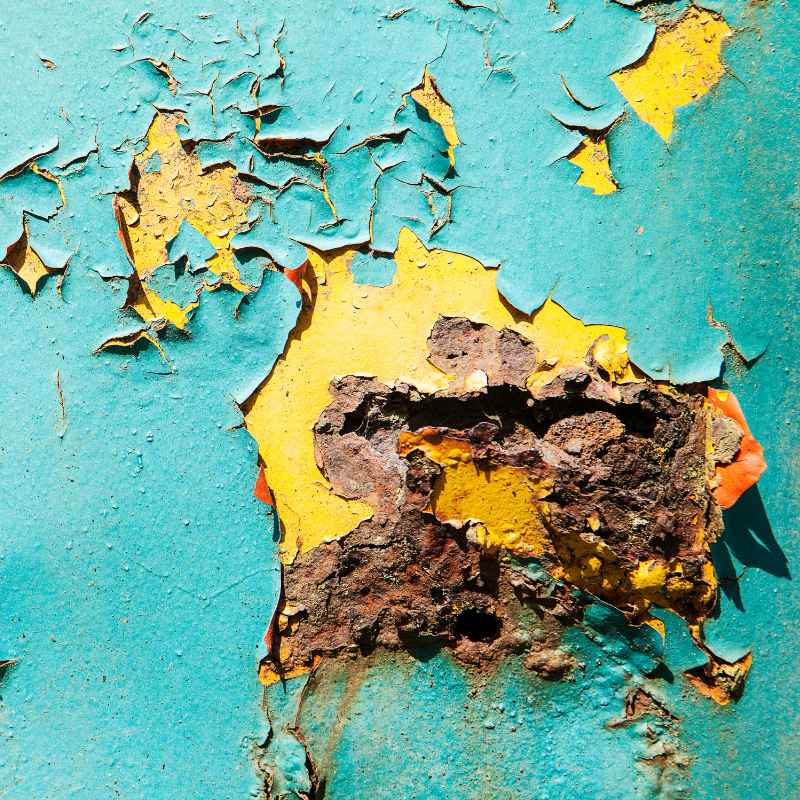
Scale rust is more advanced. It’s when the rust has eaten into the metal. It forms flaky, rough patches.
Scale rust is much harder to remove and indicates more damage.
Can rust spread through touch-up paint?
If you don’t properly treat the rust before applying touch-up paint, yes, it can spread. The touch-up paint only covers the surface. It doesn’t stop the rust forming underneath.
That’s why using a rust converter or encapsulator is crucial before painting. This treatment stops the rust process.
Is it safe to drive a car with rust?
Small cosmetic rust spots are generally safe. However, if rust has compromised the structural integrity of your car, it can be dangerous. This includes rust on the frame, suspension, or body panels that support critical parts.
Always have significant rust damage inspected by a professional.
Conclusion: Taking Control of Car Rust
Dealing with small rust spots on your car doesn’t have to be scary. By understanding why rust forms and how to tackle it early, you can keep your car looking great. And protect its value.
Remember, a little effort now saves a lot of trouble later. So, next time you see that tiny orange speck, don’t ignore it. Grab your supplies, follow the steps, and take control.
Your car will thank you for it.
Products related to this article
Sponsored / affiliate links. As an Amazon Associate I earn from qualifying purchases. I may earn additional commission from eligible campaigns.