How To Get Blood Out Of A Car Seat Quickly & Effectively
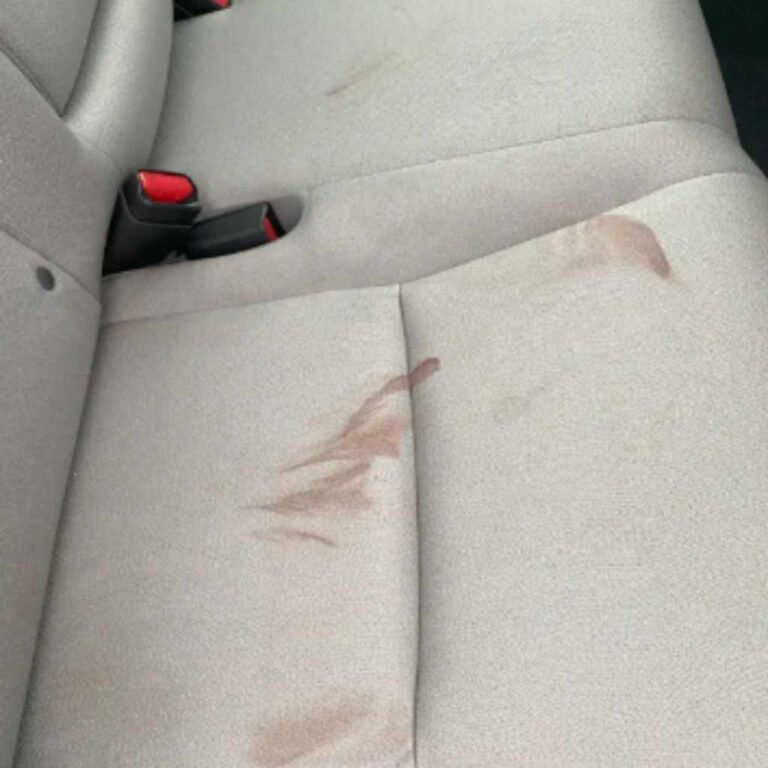
Finding blood on your car seat can be really upsetting. It’s messy and can leave a tough stain. You might feel a bit panicked, wondering if you’ll ever get it clean again.
Many people face this problem, and it’s okay to feel stressed about it. But the good news is, with the right steps, you can tackle blood stains effectively. This guide will walk you through the process step-by-step.
Getting blood out of car seats involves quick action with cold water and specific cleaning agents. Early treatment prevents staining, while dried blood needs a bit more effort and patience. Always test cleaners in a hidden spot first.
Understanding Blood Stains on Car Seats
Blood is a protein-based stain. This means heat can make it set into the fabric. That’s why using cold water is so important at the start.
The longer blood sits, the harder it is to remove. Think of it like paint drying; once it’s dry, it sticks much better.
Car seats are made of different materials. Most are fabric, but some have leather or vinyl. The best way to clean blood depends on the material.
Fabric is porous, so the blood can soak in. Leather and vinyl are smoother and easier to wipe clean. But even on these, if the blood dries, it can leave a mark.
We need to act fast. The sooner you treat a blood stain, the better your chances of removing it completely. Even a small drop can look alarming.
It’s the surprise factor that makes it feel worse.
My Own Blood Stain Scare
I remember one time, it was late. I had a small cut on my finger from opening a package. I must have leaned on my car door’s armrest without realizing it.
When I got home, I saw a tiny, but very noticeable, red smudge. My heart sank. It wasn’t a lot, but it was definitely blood.
I immediately worried about permanent marks. I didn’t have any cleaning supplies handy. I grabbed a wet paper towel and just dabbed it.
It helped a little, but I could still see a faint outline. That night, I stayed up researching the best ways to get blood out of car seats. I learned a lot about why some methods work and others don’t.
Fresh Blood vs. Dried Blood
Fresh Blood: This is much easier to deal with. It hasn’t had time to bond with the fabric fibers. Cold water is usually your best friend here.
Dried Blood: This is tougher. The stain has set deep. It needs stronger cleaning agents and more scrubbing.
Patience is key with dried blood.
How to Get Fresh Blood Out of a Car Seat
When blood is fresh, you have a real advantage. Speed is your biggest asset here. Don’t let it dry.
Grab whatever cold water you have nearby. A bottle of water, a damp cloth, anything will do in a pinch.
The first step is always blotting. You want to soak up as much of the liquid blood as possible. Use a clean, dry cloth or paper towels.
Press down firmly. Don’t rub, because that can spread the stain. Just blot, blot, blot.
Once you’ve blotted up the excess, it’s time for the cold water. Dampen a clean cloth with cold water. Gently blot the stained area.
You should see the blood start to transfer to your cloth. Rinse the cloth often in clean, cold water. Keep blotting until no more blood seems to be lifting.
The Power of Cold Water
Why cold water? Proteins in blood coagulate (thicken) when heated. If you use warm or hot water, you’ll essentially cook the blood into the fabric.
Cold water keeps the proteins liquid, making them easier to remove. It’s a simple science trick that makes a big difference.
For stubborn fresh stains, you might need a mild cleaning solution. Mix one tablespoon of mild, unscented dish soap with two cups of cold water. Or, you can use a solution of one part hydrogen peroxide to ten parts cold water.
Hydrogen peroxide is great because it breaks down the blood, but it can bleach some fabrics. Always test it first.
Dampen a clean cloth with your chosen solution. Blot the stain. Work from the outside of the stain inward.
This stops it from spreading. Rinse your cloth frequently. After treating the stain, blot the area with a clean cloth dampened with plain cold water.
This removes any soap or peroxide residue.
Quick Blotting Technique
- Use clean cloths.
- Press, don’t rub.
- Work from outside in.
- Rinse cloth often.
Tackling Dried Blood Stains on Car Seats
Dried blood is a tougher opponent. It’s already set in. This means you’ll need a bit more patience and potentially stronger solutions.
But don’t despair; it’s often still possible to remove.
First, try to scrape off any dried blood residue. Use a dull knife or a credit card. Be gentle so you don’t damage the fabric.
This removes the surface layer. Then, dampen a cloth with cold water. Blot the area to soften the remaining stain.
It might take a few rounds of this.
When plain cold water isn’t enough, it’s time for a more targeted cleaner. For fabric car seats, a paste of baking soda and cold water can work wonders. Mix enough baking soda with cold water to make a thick paste.
Apply it to the stain. Let it sit for about 30 minutes. The baking soda helps lift the stain.
Then, gently brush away the dried paste. Blot the area with a damp cloth.
Another effective option is a specialized upholstery cleaner. Look for one that is safe for car interiors. Follow the product instructions carefully.
Always test the cleaner in an inconspicuous area first. This ensures it won’t damage or discolor your car seat.
Baking Soda Paste Method
- Mix 2 parts baking soda with 1 part cold water.
- Apply paste to the stain.
- Let it dry for 30 minutes.
- Gently brush off the paste.
- Blot with a cold, damp cloth.
Enzyme Cleaners for Tough Stains
Enzyme cleaners are a secret weapon for organic stains like blood. These cleaners use enzymes to break down protein molecules. They are very effective at removing stains and odors.
You can find them at most pet stores or general cleaning supply stores.
Make sure the enzyme cleaner is safe for car upholstery. Follow the directions on the bottle. Usually, you spray it on the stain, let it sit for a while, and then blot it away.
Some require a final rinse with cold water.
I’ve used enzyme cleaners on pet messes, and they’re fantastic. They truly break down the stain at a molecular level. For blood, which is also organic, they should be highly effective.
Remember to ventilate your car well when using any cleaner.
Using Enzyme Cleaners
- Choose an upholstery-safe product.
- Test in a hidden area first.
- Spray onto the stain.
- Allow recommended dwell time.
- Blot or wipe clean.
- Rinse if instructed.
Cleaning Blood from Leather or Vinyl Car Seats
Leather and vinyl car seats are less porous than fabric. This makes them generally easier to clean. The blood tends to sit on the surface.
But you still need to be careful to avoid damage.
For fresh blood on leather or vinyl, start with a damp cloth and cold water. Gently wipe the area. You should be able to remove most of it easily.
If it’s dried, you might need a mild soap. Mix a little bit of mild, non-alkaline soap (like saddle soap or a gentle dish soap) with water. Dampen a soft cloth and wipe the stain.
After cleaning, always wipe the area with a clean, damp cloth to remove soap residue. Then, dry the area thoroughly with a clean, dry towel. For leather seats, it’s a good idea to follow up with a leather conditioner.
This helps keep the leather supple and prevents it from drying out or cracking.
Avoid harsh chemicals, abrasive cleaners, or excessive scrubbing on leather and vinyl. These can damage the surface finish. Always check the manufacturer’s recommendations for your specific car interior materials.
Leather/Vinyl Cleaning Steps
- Wipe fresh blood with a damp cloth (cold water).
- For dried spots, use mild soap and water.
- Wipe away soap residue.
- Dry completely with a clean towel.
- Condition leather seats afterward.
Specific Cleaning Solutions and Their Uses
There are several household items and specialized cleaners that work well for blood stains. Knowing which one to use can save you time and effort.
1. Cold Water: The first and most important tool. Always start here.
It’s gentle and effective for fresh stains.
2. Mild Dish Soap: A little bit of unscented dish soap mixed with cold water can lift many fresh stains. It’s a good alternative if you don’t have specialized cleaners.
3. Hydrogen Peroxide (3% solution): This is a powerful stain remover and disinfectant. It can lift blood quickly.
However, it can bleach darker fabrics. ALWAYS test it in an unseen area first. Dilute it with water (1 part peroxide to 10 parts water) for safer use.
4. Baking Soda Paste: Great for dried blood on fabric. It’s a mild abrasive and absorbent that helps lift stains and odors.
5. Salt Paste: Similar to baking soda, a paste of salt and cold water can help lift fresh blood. Apply it, let it sit, then blot it away.
6. Enzyme Cleaners: Highly recommended for organic stains. They break down blood molecules effectively.
Choose one designed for upholstery.
7. Upholstery Cleaner: Commercial cleaners formulated for car interiors. Check labels for blood stain removal claims.
Choosing the Right Cleaner
| Stain Type | Fabric Seats | Leather/Vinyl Seats |
|---|---|---|
| Fresh Blood | Cold Water, Mild Soap, Salt Paste | Cold Water, Mild Soap |
| Dried Blood | Baking Soda Paste, Enzyme Cleaner, Upholstery Cleaner | Mild Soap, Upholstery Cleaner (check label) |
Always test cleaners in an inconspicuous spot first.
When to Seek Professional Help
Sometimes, despite your best efforts, a stain might persist. Or, the stain might be very large. In these cases, it’s best to call a professional car detailing service.
Professionals have access to industrial-strength cleaning equipment and solutions. They have experience with all types of car interiors and stains. They can often remove stains that are impossible for the average person to tackle.
Don’t feel defeated if you can’t get it all out yourself. It’s okay to get expert help.
Also, if you’re dealing with blood that might carry a health risk, professionals have the right tools for thorough disinfection. For instance, if the blood came from an injury, ensuring complete sanitation is important.
What This Means for You: When It’s Normal, When to Worry
Finding a small amount of blood on your car seat can happen. Cuts, nosebleeds, or small injuries from sports equipment can all lead to minor spots. In most cases, these are just accidents that can be cleaned up.
However, if you find large amounts of blood, or if it’s accompanied by other signs of damage or trauma to the car, that’s when you might need to worry. For example, if the blood is related to a car accident, you’ll want to ensure the car is safe and thoroughly cleaned. If the source of the blood is unknown and seems excessive, it’s wise to consider professional cleaning and sanitization.
Always trust your gut. If something feels off about the situation, it’s better to be cautious. For routine cleaning of minor blood spots, the methods discussed should be sufficient.
Quick Fixes & Tips for Blood Stains
Here are some final tips to help you manage blood stains effectively:
- Act FAST: The sooner you address the stain, the easier it will be to remove.
- COLD WATER FIRST: Never use hot water on blood.
- BLOT, DON’T RUB: Rubbing spreads the stain and pushes it deeper.
- TEST FIRST: Always test any cleaning solution on a hidden area of the upholstery.
- VENTILATE: Keep your car doors open while cleaning to allow fumes to escape and the interior to dry.
- DRY THOROUGHLY: After cleaning, make sure the area is completely dry to prevent mold or mildew. You can use a fan or open windows.
- GO GENTLE: Start with the mildest cleaning methods and progress to stronger ones only if needed.
- PROTECT YOURSELF: If you are concerned about the source of the blood, wear gloves.
Essential Do’s and Don’ts
DO: Use cold water, blot gently, test cleaners, ventilate.
DON’T: Use hot water, rub vigorously, skip testing, let it dry completely if possible.
Frequently Asked Questions About Blood Stains
Is it hard to get blood out of car seats?
It can be, especially if the blood has dried. Fresh blood is much easier to remove. The material of your car seat (fabric, leather, vinyl) also affects how easy it is to clean.
Can I use bleach to remove blood stains from my car seat?
It’s generally not recommended to use bleach on car upholstery. Bleach can discolor or damage many fabrics and leather. Hydrogen peroxide is a safer, albeit still potent, alternative that you should test first.
How long does it take for a blood stain to set?
Blood can start to set within minutes as it begins to dry. The longer it’s left untreated, the deeper it will bond with the fabric fibers, making it much harder to remove. Acting quickly is crucial.
What is the best cleaner for dried blood on fabric car seats?
For dried blood on fabric, a paste of baking soda and cold water is often effective. Enzyme cleaners designed for upholstery are also highly recommended. Commercial upholstery cleaners can also work well.
Should I worry about blood-borne diseases from a car seat stain?
While the risk is generally low for minor incidents, if you’re concerned about the source of the blood or potential pathogens, it’s best to use gloves during cleaning and consider professional sanitization services for thorough disinfection.
How can I prevent blood stains in my car?
Keep a small first-aid kit handy for minor cuts. Be mindful when carrying items that might puncture or leak. For activities where injuries are more likely (like hiking or sports), consider using seat covers or old towels.
Conclusion
Dealing with blood on your car seat is a common worry. But by understanding how blood stains work and using the right techniques, you can effectively clean them. Remember to always start with cold water and blot gently.
For tougher, dried stains, move on to mild solutions or specialized cleaners. With a little patience and the right approach, your car seat can look clean again.
Products related to this article
Sponsored / affiliate links. As an Amazon Associate I earn from qualifying purchases. I may earn additional commission from eligible campaigns.