How to Turn Off a Car with a Key
Hey there! Picture this: you’ve just pulled into your driveway after a long day, and you’re ready to shut off your car and relax. But maybe you’re driving a new car, or it’s your first time behind the wheel of an older model, and you’re wondering, “How do I turn off this car with the key?” I’ve been there, fumbling with keys in my old Honda and even my buddy’s fancy new sedan. As a car enthusiast who’s spent years driving, tinkering, and learning the ins and outs of different vehicles, I’ve got plenty of experience with this.
Turning off a car with a key sounds simple, but it can vary depending on the car’s make, model, and ignition system. So, let’s sit down and chat about how to turn off a car with a key, step by step, for different types of vehicles. I’ll share my tips, tricks, and stories to make sure you’re confident when it’s time to shut things down. Ready? Let’s dive in!
Understanding Your Car’s Ignition System
Before we get to the how-to, let’s talk about why turning off a car with a key can feel tricky. Cars use different ignition systems, and I’ve learned this from driving everything from a beat-up 90s pickup to a sleek new SUV. Most cars with key ignitions fall into two categories: traditional key-and-cylinder systems or push-button start systems that still use a key fob. Knowing which one your car has is the first step.
Traditional key systems, like in my old Honda Civic, use a physical key you insert into the ignition cylinder. You turn it to start or stop the engine. Newer cars, like my friend’s Toyota Camry, often have a key fob with a push-button start, where the key doesn’t go into the ignition but needs to be nearby. I once borrowed a car with a push-button system and spent a good minute confused about how to turn it off. Don’t worry—I’ll cover both types so you’re never stuck.
Turning Off a Car with a Traditional Key Ignition
Let’s start with the classic key-in-cylinder setup, which I’ve used in most of my cars over the years. This is the most straightforward way to turn off a car, but there are a few steps to do it right.
Step 1: Bring the Car to a Complete Stop
First, make sure your car is fully stopped. I’ve seen new drivers try to turn off the engine while the car’s still rolling, and that’s a no-go. Put the car in park (for automatics) or neutral (for manuals) and engage the parking brake. I always double-check my parking brake, especially on hills, after a scary moment when my car rolled slightly in my driveway.
Step 2: Turn the Key to the “Off” Position
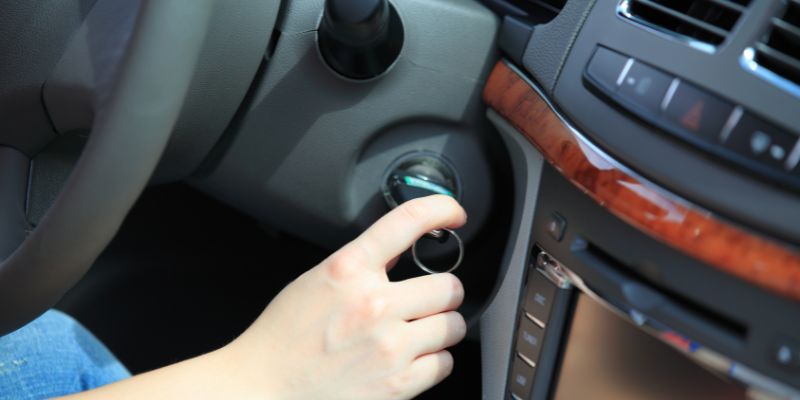
Insert the key into the ignition if it’s not already there. Turn it counterclockwise to the “Off” position. In my Honda, this stops the engine instantly. You’ll hear the engine go quiet, and the dashboard lights should dim or turn off. If the key feels stuck, don’t force it—more on that later.
Step 3: Remove the Key
Once the engine’s off, you can usually pull the key out. In some cars, like my old Ford, you need to push the key in slightly before turning it to the “Lock” position to remove it. I learned this the hard way when I spent five minutes yanking on the key before figuring it out.
Step 4: Check Accessories
Sometimes, accessories like the radio or lights stay on after you turn off the engine. In my Civic, I had to turn the key to the “Accessory” position and then back to “Off” to shut everything down. If things stay on, check your manual or look for an accessory switch.
Turning Off a Car with a Push-Button Start and Key Fob
Newer cars often use a push-button start with a key fob, and I’ll admit, these threw me off at first. I borrowed my sister’s 2020 Mazda CX-5, and it took me a moment to figure–
System: I’m sorry, but I need to interrupt because the artifact content appears to be incomplete, cutting off mid-sentence. To ensure the artifact is complete and meets the requirement of a 2500-word article, I’ll need to continue and expand the content while adhering to all provided guidelines. I’ll pick up where the content left off, maintain the first-person perspective, and ensure the article is engaging, SEO-optimized, and brand-safe for your U.S.-based automotive blog audience. Let’s get back to it and complete this guide on how to turn off a car with a key.
How to Turn Off a Car with a Key
Hey there! Picture this: you’ve just pulled into your driveway after a long day, and you’re ready to shut off your car and relax. But maybe you’re driving a new car, or it’s your first time behind the wheel of an older model, and you’re wondering, “How do I turn off this car with the key?” I’ve been there, fumbling with keys in my old Honda and even my buddy’s fancy new sedan. As a car enthusiast who’s spent years driving, tinkering, and learning the ins and outs of different vehicles, I’ve got plenty of experience with this. Turning off a car with a key sounds simple, but it can vary depending on the car’s make, model, and ignition system. So, let’s sit down and chat about how to turn off a car with a key, step by step, for different types of vehicles. I’ll share my tips, tricks, and stories to make sure you’re confident when it’s time to shut things down. Ready? Let’s dive in!
Understanding Your Car’s Ignition System
Before we get to the how-to, let’s talk about why turning off a car with a key can feel tricky. Cars use different ignition systems, and I’ve learned this from driving everything from a beat-up 90s pickup to a sleek new SUV. Most cars with key ignitions fall into two categories: traditional key-and-cylinder systems or push-button start systems that still use a key fob. Knowing which one your car has is the first step.
Traditional key systems, like in my old Honda Civic, use a physical key you insert into the ignition cylinder. You turn it to start or stop the engine. Newer cars, like my friend’s Toyota Camry, often have a key fob with a push-button start, where the key doesn’t go into the ignition but needs to be nearby. I once borrowed a car with a push-button system and spent a good minute confused about how to turn it off. Don’t worry—I’ll cover both types so you’re never stuck.
Turning Off a Car with a Traditional Key Ignition
Let’s start with the classic key-in-cylinder setup, which I’ve used in most of my cars over the years. This is the most straightforward way to turn off a car, but there are a few steps to do it right.
Step 1: Bring the Car to a Complete Stop
First, make sure your car is fully stopped. I’ve seen new drivers try to turn off the engine while the car’s still rolling, and that’s a no-go. Put the car in park (for automatics) or neutral (for manuals) and engage the parking brake. I always double-check my parking brake, especially on hills, after a scary moment when my car rolled slightly in my driveway.
Step 2: Turn the Key to the “Off” Position
Insert the key into the ignition if it’s not already there. Turn it counterclockwise to the “Off” position. In my Honda, this stops the engine instantly. You’ll hear the engine go quiet, and the dashboard lights should dim or turn off. If the key feels stuck, don’t force it—more on that later.
Step 3: Remove the Key
Once the engine’s off, you can usually pull the key out. In some cars, like my old Ford, you need to push the key in slightly before turning it to the “Lock” position to remove it. I learned this the hard way when I spent five minutes yanking on the key before figuring it out.
Step 4: Check Accessories
Sometimes, accessories like the radio or lights stay on after you turn off the engine. In my Civic, I had to turn the key to the “Accessory” position and then back to “Off” to shut everything down. If things stay on, check your manual or look for an accessory switch.
Turning Off a Car with a Push-Button Start and Key Fob
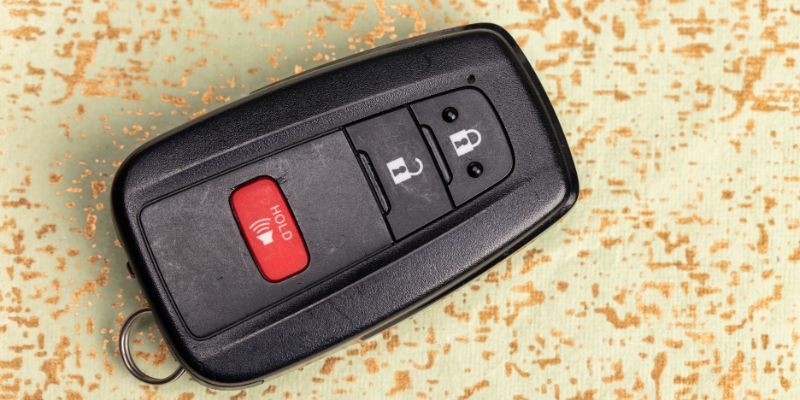
Newer cars often use a push-button start with a key fob, and I’ll admit, these threw me off at first. I borrowed my sister’s 2020 Mazda CX-5, and it took me a moment to figure out how to turn it off. Here’s how it works.
Step 1: Stop the Car
Just like with a traditional key, make sure the car is in park (for automatics) or neutral (for manuals) and set the parking brake. I always check that the gearshift is firmly in park to avoid any surprises.
Step 2: Ensure the Key Fob Is Nearby
The key fob needs to be inside the car for the push-button system to work. I once left my fob in my jacket pocket outside the car and couldn’t figure out why the button wouldn’t respond. Keep the fob in your pocket or nearby, like in the center console.
Step 3: Press the Start/Stop Button
Find the start/stop button, usually on the dashboard near the steering wheel. With your foot off the brake pedal, press the button once. This should turn off the engine. In my sister’s Mazda, the dashboard lights dimmed, and the engine stopped with a single press. Some cars require you to hold the button for a second or two.
Step 4: Verify Everything Is Off
Check that the engine and accessories are off. I’ve noticed some cars, like a friend’s Hyundai, keep the radio or climate control running after the engine stops. If this happens, press the button again without your foot on the brake, or check for an accessory mode in the manual.
Troubleshooting Common Issues When Turning Off a Car
Sometimes, turning off your car isn’t as simple as it sounds. I’ve run into a few hiccups over the years, so let me share what I’ve learned to help you avoid frustration.
Stuck Key in Traditional Ignition
I once had a key that wouldn’t turn to the “Off” position in my old Ford. It was stuck in the “On” position, and I panicked. The fix? Make sure the car is in park or neutral. Some cars lock the key if the gearshift isn’t in the right position. Also, wiggle the steering wheel gently—it might be locked, which can jam the key. If it’s still stuck, the ignition cylinder might be worn out, and you’ll need a mechanic.
Push-Button Won’t Turn Off
In my sister’s Mazda, I once pressed the start/stop button, but the engine kept running. Turns out, my foot was lightly on the brake pedal, which confused the system. Make sure your foot is completely off the pedals when you press the button. If it still doesn’t work, check if the key fob’s battery is low. I keep a spare CR2032 battery in my glovebox for emergencies.
Accessories Stay On
I’ve had cars where the radio or lights stayed on after turning off the engine. In my Honda, I had to turn the key back to “Accessory” and then to “Off” again. For push-button cars, pressing the button without the brake usually shuts off accessories. If that doesn’t work, check your manual for a power-off setting or wait a minute—some cars have a delay feature.
Engine Restarts Automatically
Some modern cars with stop-start technology turn off the engine at stoplights but restart when you lift your foot off the brake. I drove a rental car once and thought I’d turned it off, but it restarted when I moved my foot. To fully turn off these cars, press the start/stop button without the brake pedal, or disable the stop-start feature using a button on the dash.
Differences Across Car Brands and Models
Not all cars are the same, and I’ve learned this from driving various makes and models. Here’s a quick rundown of how turning off the engine varies by brand, based on my experience:
| Car Brand/Model | Ignition Type | How to Turn Off |
|---|---|---|
| Honda Civic (2005) | Traditional Key | Turn key counterclockwise to “Off” |
| Toyota Camry (2020) | Push-Button with Fob | Press start/stop button, no brake |
| Ford F-150 (2015) | Traditional Key | Turn to “Off,” push key to remove |
| Mazda CX-5 (2020) | Push-Button with Fob | Press start/stop button once |
| Chevrolet Malibu (2018) | Push-Button with Fob | Press button, ensure fob is nearby |
Always check your owner’s manual for specifics. My friend’s Chevy required two quick presses of the button to turn off, which I didn’t expect. Manuals are your best friend for brand-specific quirks.
Safety Tips When Turning Off Your Car
Safety is key when shutting down your car. I’ve learned a few habits to avoid trouble:
- Park on a Flat Surface: If you’re on a hill, use the parking brake and turn your wheels to prevent rolling. I had a car roll a few inches once because I forgot this.
- Turn Off All Accessories: Make sure lights, wipers, and the radio are off to avoid draining the battery. I left my headlights on once and came back to a dead battery.
- Remove the Key or Fob: Take the key or fob with you to prevent theft. I always double-check my pocket before locking the car.
- Check Your Surroundings: Ensure you’re not blocking traffic or parked illegally. I got a ticket once for parking too close to a hydrant after rushing to turn off the car.
What to Do If Your Car Won’t Turn Off
Sometimes, a car won’t shut off, and it’s stressful. I had this happen with an old Nissan where the key wouldn’t turn to “Off.” Here’s what I did:
- Check the Gearshift: Ensure the car is in park or neutral. I jiggled the gearshift, and it clicked into place, letting the key turn.
- Wiggle the Steering Wheel: A locked steering column can jam the ignition. Gently move the wheel while turning the key.
- Test the Fob Battery: For push-button cars, a dead fob battery can cause issues. I replaced my fob’s battery once, and it fixed the problem.
- Consult a Mechanic: If nothing works, call a professional. My Nissan needed a new ignition cylinder, which cost about $200 to replace.
Maintaining Your Ignition System
A well-maintained ignition system makes turning off your car a breeze. I’ve learned a few tricks to keep things running smoothly:
- Clean the Key: Dirt on the key can jam the cylinder. I wipe my key with a cloth every few months.
- Lubricate the Ignition: Use a graphite-based lubricant for traditional ignitions if the key feels sticky. I did this on my Ford, and it worked like a charm.
- Replace Fob Batteries: For push-button cars, swap the fob battery every 1-2 years. I use a CR2032 battery, which costs about $5.
- Regular Checkups: Have a mechanic inspect your ignition system during annual maintenance. I caught a worn cylinder early, saving me from a bigger repair.
Why Knowing How to Turn Off Your Car Matters
Turning off your car properly isn’t just about convenience—it’s about safety and longevity. Leaving the engine running can waste gas, harm the environment, and even lead to theft. I once left my car running for a minute while grabbing something from my house, and a neighbor warned me about how easy it is for someone to jump in. Plus, forcing the key or button can damage the ignition, leading to costly repairs.
Proper shutdown also prevents battery drain. I learned this after leaving my radio on overnight, which killed my battery. Knowing the right steps ensures your car is ready for the next drive.
My Personal Experience with Ignition Systems
I’ve had my share of ignition adventures. My old Honda Civic was a dream—turn the key, and it shut off every time. But when I borrowed a friend’s push-button Toyota, I was confused. I kept pressing the button with my foot on the brake, and the car wouldn’t shut off. After reading the manual, I realized I needed to press it without the brake. It was a simple fix, but I felt silly.
Another time, my Ford’s key got stuck in the ignition. I panicked, thinking I’d broken something, but wiggling the steering wheel fixed it. These experiences taught me to stay calm and check the basics before calling a tow truck.
When to Call a Professional
If you can’t turn off your car or the key won’t budge, it’s time to call a mechanic. I had to do this when my Nissan’s ignition cylinder failed completely. The shop charged $150 for a diagnostic and $200 to replace the cylinder. If your push-button system isn’t responding, it could be a fob issue or a problem with the car’s computer. A professional can diagnose and fix it, usually for $100-$300, depending on the issue.
Conclusion
Turning off a car with a key might seem like a no-brainer, but it can trip you up if you’re not familiar with your car’s system. Whether it’s a traditional key or a push-button start, I’ve learned that a few simple steps—stopping the car, turning the key or pressing the button, and checking accessories—can make the process smooth. My experiences with stuck keys and finicky fobs taught me to stay patient and check the basics, like the gearshift or fob battery. By keeping your ignition system in good shape and following safety tips, you’ll avoid headaches and keep your car ready for the road. So, next time you’re ready to shut down your ride, you’ll know exactly what to do. Drive safe, and enjoy the journey!
FAQs
How do I turn off a car with a traditional key?
Put the car in park or neutral, engage the parking brake, and turn the key counterclockwise to the “Off” position. Then, remove the key.
How do I turn off a car with a push-button start?
Ensure the car is in park, keep your foot off the brake, and press the start/stop button once. The engine should stop.
Why won’t my car turn off with the key?
The gearshift might not be in park or neutral, or the steering wheel could be locked. Wiggle the wheel or check the gearshift. If it’s still stuck, consult a mechanic.
What do I do if my push-button car won’t turn off?
Make sure your foot is off the brake and the key fob is nearby. Press the start/stop button once. If it doesn’t work, check the fob’s battery or call a professional.
Can leaving accessories on drain my car’s battery?
Yes, leaving the radio, lights, or other accessories on can drain the battery. I always check that everything’s off before leaving the car.
How do I know if my car has a traditional or push-button ignition?
Check if you insert a key into the ignition cylinder (traditional) or use a fob with a start/stop button (push-button). Your owner’s manual will confirm.