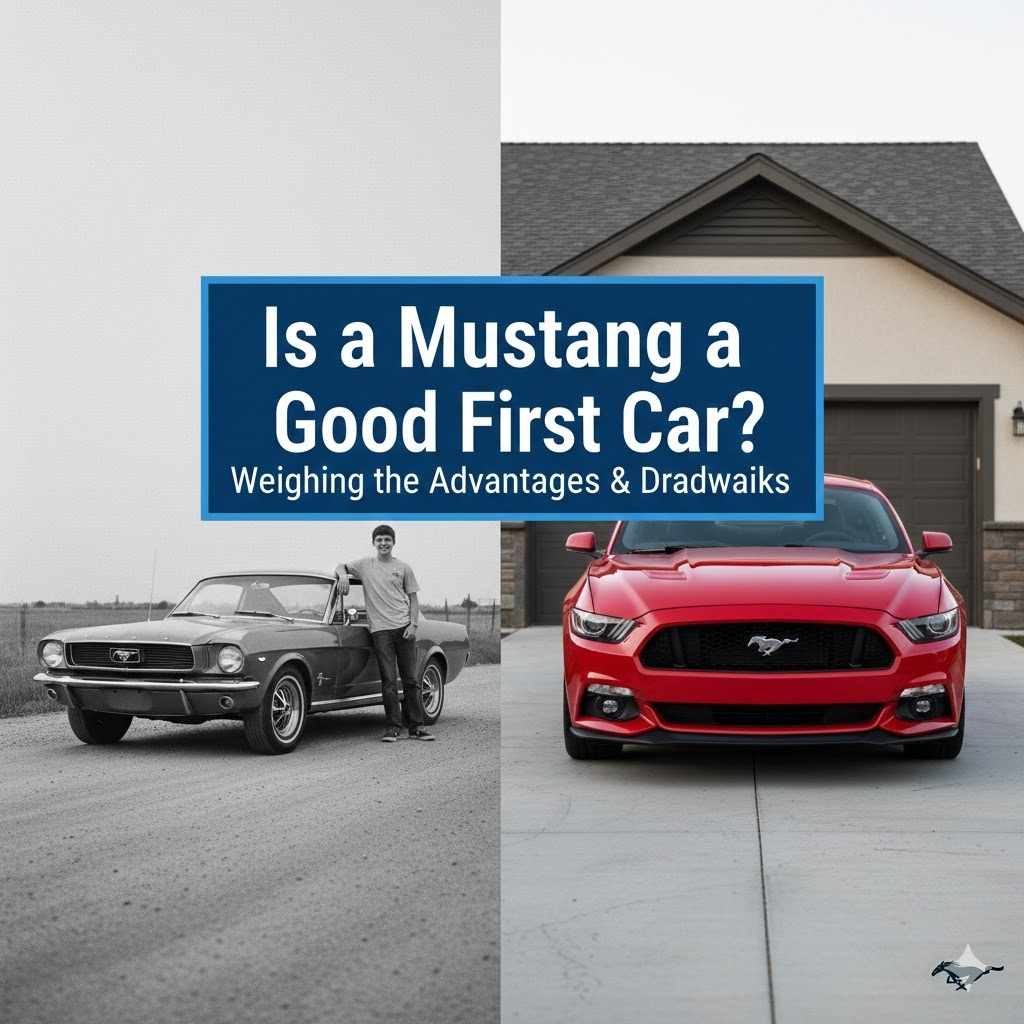
Is a Mustang a Good First Car? Weighing the Advantages & Drawbacks
Deciding if a car is right for you, especially your first car, can be tough! One common question is, Is a Mustang a Good First Car? Pros & Cons. It’s a hot topic because Mustangs look cool and pack a punch, but they can be expensive. Don’t worry, though; we’re going to explore this step-by-step. We’ll look at the good stuff and the not-so-good stuff, so you can make a smart choice. Let’s begin!
Mustang Ownership: What to Expect
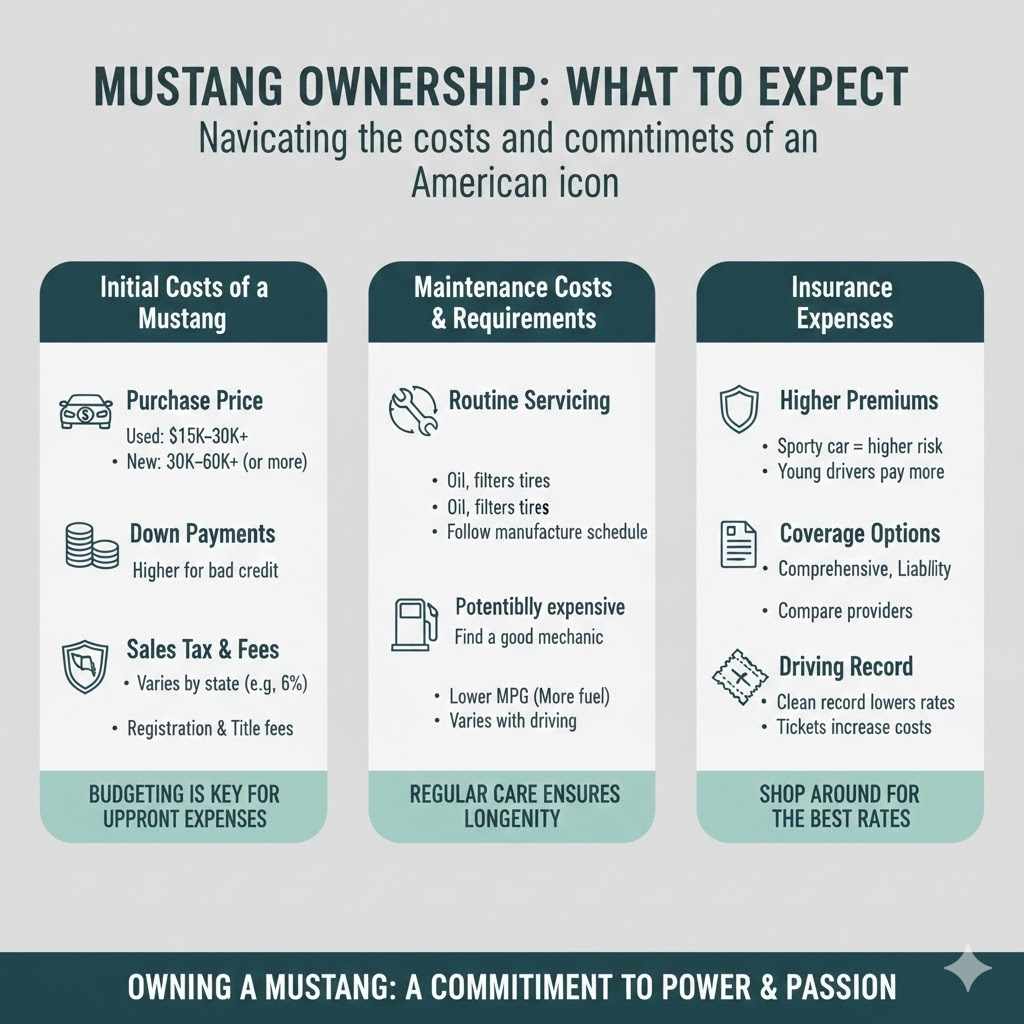
Owning a Mustang is a big deal. These cars are American icons, known for their sporty look and powerful engines. It’s a dream for many young drivers. However, owning one requires a commitment. There are many things to think about that can make it tricky. This includes the initial price of the car, the ongoing costs of maintenance, and the added expense of car insurance. This section breaks down the basics. Let’s explore what it’s like to own one and what to expect.
Initial Costs of a Mustang
The first thing to consider is the upfront cost. Buying a Mustang, even a used one, can be a significant investment. Prices vary depending on the year, model, and condition. A newer model will naturally cost more than an older one. Beyond the sticker price, there are other costs that quickly add up. These include sales tax, registration fees, and possibly a down payment if you finance the purchase. It’s important to have a plan for how you will make payments.
Purchase Price: Mustangs range in price from relatively affordable to quite expensive, depending on the model year and condition. For example, a used Mustang from the early 2010s might be more budget-friendly. A new, high-performance model, like a Shelby, will cost a lot more.
For more specific details, a used Mustang’s price might be $15,000 to $30,000, while a newer version can cost $30,000 to $60,000 or even more, depending on features and trims.
Down Payments: If you’re getting a loan, you will likely need a down payment. The amount depends on the lender and your credit score, but plan on around 10-20% of the car’s price. If your credit is less than perfect, you could pay more upfront.
For instance, on a $25,000 Mustang, a 10% down payment is $2,500. This is the amount you pay out of pocket to secure the loan.
Sales Tax and Fees: Don’t forget the added costs. Sales tax varies by state, but can be a big chunk of money. Then, there are registration fees and title fees, which can add up too.
For example, if you live in a state with a 6% sales tax, you’ll pay $1,500 in tax on a $25,000 car. Registration fees could be a few hundred dollars on top of that.
Maintenance Costs and Requirements
Once you own a Mustang, keeping it running smoothly is the next challenge. Mustangs require regular maintenance, just like any other car. This means oil changes, tire rotations, and inspections to keep the car working well. Some models, especially those with powerful engines, can have higher maintenance requirements. Certain parts might be more expensive than those of a smaller vehicle. It’s useful to set aside a budget for these costs.
Routine Servicing: Regular oil changes, filter replacements, and tire rotations are musts. Follow the manufacturer’s suggested maintenance schedule in the owner’s manual. Ignoring this can lead to bigger, more expensive problems later.
For instance, an oil change might cost $50-$100 every 3,000 to 5,000 miles, depending on your oil type.
Parts and Repairs: Mustang parts can be a bit more expensive than those for everyday cars. If something breaks, the repair costs may be higher. Finding a good, reliable mechanic who specializes in Ford vehicles is a good idea.
Replacing brake pads might cost $200-$400, depending on the parts and labor. Major repairs, like engine work, could cost thousands.
Fuel Costs: Mustangs are known for their strong engines, which also means they might use more fuel. Be ready to spend money at the gas pump, especially if you drive often.
If you’re getting 20 MPG and driving 15,000 miles a year, and gas costs $4 per gallon, you’ll spend about $3,000 a year on fuel.
Insurance Expenses
Insurance is a major cost factor, especially for young drivers. Mustangs are considered sporty cars. This means that insurance companies often see them as a higher risk. This can increase your insurance premiums. Factors like your age, driving record, and where you live also have an impact on the cost. Doing some comparison shopping between different insurance providers is essential to finding the best deals.
Higher Premiums: Mustangs are generally more expensive to insure than smaller, less powerful cars. This is because they are seen as more likely to be involved in accidents. Younger drivers tend to have even higher rates.
Expect your insurance premiums to be quite high, especially when you are a new driver. For example, a young driver might pay $200-$400+ per month to insure a Mustang.
Coverage Options: Consider the type of coverage you need. Comprehensive coverage protects your car from things like theft, fire, and weather damage. Liability coverage pays for damages you cause to others. Choosing the right combination of coverage is important.
Comprehensive coverage adds to the premium cost, but it’s important. It protects you from things that aren’t your fault, such as a hailstorm damaging your car.
Driving Record: Maintain a clean driving record. Tickets and accidents will cause your insurance rates to go up. Safe driving is the best way to keep insurance costs down.
One at-fault accident can easily raise your premium by 20% or more. Speeding tickets can increase it too.
Safety and Practicality of a Mustang as a First Car
Safety is a huge part of choosing a first car. While Mustangs have made big improvements over time, they still have unique safety considerations. Some older models might lack the modern safety features found in newer cars. The car’s performance, especially in the hands of a new driver, can be an issue. Practicality also plays a role. Think about how you will use the car every day. This section will explore safety features, handling, and daily use to help you make a good choice.
Safety Features and Considerations
Safety features have greatly improved in cars over the years. This matters when choosing a first car. Newer Mustangs usually have good safety ratings, with modern equipment. Older models, however, may not have the same safety tech. Consider how these features can help protect you. Also, think about the car’s driving characteristics and how that might affect safety.
Modern Safety Equipment: Look for things like anti-lock brakes (ABS), electronic stability control (ESC), and multiple airbags. These features can make a big difference in an accident. ESC, in particular, can help prevent skidding.
The Insurance Institute for Highway Safety (IIHS) and the National Highway Traffic Safety Administration (NHTSA) give safety ratings. Check these for the Mustang model you’re looking at.
Airbags: Side curtain airbags and front airbags are common. They offer crucial protection in a crash. Make sure the car you want has these features.
Side airbags protect your head and torso in a side impact. Front airbags reduce the impact of a frontal collision.
Driver Assistance Systems: Newer Mustangs might have systems like lane-keeping assist and blind-spot monitoring. These can help to avoid accidents by alerting you to dangers.
Lane-keeping assist gently steers the car back into its lane if you start to drift out. Blind-spot monitoring warns you if a car is in your blind spot.
Handling Characteristics
The handling of a car is a key safety element. Mustangs have powerful engines and can be very responsive. This can be great fun but also a challenge for inexperienced drivers. It is very important to get a car that you can handle and maintain control of. Make sure you can control the vehicle in different weather conditions.
Power and Acceleration: Mustangs have fast acceleration. That can get you in trouble quickly if you are not careful. Be extra cautious about how quickly the car can go from zero to sixty miles per hour.
The base Mustang models will still have good power. Higher-performance models, like the GT, can reach high speeds very fast.
Weight Distribution: Mustangs are generally heavier cars. This can affect handling. Heavier cars have more momentum. This means it may take longer to stop.
Weight distribution affects how a car corners. A well-balanced car is easier to control, especially at higher speeds.
Tire Quality: Good tires are important for grip and control. Make sure the car has good tires. Replace tires when they wear out. This is a must for both safety and performance.
Good tires help the car grip the road when turning or stopping, especially in rain or snow.
Daily Use and Practicality
Consider the car for your everyday driving needs. Mustangs are sports cars. This means some practical things, like space and fuel efficiency, might not be as good as in other cars. Think about your daily activities. If you need a lot of space or want good fuel mileage, a Mustang might not be the best choice. Think about storage space, whether it can fit in your garage, and how easy it is to park.
Size and Parking: Mustangs can be large. This may make it hard to park in tight spots. Check the car’s dimensions and think about the parking situations you will encounter.
The Mustang is a long car. This can make parking a challenge, particularly in crowded city areas.
Cargo Space: Mustangs have a reasonable trunk, but they aren’t designed for hauling a lot of stuff. The space is smaller than in a sedan or SUV. If you need to transport a lot of items, this might be an issue.
Compare the Mustang’s trunk space to that of a sedan. You might find that it doesn’t fit your needs.
Fuel Efficiency: Mustangs are generally not very fuel-efficient, particularly the models with larger engines. Fuel costs will be higher. If you do a lot of driving, this is an important factor.
Compare the car’s MPG ratings with other cars. Higher MPG means lower fuel costs.
Advantages of a Mustang as a First Car
Despite the challenges, there are good reasons why people like Mustangs. They can be a fun and rewarding first car. The sporty look and performance are big attractions. This section explores why a Mustang can be a great car for some people. We’ll look at the driving experience, the image it projects, and the strong community that surrounds Mustangs.
Driving Experience and Performance
One of the biggest advantages of owning a Mustang is the enjoyable driving experience. Mustangs are known for their power and handling. They offer a more thrilling drive than many other cars. This can be a very big bonus for someone looking for a fun first car.
Engine Power: Mustangs have powerful engines. This means that they accelerate quickly and have good performance. This adds to the driving fun.
Even the base Mustang models have a decent amount of power. The V8 engines are known for their strong acceleration.
Handling and Steering: Mustangs offer good handling. They respond well to steering inputs and make it fun to drive. You’ll feel connected to the road.
The Mustang’s suspension system helps with stability and cornering. This makes for a more sporty feel.
Overall Driving Feel: The experience of driving a Mustang is different. It’s more engaging. You get a car that feels sporty and fun to drive.
The combination of power, handling, and responsive steering gives the Mustang a special driving feel that many people love.
Style and Image
Mustangs have a classic look. They have a sporty style. They make a statement. The car’s image is a big plus for many young drivers. Owning a Mustang means you will be driving a car with heritage. This can be something that matters to a lot of people.
Iconic Design: Mustangs have a design that is famous. It has been around for many years. It’s a car that turns heads.
The long hood and short rear deck are signature Mustang elements.
Sporty Appearance: The Mustang looks sporty and athletic. This appeals to people who want a car that looks exciting.
The Mustang’s body lines and aggressive stance give it a powerful look.
Status Symbol: Owning a Mustang can also be a status symbol. It shows you have achieved a certain level of success. This can give you pride in your first car.
It’s a car with a rich history and a strong fan base. It is a car that people will recognize.
Community and Support
Mustangs have a large and active community of people. This can be a real plus for first-time owners. The community provides a lot of support and knowledge. This can be helpful when you need to find parts or learn about your car. The community also creates social opportunities.
Online Forums and Clubs: Many online forums and car clubs are devoted to Mustangs. You can ask questions, get advice, and connect with other Mustang fans.
Websites like Mustang6g or The Mustang Source offer valuable info, tips, and the chance to interact.
Availability of Parts: Because Mustangs are so popular, finding parts is generally easy. There are plenty of places to get replacement parts or upgrades.
You can find parts at dealerships, auto parts stores, and online retailers.
Social Events and Meets: Mustang clubs and groups often host car shows, meets, and other events. These events give you a chance to show off your car and meet new people.
These events offer a great chance to be part of the Mustang scene and bond with other owners.
Disadvantages of a Mustang as a First Car
While a Mustang has many advantages, it also has some downsides. It’s important to understand these drawbacks before you decide. These drawbacks can impact your finances, safety, and overall satisfaction. This section discusses potential issues related to cost, performance for beginners, and the potential for attracting unwanted attention.
High Ownership Costs
One of the biggest negatives of owning a Mustang is the cost. It can be expensive to own. This includes not just the purchase price, but also ongoing expenses. It’s important to be prepared for the financial burdens. Some of these costs are more than with other cars.
Insurance Premiums: Mustangs are expensive to insure. Insurance rates are higher than for smaller, less powerful cars. This can be a big cost, particularly for young drivers.
You may pay hundreds of dollars each month for insurance.
Fuel Consumption: Mustangs, with their powerful engines, can be fuel-guzzlers. Fuel costs can become a significant part of your budget.
Fuel expenses can add up fast, especially if you drive often.
Maintenance Costs: Repairs and maintenance can be more expensive than with less sporty cars. Parts for performance cars often cost more. You must maintain the car to keep it running well.
Parts and repairs can be costly and need regular maintenance, like oil changes and tire replacements.
Performance Considerations for Beginners
Mustangs are powerful. This can be dangerous for new drivers. The car’s performance requires skill. It’s easy to get in trouble if you are not experienced. The Mustang demands respect. Think about your experience as a driver.
Powerful Engines: Mustangs have fast acceleration. This can be overwhelming, especially if you are not used to it. This can lead to dangerous situations.
The temptation to speed and accelerate quickly can be high.
Handling Challenges: It can be difficult to control the car at high speeds. This is especially true for those who have just started driving. This increases the risk of accidents.
Poor handling can cause you to lose control of the vehicle. This is more dangerous in adverse weather.
Risk of Accidents: The combination of power and inexperience increases the risk of crashes. Young drivers often have more accidents, and a powerful car can make it worse.
Beginner drivers need to learn how to handle more power.
Social and Practical Issues
Owning a Mustang might come with some other, less obvious challenges. These challenges include attention from others and limitations in practicality. It’s important to think about these things. Consider how owning a Mustang might affect your life outside of driving.
Attracting Attention: Mustangs draw attention. Some people might see you as showy, or you might attract unwanted attention. This is especially true if you customize your car.
You might attract attention, both positive and negative, from other drivers and onlookers.
Limited Practicality: Mustangs are sporty cars. They may not be as practical for everyday use. Cargo space is limited. They may not work for all activities.
The limited trunk space makes it difficult to haul larger items.
Peer Pressure: You might feel peer pressure to drive fast or show off. It’s important to make safe choices for yourself. Avoid any pressure to drive dangerously.
Don’t be tempted to drive recklessly just to impress others.
Is a Mustang Right for You? Making the Best Decision
Deciding whether a Mustang is a good fit involves more than just liking the car. You have to consider your needs, finances, and driving skill. This section will help you explore your options. You’ll assess the pros and cons. You will also learn about other car choices. This information can help you make a wise decision.
Assessing Your Needs and Resources
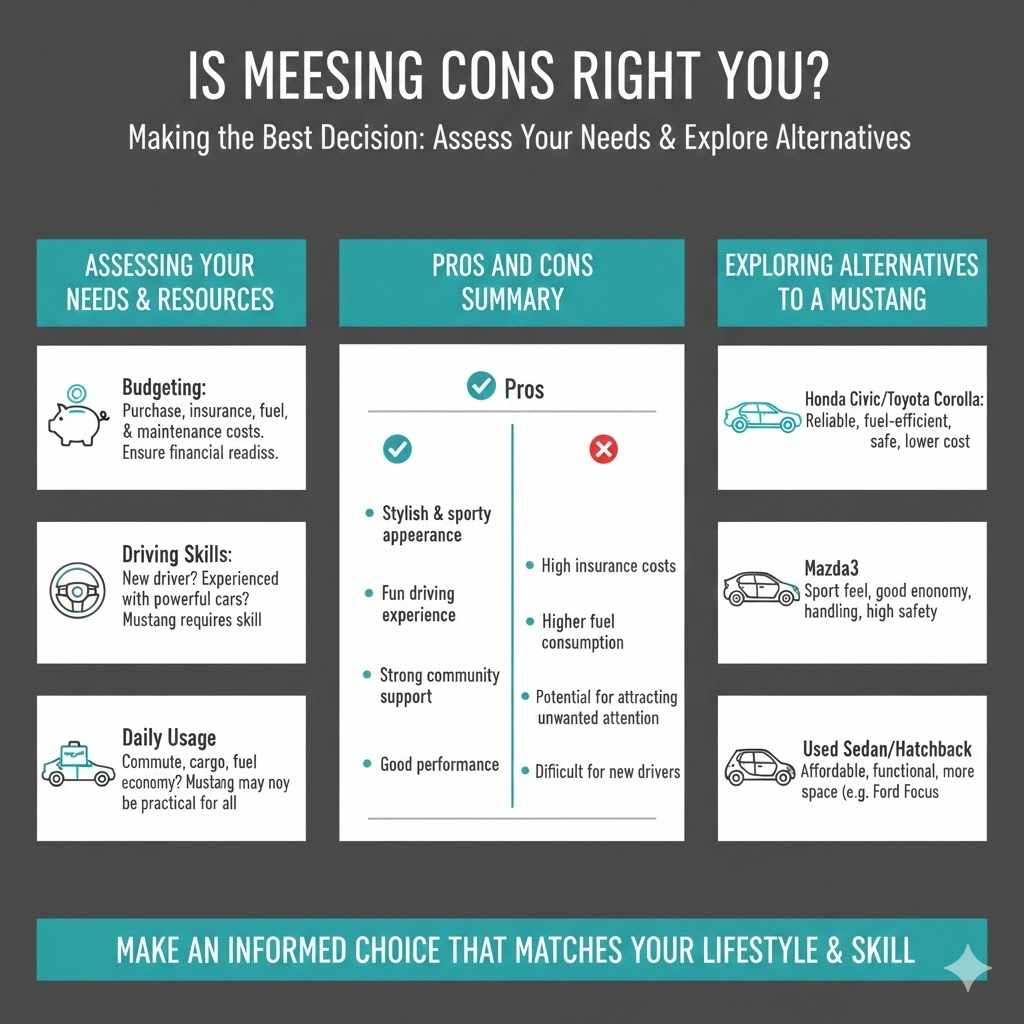
Before you commit to a Mustang, honestly evaluate your needs. Think about your financial resources, your driving experience, and how you will use the car. Make sure a Mustang matches your daily life. This can help you avoid problems later on. This self-assessment is key to choosing a car that works for you.
-
- Budgeting: Assess your budget. Can you handle the costs of a Mustang? Consider the purchase price, insurance, fuel, and maintenance. Be sure you have the funds and that you will not overspend.
List all your expenses, including fixed and variable costs. Make sure you have enough to cover it all.
-
- Driving Skills: Honestly assess your driving skills. Are you a new driver? Do you have experience with powerful cars? If you are a new driver, a Mustang might be difficult to handle.
Consider taking a driving course to improve your skills. Practice driving in different conditions.
-
- Daily Usage: How will you use the car daily? Does it need to carry cargo? Do you need good fuel economy? If you need a practical car, a Mustang may not be the best choice.
Think about your commute. Do you need to transport passengers? Make a list of your requirements.
Pros and Cons Summary
Here’s a quick overview to help you weigh the decision. Summarizing the advantages and disadvantages can help you see both sides. Take some time to compare and contrast, and make the best decision.
| Pros | Cons |
|---|---|
| Stylish and sporty appearance | High insurance costs |
| Fun driving experience | Higher fuel consumption |
| Strong community support | Potential for attracting unwanted attention |
| Good performance | Can be difficult for new drivers |
The table makes it easier to compare pros and cons side by side. Consider your personal situation. Make your decisions based on facts.
Exploring Alternatives to a Mustang
If a Mustang isn’t the right choice, several other cars will suit you better. They offer different benefits. Here are some alternatives. These cars may be safer, more cost-effective, and better suited for new drivers. Explore them to find a vehicle that fits your needs.
Honda Civic or Toyota Corolla: These are known for reliability, fuel efficiency, and safety. They are usually less expensive to insure and maintain than a Mustang. They are an excellent choice for a new driver.
These cars offer a good mix of practicality, safety, and affordability.
Mazda3: The Mazda3 provides a sporty feel with good fuel economy and handling. It often has a high safety rating. It is a good choice for someone looking for fun to drive without the power of a Mustang.
The Mazda3 has a modern design and a comfortable interior.
Used Sedan or Hatchback: A used sedan or hatchback from a reliable brand can be a good option. They are less expensive. They provide good functionality. They offer more space.
Think of cars like a Ford Focus or a Hyundai Elantra. They usually cost less than a Mustang.
Frequently Asked Questions
Question: Is a Mustang a good car for a teenager?
Answer: It depends. A Mustang can be great, but it requires careful consideration. Factor in the cost, safety, and driver’s maturity.
Question: How much does it cost to insure a Mustang?
Answer: Insurance costs vary, but Mustangs tend to be expensive to insure. The amount will depend on your age, driving record, and the specific model of Mustang.
Question: Are Mustangs safe cars?
Answer: Newer Mustangs have good safety ratings, with advanced safety features. However, handling the car’s power may be challenging for a new driver.
Question: What are the main maintenance costs of a Mustang?
Answer: Besides regular oil changes and tire rotations, Mustangs can have higher parts and repair costs. Fuel can also be expensive.
Question: What should I consider before buying a Mustang?
Answer: Consider your budget, driving experience, and daily needs. Make sure you can handle the insurance, fuel, and maintenance expenses.
Final Thoughts
So, Is a Mustang a Good First Car? Pros & Cons come into play here. The Mustang has a lot to offer. It’s a fun and exciting car, with a cool look and a great driving experience. However, it’s also more expensive to own, and the power can be a lot for a new driver. Think about the costs, and make sure you can afford them, including insurance and fuel. Consider your driving skills, and know that you need to be responsible. Also, evaluate your needs, and see if the car suits your lifestyle. Taking the time to decide carefully can mean a great start to your driving days. This means that you’ll be making a smart and safe choice. Good luck, and drive safely!