Is It OK to Charge a Car Battery While It’s In the Car?
Many car owners wonder: Is It OK to Charge a Car Battery While It’s In the Car? This question pops up when a car battery seems low, and you need a quick fix. It can feel a bit tricky to figure out if it’s safe or if you need to take the battery out. Don’t worry, it’s actually a common concern for many people who aren’t mechanics.
We’ll break down exactly how to do it safely and simply. Get ready to learn the straightforward steps to get your car battery charged up right where it sits.
Is It OK to Charge a Car Battery While It’s In the Car
The short answer is yes, it is generally okay to charge a car battery while it is still installed in the vehicle. Modern cars are designed with built-in safety features that make this a safe and common practice for most drivers. However, it’s not as simple as just plugging in a charger and walking away without any precautions.
There are specific steps and safety considerations you need to follow to ensure both your safety and the well-being of your car’s electrical system.
Before we get into the how-to, it’s important to understand why this question is so frequent. Many people have heard conflicting advice or are simply unsure about the potential risks. Car batteries store a significant amount of electrical energy, and charging them involves a flow of electricity.
This can understandably make someone cautious about doing it in proximity to the car’s sensitive electronics.
The good news is that with the right knowledge and equipment, charging a car battery in the car is a perfectly viable solution for many common battery issues, like a dead battery after leaving the lights on or during cold weather. We’ll explore the reasons why it’s safe, the types of chargers you can use, and the essential steps to follow. Understanding these details will give you the confidence to handle the situation effectively.
Why Charging In The Car Is Generally Safe
Modern vehicles are equipped with sophisticated charging systems and battery management technologies. When you connect a smart battery charger to a battery that’s still in the car, the charger communicates with the car’s computer to ensure the charging process is controlled and safe. These chargers are designed to prevent overcharging, which can damage the battery and other electrical components.
Furthermore, car batteries themselves have safety features. They are typically sealed to prevent the escape of corrosive materials. While they do produce hydrogen gas during the charging process, this is usually vented safely away from the engine compartment in most modern vehicles.
The car’s alternator, which charges the battery while the engine is running, operates in a similar manner and is safely integrated into the vehicle’s design.
The key to safety lies in using the correct type of charger and following proper connection procedures. Older, simpler chargers might not have the same level of intelligence and could potentially pose a slightly higher risk if not used with extreme care. However, for the vast majority of car owners, using a modern, intelligent battery charger is a straightforward and safe way to revive a drained battery.
Understanding Your Car Battery
Car batteries are lead-acid batteries, meaning they contain lead plates and an electrolyte solution made of sulfuric acid and water. They are rechargeable, and their primary job is to provide the high current needed to start the engine. They also power the car’s electrical accessories when the engine isn’t running.
A car battery’s health can degrade over time due to various factors. Extreme temperatures, especially cold, can reduce a battery’s cranking power. Short trips where the alternator doesn’t have enough time to fully recharge the battery can also lead to a gradual depletion.
Leaving lights or accessories on accidentally is another common culprit for a dead battery.
When a battery is drained, it doesn’t necessarily mean it’s permanently damaged. Often, a good charge can bring it back to full capacity. This is where charging it while it’s still in the car becomes a convenient solution.
You avoid the hassle of removing the battery, which can be heavy and messy.
Types Of Battery Chargers
Not all battery chargers are created equal. For charging a car battery while it’s in the vehicle, it’s highly recommended to use an intelligent or smart battery charger. These chargers have microprocessors that monitor the battery’s voltage and current and adjust the charging rate accordingly.
- Smart/Automatic Chargers: These are the best choice for charging in the car. They typically have multiple charging stages, including desulfation, bulk charging, absorption, and float charging. They will not overcharge the battery and will often switch to a maintenance mode once the battery is full. Many also feature reverse polarity protection, spark prevention, and surge protection.
- Trickle Chargers: These provide a very low, slow charge over a long period. They are good for maintaining a battery’s charge but are less effective for bringing a deeply discharged battery back to life quickly. They are generally safe for use in the car.
- Manual Chargers: These older types of chargers require you to manually adjust the charging rate and monitor the process. They do not have the safety features of smart chargers and are generally not recommended for charging a battery while it’s still installed in the vehicle, as they increase the risk of overcharging and potential damage.
When selecting a charger, look for features like automatic shut-off, battery type selection (e.g., lead-acid, AGM, gel), and a visual indicator of the charging status. A charger with a built-in desulfation mode can also be beneficial for reviving batteries that have been sitting discharged for some time.
Safety Precautions Before You Start
Even though charging in the car is generally safe, taking precautions is paramount. Safety isn’t just about the battery; it’s about protecting yourself and your car.
- Ventilation: Ensure the area is well-ventilated. Charging a lead-acid battery produces hydrogen gas, which is flammable. Avoid charging in enclosed spaces like a closed garage with the door shut, or near open flames, sparks, or smoking materials. Open the garage door or charge outdoors if possible.
- Protective Gear: Wear safety glasses to protect your eyes from any potential sparks or battery acid splashes. Consider wearing gloves to protect your hands.
- Turn Off The Vehicle: Make sure the engine is completely off. Remove the key from the ignition.
- Disconnect Electronics: Turn off all electrical accessories in the car, including headlights, radio, and interior lights. It’s also a good practice to disconnect the negative battery terminal if you’re using a charger that doesn’t have advanced surge protection, although most smart chargers handle this internally. If you do disconnect, disconnect the negative terminal first, then the positive.
- Inspect The Battery: Before charging, check the battery for any cracks, leaks, or corrosion. If the battery is damaged, do not attempt to charge it; it should be replaced. Clean any corrosion from the battery terminals.
These simple steps significantly reduce any potential risks associated with charging your car battery. They create a safe environment for the charging process.
Step-By-Step Guide to Charging Your Car Battery In The Car
Now that you’re prepared, let’s go through the process. This guide assumes you are using a smart or automatic battery charger.
Step 1: Prepare The Vehicle
Park your car in a well-ventilated area, as mentioned in the safety precautions. Ensure the engine is off and the keys are out of the ignition. Turn off all lights and accessories.
Step 2: Locate The Battery
The car battery is usually located under the hood, typically on one side of the engine compartment. In some vehicles, it might be in the trunk or under a seat, so consult your car’s owner’s manual if you’re unsure.
Step 3: Connect The Charger Clamps
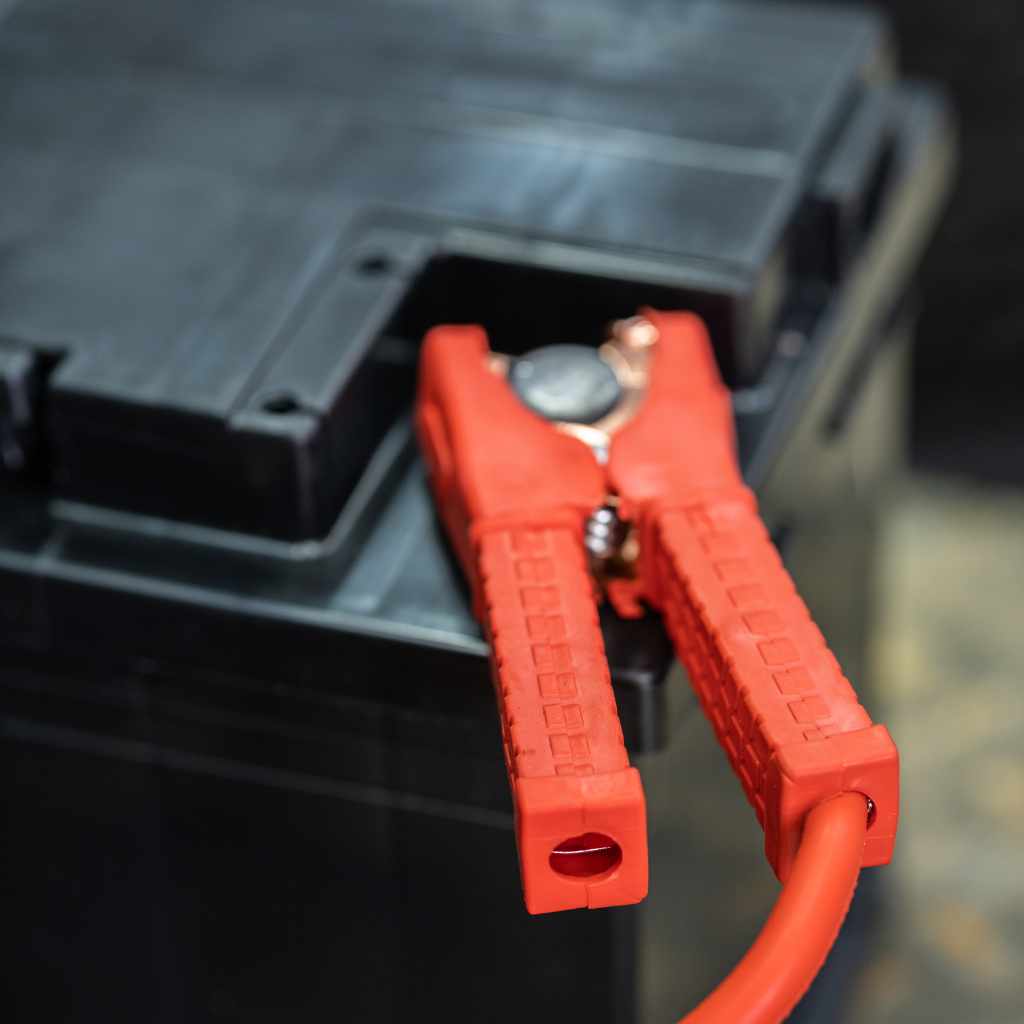
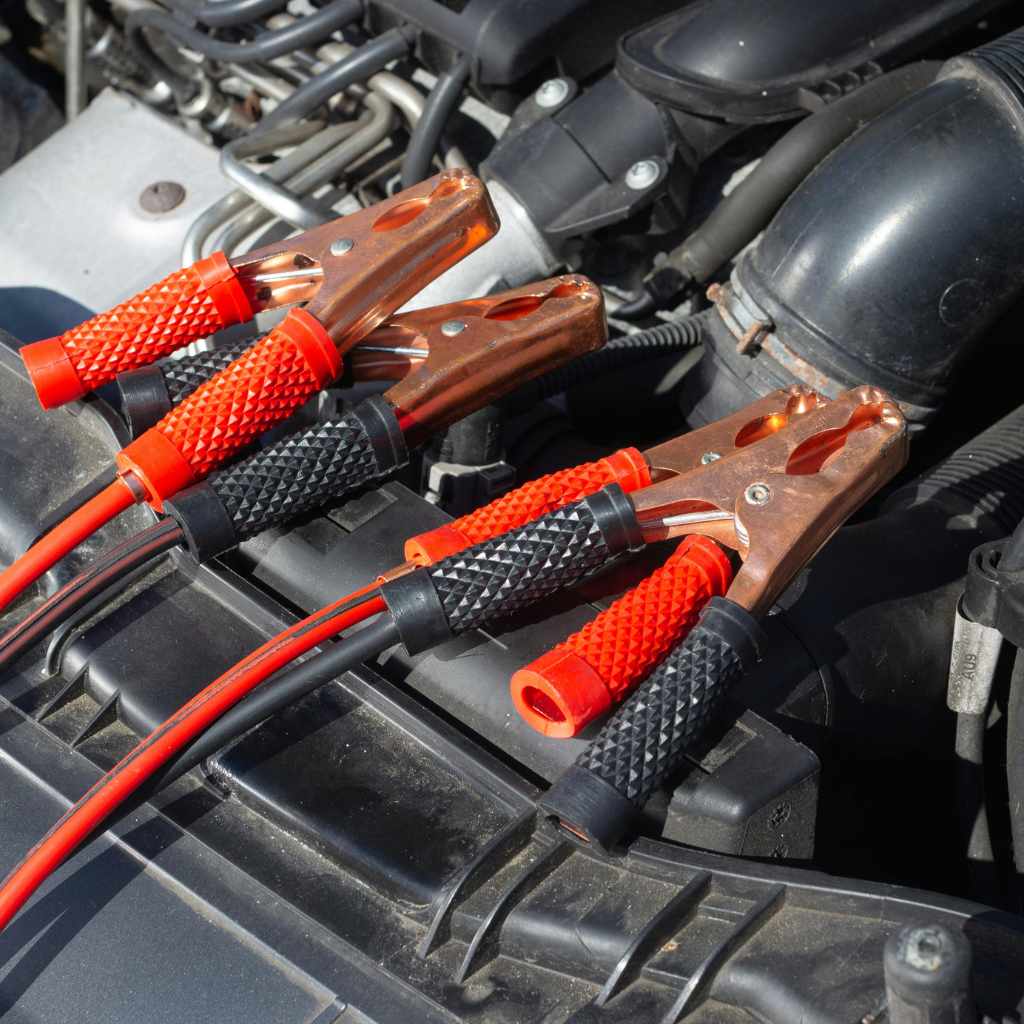
Your charger will have two clamps, usually red for positive and black for negative.
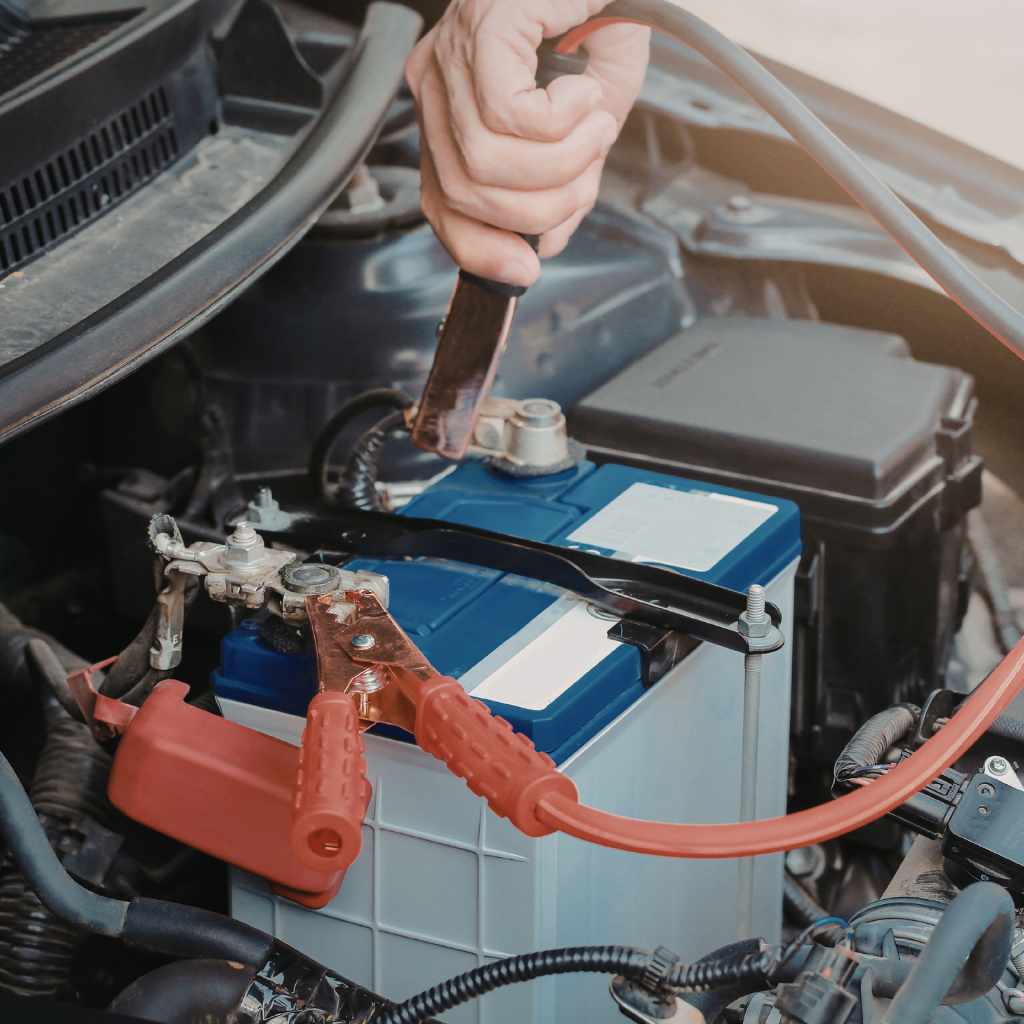
- Connect the RED (positive) clamp to the positive terminal of the car battery. The positive terminal is usually marked with a ‘+’ sign.
- Connect the BLACK (negative) clamp to the negative terminal of the car battery. The negative terminal is usually marked with a ‘-‘ sign.
Important Note: Some charging guides recommend connecting the negative clamp to an unpainted metal surface on the engine block or chassis, away from the battery. This is an extra safety measure to prevent sparks near the battery, where flammable hydrogen gas might accumulate. If your charger has a “spark-proof” feature, connecting directly to the negative terminal is usually fine, but connecting to a metal ground point is always a safe option.
Step 4: Plug In The Charger
Once the clamps are securely attached, plug the battery charger into a grounded electrical outlet. Most smart chargers will begin the charging process automatically or may require you to select a mode.
Step 5: Monitor The Charging Process
Your smart charger will have indicator lights or a digital display to show the charging status. It will typically cycle through different stages. Allow the charger to complete its full charging cycle.
This can take several hours, depending on how discharged the battery is and the charger’s capacity.
Step 6: Disconnect The Charger
Once the charger indicates that the battery is fully charged (often by a solid green light or a message), unplug the charger from the electrical outlet first. Then, carefully disconnect the clamps from the battery terminals. It’s best to disconnect the negative clamp first, followed by the positive clamp.
Step 7: Start Your Car
With the battery fully charged, you should now be able to start your car. If the car still doesn’t start, the battery might have internal damage or there could be another issue with the vehicle.
Potential Risks and How To Avoid Them
While charging in the car is safe when done correctly, there are potential risks to be aware of:
- Sparking: Connecting or disconnecting clamps can sometimes create a small spark. This is why ventilation is crucial. Modern chargers often have spark prevention technology.
- Overcharging: Using an old, manual charger without monitoring can overcharge the battery, leading to overheating, gassing, and potential damage to the battery and the car’s electronics. Always use a smart charger.
- Incorrect Connections: Connecting the positive clamp to the negative terminal and vice versa (reverse polarity) can cause damage. Most smart chargers have protection against this, but it’s vital to double-check connections.
- Damage to Vehicle Electronics: While rare with smart chargers, a surge of power could potentially affect sensitive electronics. Disconnecting the negative terminal before charging and reconnecting it last can offer an extra layer of protection.
By following the steps and safety advice provided, these risks are greatly minimized.
When To Consider Removing The Battery
In most situations, you don’t need to remove the battery to charge it. However, there are a few exceptions:
- Severe Damage: If the battery case is cracked, leaking, or shows signs of swelling, it should not be charged in the vehicle. It’s a safety hazard and needs replacement.
- Very Deep Discharge: If the battery is extremely deeply discharged, some chargers might struggle to recognize it while it’s still connected to the car’s system. Removing it and charging it on a workbench might be more effective.
- Specific Vehicle Models: In some rare, older vehicles or those with complex electrical systems, the manufacturer might recommend specific procedures or even removal. Always check your owner’s manual.
- Corrosion Issues: If terminals are excessively corroded and cannot be properly cleaned while in the car, removal might be necessary for thorough cleaning and inspection.
For the average car owner experiencing a drained battery, charging it in place with a smart charger is the most convenient and usually the safest option.
Can You Charge While The Engine Is Running?
It’s generally not advisable to connect a battery charger while the engine is running. The car’s alternator is already designed to charge the battery. Adding an external charger at the same time can confuse the vehicle’s charging system, potentially leading to voltage spikes or damage to both the alternator and the charger.
The primary reason for charging is usually when the engine isn’t running due to a low or dead battery.
If your car’s battery is low, and you need to get enough charge to start the engine, the best approach is to charge it with the engine off. Once started, the alternator will take over and continue charging the battery as you drive.
How Long Does It Take To Charge A Car Battery?
The charging time varies significantly based on several factors:
- Battery’s State of Discharge: A battery that is only slightly low will charge much faster than one that is completely dead.
- Charger’s Amperage Rating: Higher amperage chargers can deliver more power and charge the battery faster.
- Battery’s Capacity: Larger batteries have more capacity and will take longer to charge.
- Battery’s Health: An older, weaker battery may not accept a charge as efficiently as a new one.
A moderately discharged battery might take 2-6 hours to charge fully with a typical smart charger. A deeply discharged battery could take 12-24 hours or even longer. Smart chargers often have different modes, and their maintenance or float mode will keep the battery topped up without overcharging.
What If The Battery Doesn’t Hold A Charge?
If you charge your car battery, and it dies again shortly after, it indicates that the battery may no longer be able to hold a charge. This often happens when a battery reaches the end of its lifespan. Batteries typically last between 3 to 5 years, but this can vary depending on usage, climate, and maintenance.
In this case, the solution is not more charging, but rather replacing the battery.
Other issues could also prevent a battery from holding a charge, such as a faulty alternator that isn’t charging the battery properly while the engine is running, or a parasitic draw where a component in the car is draining the battery even when the car is off. If you suspect these issues, it’s best to have a mechanic inspect your vehicle.
Frequently Asked Questions
Question: Can I charge my car battery if it’s frozen
Answer: No, you should never attempt to charge a frozen car battery. A frozen battery can be dangerous as the ice can cause cracks, leading to leaks of corrosive acid. Allow the battery to thaw completely in a warm environment before attempting to charge it.
Question: Do I need to disconnect the battery from the car before charging
Answer: For most modern smart chargers, it is not necessary to disconnect the battery. These chargers are designed with safety features that allow them to be connected directly to the battery while it’s in the car. However, disconnecting the negative terminal first and reconnecting it last offers an extra layer of protection for your car’s electronics.
Question: What does it mean if a battery charger has a desulfation mode
Answer: Desulfation is a process that can help break down sulfate crystals that form on the lead plates of a battery, especially if it has been discharged for an extended period. This can help to restore some of the battery’s lost capacity and performance.
Question: Can I use a motorcycle battery charger on my car battery
Answer: Generally, no. Motorcycle batteries are much smaller and have lower amperage requirements than car batteries. Using a charger designed for a motorcycle battery on a car battery will likely take an extremely long time to charge, and it may not be able to provide enough power to charge it effectively.
Always use a charger designed for the size and type of battery you are charging.
Question: How do I know if my car battery is completely dead
Answer: A completely dead car battery will often show no signs of life when you try to start the car – no clicking sounds, no lights, nothing. You might also notice that the headlights are very dim or don’t turn on at all. A voltage meter can confirm if the battery is below about 10.5 volts, which indicates it is deeply discharged or dead.
Final Thoughts
So, Is It OK to Charge a Car Battery While It’s In the Car? Absolutely, it is, and it’s a very common and convenient way to get your car back up and running. The key is to use the right tools and follow some basic safety steps. Think of it like charging your phone; you plug it in and let it do its thing, but for your car, you just need to be a little more mindful of the environment and the connections.
Using a smart charger is your best bet. These modern chargers are designed to take the guesswork out of the process and protect your car. Remember to always ensure good ventilation, wear your safety glasses, and make sure the engine is off.
Double-checking your clamp connections is also a good habit. If your battery consistently fails to hold a charge after attempting to recharge it, it’s a strong sign that it’s time for a new battery, or perhaps it’s time to get your car’s charging system checked by a professional.