Does Cracking Car Windows Help With Heat? Stanford Study Says No
Cracking your car windows barely reduces interior heat — a 2005 Stanford study found cracked windows had an insignificant effect on temperature, since a car’s interior can climb 40 degrees F within an hour regardless of ventilation. That’s why NHTSA warns cracked windows won’t prevent a hot-car tragedy for kids or pets. This guide covers the real physics behind the greenhouse effect, what actually cools a car fast, and safer alternatives like sunshades and vent fans.
Why Does Your Car Get So Hot?
First, let’s talk about why your car turns into a furnace in the first place. When you park in the sun, your car becomes a mini greenhouse. Sunlight streams through the windows as visible light, but once it hits the dashboard and seats, it converts to infrared heat — and glass traps infrared far more effectively than it lets it back out. This is the greenhouse effect, and it’s the dominant reason cars overheat, not a lack of airflow. The dashboard, seats, and everything else absorb the sun’s energy and radiate heat, making the interior much hotter than the outside air. I’ve seen my car’s interior hit 140°F on a 90°F day, and it’s no joke. Cars parked in direct sun get more hotter in the summer than most people expect, even in mild weather.
The materials in your car, like dark upholstery or a black dashboard, soak up heat faster. Metal parts, like seatbelt buckles, can get hot enough to cause burns. Because the greenhouse effect keeps generating new heat faster than a small window gap can vent it, ventilation alone can’t fully solve the problem — but does leaving the windows slightly open help at all? Let’s look at what the research actually shows.
Does Cracking the Windows Really Work?
I’ve tried cracking my car windows on hot days, hoping it would make a difference. The idea is simple: open the windows a bit to let hot air escape and cooler air flow in. But does it work? The answer isn’t as straightforward as you might think.
When you crack the windows, you’re creating a small opening for air to move. Hot air rises, so in theory, it could escape through the gap, and cooler air might come in from outside. I parked my car in the sun one day and left the windows cracked about an inch. After a couple of hours, I checked the temperature inside. It was still brutally hot, and only slightly less unbearable than when I left the windows fully closed — which lines up with what the actual research found.
The catch is that cracking windows doesn’t create enough airflow to cool the car significantly. If the outside air is hot, you’re not getting much relief. Plus, the greenhouse effect is still at work, trapping heat inside. I noticed that cracking all four windows helped a bit more than just the front two, but it still didn’t make the car comfortable.
What a 2005 Stanford Study Found About Cracked Windows
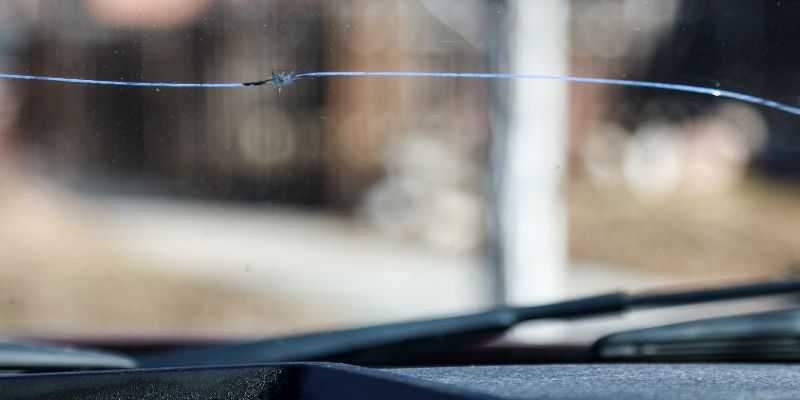
The most-cited real research on this exact question comes from Stanford University pediatricians Catherine McLaren, Jan Null, and James Quinn, published in the journal Pediatrics in July 2005. They parked test vehicles on days with highs between 72°F and 96°F and measured interior temperature over time, comparing windows fully closed against windows cracked open.
The result: a car’s interior climbed by an average of 40°F within one hour, regardless of the outside temperature — and about 80% of that entire rise happened in just the first 30 minutes. Cracking the windows had an insignificant effect on both how fast the car heated up and how hot it ultimately got after an hour. In plain terms, the researchers found cracking a window doesn’t meaningfully slow the process at all.
📊 A car parked in 72–96°F weather heats up by an average of 40°F in the first hour, with 80% of that rise happening in the first 30 minutes — and cracked windows made an insignificant difference. — Source: McLaren, Null & Quinn, Pediatrics, July 2005 (Stanford University)
The Fastest Way to Cool a Hot Car (Skip the Cracked Window)
Since a cracked window relies on passive airflow that the greenhouse effect easily overwhelms, the tools that actually help are the ones that either block the sun before it heats the cabin or actively pull hot air out. A reflective windshield sunshade stops a large share of solar energy from ever reaching the dashboard, and a solar-powered vent fan keeps air moving through the cabin even while the car is parked and locked — something a one-inch window gap can’t safely match.
Best Windshield Sunshade Pick
EcoNour Car Windshield Sunshade
A reflective, foldable sunshade that blocks solar heat before it hits the dashboard — the passive method that actually addresses the greenhouse effect described above.
- Best for: anyone parking in direct sun for more than 20–30 minutes
- Why we picked it: universal fit, folds flat for storage, no batteries or setup required
- Main drawback: only shields the windshield, not the side windows or roof
Compare more hot-car cooling options
 Option 1 EOHMAK Solar-Powered Car Exhaust Fan
|
 Option 2 EzyShade Sun Shade (Shield-X)
|
 Option 3 300T Thickened Glass Sunshade
|
As an Amazon Associate we earn from qualifying purchases.
Factors That Affect How Well Cracking Windows Works
Not every situation is the same, and I’ve learned that a few things can influence how effective cracking your windows is.
Window Opening Size
How much you crack the windows matters. A tiny half-inch gap doesn’t do much because it restricts airflow. I tried opening the windows about two inches, and it allowed more hot air to escape. But there’s a limit—too wide, and you’re risking someone reaching in or rain getting inside.
Outside Temperature and Humidity
If it’s 95°F outside with high humidity, cracking the windows won’t help much. The air coming in is already hot and sticky. I’ve noticed that on cooler days, say around 80°F, cracking the windows feels more effective because the outside air isn’t as oppressive — though the Stanford data above shows even then, the effect on the actual temperature curve is minor.
Parking Location
Where you park makes a big difference. I parked my car under a tree one day, and even with the windows cracked, the shade kept the interior cooler than when I parked in direct sunlight. Shade is a bigger factor than window ventilation.
Car Color and Materials
Darker cars, like my black sedan, absorb more heat than lighter ones. I’ve parked next to a white car and checked the difference—my car was noticeably hotter inside. Leather seats also heat up faster than cloth, so the car’s interior materials play a role in how much cracking the windows helps.
Here’s a quick table summarizing these factors:
| Factor | How It Affects Cracking Windows |
|---|---|
| Window Opening Size | Larger openings (1-2 inches) allow more airflow, but too wide increases security risks. |
| Outside Temperature | Cooler outside air helps more; hot, humid air reduces effectiveness. |
| Parking Location | Shade reduces interior heat, making cracked windows more effective. |
| Car Color and Materials | Dark colors and leather absorb more heat, making ventilation less impactful. |
Risks of Cracking Your Windows
I’ve always worried about leaving my windows cracked, and for good reason. There are some downsides to consider.
Security Concerns
Leaving windows open, even a little, can invite trouble. I’ve heard stories of thieves reaching in to unlock doors or grab items left inside. In a busy parking lot, I’m extra cautious because it only takes a moment for someone to take advantage.
Weather Risks
Cracking windows on a hot day seems fine until a sudden rainstorm hits. I learned this the hard way when a quick shower soaked my front seats. Always check the weather forecast before leaving windows cracked.
Pet and Child Safety
If you’re leaving pets or kids in the car (which I strongly advise against), cracked windows aren’t enough to keep them safe. The car can still get dangerously hot, even with ventilation. I’ve read heartbreaking stories about heatstroke, and it’s just not worth the risk.
“Cracked windows or shade will not prevent a tragedy. Even with the windows rolled down, cool temperatures outside can still heat a car to dangerous temperatures.”
📊 An average of 37 children die each year in the U.S. from vehicular heatstroke, and at least 1,178 children have died this way since 1990. — Source: Kids and Car Safety / National Safety Council
Better Ways to Keep Your Car Cool
After testing cracked windows and finding they only help a little, I started looking for better solutions. Here are some strategies that worked for me.
Use a Windshield Sunshade
A reflective sunshade is a game-changer. I got one for my car, and it blocks a lot of the sun’s rays from heating up the dashboard and steering wheel. It’s easy to pop up and fold away, and I’ve noticed a big difference in how hot the interior feels.
Park in the Shade
Whenever possible, I hunt for a shady spot. Trees, buildings, or parking garages can keep your car much cooler. One day, I parked under a tree instead of in the open, and the interior was at least 20°F cooler.
Ventilate Before Driving
When I get back to my car, I open all the doors for a minute to let the hot air out. Then, I blast the AC with the windows down for the first few minutes of driving. This flushes out the heat faster than keeping the windows up.
Tint Your Windows
Window tinting is another trick I’ve tried. It reduces the amount of sunlight entering the car, which keeps the interior cooler. Tint also blocks a large share of the UV rays that pass through untreated glass — UV rays do get through car windows more than most people assume. Just make sure to check your local laws, as some states have strict rules on tint darkness.
Use a Car Cover
If you’re parking for a long time, a reflective car cover can shield the entire vehicle. I’ve used one for long-term parking, and it kept my car much cooler, though it’s a bit of a hassle to put on and take off.
How to Use Your Car’s AC Effectively
Your air conditioning is your best friend on hot days, but I’ve learned a few tricks to make it work better. First, don’t turn it on full blast right away. When I get in a hot car, I open the windows and drive for a minute to let the hot air escape. Then, I close the windows and turn on the AC. This helps the system cool the car faster. If you’re wondering whether it’s safe to just sit and idle with the AC running instead, sitting in a car with the AC on has its own tradeoffs worth knowing.
Another tip is to use the “recirculate” setting once the car cools down. This pulls cooler air from inside the car instead of hot air from outside. I also make sure my AC is serviced regularly—clean filters and proper refrigerant levels make a big difference.

Myths About Cooling Your Car
There are some myths floating around that I’ve come across. One is that cracking the windows makes the AC work better right away. That’s not true—the AC needs time to cool the air, and open windows just let hot air in. Another myth is that leaving the car running with the AC on is a good way to keep it cool. I tried this once, but it wastes gas and can overheat the engine if you’re not careful. The biggest myth of all, per NHTSA, is that a cracked window makes it safe to leave a child or pet behind — it doesn’t.
My Personal Experience
I’ve spent a lot of time experimenting with my car in the summer heat. Cracking the windows helps a little, but it’s not a magic fix. Combining it with other strategies, like a sunshade and smart parking, makes a bigger difference. One summer, I parked my car in a sunny lot with the windows cracked and a sunshade up. When I came back, the car was still hot but not unbearable. The next day, I parked in the shade with the same setup, and it was way more comfortable. It’s all about layering your approach.
Conclusion
So, does cracking your car windows help with heat? Only a little, and the actual research says the effect is close to negligible. It allows a small amount of hot air to escape, but it’s not enough to make your car cool and comfortable on a scorching day. Combining cracked windows with other tricks—like parking in the shade, using a sunshade, or venting the car before driving—works best. Next time you’re heading out on a hot day, try a few of these strategies instead of relying on a cracked window alone.
FAQs
Does Cracking Windows Cool the Car Faster with AC?
No, it doesn’t. I used to think cracking the windows would help the AC kick in faster, but it actually lets hot air in. Drive with the windows down for a minute to flush out heat, then close them and turn on the AC.
How Much Should I Crack My Windows?
I usually go for about one to two inches. It’s enough to let some air move but not so wide that it invites theft or rain. Always check your surroundings first.
Is It Safe to Leave Windows Cracked in a Parking Lot?
It depends. I’ve done it in safe areas, but even a small gap can tempt thieves. If you’re in a busy or sketchy lot, it’s better to keep windows closed and use other cooling methods.
Can Cracked Windows Keep Pets Safe in a Hot Car?
No way. I can’t stress this enough—cracked windows don’t provide enough ventilation to keep pets safe. Cars heat up too fast, and heatstroke is a real danger. Never leave pets in a parked car, even for a few minutes.
Does Car Color Really Affect Interior Heat?
Absolutely. My black car gets way hotter than my friend’s white one. Dark colors absorb more sunlight, so if you have a choice, go for a lighter-colored car to stay cooler.
How Hot Does a Car Get With the Windows Cracked?
Even with the windows cracked, a car parked in 72–96°F weather can still climb about 40°F within an hour, according to the 2005 Stanford study, with 80% of that rise happening in the first 30 minutes. On an 85°F day, that means the interior can still reach well over 120°F even with a 2-3 inch gap.
Products related to this article
Sponsored / affiliate links. As an Amazon Associate I earn from qualifying purchases. I may earn additional commission from eligible campaigns.
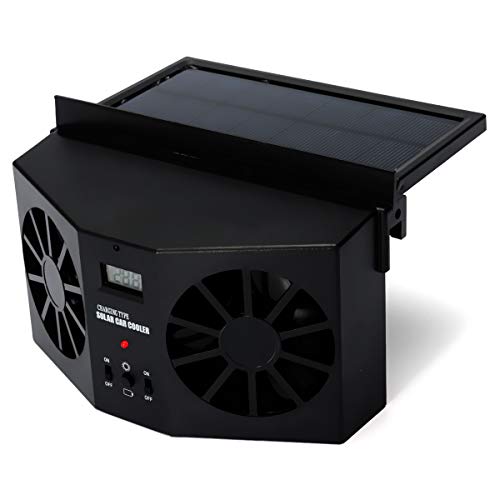 Solar Powered Car Window Fan - Universal Solar Car Front/Rear Window Exhaust Fan Car Window Cooler Fan Air Ventilator Exhaust Radiator, Eliminate Smell (Black)
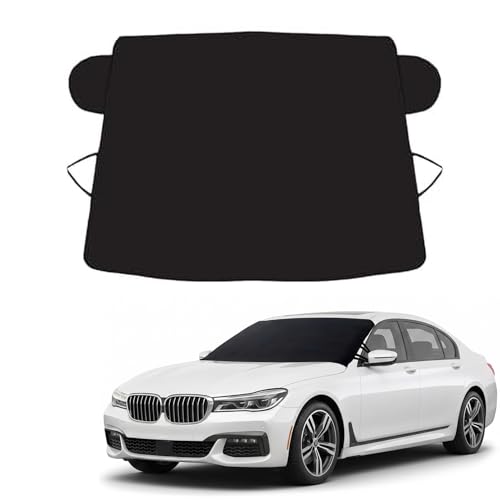 Exterior Car Windshield Cover, Oxford Fabric All Weather Windshield Snow Shield for Windshield & Mirrors, Blocks Snow Ice Frost, Anti-Theft Door Flap, Fits SUV Sedan Truck (69"x42")