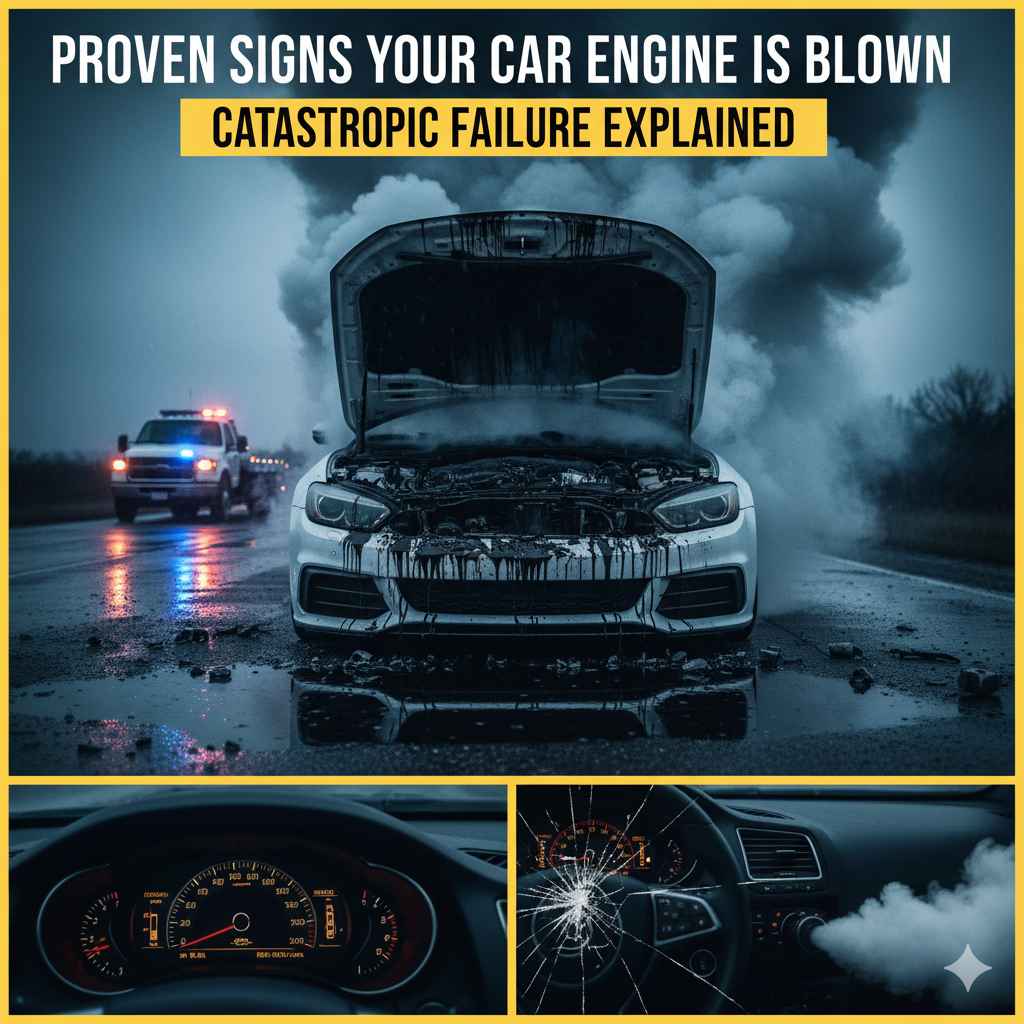
Proven Signs Your Car Engine Is Blown
Experiencing unusual car noises, smoke, or a sudden loss of power? These are classic indicators your car engine might be completely ruined. Catching these signs early can help you understand the severity of the problem and make informed decisions about repairs or replacement before further damage occurs.
Oh no, that smell! That sound! When your car starts acting really strange, it can be worrying. One of the biggest scares for any driver is the thought of a “blown” engine – meaning it’s severely damaged and likely needs a major, expensive fix. But don’t panic! Many problems feel like the end of the road for your engine, but they might be fixable, or at least, the signs of a full breakdown are usually pretty obvious. This guide will walk you through the most common, unmistakable signs that point to a seriously damaged engine, so you can know what’s happening under the hood and what to do next. We’ll break it down simply, making a scary topic much easier to handle.
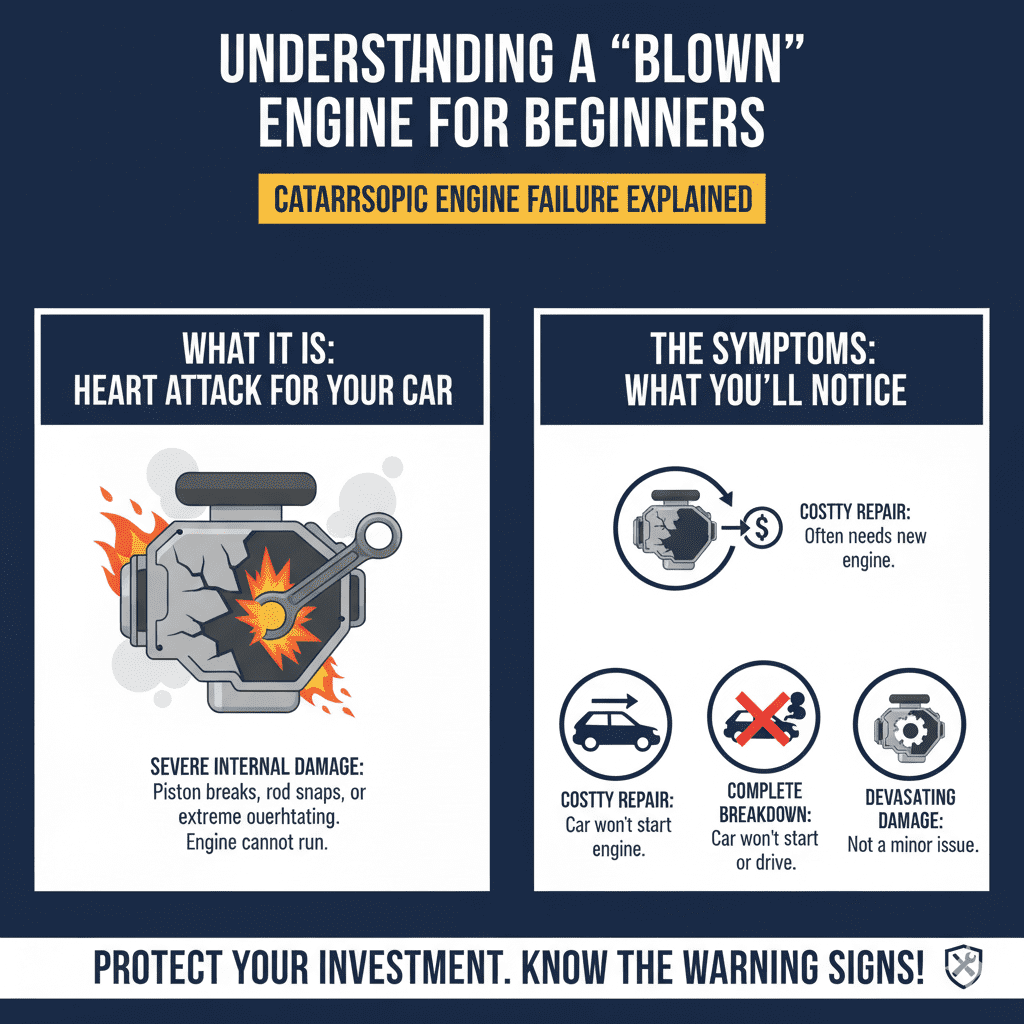
Understanding a “Blown” Engine For Beginners
When we talk about a “blown” engine, it means something has gone terribly wrong inside the heart of your car. Think of your engine as its lungs and heart, working non-stop to make your car move. A blown engine means that vital system has suffered a catastrophic failure. This isn’t just a little hiccup; it’s a significant internal problem. It could be a piston breaking, a connecting rod snapping, or severe overheating that warps critical parts. The result is that the engine can no longer run properly, or at all. Most of the time, this means a very costly repair or even needing a whole new engine. So, knowing how to spot the early warnings is super important!
The Most Obvious Signs Your Car Engine Is Blown
Your car usually gives you hints before a major disaster strikes. Paying attention to unusual sounds, smells, and how your car drives is your best defense. Here are the most common and clear signs that your engine has taken a serious hit.
1. Excessive and Unusual Smoke from the Exhaust
Smoke coming from your car’s exhaust is a big red flag. While a little bit of steam on a cold day is normal, heavy, discolored smoke usually signals serious trouble.
- Blue Smoke: This often means your engine is burning oil. Oil is leaking past seals or piston rings into the combustion chamber and getting burned along with the fuel. This is a sign of internal wear and tear.
- White Smoke: If you see thick white smoke, especially after the engine has warmed up, it’s a strong indicator that coolant is leaking into the combustion chambers. This often happens when the head gasket (a crucial seal between the engine block and cylinder head) has failed. Burning coolant can cause rapid internal damage and overheating.
- Black Smoke: While sometimes indicating a fuel system issue, persistent black smoke can also be a sign of severe internal engine problems where the engine isn’t burning fuel efficiently, leading to excess soot.
2. Knocking, Clanking, or Grinding Noises
When your engine starts making noises it never made before, especially loud, metallic sounds, it’s rarely good news. These noises are often a direct result of internal parts hitting each other when they shouldn’t be.
- Knocking/Pinging: This sounds like marbles rattling around in a can, especially when accelerating. It can mean the fuel is igniting at the wrong time, but severe knocking can indicate damaged pistons or connecting rods.
- Clanking/Banging: A loud, sudden bang or clank from the engine often means a vital component, like a connecting rod, has broken or become loose. This is one of the most serious internal engine failure sounds.
- Grinding: While grinding is more common in transmissions or brakes, a deep grinding sound from the engine itself could indicate severely worn bearings or other internal metal-on-metal contact.
3. Sudden Loss of Power or Engine Stalling
If your car suddenly feels weak, struggles to accelerate, or even dies completely while you’re driving, it’s a critical warning. A blown engine can prevent cylinders from firing correctly, leading to a drastic drop in performance.
- Stuttering or Hesitation: The engine might feel like it’s struggling to keep running, especially when you press the gas pedal.
- Complete Stalling: The engine might shut off entirely and refuse to restart. This can happen if a major internal component has failed and is physically preventing the engine from turning over.
- Inability to Start: If your engine won’t even crank (turn over) when you try to start it, or it cranks but doesn’t fire up, it could be a sign of severe internal damage that prevents the pistons from moving freely.
4. Coolant or Oil Leaks Under the Car
Finding puddles of fluid under your car is never a good sign. While minor leaks can sometimes be minor, significant amounts of oil or coolant, especially if they appear suddenly, can point to a blown engine.
- Large Oil Puddles: This could mean a crack in the oil pan, a blown oil seal, or even more severe internal issues where oil is being forced out under pressure.
- Large Coolant Puddles: Similar to oil, a large coolant leak, especially from the front or underside of the engine, can indicate a cracked engine block, hose rupture due to extreme pressure, or a failed gasket that’s allowing coolant to escape.
5. The Smell of Burning Oil or Coolant
Your nose can be a great diagnostic tool when it comes to your car. If you notice distinct burning smells, it’s time to pay attention.
- Burning Oil Smell: This is your engine oil getting too hot and burning, or leaking onto hot engine parts. As mentioned, it often means oil is getting into places it shouldn’t be, like the combustion chamber.
- Sweet, Chemical Smell (Burning Coolant): Coolant has a distinctive sweet smell. If you smell this inside or outside the car, especially when the engine is hot, it strongly suggests a coolant leak, likely due to a blown head gasket or cracked component.
6. Overheating Issues
An engine that constantly overheats, even after you’ve checked the coolant level, is a serious problem. While a faulty thermostat or radiator can cause overheating, persistent, severe overheating can lead to catastrophic engine damage.
- Temperature Gauge Skyrocketing: The needle on your temperature gauge will climb rapidly into the red zone.
- Steam from Under the Hood: This is a clear sign the engine is extremely hot, often due to a lack of coolant or a system failure.
- Blown Radiator Cap or Hoses: In extreme cases, overheating can build up so much pressure that it blows the radiator cap off or bursts hoses.
When an engine overheats severely and repeatedly, metal parts can warp, gaskets can fail, and internal components can seize up. This is a direct pathway to a blown engine.
7. Check Engine Light Comes On (and Stays On!)
The “Check Engine” light is your car’s way of telling you something is wrong. While many causes are minor, if it starts blinking or is accompanied by other symptoms, it could be signaling a major issue.
- Solid Check Engine Light: This usually indicates a moderate problem that needs attention soon.
- Flashing Check Engine Light: This is an urgent warning! A flashing light typically means there’s a severe misfire or another critical issue that can cause rapid, extensive damage to your engine and catalytic converter. If it’s flashing, pull over safely as soon as possible.
While the Check Engine light can be triggered by a loose gas cap, it can also illuminate for serious internal engine problems that are leading to a breakdown.
What to Do If You Suspect a Blown Engine
If you’re experiencing several of these symptoms, especially loud noises, excessive smoke, or a sudden loss of power, it’s highly likely your engine has suffered significant damage. Here’s a calm, step-by-step approach:
- Pull Over Safely: If the problem occurs while you’re driving, find a safe place to stop your vehicle immediately. Turn off the engine to prevent further damage.
- Do Not Attempt to Restart: If the engine made a loud bang, is blowing excessive smoke, or won’t turn over, trying to force it to start could turn a repairable issue into a complete write-off.
- Call for a Tow Truck: It’s almost certain your car will need to be towed to a trusted mechanic. Driving it further could cause irreparable damage.
- Consult a Professional Mechanic: A qualified mechanic is the only person who can accurately diagnose the extent of the engine damage. They will perform a thorough inspection.
- Get a Repair Estimate: Once diagnosed, ask for a detailed estimate for the repair. This will help you understand the cost.
- Consider Your Options: Based on the repair cost versus the car’s value, and your budget, you’ll need to decide if repairing the engine is worthwhile (engine rebuild or replacement) or if it’s time to consider a new vehicle. Factors like the age of the car, its overall condition, and your financial situation will play a role. For instance, the U.S. Department of Energy suggests considering fuel economy and overall cost of ownership when making vehicle decisions.
Common Engine Failures that Cause “Blown” Symptoms
To better understand the signs, it helps to know what kind of internal disasters can happen. Here are a few of the most common culprits behind a blown engine:
| Type of Failure | What Happens | Typical Signs |
|---|---|---|
| Head Gasket Failure | The seal between the engine block and the cylinder head breaks, allowing coolant, oil, and combustion gases to mix. | White smoke from exhaust, coolant in oil (milky oil), oil in coolant, overheating, loss of coolant. |
| Connecting Rod Failure (“Rod Knock”) | A connecting rod (which connects the piston to the crankshaft) breaks or detaches, often due to lack of lubrication or extreme stress. | Loud knocking or banging noise from the engine, especially when accelerating; sudden engine seizure. |
| Piston Damage | A piston can crack, melt, or get a hole in it due to detonation (knocking), overheating, or debris in the cylinder. | Knocking or rattling sounds, loss of compression, rough running engine, blue smoke (if oil gets past damaged rings). |
| Timing Belt/Chain Failure | If the timing belt or chain that synchronizes the crankshaft and camshaft breaks or jumps, the engine’s internal parts can collide violently. | Sudden engine stop, loud noises, inability to restart, valve damage (often requires complete engine rebuild). |
| Overheating Damage | Prolonged or extreme overheating can warp engine heads, seize pistons, or cause major component failure. | Persistent overheating, loss of power, internal noises, visible warping of parts during inspection. |
Distinguishing Minor Issues from a Blown Engine
It’s important to remember that not every strange noise or symptom means your engine is toast. Sometimes, a repair can be much simpler. Here’s how to think about it:
- Minor Issues: A loose fuel cap triggering the Check Engine light, a small coolant leak from a hose, or a temporary rough idle may be easily fixed. These don’t usually involve loud, metallic noises or catastrophic loss of power.
- Major Issues: Loud bangs, continuous knocking that gets worse, excessive smoke (especially blue or thick white), or the engine refusing to turn over are much more indicative of severe internal damage.
If you’re unsure, it’s always best to err on the side of caution and consult a mechanic. They have the tools and expertise to pinpoint the exact problem. For example, understanding engine compression ratios is key to diagnosing many internal issues, a concept explained by many automotive education resources.
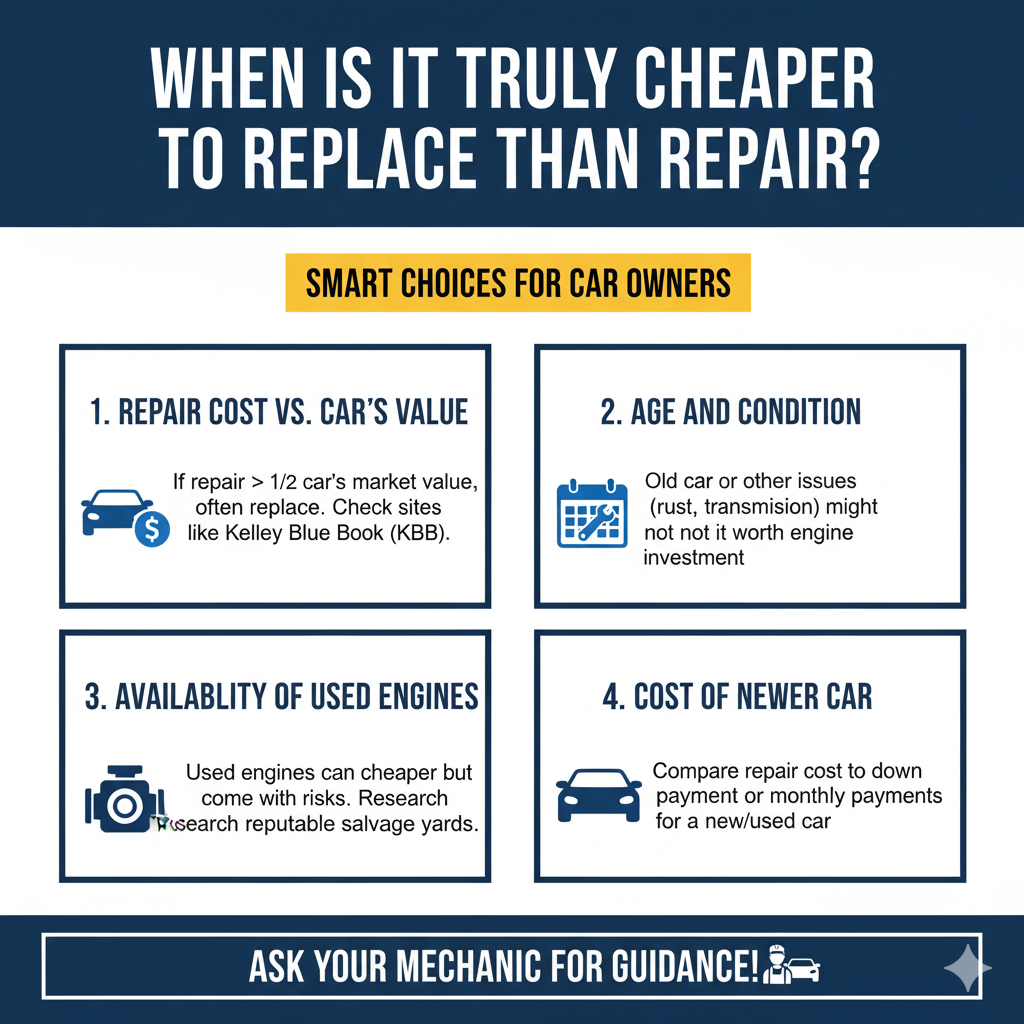
When Is It Truly Cheaper to Replace Than Repair?
This is a tough question many car owners face. If a mechanic tells you your engine is blown, repair costs can be significant – sometimes several thousand dollars. Here are some things to consider:
- Cost of Repair vs. Car’s Value: If the repair cost is more than half the market value of your car, it’s often not economically sensible to repair it. A quick search on sites like Kelley Blue Book (KBB) can give you an idea of your car’s value.
- Age and Condition of the Car: If your car is relatively old or has other significant issues (transmission problems, rust, etc.), investing in a new engine might not be worth it.
- Availability of Used Engines: Sometimes, a used engine from a reputable salvage yard can be a more affordable option than a full rebuild. However, these come with their own risks.
- Cost of a New or Newer Car: Compare the repair cost to the down payment or monthly payments on a new or newer used car.
Your mechanic can help you weigh these factors and provide guidance based on their assessment of your vehicle.
FAQ Section
Frequently Asked Questions About a Blown Engine
Q1: How much does it typically cost to fix a blown engine?
The cost can vary wildly, but expect anywhere from $3,000 to $7,000 or more for a complete engine replacement or rebuild. This includes parts and labor. A simpler repair on a specific component might be less expensive, but a “blown” engine usually implies major internal work.
Q2: Can I drive my car with a blown engine?
Absolutely not. Driving with a severely damaged engine can cause immediate, catastrophic failure, leading to more extensive and expensive damage. It’s also extremely unsafe. If you suspect a blown engine, pull over immediately and get it towed.
Q3: How can I prevent my engine from blowing?
Regular maintenance is key! This includes:
- Changing your oil and filter on schedule.
- Keeping your coolant system maintained and ensuring it’s filled correctly.
- Addressing any warning lights or unusual noises promptly.
- Ensuring your timing belt or chain is replaced as per your car manufacturer’s recommendations.
Q4: What’s the difference between a blown engine and an engine that needs minor repair?
A blown engine typically involves catastrophic internal damage, like broken metal parts, seized pistons, or major seal failures, often accompanied by loud noises, heavy smoke, or a total loss of power. Minor repairs might involve replacing a sensor, fixing a small leak, or addressing a simple electrical issue, usually without severe mechanical symptoms.
Q5: Will my car insurance cover engine replacement if the engine blows?
Generally, standard car insurance policies do NOT cover mechanical breakdowns like a blown engine. Insurance covers damage from accidents, theft, or natural disasters. You would need a specific mechanical breakdown insurance policy, which is separate from standard auto insurance, to cover such issues.
Q6: Is it possible to rebuild my engine instead of replacing it?
Yes, in many cases, an engine can be rebuilt. This involves disassembling it, cleaning and inspecting all parts, replacing worn or damaged components (like pistons, rings, bearings), and reassembling it. A rebuild can sometimes be more cost-effective than a brand-new engine, but the final cost depends on the extent of the damage.
Conclusion
Recognizing the signs of a blown engine can be a lifesaver for your car and your wallet. While the thought of such a major failure is daunting, paying close attention to unusual sounds, smells, smoke, and performance changes empowers you to act quickly. Those dramatic clangs, persistent knocking, thick exhaust smoke – especially colors like blue or white – and sudden power loss are your car’s urgent signals that something is critically wrong internally. If you notice these symptoms, don’t ignore them. Your safest bet is to pull over safely and call for a tow to a trusted mechanic. They can diagnose the exact problem, whether it’s a fixable issue or a full-blown engine disaster. Being informed allows you to make the best decisions for your vehicle, whether that means a costly but necessary repair, or deciding it’s time for a new ride.