Is It Safe to Run Your Car for Heat When Stuck in Snow?
Yes, but only if the tailpipe is fully clear of snow, ice, and slush; if exhaust can’t escape, do not run the engine. Carbon monoxide can kill quickly in a buried car, even with a window cracked. This guide covers the safest way to use the engine for heat, how often to run it, and what to do while you wait for rescue.
Is it safe to run your car for heat?



It can be safe for a stranded driver if the car shows no obvious exhaust smell, visible damage, or other signs that exhaust fumes may be getting into the cabin, the exhaust can flow out freely, and you are not showing signs of carbon monoxide exposure. The danger rises fast when the tailpipe is blocked, the body is damaged, or fumes can leak into the cabin through rust or exhaust faults.
Carbon monoxide is a colorless, odorless gas that can be deadly. That is why a car can feel warm and still be unsafe. A small leak, a buried tailpipe, or a cracked exhaust component can let fumes build up where you cannot see them.
When idling is acceptable
Run the engine only in brief heat bursts while the vehicle is stopped, the exhaust is open, and you can keep a small amount of fresh air moving through the cabin. A common stranded-driver rule is about 10 minutes each hour, but the right interval can vary with temperature, vehicle condition, fuel level, and the needs of the people inside. That gives heat without burning through fuel as fast as continuous idling.
If the car is already warm, use that heat to conserve fuel and body heat, then shut the engine off again. The heater core can only help if the engine is running, so the goal is brief, controlled heat rather than a long idle.
When you should shut the engine off
Shut the engine off immediately if you suspect carbon monoxide poisoning, if the tailpipe becomes blocked again, or if the vehicle has crash damage that may affect the exhaust path. Do not keep idling just because the cabin feels cold. Cold can be managed with layers and blankets; carbon monoxide can turn dangerous without warning.
If you smell exhaust, hear unusual engine behavior, or notice the cabin air suddenly feels wrong, treat that as a stop signal. The safest choice is to stop the engine, get out only if conditions make that safer than staying inside, and call for help.
The role of carbon monoxide risk
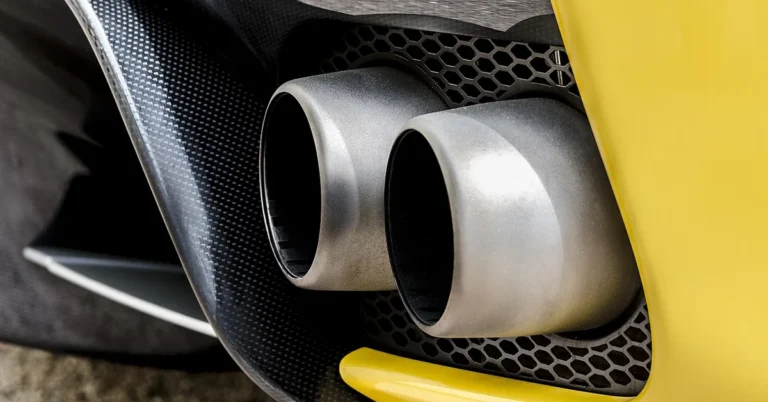
CO risk goes up when snow blocks the exhaust pipe, when exhaust leaks develop, or when rusted bodywork gives fumes a path into the cabin. That is why the exhaust pipe must be checked before every restart. A window crack helps with ventilation, but it does not guarantee protection from carbon monoxide or replace a clear tailpipe.
Think of the rule this way: heat is useful only while the cabin stays ventilated and the exhaust stays outside. If either of those breaks down, idling stops being a heat strategy and becomes a hazard.
What to do first if you’re stuck
First, stay with the vehicle unless a safer shelter is very close and walking there is clearly safer than staying put. Then check fuel, snow depth, exhaust blockage, and your surroundings before trying to move the car. If the vehicle is stuck but intact, traction aids often matter more than repeated engine revs.
Hazard lights help other drivers and rescuers see you when the car is stopped or disabled, and in some places they may also be used in certain emergency driving situations, so follow local rules. If you can safely clear snow from the windows and lights, do that next. Then decide whether you can free the car or need to wait.
Start with a quick safety scan
- Check whether the tailpipe is buried or drifted shut.
- Look for visible damage under the car, around the exhaust, and near the cabin floor.
- Estimate fuel level and whether you can afford short heating intervals.
- Turn on hazard lights if the vehicle is stopped or disabled.
- Use traction aids such as sand, kitty litter, or car mats before trying to drive out.
Suppose the car is stuck in a snowbank with the rear bumper buried and the tank near empty. That is not a good idling setup. Clear the exhaust first, conserve fuel, and focus on getting help or improving traction instead of running the motor for long periods.
Winter heat decision checklist
This checklist separates situations that can tolerate short idling from situations that need the engine shut down. Use it before every restart. The point is to decide whether heat is worth the fuel and whether the cabin can stay safe while the engine runs.
| Situation | Run the engine? | Exact action |
|---|---|---|
| Low fuel | Only if needed for a short burst | Use one brief idle, then conserve fuel; if fuel is near empty, shut down and call for help rather than idling longer. |
| Blocked tailpipe | No | Clear snow from the exhaust pipe before every restart; if it blocks again, shut the engine off immediately. |
| Suspected CO symptoms | No | Shut the car off, get out if conditions make that safer than staying inside, and call for help right away. |
| Prolonged waiting | Intermittently | Run the motor about 10 minutes each hour, crack a window for fresh air, and keep track of fuel and symptoms. |
Read the warning signs before you restart
Headache, dizziness, nausea, confusion, weakness, sleepiness, or unusual shortness of breath can be warning signs to stop and get help. Those symptoms mean the engine should be shut off and the cabin abandoned only if leaving is safer than staying in the car. Call emergency services or roadside assistance as soon as you can.
A common first-timer mistake is treating sleepiness as ordinary cold fatigue. It is not always ordinary. In a snowbound car, new drowsiness can be a carbon monoxide warning.
How to idle with less CO risk
Clear the exhaust pipe before every restart. Crack a window slightly while the engine runs to help fresh air move through the cabin, though that does not guarantee protection from carbon monoxide. Use short heat intervals instead of continuous idling. Those three steps lower risk without wasting more fuel than necessary.
The goal is not to leave the window wide open. A small opening is enough for fresh air while keeping heat from escaping too quickly. If the car has been sitting in drifting snow, check the tailpipe again after each interval because wind can rebury it.
Why short bursts are safer for fuel
Short engine runs conserve fuel compared with running the car all the time. For many stranded drivers, intermittent idling is the better tradeoff because it gives enough heat to reduce frostbite and hypothermia risk without draining the tank as fast. That matters if help is slow or weather is getting worse.
Even at –40 C, a car can sometimes be part of a longer waiting plan if you manage fuel, shelter, and heat carefully, and you can also stay warm by running your car heater for 10 minutes every hour. That does not mean you should ignore fuel. It means the car can be part of a longer waiting plan if you manage it carefully.
What changes during long waits
As the wait gets longer, fuel becomes part of the safety decision. A half tank of gas is a practical winter threshold because it extends heating time during delays and lowers the chance of running out before help arrives. If fuel drops too low, reduce idling and lean more on clothing, blankets, and body heat.
Children, older adults, and people with medical conditions may lose body heat faster. For them, the threshold for rescue should be lower. If a safer shelter is very close, leaving the vehicle may be the better call.
How long should you run the engine?
The common rule of thumb is about 10 minutes per hour, but the best interval depends on temperature, vehicle condition, fuel level, and how everyone inside is doing. That gives the cabin periodic heat without turning the car into a full-time furnace. If the weather is severe, keep reassessing the exhaust, fuel level, and whether anyone inside is getting colder or showing CO symptoms.
Do not treat 10 minutes as a magic number. It is a guide for short, controlled heat use, not a command to keep the engine running no matter what is happening outside the car.
When to stop idling and reassess
Stop idling and reassess if fuel drops faster than expected, the tailpipe gets blocked again, the cabin starts to feel stuffy, or anyone feels worse rather than warmer. Also stop if the car has been damaged in a crash and the exhaust path may no longer be reliable.
Say your sedan is half-buried after a snowplow passes, but the exhaust is still clear and everyone feels fine. A short idle may be reasonable. If the same car starts filling with exhaust smell or the driver gets a headache, shut it off and treat that as a safety problem, not a comfort problem.
How do you stay visible and warm?
Use hazard lights correctly if you’ve pulled over or your car can’t move safely. Add other visible signals if you can do so without leaving the vehicle exposed. Warmth comes from short engine runs, insulation, and keeping your body heat trapped as much as possible.
Make the car visible to rescuers
Turn on hazard lights, clear snow from the windows and lights if it is safe to do so, and use bright cloth or another visible signal on the antenna, window, or door handle. If you can safely keep a flashlight on or flash it periodically, that can help too.
Do not let visibility work put you at risk. If you have to step outside in severe wind or deep snow, do it only when that movement is clearly safer than staying in the car. A visible car is useful; a stranded person exposed to blizzard conditions is a bigger problem.
What winter emergency supplies should you keep in the car?
The most useful items are blankets or a sleeping bag, a flashlight with extra batteries, food, water, warm clothing, a shovel, a scraper, traction aids, and first aid supplies. Those items buy time when the engine is off and make it easier to wait for rescue without burning fuel too fast.
A winter emergency kit also helps if the car must stay shut down because of low fuel or suspected carbon monoxide. The kit should support shelter in place, not replace rescue.
How do you avoid carbon monoxide poisoning while heating a car?
Keep the exhaust pipe clear, crack a window slightly, and run the engine only in short intervals. The biggest mistake is assuming a warm cabin means a safe cabin. CO can enter through exhaust leaks or rusted bodywork, and a blocked tailpipe can make the risk jump fast.
What should you do if the exhaust pipe is blocked by snow?
Do not run the engine until the pipe is clear. The National Weather Service advises clearing your exhaust pipe of snow to avoid carbon monoxide poisoning. If snow keeps drifting back over it, shut the engine off and wait, or call for help rather than trying to idle through the blockage. (AAA)
Should you crack a window when running a car heater in snow?
Yes. Open the window a little for fresh air, and keep the opening small so you do not dump all your heat. That slight ventilation is part of the safety routine whenever the engine is running in a snowy shutdown.
Can you keep the engine running while waiting for roadside assistance?
Yes, if the exhaust is clear, the cabin is ventilated, and nobody has CO symptoms. Use short heating intervals instead of continuous idling, keep hazard lights on if the vehicle is stopped or disabled, and reassess fuel often. If anything changes, shut the engine off and update your plan.
How do you stay warm in a car if you’re stuck overnight?
Use layers, blankets, food, water, and short engine runs rather than trying to stay warm by idling all night. If the car has enough fuel, a brief heat cycle each hour can help. If fuel is low or symptoms appear, stop idling and rely on insulation while you wait for rescue.
What should you do first when your car is stuck in a snowstorm?
Stay with the vehicle unless a safer shelter is very close, check the exhaust, estimate fuel, and use traction aids before trying to move. Turn on hazard lights if you are stopped or disabled. The first job is to decide whether to wait, free the car, or call for help.
Products related to this article
Sponsored / affiliate links. As an Amazon Associate I earn from qualifying purchases. I may earn additional commission from eligible campaigns.