Should the Car Be Running When Adding Coolant? Find Out
Should the car be running when adding coolant is a common question among drivers who want to keep their engine healthy. This post explains the correct procedure, the risks involved, and step-by-step instructions so you can add coolant safely every time.
Simply put, you should never add coolant while the engine is running or hot. Always let the engine cool down completely — typically 30 to 60 minutes — before removing the radiator cap or opening the reservoir. Adding coolant to a hot or running engine can cause serious burns and engine damage.
Key Takeaways
- Should the car be running when adding coolant? No — always turn off the engine and let it cool first.
- Adding coolant to a hot engine risks severe burns from pressurized steam and hot fluid.
- Use a 50/50 mix of coolant and distilled water unless your coolant is pre-mixed.
- Checking coolant level regularly prevents overheating and costly repairs.
- Never open the radiator cap when the engine is hot — wait for the temperature gauge to read normal.
1. Why Coolant Level Matters for Your Engine
Coolant — also called antifreeze — regulates your engine’s temperature. It prevents freezing in winter, boiling in summer, and protects internal components from corrosion. Running low on coolant is one of the fastest ways to overheat and damage your engine.
According to the Car Care Council, 7 out of 10 vehicles on the road are in need of some type of maintenance, and coolant-related issues rank near the top. A low coolant level can cause the engine to run hotter than normal, leading to warped cylinder heads, blown head gaskets, or even a complete engine failure.
Modern vehicles use a sealed cooling system with a reservoir tank. The reservoir allows you to check and add coolant without opening the radiator. But even with this convenience, the question remains: should the car be running when adding coolant?
- Coolant absorbs heat from the engine and carries it to the radiator.
- It raises the boiling point and lowers the freezing point of the water in your system.
- It lubricates the water pump and seals within the cooling system.
- A low coolant level triggers the check engine light or a temperature warning on your dash.
- Most manufacturers recommend checking coolant level every oil change.
| Coolant Level | Risk Level | Action Needed |
|---|---|---|
| Between min and max marks | Safe | No action needed |
| Below minimum mark | Moderate | Add coolant after engine cools |
| Empty reservoir | High | Inspect for leaks, add immediately |
| Steam or overheating | Critical | Stop driving, call for help |
Checking your coolant level regularly is a simple habit that saves you from expensive repairs. The table above shows what each reading means and what to do about it.
2. Should the Car Be Running When Adding Coolant? The Short Answer
Should the car be running when adding coolant? No. You should always turn off the engine and allow it to cool down completely before adding coolant. This is the single most important rule for working with a cooling system.
When the engine is running, coolant circulates under pressure. The radiator cap is designed to hold pressure — typically between 13 and 16 psi. Opening the cap while the engine is running releases that pressure instantly, sending a burst of steam and hot coolant toward your face and hands.
Even the reservoir tank can spit hot fluid if the system is under pressure.
Warning: Never remove the radiator cap or open the reservoir when the engine is hot or running. Pressurized steam can reach temperatures above 250°F and cause third-degree burns in seconds.
The only exception is some older vehicles with a separate overflow tank that allows you to add coolant while the engine idles. But even then, modern cars are designed for engine-off, cool-engine servicing. When in doubt, read your owner’s manual.
- Park on a level surface and turn off the engine.
- Wait at least 30 minutes for the engine to cool.
- Check the temperature gauge — it should read normal or below.
- Locate the coolant reservoir — never open the radiator cap first.
- Add coolant slowly to the reservoir, not the radiator.
Important: If your vehicle has no reservoir or you need to add directly to the radiator, you must wait until the engine is completely cold. Use a thick rag to slowly turn the radiator cap one notch to release any remaining pressure before fully removing it.
3. The Risks of Adding Coolant to a Hot Engine
Adding coolant to a hot engine is dangerous for two main reasons: physical injury and mechanical damage. Understanding these risks helps you see why every mechanic says to wait.
The cooling system operates under pressure. As coolant heats up, it expands and builds pressure inside the radiator and hoses. That pressure raises the boiling point of the coolant — which is good for cooling but bad for you if you open the cap.
Releasing the cap on a hot system causes an instant drop in pressure, which flash-boils the coolant and sends scalding steam upward. The National Highway Traffic Safety Administration (NHTSA) reports hundreds of emergency room visits each year from steam burns related to car maintenance.
- Steam burns: Pressurized steam can hit 250°F and cause severe burns instantly.
- Engine cracking: Pouring cold coolant into a hot engine block can cause thermal shock and crack the metal.
- Head gasket failure: Sudden temperature changes can warp the cylinder head and blow the gasket.
- Coolant loss: Adding coolant to a hot system often results in overflow and loss of the new coolant.
- Water pump damage: Thermal shock can also damage seals inside the water pump.
| Risk | Cause | Prevention |
|---|---|---|
| Burns | Hot pressurized coolant | Wait 30+ minutes |
| Engine crack | Thermal shock from cold coolant | Engine must be cool |
| Head gasket failure | Rapid temperature change | Add slowly if any heat remains |
| Loss of coolant | Expansion overflow | Only add when cool |
Each of these risks is avoidable with one simple step: patience. Waiting 30 to 60 minutes for your engine to cool down costs you nothing. Rushing could cost you thousands.
4. How to Safely Add Coolant to Your Car (Step-by-Step)
Knowing how to add coolant correctly protects both you and your car. Follow this step-by-step process every time you need to top off your coolant level.
Step 1: Park and Turn Off the Engine
Park on a flat surface and turn off the ignition. Engage the parking brake for extra safety. The engine must be off before you proceed.
Step 2: Wait for the Engine to Cool
Allow 30 to 60 minutes for the engine to cool. Check the temperature gauge on your dashboard — it should read at or below the middle mark. Touch the hood; it should feel warm, not hot.
Tip: If you’re in a hurry, park in the shade or open the hood to help the engine cool faster. Never use cold water or a fan to speed things up — thermal shock can damage components.
Step 3: Locate the Coolant Reservoir
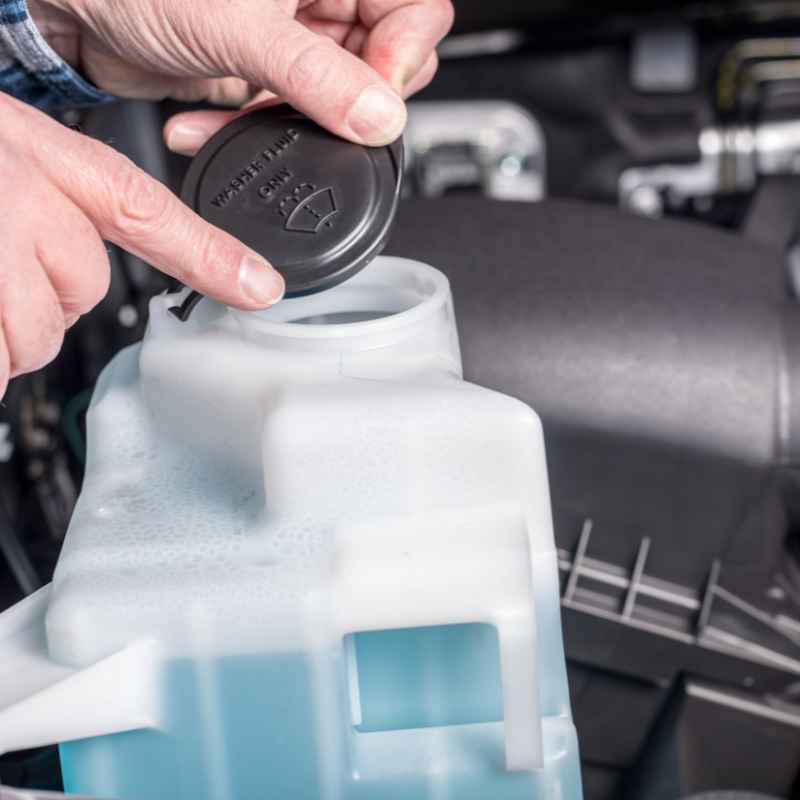
Find the translucent plastic reservoir tank near the radiator. It has min and max marks on the side. The cap usually has a coolant symbol or says “coolant” on it.
Step 4: Check the Current Level
Look at the coolant level through the side of the reservoir. If it’s at or above the minimum mark, you may not need to add any. If it’s below minimum, proceed to the next step.
Step 5: Add Coolant Slowly
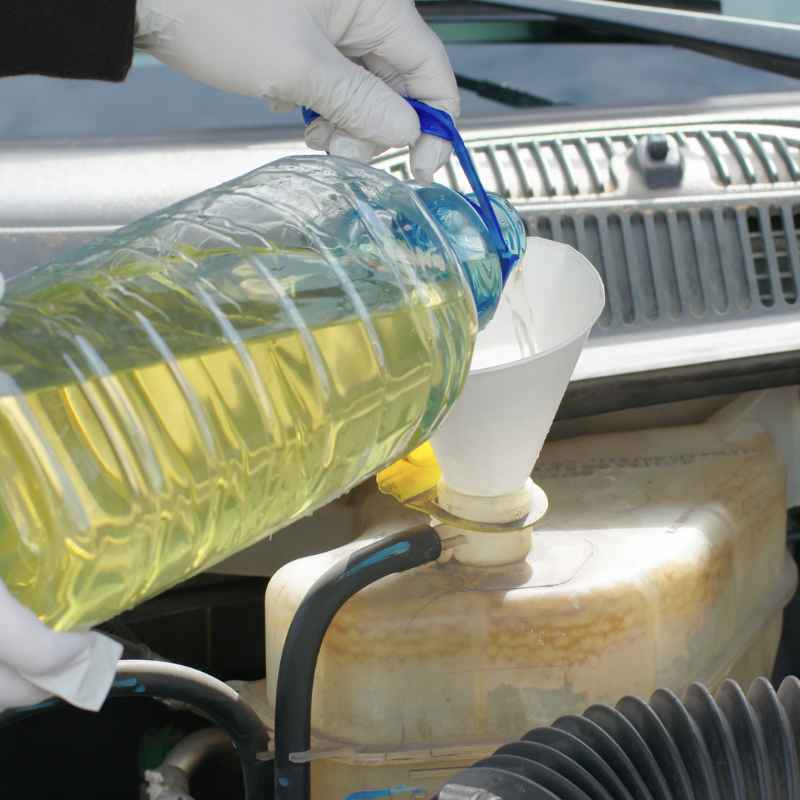
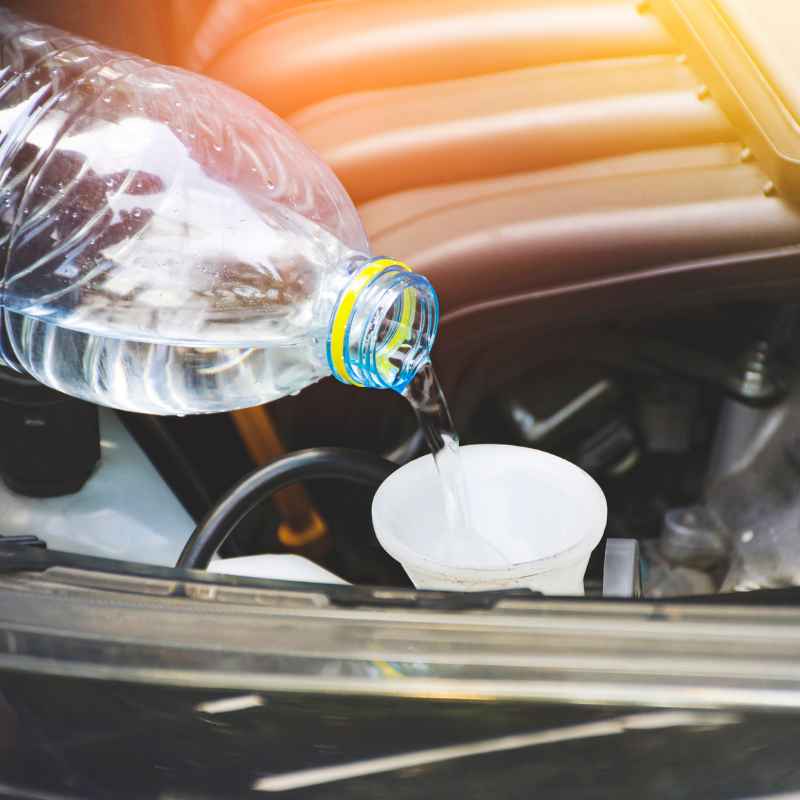
Remove the reservoir cap and add coolant slowly to avoid splashing. Fill to the maximum mark but do not overfill. Use a funnel to prevent spills.
Step 6: Replace the Cap and Check for Leaks
Secure the reservoir cap tightly. Start the engine and let it idle for a few minutes. Check the temperature gauge and look under the car for any drips or puddles.
- Always use the coolant type specified in your owner’s manual (OAT, HOAT, IAT, etc.).
- Do not mix different colors of coolant — they can react and form a gel that clogs the system.
- Use distilled water if mixing your own 50/50 solution, not tap water.
- Wear gloves and safety glasses — coolant is toxic and can irritate skin.
- Dispose of old coolant at a recycling center — it’s hazardous waste.
Following these steps ensures you add coolant safely and correctly. The process takes less than 10 minutes once the engine is cool.
5. What Happens If You Add Coolant While the Engine Is Running?
If you add coolant while the engine is running, several dangerous things happen almost instantly. The pressurized system forces hot coolant and steam out of the filler neck or reservoir opening. This can cause severe burns to your hands, arms, face, and eyes.
According to the American Burn Association, scalds from hot automotive fluids account for a significant number of burn injuries each year, many of which occur during routine maintenance like adding coolant. The pressure in a hot cooling system can exceed 15 psi, which is enough to spray coolant several feet into the air.
- Immediate steam release: The cap releases pressure, and steam erupts upward.
- Coolant geyser: In some cases, the entire contents of the radiator spray out.
- Engine temperature spike: Losing pressure causes the coolant to boil instantly, raising engine temperature.
- Air pockets: Adding coolant to a running engine can trap air in the system, leading to hot spots.
- Sensor confusion: The engine control unit may get false readings from a suddenly empty system.
Warning: Coolant contains ethylene glycol, which is highly toxic to humans and animals. Even a small spill should be cleaned up immediately. Keep pets away from puddles — its sweet taste attracts them.
The bottom line: adding coolant while the engine is running is never worth the risk. Always turn off the engine, let it cool, and add coolant safely.
6. Common Mistakes When Adding Coolant
Even experienced drivers make mistakes when adding coolant. Here are the most common errors and how to avoid them.
| Mistake | Consequence | Correct Action |
|---|---|---|
| Opening radiator cap hot | Burns, coolant loss | Use reservoir instead |
| Using wrong coolant type | Gelling, clogged system | Match owner’s manual spec |
| Mixing different colors | Chemical reaction, sludge | Flush system first |
| Using tap water | Mineral deposits, corrosion | Use distilled water only |
| Overfilling the reservoir | Coolant overflow when hot | Fill to max line only |
Each of these mistakes can lead to costly repairs or create safety hazards. The table above helps you identify and correct them before they cause damage.
Important: If you accidentally mix incompatible coolants, you may need a full system flush. Signs of a problem include thick gel-like residue in the reservoir, overheating, or a sludgy appearance under the cap.
Another common mistake is ignoring the coolant level entirely. Many drivers only check coolant when the temperature gauge climbs. By then, damage may already have started.
Make coolant checks part of your regular vehicle inspection.
7. How Often Should You Check and Add Coolant?
Your vehicle’s coolant level should be checked at least once a month and before any long road trip. The owner’s manual for most vehicles recommends inspecting the cooling system every 30,000 to 50,000 miles, but the level should be topped off as needed.
According to a survey by the Automotive Maintenance and Repair Association, only 25% of drivers check their coolant level regularly. That means 3 out of 4 drivers are at risk of overheating due to low coolant. Regular checks take less than 30 seconds and can prevent breakdowns.
- Check coolant level once a month and before long trips.
- Inspect the reservoir when the engine is cold for the most accurate reading.
- Flush and replace coolant every 2 to 5 years depending on the type used.
- If you notice the level dropping frequently, inspect for leaks in hoses, the radiator, or the water pump.
- A sudden drop in coolant level often indicates a leak or internal engine problem.
Tip: Keep a bottle of pre-mixed coolant in your trunk for emergencies. Choose the correct type for your vehicle — most modern cars use OAT (orange or pink) or HOAT (yellow or blue) coolant. Pre-mixed is safer for roadside top-offs.
Your coolant level may drop slightly over time due to evaporation or small leaks. If you need to add coolant more than once between flushes, have your cooling system inspected by a professional.
8. Signs Your Coolant Needs Attention
Your car gives you clear signs when coolant is low or the cooling system has a problem. Knowing these signs helps you act before the engine overheats.
The most obvious sign is the temperature gauge climbing above normal. If you see the needle move into the red zone, pull over safely and turn off the engine. Do not open the hood immediately — wait for the engine to cool.
- Temperature warning light: A red thermometer icon on your dashboard means the engine is overheating.
- Steam from under the hood: Steam means coolant is boiling or leaking onto hot engine parts.
- Sweet smell: A sweet maple-like odor inside or outside the car may indicate a coolant leak.
- Low coolant warning: Some modern vehicles have a dedicated low coolant light on the dash.
- Puddles under the car: Green, orange, pink, or blue fluid under the front of the car is likely coolant.
- Heater not working: If your cabin heater blows cold air, the coolant level may be too low for the heater core to function.
Any of these signs warrants a prompt check of your coolant level and the condition of the cooling system. Ignoring them can lead to an overheated engine, a blown head gasket, or a cracked engine block — repairs that can cost thousands of dollars.
The average cost of replacing a head gasket ranges from $1,200 to $2,500, according to RepairPal. A new engine can cost $4,000 or more. Regular coolant maintenance is one of the least expensive ways to avoid these expenses.
Frequently Asked Questions
Can I add coolant while the engine is idling?
No, you should not add coolant while the engine is idling. The system is still under pressure, and you risk burns from hot steam or coolant. Always turn off the engine and let it cool before adding coolant.
How long should I wait before adding coolant?
Wait at least 30 to 60 minutes after turning off the engine. The engine should be cool to the touch, and the temperature gauge should read normal. In cold weather, 20 minutes may be enough.
In hot weather, you may need over an hour.
Should I add coolant to the radiator or the reservoir?
Add coolant to the reservoir tank whenever possible. The reservoir is designed for easy topping off and is not under direct pressure. Only open the radiator cap when the engine is completely cold and you are doing a full system refill.
What type of coolant should I use?
Check your owner’s manual for the recommended coolant type. Common types include IAT (green), OAT (orange, pink, red), and HOAT (yellow, blue, purple). Using the wrong type can cause chemical reactions that damage your cooling system.
Can I use water instead of coolant in an emergency?
In an emergency, you can use distilled water to get to a repair shop. But never use tap water — it contains minerals that cause corrosion and deposits. Replace the water with proper coolant as soon as possible to prevent damage.
Final Thoughts
Knowing whether the car should be running when adding coolant is a simple but critical piece of car care. Always turn off the engine, let it cool completely, and add coolant to the reservoir. This safe habit protects you from burns and your engine from thermal damage.
Make coolant checks a regular part of your maintenance routine, and you will extend the life of your vehicle’s cooling system.