What Are Freeze Plugs In A Car? Explained Simply
Freeze plugs, also called core plugs or expansion plugs, are metal discs in your car’s engine block. They help prevent engine damage from freezing water. They also let casting materials escape when the engine is made. They are a simple but vital part of engine cooling.
What Are Freeze Plugs?
Freeze plugs are metal discs. They fit into holes on the outside of your engine block. These holes are there for a reason.
They let sand and other materials out when the engine block is cast. After the engine is made, these holes need to be sealed. Freeze plugs do that job.
Think of them as small, round caps. They are usually made of steel or brass. The engine block has several of these holes.
You can usually find them on the sides and rear of the engine block. Some might also be on the cylinder head.
Their name, “freeze plug,” comes from their most famous role. In very cold weather, coolant can freeze. When coolant freezes, it expands.
If the coolant expands too much, it can crack the engine block. Freeze plugs are designed to pop out. This lets the expanding ice and water escape.
It saves the much more expensive engine block from damage.
So, they have two main jobs. First, they seal holes left from the engine casting process. Second, they act as a safety release for freezing coolant.
They are a cheap part to replace. Replacing a cracked engine block is very expensive.
Why Are Freeze Plugs So Important?
The main reason freeze plugs are important is engine protection. They guard against two main threats: freezing temperatures and internal engine leaks.
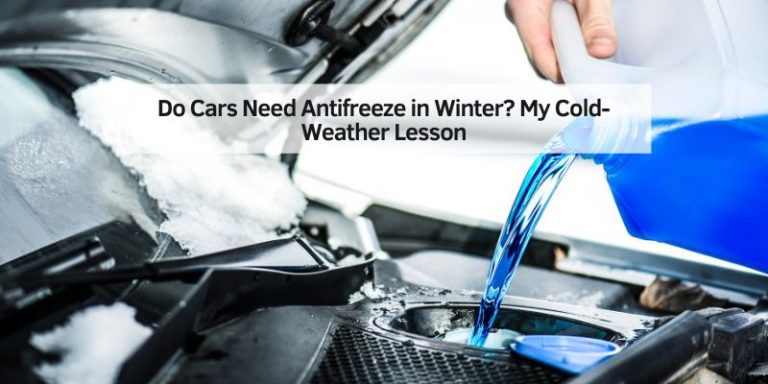
In cold climates, engines are at risk. Coolant, or antifreeze, is mixed with water. This mixture has a lower freezing point than plain water.
But if the temperature drops very, very low, or if the coolant is too diluted, it can still freeze. When water freezes, it expands by about 9%. This expansion creates immense pressure inside the engine block.
Without freeze plugs, this pressure could crack the cast iron or aluminum of the engine block.
The freeze plugs are designed to be the weakest point. They are made to pop out or be pushed out by the pressure. This releases the pressure.
It might cause a small coolant leak, but it saves the engine block. A new freeze plug is much cheaper than repairing or replacing an engine block.
Besides freezing, freeze plugs also prevent leaks. They are sealed tightly into the engine block. They keep coolant from leaking out of the engine.
Coolant is vital for keeping the engine at the right temperature. Any leak means the engine can overheat. Overheating can cause severe damage.
The sealing process is important. When the plugs are installed, they are often hammered into place. A sealant is usually used.
This makes a watertight seal. This seal needs to hold under normal engine operating conditions.
So, their importance is two-fold: preventing catastrophic damage from freezing and maintaining the integrity of the cooling system.
How Freeze Plugs Work: The Mechanics
Let’s look at how these simple parts do their jobs. It involves a bit of engineering and physics.
1. Sealing the Engine Block:
During the casting of an engine block, especially older iron blocks, a lot of sand is used. This sand forms the mold. After the molten metal cools, the sand must be removed.
This leaves holes, called core holes. Freeze plugs are pressed into these holes. They are usually a bit larger than the hole.
This interference fit helps create a tight seal. Sometimes, a special sealant is applied to the edge of the plug or the hole. Then, the plug is hammered in.
This deforms it slightly, wedging it into place and creating a secure seal. This prevents coolant from escaping the engine’s water jackets.
2. Releasing Pressure from Freezing:
This is where the “freeze” part of the name comes in. When the coolant inside the engine block freezes, it expands. This expansion exerts outward pressure on the engine block walls.
The freeze plugs are designed to yield before the engine block does. They are typically made of a softer metal or are installed in a way that allows them to be pushed out. When the internal pressure reaches a certain point, the freeze plug will be forced out of its hole.
This creates an opening. The expanding ice and water can then escape through this opening. This relieves the pressure on the engine block itself.
It prevents cracks from forming in the metal. Once the ice melts, the hole is left open. This will cause a coolant leak until the freeze plug is replaced.
3. Expanding Due to Heat:
Engine blocks also expand slightly when they get hot. The freeze plugs are designed to handle this. They are usually made of metal that expands and contracts similarly to the engine block.
This helps maintain the seal over a range of temperatures. However, extreme heat cycles or old, corroded plugs can sometimes lead to leaks.
The design is clever in its simplicity. It uses a sacrificial part to protect a much more valuable one. The metal plugs are robust enough for normal operation but weak enough to fail safely under extreme pressure.
Freeze Plug Basics: Quick Scan
What it is: Metal disc sealing engine block holes.
Main Jobs: Block coolant leaks, prevent engine cracking from freezing.
Material: Usually steel or brass.
Location: Sides and rear of engine block, sometimes cylinder head.
Failure sign: Coolant leak from engine block area.
My Own Close Call with a Freeze Plug
I remember one winter, years ago, I lived in a town where the temperatures dropped like a stone. It was well below zero for days. My old pickup truck was parked outside.
I hadn’t been great about checking my coolant mix that fall. I thought, “It’s just a little bit below zero, it’ll be fine.” Famous last words, right?
The next morning, I went to start the truck. It made a horrible groaning sound. I immediately turned the key off.
My heart sank. I looked under the hood. I didn’t see anything obvious at first.
Then, I noticed a small puddle forming. It was right near the engine block, on the passenger side. It was coolant.
My stomach did a flip.
I cautiously got down and looked closer. There, nestled near the bottom of the engine block, was a freeze plug. Or rather, where a freeze plug should have been.
It was gone. Just a clean, round hole. The frost and ice were pushed out around where it used to be.
The pressure from the freezing coolant had done its job. It had ejected the plug. It saved the engine block from what would have been a far worse fate.
I was annoyed about the leak and the hassle. But I was also incredibly relieved. If that plug hadn’t popped out, the engine block might have cracked.
The repair bill would have been thousands. This little metal disc, costing maybe a few dollars, had saved me a fortune. It was a stark reminder of how even the simplest parts can be crucial.
And how important it is to maintain your vehicle properly, especially the coolant.
Signs of a Failing Freeze Plug
Freeze plugs don’t usually just fail for no reason. They tend to fail due to corrosion or age. They are exposed to coolant and the elements.
Over time, this can take its toll.
1. Coolant Leaks:
This is the most common and obvious sign. You might see puddles of coolant under your car. These puddles will likely be greenish, pinkish, or orange, depending on the type of coolant you use.
The leak will often come from the side of the engine block. It might be hard to pinpoint at first because coolant can run down the block. If you look closely at the engine block’s exterior, you might see signs of rust or erosion around a freeze plug.
Sometimes, the plug itself might be pushed out slightly.
2. Engine Overheating:
If a freeze plug is leaking, your cooling system won’t hold the correct amount of coolant. This can lead to your engine overheating. You might notice the temperature gauge climbing higher than normal.
You could also see steam coming from under the hood. If you see the temperature gauge rising rapidly, pull over safely and turn off the engine. Check for obvious leaks.
3. Rust or Corrosion on the Engine Block:
Even before a leak starts, you might see rust or corrosion building up around the freeze plugs on the outside of the engine block. This is a sign that the protective coating on the plug is wearing away. It means the plug is weakening.
It’s a good idea to have this checked out by a mechanic. They can assess if the plugs need replacing before they fail completely.
4. Pitting on the Freeze Plug Surface:
If you can safely see the freeze plugs themselves, look for small holes or pitting on their surface. This is a sign of corrosion. It means the metal is degrading.
This can weaken the plug and make it more likely to leak or pop out.
5. Strange Noises (Less Common):
In some cases, a severely corroded freeze plug might start to make noise. This is less common and might sound like a slight rattling or grinding. However, leaks and overheating are far more typical indicators.
It’s important to note that if you see any of these signs, you should get your car checked. Ignoring a small coolant leak can lead to major engine problems.
Identifying a Problem
Symptoms:
- Puddles of colored liquid (coolant) under the car.
- Engine temperature gauge reading higher than normal.
- Visible rust or corrosion on the engine block near the bottom.
- Steam from under the hood.
Action:
- If you see these, check coolant level carefully.
- Look for leaks on the engine block’s sides.
- Consult a mechanic for diagnosis.
Common Causes of Freeze Plug Failure
Why do these plugs fail? It’s usually a slow process, not a sudden event.
1. Corrosion:
This is the biggest culprit. The inside of the engine block is a harsh environment. Coolant circulates through it.
Over time, especially if the coolant is old or not properly mixed, it can become corrosive. This corrosion attacks the metal of the freeze plug. It eats away at it, creating pits and weakening the plug.
Rust is a common form of corrosion, especially on steel plugs.
2. Age and Wear:
Like any part in a car, freeze plugs have a lifespan. They are exposed to constant temperature changes. They are also under pressure from the coolant.
Over many years and thousands of miles, the metal can become fatigued. Seals can weaken. The plug might start to lose its ability to hold a tight seal.
3. Improper Coolant Mixture:
Using the wrong type of coolant or an incorrect water-to-antifreeze ratio is a major cause of accelerated corrosion. Plain water freezes easily and causes rust. Too much antifreeze can also cause issues.
Modern coolants contain additives that help prevent corrosion and scale buildup. If these additives are depleted, corrosion starts faster.
4. Installation Issues:
Sometimes, freeze plugs fail because they weren’t installed correctly in the first place. If they weren’t hammered in firmly, or if the sealing surface wasn’t clean, they might leak early on. Or, if the wrong size plug was used, it might not create a proper seal.
5. Physical Damage:
While less common, a freeze plug could be damaged by road debris. Or, during other engine repairs, a mechanic might accidentally hit or damage a freeze plug. This can create a weak spot or cause an immediate leak.
It’s often a combination of these factors. An old plug in a corroding system is much more likely to fail than a new plug in a well-maintained system.
Why They Go Bad
Main Reasons:
- Corrosion: Old coolant attacks the metal.
- Age: Metal wears out over many years.
- Bad Coolant: Wrong mix or old coolant causes damage.
- Poor Installation: Not fitted or sealed right from the start.
Freeze Plugs vs. Other Engine Components
It’s helpful to understand how freeze plugs fit into the bigger picture of your engine.
Freeze Plugs vs. Radiator Plugs:
These are different. Radiator plugs (or petcocks) are at the bottom of your radiator. They are used to drain the cooling system for maintenance.
Freeze plugs are inside the engine block itself.
Freeze Plugs vs. Head Gaskets:
Head gaskets seal the cylinder head to the engine block. They are critical for preventing oil, coolant, and combustion gases from mixing. A blown head gasket is a major engine failure.
Freeze plugs are external seals. While a leaking freeze plug can cause overheating, it’s not the same as a head gasket failure.
Freeze Plugs vs. Water Pump Seals:
The water pump circulates coolant. It has seals to prevent leaks. A failing water pump seal will typically leak coolant from the front of the engine, near the belts.
Freeze plug leaks come from the sides or rear of the engine block.
Freeze Plugs vs. Hoses:
Radiator hoses carry coolant between the engine and the radiator. They can crack or burst. Leaking hoses cause coolant loss and overheating.
Freeze plug leaks are from the engine block itself.
The key difference is location and primary function. Freeze plugs are part of the engine block’s structure. They are designed to fail safely under specific extreme conditions (freezing) and to seal the block’s casting remnants.
Other components are part of the circulation system (hoses, water pump, radiator) or critical seals between major engine parts (head gasket).
Freeze Plug vs. Other Parts
Freeze Plug: Engine block seal, protection against freezing.
Radiator Plug: Drains radiator for maintenance.
Head Gasket: Seals cylinder head to block, prevents internal mixing.
Water Pump Seal: Prevents coolant from leaking from the pump.
Hoses: Carry coolant to/from engine and radiator.
Replacing Freeze Plugs: When and How
Replacing freeze plugs is a repair that most car owners can’t do themselves. It usually requires special tools and some mechanical knowledge. It’s often best left to a professional mechanic.
When to Replace:
You should consider replacing freeze plugs if:
- You notice coolant leaks coming from the engine block.
- You see significant rust or pitting on existing freeze plugs.
- Your mechanic recommends it as part of preventative maintenance, especially on older vehicles.
- A freeze plug has already popped out.
The Process (Simplified):
1. Drain Coolant: The cooling system must be drained first. This prevents a mess and ensures you don’t lose coolant unnecessarily.
2. Remove Old Plug: This can be tricky. Sometimes, a punch is used to knock the old plug inward.
Other times, a special tool is used to grip and pull it out. If it’s badly corroded, it might crumble.
3. Clean the Hole: The opening in the engine block must be cleaned thoroughly. Any rust, debris, or old sealant needs to be removed.
A wire brush or specialized tool is often used.
4. Install New Plug: New freeze plugs are usually slightly larger than the hole. They are carefully hammered into place.
A sealant is often applied to the edge of the hole or the plug itself to ensure a watertight seal. Specialized sockets or dollies can help ensure the plug is seated evenly.
5. Refill and Bleed System: Once the new plugs are in, the cooling system is refilled with the correct coolant mixture. The system needs to be bled to remove any air pockets.
DIY vs. Mechanic:
While it’s possible to DIY, it’s often challenging. Access can be difficult, especially on V6 or V8 engines. You need to be sure the new plug is seated correctly and sealed properly.
A poor installation can lead to leaks, which means repeating the job. For most people, calling a mechanic is the safest bet.
Cost:
The cost of replacing freeze plugs can vary. It depends on how many need to be replaced and the labor rates in your area. A single plug might cost around $100-$200 for parts and labor.
If multiple plugs need replacing or if access is difficult, it could be more.
Freeze Plug Replacement Guide
When: Leaks, visible corrosion, or old age.
Who: Usually best done by a mechanic.
Process: Drain coolant, remove old plug, clean hole, install new plug, refill coolant.
Cost: Varies, but often $100-$200 per plug.
Preventative Maintenance for Freeze Plugs
The best way to deal with freeze plugs is to prevent them from failing in the first place. This comes down to good general car maintenance.
1. Maintain Your Coolant:
This is the MOST important thing. Always use the correct type of coolant recommended for your car. Follow the manufacturer’s schedule for flushing and replacing the coolant.
Typically, this is every 30,000 to 60,000 miles, or every 2-5 years. A coolant flush removes old, depleted coolant and any contaminants. New coolant has fresh corrosion inhibitors.
2. Check Coolant Level Regularly:
Make sure your coolant level is always between the ‘min’ and ‘max’ marks on the reservoir. Low coolant means the system is not working efficiently. It could also be an early sign of a leak somewhere, including a freeze plug.
3. Inspect for Leaks:
Periodically look under your car for any puddles. If you see any colored liquid, try to identify its source. Even a small drip could be an early warning.
4. Visual Inspection:
When you’re under the hood for other checks, take a moment to look at the engine block. If you can see the freeze plugs, check for any obvious signs of rust, corrosion, or damage. This is easier on some vehicles than others.
5. Address Overheating Promptly:
If your car starts to overheat, don’t ignore it. Pull over safely and let the engine cool down. Have it checked by a mechanic.
Overheating can put extra stress on all cooling system components, including freeze plugs.
By taking these simple steps, you can significantly extend the life of your freeze plugs and protect your engine from costly damage. It’s about staying ahead of potential problems.
What If a Freeze Plug Fails in Extreme Cold?
As we’ve discussed, the primary design function of a freeze plug is to fail safely when coolant freezes. So, what happens in that scenario?
The Good News: Engine Saved!
If the coolant freezes solid and the pressure builds, the freeze plug should pop out or be pushed out. This releases the pressure. The engine block itself remains intact.
This is the ideal outcome. You’ll have a coolant leak, but you’ll avoid a cracked engine block, which is far more serious and expensive to repair.
The Immediate Aftermath:
Once the plug is out, coolant will start to leak as soon as the ice melts. You will likely notice a significant coolant leak. The engine will not be able to maintain its operating temperature.
It will likely start to overheat if you try to drive it. The vehicle will need to be towed.
The Repair Needed:
The freeze plug will need to be replaced. As mentioned before, this is a repair best left to a mechanic. It involves cleaning the area and installing a new plug correctly.
The Important Note: Coolant Ratio!
This scenario should ideally never happen. It means the coolant was either too diluted with water or the antifreeze had lost its protective properties. It highlights the critical importance of having the correct antifreeze-to-water ratio.
This ratio is usually a 50/50 mix for most climates. Check your owner’s manual or consult a mechanic about the right mix for your region’s typical winter temperatures. Using a hydrometer or refractometer can test the freezing point of your coolant.
So, if a freeze plug fails in the cold, it’s doing exactly what it was designed to do. It’s a sign that maintenance was perhaps neglected, but it’s a sign of a problem averted, not a catastrophic failure.
Freeze Out Scenario
What Happens: Coolant freezes, expands, pushes plug out.
Result: Engine block is saved from cracking.
Problem: Significant coolant leak, vehicle likely undrivable.
Cause: Improper coolant mix (too much water, old antifreeze).
Fix: Replace freeze plug, correct coolant mixture.
Can You Drive With a Leaking Freeze Plug?
This is a question many people ask when they discover a coolant leak. The short answer is: NO, you should not drive with a leaking freeze plug for any significant distance.
Here’s why:
- Coolant Loss: The primary job of the cooling system is to keep the engine at a stable temperature. A leaking freeze plug means coolant is escaping. As the coolant level drops, the engine’s ability to cool itself diminishes rapidly.
- Overheating Risk: Even a small leak can quickly lead to overheating. An overheating engine can suffer severe damage. This includes warped cylinder heads, blown head gaskets, or a seized engine. These repairs are extremely expensive, often costing more than the car is worth.
- Loss of Lubrication/Cooling: Coolant also plays a role in lubricating moving parts and carrying away heat from various engine components. A significant loss of coolant compromises these functions.
What to do if you suspect a leaking freeze plug:
- Stop driving immediately. If you notice a coolant leak or your temperature gauge climbing, find a safe place to pull over.
- Turn off the engine. This stops it from getting hotter.
- Do NOT open the radiator cap when the engine is hot. The system is pressurized, and hot coolant can spray out, causing severe burns.
- Let the engine cool completely.
- Check the coolant level. If it’s low, you can add water or coolant, but this is only a temporary measure to get to a repair shop.
- Arrange for a tow. It is much safer and cheaper in the long run to have the car towed to a mechanic than to risk driving it and causing more damage.
Think of a leaking freeze plug like a leaky faucet in your house. You can’t ignore it. It might seem small at first, but it will get worse and can cause significant damage if left unchecked.
For freeze plugs, that damage is often to the engine itself.
Frequently Asked Questions About Freeze Plugs
What is the primary purpose of a freeze plug?
The primary purpose of a freeze plug is to act as a sacrificial safety device. It’s designed to pop out if the coolant in the engine freezes and expands, preventing the engine block from cracking. It also seals holes left from the casting process when the engine was made.
Why are they called “freeze plugs”?
They are called freeze plugs because their most critical function is to release pressure when engine coolant freezes. This prevents the expanding ice from damaging the engine block.
How do I know if my freeze plugs are failing?
Signs of failing freeze plugs include coolant leaks from the side or bottom of the engine block, visible rust or corrosion around the plugs, and potentially engine overheating due to coolant loss.
Can I replace a freeze plug myself?
Replacing freeze plugs can be difficult and often requires special tools. While some experienced DIYers might attempt it, it’s generally recommended to have a professional mechanic perform this repair to ensure it’s done correctly and the seal is secure.
What happens if a freeze plug completely fails and falls out?
If a freeze plug falls out, you will experience a significant coolant leak from the engine block. The vehicle should not be driven, as it will likely overheat quickly, causing severe engine damage. It needs to be towed to a mechanic for replacement.
Are all cars equipped with freeze plugs?
Most cars with liquid-cooled engines have freeze plugs. The number and location can vary depending on the engine design. However, newer engine designs might have different methods for dealing with casting holes or freezing scenarios, though freeze plugs remain common.
Can a bad freeze plug cause my car to overheat?
Yes, a leaking or failed freeze plug will cause a loss of coolant. If the coolant level drops too low, the engine cannot be cooled effectively, leading to overheating.
Final Thoughts on Freeze Plugs
Freeze plugs are small, often overlooked parts. Yet, they play a vital role in protecting your engine. They are a testament to clever engineering, offering a cheap solution to prevent extremely expensive damage.
Keeping your coolant fresh and at the right level is your best defense. It ensures your freeze plugs can do their job when needed. And it helps them last as long as possible.
Understanding these simple components helps you take better care of your car.
Products related to this article
Sponsored / affiliate links. As an Amazon Associate I earn from qualifying purchases. I may earn additional commission from eligible campaigns.