What Colour Is Car Coolant Complete Guide
It can be tricky for beginners to figure out what colour car coolant should be. Many people wonder, What Colour Is Car Coolant? Complete Guide, because they see so many different colours.
It’s not always straightforward, and mixing the wrong types can cause problems. Don’t worry, this guide will make it super simple. We’ll walk you through everything you need to know, step-by-step, so you can confidently identify and care for your car’s coolant.
Get ready to learn the basics and beyond.
Understanding Your Car’s Coolant Colour
The colour of your car’s coolant isn’t just for looks; it’s a key indicator of its type and condition. Different colours signify different chemical formulations, each designed to work best within specific engine systems. Knowing these colour codes is essential for proper maintenance and to avoid costly damage.
This section will help you understand why colours vary and what each one typically means, providing a foundation for making informed decisions about your vehicle.
The Importance of Coolant Colour Coding
Coolant, also known as antifreeze, is a vital fluid that keeps your engine from overheating in hot weather and freezing in cold weather. It circulates through the engine, absorbing heat and dissipating it through the radiator. Over time, coolant can degrade, and its colour can change, signalling it might need to be
Manufacturers use different colours to help mechanics and car owners distinguish between various coolant formulations. These formulations contain different additives, such as corrosion inhibitors, that are specific to the metals and materials used in a particular engine. Using the wrong coolant can mean these protective additives won’t work effectively, or worse, they could react negatively with the system, causing internal damage.
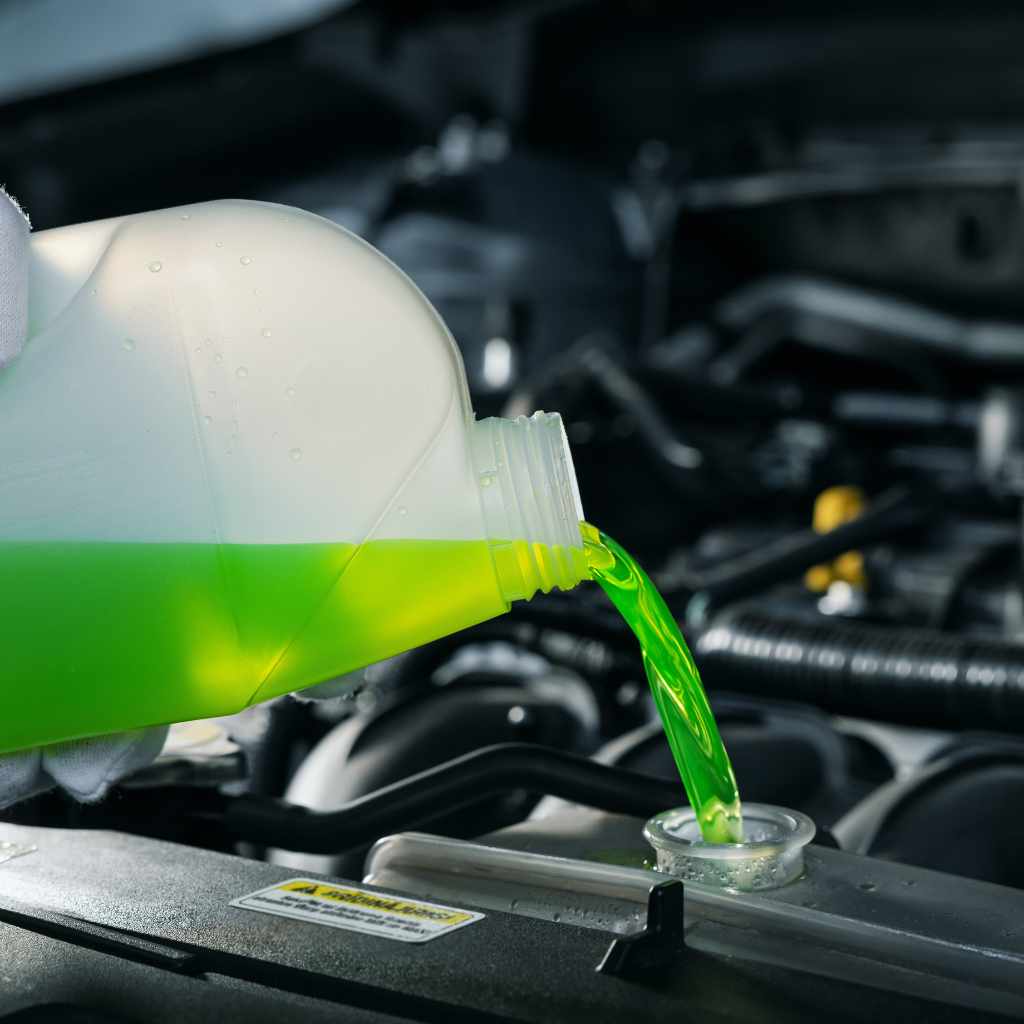
For instance, a bright green coolant might contain inorganic additives, while a vibrant orange or red one could use organic acid technology. These technologies offer different levels of protection and have varying lifespans. So, when you’re asking, What Colour Is Car Coolant?
Complete Guide, remember that the colour is your first clue to its composition.
Common Coolant Colours and Their Meanings
The most common coolant colours you’ll encounter are green, blue, orange, red, yellow, and pink. While there’s no single universal standard, these colours often correspond to specific types of coolant technologies. It’s crucial to consult your car’s owner’s manual for the exact type recommended for your vehicle.
- Green Coolant: Historically, green coolant was the most common. It typically uses traditional inorganic additive technology (IAT). This type of coolant often contains silicates and phosphates to protect engine components from corrosion. However, IAT coolants usually have a shorter service life, often requiring replacement every 2-3 years or around 30,000 to 50,000 miles. It’s a workhorse but less advanced than newer formulations.
- Orange/Red/Pink Coolant: These colours often indicate the use of organic acid technology (OAT) or a hybrid organic acid technology (HOAT). OAT coolants are designed for longer service intervals, sometimes lasting 5 years or 100,000 to 150,000 miles. They use organic acids to provide corrosion protection, which forms a protective layer on metal surfaces. HOAT is a blend that may include silicates or phosphates along with organic acids, aiming for a balance of protection and longevity.
- Yellow/Blue Coolant: Yellow and blue coolants can be more variable. Some yellow coolants, for example, might be specific formulations designed for certain European manufacturers and could be a type of OAT or HOAT. Blue coolant can also vary widely depending on the manufacturer. It’s essential to check the label for compatibility if you see these colours.
The colour is a visual cue, but the product’s specifications and your vehicle’s manual are the definitive guides. Never assume a colour means a specific technology without confirmation, as some manufacturers may use non-standard colours.
Why Coolant Colours Can Change
Your coolant’s colour isn’t static; it can change over time, and this change can signal a problem. When coolant is fresh, it has a vibrant, clear hue. As it circulates through your engine and ages, it can become cloudy, murky, or even rust-coloured.
Several factors contribute to this colour change. One primary reason is the degradation of the anti-corrosion additives. These additives deplete over time, reducing their ability to protect the engine’s metal components.
When this happens, the metal itself can start to corrode, and the resulting rust particles can contaminate the coolant, making it appear brown or rusty.
Another common cause for a change in colour or appearance is the introduction of contaminants. If you’ve recently added tap water instead of distilled water to top up the coolant, minerals in the tap water can cause cloudiness. Similarly, if there’s an internal leak, such as a blown head gasket, exhaust gases or engine oil can mix with the coolant, drastically altering its colour and consistency.
A coolant that turns dark brown or black, or develops an oily sheen, is a strong indicator of a serious issue that requires immediate attention.
The Dangers of Mixing Coolant Types
Mixing different types of car coolant is a common pitfall that can lead to significant problems for your engine. Because coolants are formulated with specific additives designed to protect certain engine components and last for particular periods, combining them can neutralize these beneficial properties. This section will detail why mixing is a bad idea and the detrimental effects it can have on your cooling system.
Understanding Coolant Formulations
Car coolants are not simply dyed water. They are complex chemical mixtures designed to perform critical functions. At their core, they are typically a blend of ethylene glycol or propylene glycol and water.
Ethylene glycol is the most common base for antifreeze due to its excellent heat transfer properties and low freezing point. Propylene glycol is less toxic and is sometimes used in specialized applications.
Beyond the base, the real magic (and the reason for colour differences) lies in the additive packages. These additives are responsible for preventing corrosion, lubricating water pump seals, and inhibiting scale formation. The different technologies—IAT, OAT, HOAT, P-HOAT (Phosphated Hybrid Organic Acid Technology), and Si-OAT (Silicated Organic Acid Technology)—employ distinct chemistries to achieve these protective goals.
For instance, IAT coolants rely on inorganic chemicals like silicates and phosphates, which can be very effective but tend to deplete faster and can sometimes be abrasive to water pump seals. OAT coolants, on the other hand, use organic acids that bond to metal surfaces, forming a protective barrier. This barrier is more durable and provides longer-lasting protection but can take longer to establish.
HOAT is a hybrid approach, combining some inorganic additives with organic ones to offer a blend of quick protection and extended life.
The chemical reactions within these formulations are precisely engineered. When you introduce a coolant with a different additive package, these chemicals can interact in unpredictable and harmful ways. This is why simply asking, What Colour Is Car Coolant?
Complete Guide, and assuming any colour will do is a risky proposition.
Chemical Reactions and Corrosion
When incompatible coolant types are mixed, their additive packages can interfere with each other. This interference can lead to a breakdown of the protective properties. For example, an OAT coolant’s organic acids can be neutralized or rendered ineffective by the inorganic additives in an IAT coolant.
This neutralization means the engine’s metal components are no longer adequately protected from corrosion. Rust, scale, and other forms of degradation can begin to form inside the cooling system. These by-products can clog radiator passages, restrict coolant flow, and damage the water pump and thermostat.
In some cases, mixing can even cause new, harmful chemical compounds to form. These can be more corrosive than the original problem the coolant was designed to prevent. Imagine combining two types of paint that react poorly; you might end up with a lumpy, unusable mess.
In a cooling system, this “mess” can be a gradual process of internal damage that may not be immediately apparent.
The breakdown of additives can also lead to a phenomenon known as “gelation” or “sludge formation.” Certain additives, when mixed or when they degrade, can form a thick, gelatinous substance. This sludge can impede coolant flow even more severely than rust and can be very difficult to remove from the system.
Consequences for Your Engine
The immediate consequence of mixing coolants is often a compromised cooling system. Reduced efficiency means the engine may not be kept at its optimal operating temperature. This can lead to:
- Overheating: If the coolant can’t transfer heat effectively due to blockages or reduced capacity, the engine temperature will rise. Prolonged overheating can cause severe damage, including warped cylinder heads, blown head gaskets, and seized engines.
- Corrosion Damage: Without proper protection, internal engine components like the radiator, water pump, heater core, and engine block can corrode. This can lead to leaks, reduced lifespan of parts, and eventual component failure.
- Water Pump Failure: Some additives in older coolants can be abrasive, while newer ones may not provide the necessary lubrication if the wrong type is present. This can cause premature wear and failure of the water pump.
- Heater Core Issues: The heater core, a small radiator that heats your car’s cabin, is particularly susceptible to clogs from sludge and corrosion. A clogged heater core means no heat for your passengers.
In severe cases, mixing incompatible coolants can cause a cascading failure of the cooling system, resulting in expensive repairs. It is always best to stick to the coolant type specified by your vehicle’s manufacturer.
Real-Life Example of Mixing Coolants
Consider a situation where a car owner noticed their coolant level was a bit low. They didn’t have the correct type of coolant on hand but did have a bottle of a different coloured coolant, thinking it was all the same. They topped up the system with this alternative.
A few weeks later, the car began to overheat intermittently. Upon inspection, a mechanic found that the mixed coolants had caused a significant buildup of sludge in the radiator and engine passages. The water pump seals were also showing signs of premature wear.
The repair involved a complete flushing of the system,
This scenario highlights that even a small amount of the wrong coolant can start a chain reaction of problems. The seemingly simple act of topping up can have serious repercussions if the compatibility is not carefully considered. The colour of coolant is a warning sign, and treating it as a universal identifier can lead to these unfortunate outcomes.
How to Identify the Correct Coolant for Your Car
Knowing what colour coolant your car needs is crucial, but it’s not just about matching colours. The safest and most reliable way to ensure you’re using the correct type is to consult your vehicle’s official documentation or use reliable online resources. This section will guide you through the best methods to confidently identify the right coolant for your specific make and model.
Consult Your Owner’s Manual
Your car’s owner’s manual is the ultimate authority on its maintenance requirements, including the type of coolant it needs. Vehicle manufacturers spend a lot of time and resources testing and specifying the exact coolant formulations that will work best with their engines. This is because different engines, made from different materials and with different internal designs, require specific types of corrosion inhibitors and other additives.
The manual will typically list the required coolant specifications, often by a specific product name or a standardized code. It will also likely indicate the recommended colour or type of coolant. For example, it might state “Use only HOAT coolant meeting specification XYZ” or “For optimal performance and protection, use manufacturer-branded coolant, typically pink.”
It’s not just about the colour. While colours are a helpful visual cue, they are not a guaranteed identifier. Some manufacturers might use the same colour for different formulations, or vice-versa.
Therefore, relying solely on colour can be misleading. Always cross-reference any colour information you find with the specifications listed in your owner’s manual.
Decoding Coolant Labels
When you’re at an auto parts store, you’ll see a bewildering array of coolant bottles. Each bottle will have a label with important information. Learning to read these labels is a key skill for any car owner.
Look for terms like “IAT,” “OAT,” “HOAT,” “P-HOAT,” or “Si-OAT.” These abbreviations refer to the additive technology. The label should also clearly state which vehicle makes or specific models it is compatible with. Some labels might also list the original equipment manufacturer (OEM) part number or specification it meets.
For example, a label might say: “Universal Extended Life Antifreeze/Coolant. Orange. OAT/HOAT compatible.
For use in most domestic and import vehicles.” However, “universal” can sometimes be a risky term. It’s always best to find a coolant that specifically mentions your vehicle’s make and model or meets a specific OEM specification. If your manual states you need a specific coolant for, say, a Ford F-150 from 2010, look for a coolant that explicitly states compatibility with that vehicle and year range or meets the Ford specification.
If you’re still unsure after reading the label, don’t hesitate to ask a store employee for assistance. Be prepared to provide your car’s year, make, and model.
Online Resources and VIN Lookups
In the digital age, numerous online resources can help you determine the correct coolant. Many auto parts websites have a “find parts for your vehicle” tool. After entering your car’s information (year, make, model, engine size), they will show you compatible coolant products.
These tools often cross-reference with manufacturer databases.
You can also search for your vehicle’s specific coolant requirements online. Typing “What colour is coolant for ” into a search engine will often yield results from automotive forums, manufacturer websites, or specialized repair guides. Be sure to verify the information from multiple reputable sources.
Some advanced online tools allow you to enter your vehicle’s Vehicle Identification Number (VIN). A VIN lookup can provide highly accurate information about your car’s original specifications, including the type of coolant it was designed to use. This is especially helpful if you’ve bought a used car and are unsure about its maintenance history.
Sample Scenario for Coolant Identification
Let’s say you own a 2015 Honda Civic. You check your owner’s manual and find that it specifies “Honda Genuine All Season Antifreeze/Coolant Type 2.” The manual notes this coolant is typically blue. When you go to the auto parts store, you see various blue coolants.
You need to find one that explicitly states it’s compatible with Honda vehicles or meets the “Honda Type 2” specification. A general “universal” blue coolant might not contain the exact additive package your Honda engine needs for optimal long-term protection.
Another example: you drive a 2018 Ram 1500. Your manual specifies “Mopar Antifreeze/Coolant 10 Year/100,000 Mile Formula.” It might be orange or red. You’d look for an aftermarket coolant that clearly states compatibility with Dodge/Ram vehicles or meets the OEM specification for that year and model.
Buying a coolant labelled “Universal Red” might seem correct by colour, but without specific confirmation of compatibility, it’s a gamble.
Maintaining Your Cooling System
Regular maintenance of your car’s cooling system is essential to prevent engine damage and ensure optimal performance. This isn’t a complicated process, but it requires attention to detail and the right knowledge. This section will cover the key steps to keep your cooling system in top shape, from checking coolant levels to flushing and refilling the system.
Regular Coolant Level Checks
One of the simplest yet most important maintenance tasks is regularly checking your coolant level. Low coolant can quickly lead to overheating. You should check your coolant level at least once a month, and more frequently if you notice any signs of a leak or if your car is getting older.
To check the level, locate the coolant reservoir. This is usually a translucent plastic tank attached to the radiator or firewall, marked with “Min” and “Max” lines. Ensure the engine is cool before opening the reservoir cap, as the system is pressurized when hot.
The coolant level should be between the Min and Max marks.
If the level is low, you’ll need to add the correct type of coolant. Remember, never add tap water unless it’s an emergency, and even then, plan to flush the system soon after. Always use a 50/50 mixture of the correct coolant and distilled water, or a pre-mixed coolant if available.
Distilled water is vital because it contains no minerals that can cause scale buildup or react with the coolant additives.
When to Flush and Refill Your Coolant
Coolant has a finite lifespan. Over time, the additives degrade, and the coolant becomes less effective at protecting your engine. The recommended interval for flushing and refilling your cooling system varies significantly by coolant type and vehicle manufacturer.
General guidelines suggest that traditional inorganic additive technology (IAT) coolants need to be flushed and replaced every 2 to 3 years or 30,000 to 50,000 miles. Longer-life coolants, such as those using organic acid technology (OAT) or hybrid organic acid technology (HOAT), can last much longer, often 5 years or 100,000 to 150,000 miles. Always refer to your owner’s manual for the exact service interval recommended for your specific vehicle and the type of coolant it uses.
Signs that your coolant needs changing even before the recommended interval includes a cloudy or discoloured appearance, visible rust or sediment, or a decrease in its freezing/boiling point. If you notice any of these signs, it’s time for a flush and refill.
The Coolant Flush and Refill Process
A coolant flush involves draining the old coolant from the system and replacing it with fresh coolant. This process helps remove contaminants, sludge, and old fluid, ensuring the new coolant can provide maximum protection.
Here’s a simplified overview of the process:
- Drain the System: Ensure the engine is completely cool. Locate the radiator drain plug (petcock) at the bottom of the radiator and the drain plugs on the engine block if present. Place a large drain pan underneath and carefully open the drain plugs to let the old coolant out. You may also need to open the radiator cap to allow air in for faster draining.
- Flush with Water: Close the drain plugs and refill the system with distilled water. Run the engine for about 10-15 minutes with the heater on high to circulate the water and flush out remaining old coolant and debris.
- Drain Again: Let the engine cool completely, and then drain the distilled water.
- Refill with New Coolant: Close all drain plugs. Prepare a 50/50 mixture of the correct coolant and distilled water. Slowly fill the radiator until it’s full, then fill the coolant reservoir to the “Max” line.
- Bleed the System: It’s crucial to remove any air pockets from the cooling system, as these can cause overheating. Some vehicles have a specific bleeding procedure, often involving opening a bleeder valve on the thermostat housing or radiator hose. Follow your owner’s manual’s instructions for bleeding the system.
- Final Check: Start the engine and let it run until it reaches operating temperature. Check for leaks and ensure the coolant level in the reservoir is correct. Recheck the level after the engine has cooled down.
While this is a general guide, specific procedures can vary significantly between vehicles. If you’re not comfortable performing this yourself, it’s best to have a qualified mechanic do it.
Coolant Additives and Conditioners
In addition to the primary coolant, you might encounter coolant additives or conditioners. These are sometimes added to the cooling system to boost its performance or extend its life. For example, some water pump lubricants can be added to help the water pump seals last longer.
Others are designed to further enhance corrosion protection.
However, it’s crucial to use these products with extreme caution. Most modern coolants already contain a comprehensive package of additives designed to provide all the necessary protection. Adding extra conditioners, especially if they are not compatible with your coolant type, can disrupt the delicate chemical balance and potentially cause more harm than good.
Always research any additive thoroughly and consult your owner’s manual or a trusted mechanic before adding anything to your cooling system. The safest approach is often to stick with a high-quality, manufacturer-recommended coolant and perform regular maintenance.
Frequently Asked Questions
Question: What colour is typically used for universal coolants?
Answer: Universal coolants often come in a bright orange or red colour, but some might be yellow or even green. However, it’s important to note that “universal” can be a misnomer. Always check the label to confirm compatibility with your specific vehicle, as different universal coolants can have different formulations.
Question: Can I use a concentrated coolant and mix it with tap water?
Answer: No, you should never use tap water with concentrated coolant. Tap water contains minerals that can cause scale buildup and interfere with the coolant’s additives, potentially leading to corrosion and reduced cooling efficiency. Always use distilled or demineralized water when mixing concentrated coolant.
Question: My coolant is a light brown colour. Is that normal?
Answer: A light brown colour in your coolant is usually not normal and can indicate that the corrosion inhibitors are breaking down or that rust is forming within the cooling system. It’s a sign that the coolant may need to be flushed and replaced soon to prevent further damage.
Question: How often should I check my coolant level?
Answer: It’s recommended to check your coolant level at least once a month. If you notice any leaks, see steam coming from under the hood, or if your car is older, you should check it more frequently. Ensuring the level is between the minimum and maximum marks is vital for preventing overheating.
Question: Can I use a coolant tester to check my coolant’s protection?
Answer: Yes, coolant testers can be useful tools. They typically measure the specific gravity of the coolant, which gives an indication of its freezing point and, indirectly, its overall condition and protection level. However, they don’t test for corrosion inhibitors or other chemical properties, so they are just one part of assessing your coolant’s health.
Final Thoughts
Understanding what colour car coolant should be is more than just a cosmetic detail; it’s a critical aspect of maintaining your vehicle’s health. The colour serves as an initial clue to the coolant’s formulation, with different hues like green, orange, red, and yellow often signifying distinct additive technologies such as IAT, OAT, or HOAT. These technologies dictate the coolant’s protective capabilities and its service life.
The most important takeaway is to never assume that all coolants of the same colour are interchangeable. Mixing incompatible coolants can lead to detrimental chemical reactions, resulting in corrosion, sludge formation, and ultimately, expensive engine damage. The ultimate guide for selecting the correct coolant should always be your car’s owner’s manual.
It will specify the exact type, formulation, and sometimes even the brand your engine requires.
Regularly checking your coolant level and condition is a simple yet highly effective maintenance practice. If you notice any unusual colours, cloudiness, or a decrease in the coolant level, it’s a signal to investigate and potentially schedule a coolant flush and refill. By diligently following your manufacturer’s recommendations for coolant type and service intervals, you’ll ensure your engine remains protected from extreme temperatures and corrosion, leading to a longer lifespan and smoother operation for your vehicle.