What Is a Fender on a Car? Fender vs. Bumper vs. Quarter Panel
A car fender is the curved body panel above each wheel — steel, aluminum, or plastic — that keeps mud and road spray off your paint, unless it’s welded into the rear body, where it’s called a quarter panel instead. Ignoring a cracked or rusted fender lets corrosion spread and can affect nearby airbag sensors. This guide covers what a fender does, how it differs from a bumper, quarter panel, and the British “wing,” plus real repair costs.
Quick Answer
A fender is the curved body panel that arches over each wheel to block mud, rocks, and water spray from hitting a car’s paint and nearby vehicles. It differs from a bumper (a separate impact-absorbing part) and a quarter panel (the welded rear-body equivalent — called a “wing” in the UK). Repairs typically run $75–$800; full replacement with paint can exceed $1,000–$2,000.
What Exactly Is a Car Fender?
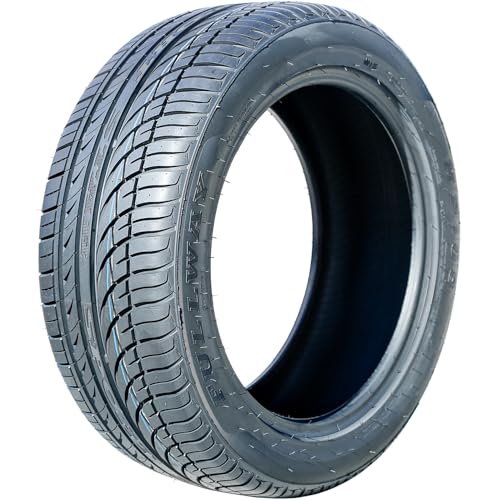
Think of your car’s fender as a shield. It’s a part of the bodywork that arches over the wheels. Its primary purpose is to prevent mud, rocks, sand, and other debris that the tires kick up from spraying onto the rest of your car, onto other vehicles, or onto pedestrians. It also plays a role in the overall aerodynamics and appearance of your vehicle.
Fenders are typically made from materials like steel, aluminum, or plastic (like polypropylene). The material choice often depends on the car’s make, model, and the manufacturer’s design philosophy, balancing durability, weight, and cost.
Different Types of Fenders
While the core function remains the same, you might encounter a couple of distinctions:
- Standard Fenders: These are the most common, integrated directly into the car’s body. They are designed to fit the car’s original lines.
- Bolt-on Fenders: Many modern cars have fenders that are attached with bolts. This design makes them easier and often cheaper to replace if they get damaged, as the entire panel can be removed and swapped out without affecting the structural integrity of the car.
- Fender Flares (or Cladding): Sometimes, you’ll see extra pieces attached to the outside edge of the fender. These are called fender flares or cladding. They can be purely for looks, making a car appear more rugged or sporty, or they might be functional, especially on off-road vehicles, to cover larger tires.

📊 “Fender” is a shortening of “defender” and has described automobile body panels since 1919; the term “fender bender” for a minor crash was first recorded in 1958. — Source: Merriam-Webster
Fender vs. Bumper vs. Quarter Panel vs. Wing: What’s the Difference?
These four terms get mixed up constantly — and the mix-up isn’t just semantic, since it changes what a repair actually costs. Here’s how each one is genuinely different:
| Term | What It Actually Is | Attachment | Impact-Absorbing? | Typical Cost |
|---|---|---|---|---|
| Fender | Curved panel over the front (or rear) wheel opening, between the bumper and door | Usually bolted on | No — splash/debris shield only | $200–$2,000 |
| Bumper | Impact bar and cover at the front or rear ends of the car | Bolted/clipped cover over a structural beam | Yes — its main job | $150–$1,200 |
| Quarter Panel | Rear body section from the back door/window to the taillight | Welded into the unibody | No — structural skin, not impact-rated | $500–$1,500+ |
| Wing (British English) | Same part as a fender — just the UK/Commonwealth term for it | Same as fender | Same as fender | Same as fender |
The practical difference that matters most is labor: a bolt-on fender can usually be swapped in a few hours, while a welded quarter panel requires cutting out spot welds, fitting a new panel, and repainting — which is why quarter panel jobs often cost several times more than a simple fender replacement. If you’re specifically pricing out bumper repair, see our full bumper vs. fascia vs. fender cost breakdown for more detail.
Why Are Fenders Important?
Fenders do more than just make a car look complete. They have several vital functions:
- Protection from Debris: This is their main role. Without fenders, every drive would leave your car covered in grime, and other cars would be at risk from flying debris. This protects paintwork and windshields. Think of driving on a wet road – the fenders keep most of the spray contained.
- Safety: By deflecting objects, fenders contribute to road safety. They help prevent small stones or bits of tire tread from becoming projectiles that could cause accidents.
- Aerodynamics: The shape and placement of fenders are carefully designed to help air flow smoothly around the vehicle. This can improve fuel efficiency and reduce wind noise at higher speeds.
- Structural Support: While not a primary structural component like the chassis, fenders do contribute to the rigidity of the front or rear of the car, especially where they meet other body panels.
- Aesthetics: Fenders are a significant part of a car’s visual design. Their curves and lines contribute to the overall look and style of the vehicle.
Common Fender Problems and How to Spot Them
Even though fenders are designed to be durable, they can still suffer damage. Here are some common issues:
- Dents: These are probably the most frequent problems. Dents can happen from minor collisions, parking lot mishaps, or even heavy hail. A small dent might not affect functionality but can be an eyesore.
- Scratches: Everyday wear and tear, brushing against objects, or careless washing can lead to scratches on the fender’s surface.
- Rust: If your car’s fender is made of steel and the paint is compromised (scratched or chipped), moisture and road salt can get underneath and start rust from the inside out — often before you see any surface bubbling. Left untreated, rust can weaken the metal enough to affect how the fender attaches to the body.
- Cracks: Plastic fenders can crack, especially in cold weather or after a significant impact.
- Loose or Misaligned Fenders: Following an accident or if mounting points fail, a fender can become loose or shift out of alignment. This not only looks bad but can also affect how it performs its protective duties.
Here are a few products that make fixing or preventing this kind of damage easier:
Best Fender Rust-Repair Pick
Rust-Oleum Stops Rust Reformer Spray
Converts existing surface rust into a paintable surface in one step — no sanding down to bare metal required.
- Best for: Small rust spots before they spread further under the paint
- Why we picked it: One-step rust-to-primer conversion, no grinding to bare metal needed
- Main drawback: Cosmetic fix only — won’t restore strength to metal that’s already rusted through
Compare more fender repair options
 Option 1 J-B Weld PlasticWeld Repair Epoxy Putty
|
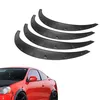 Option 2 Universal Fender Flares (4-Pack)
|
 Option 3 Meguiar’s Ultimate Compound
|
As an Amazon Associate we earn from qualifying purchases.
DIY Fender Care and Maintenance
Taking good care of your fenders can help prevent problems and keep your car looking its best. Here are some simple tips:
Basic Cleaning
Regular washing is key. Use a gentle car soap, plenty of water, and a soft wash mitt. Pay special attention to the areas around the wheel wells, as dirt and grime can accumulate there.
Steps for Cleaning:
- Rinse: Start by rinsing the entire car, including the fenders, to remove loose dirt and debris.
- Wash: Use a dedicated car wash soap and a clean wash mitt. Wash from top to bottom, and be sure to get into all the nooks and crannies of the fender and wheel well.
- Rinse Again: Thoroughly rinse off all soap residue.
- Dry: Use a clean, soft microfiber towel to dry the fenders. This prevents water spots and further protects the paint.
Checking for Damage
Make it a habit to visually inspect your fenders regularly. Look for any new dents, scratches, or areas of rust. Gently press on the fender to see if it feels loose or wiggly. Early detection of damage makes repairs easier and less expensive.
Protecting Your Fenders
Consider using a car wax or sealant after washing and drying. This adds a protective layer to the paint, making it more resistant to scratches and easier to clean in the future. For plastic fenders, a plastic trim restorer can help them look newer for longer.
When to Seek Professional Help for Fender Issues
While minor scratches can sometimes be buffed out with DIY kits, more significant damage often requires professional attention. Here’s when you should head to a body shop:
- Large Dents: Dents that have creased the metal or are too large to be easily popped out.
- Rust Damage: Significant rust that has eaten through the metal needs professional repair to ensure structural integrity.
- Cracked or Broken Fenders: Especially plastic fenders that are cracked.
- Misalignment: If the fender is noticeably out of place, it might affect door or hood alignment, requiring professional adjustment.
- Airbag Sensor Location: On many vehicles, sensors related to airbags are located within or behind the fender area. Damage here can be serious and requires expert assessment.
Understanding Fender Repair Costs
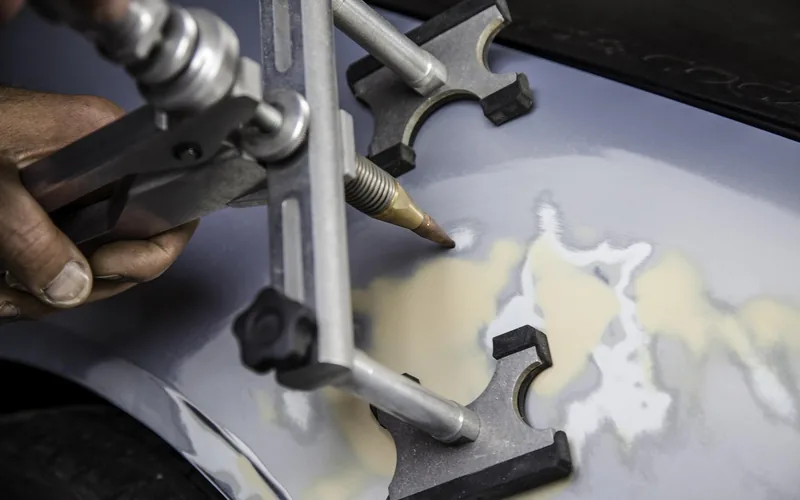
The cost of fender repair or replacement varies widely depending on the material, the extent of the damage, and your location. Here’s a general idea based on current industry repair-cost research:
| Type of Repair/Replacement | Estimated Cost Range (USD) | Notes |
|---|---|---|
| Minor Dent Removal (PDR – Paintless Dent Repair) | $75 – $250 | Best for shallow dents without paint damage. |
| Scratch Repair (Minor to Moderate) | $100 – $300 | May involve sanding, filling, and repainting. |
| Repainting a Fender | $200 – $600 | If the original paint is damaged but the metal is sound. |
| Replacing a Fender (Compact Car, Unpainted Part) | $200 – $600 (part) + labor | Cost of the part itself; labor and paint-matching are extra. |
| Replacing and Painting a Fender (SUV/Truck or Luxury) | $800 – $2,000+ | Larger panels, OEM parts, and premium paint jobs cost more. |
| Major Rust Repair | $500 – $1,500+ | Can be very costly depending on the extent of the corrosion. |
| Sensor/Camera Recalibration | $100 – $300 | Needed if the fender houses a parking sensor, camera, or side marker light. |
These are estimates — actual costs vary by region, vehicle size, and whether you use OEM or aftermarket parts (see our full fender pricing guide for a deeper breakdown), so get two or three quotes from reputable body shops before committing. Look for shops staffed by technicians trained through programs accredited by the ASE Education Foundation (formerly NATEF), which sets the training standards most professional collision-repair programs are measured against.
Collision-repair trade coverage on repair-vs-replace decisions notes that a bolt-on fender can typically be swapped in a matter of hours, while a welded quarter panel requires cutting out spot welds, fitting a new panel, and refinishing — which is why quarter-panel jobs often run several times the cost of a simple fender swap.
How Fenders Differ Across Vehicle Types
The design and material of fenders aren’t uniform across all vehicles. Let’s look at some common differences:
Sedans and Hatchbacks
These typically have integrated fenders made of steel. They are designed for smooth lines and aerodynamics, often featuring body-colored paint. Damage is usually visible as dents or scratches, and replacement often involves repainting to match the existing vehicle color.
SUVs and Trucks
SUVs and trucks often have larger, more robust fenders. They might be made of steel or heavy-duty plastic to withstand tougher conditions. Some may come with plastic cladding or bolt-on fender flares that offer extra protection against mud and rocks, especially with larger tires.
Sports Cars
Sports car fenders are usually designed for performance and aesthetics. They might be made of lighter materials like aluminum or even carbon fiber to reduce weight. The shapes are often more aggressive, contributing to the car’s sporty look and aerodynamic performance. Repairs on these specialized materials can be more expensive.
Electric Vehicles (EVs)
While the basic function is the same, EVs might have fenders designed with aerodynamics in mind to maximize range. Some may also incorporate sensors or charging ports in or around the fender area, requiring careful handling during repairs.
Your Fender’s Role in Your Car’s Overall Health
It might seem like just a piece of metal or plastic, but your car’s fenders are connected to its overall health and performance in subtle ways:
- Wheel Alignment: While fenders don’t directly control alignment, severe impact damage to a fender strongly suggests that the suspension or steering components behind it may also be affected, leading to alignment issues.
- Brake Cooling: The open space behind the fenders allows air to circulate and cool the brakes, especially during driving. A damaged or improperly fitted fender could, in some designs, impede this crucial airflow.
- Headlight and Bumper Integration: Fenders often serve as a connecting point for headlights and bumpers. If a fender is damaged, it can affect the fit and alignment of these other critical components, impacting both appearance and function.
Frequently Asked Questions About Car Fenders
What is the main purpose of a car fender?
The main purpose of a car fender is to prevent mud, rocks, water, and other debris kicked up by the tires from splashing onto the rest of your car, other drivers, or pedestrians. It also contributes to the vehicle’s appearance and aerodynamics.
Are car fenders structural parts of the car?
No, car fenders are considered non-structural body panels. They are part of the exterior appearance and protection system but do not support the main weight or structure of the vehicle, unlike the chassis or frame.
Can I replace a fender myself?
While it’s possible for experienced DIYers on some vehicles, replacing a fender can be challenging. It often requires specialized tools, knowledge of how to safely remove and install body panels, and proper painting techniques to match the rest of the car. Many people choose professional installation for a better finish and fit.
What does “fender bender” mean?
“Fender bender” is a common term for a minor car accident where the fenders of one or both vehicles are slightly damaged, usually through a low-speed collision in parking lots or during slow traffic maneuvering. Merriam-Webster records the term’s first known use in 1958.
How do I know if my fender needs repair or replacement?
If your fender has minor scratches or small dents that haven’t deformed the metal, repair might be possible. If the metal is significantly creased, rusted through, cracked, or if the fender is completely detached or misaligned, replacement is usually the best option.
What is the difference between a front and rear fender?
The terms refer to location: front fenders sit above the front wheels and are almost always bolted on, while rear fenders sit above the rear wheels and are often welded into the body — which is when they’re technically called a quarter panel instead. In the UK and other Commonwealth countries, either one may simply be called a “wing.” Functionally, all three do the same job.
Can rust on a fender affect my car’s safety?
Yes, significant rust on a fender, especially if it weakens the metal or affects its attachment points, can compromise safety. It can also spread to other parts of the vehicle. It’s important to address rust promptly.
Conclusion
Fenders might seem like simple curved panels, but they protect your paint, your neighbors’ cars, and in some cases the sensors tucked in behind them. A quick wash now and then, prompt attention to dents or rust, and knowing whether you’re dealing with a bolt-on fender or a welded quarter panel will save you money the next time something needs fixing.
Products related to this article
Sponsored / affiliate links. As an Amazon Associate I earn from qualifying purchases. I may earn additional commission from eligible campaigns.