What Is A Car Fender Liner? Purpose & Function Explained
A car fender liner, also called a splash shield or wheel well liner, is a plastic or metal shield located behind the wheel well. Its main job is to protect the engine and other car parts from dirt, water, and road debris. It also helps keep your car quieter and cleaner.
What Is a Car Fender Liner?
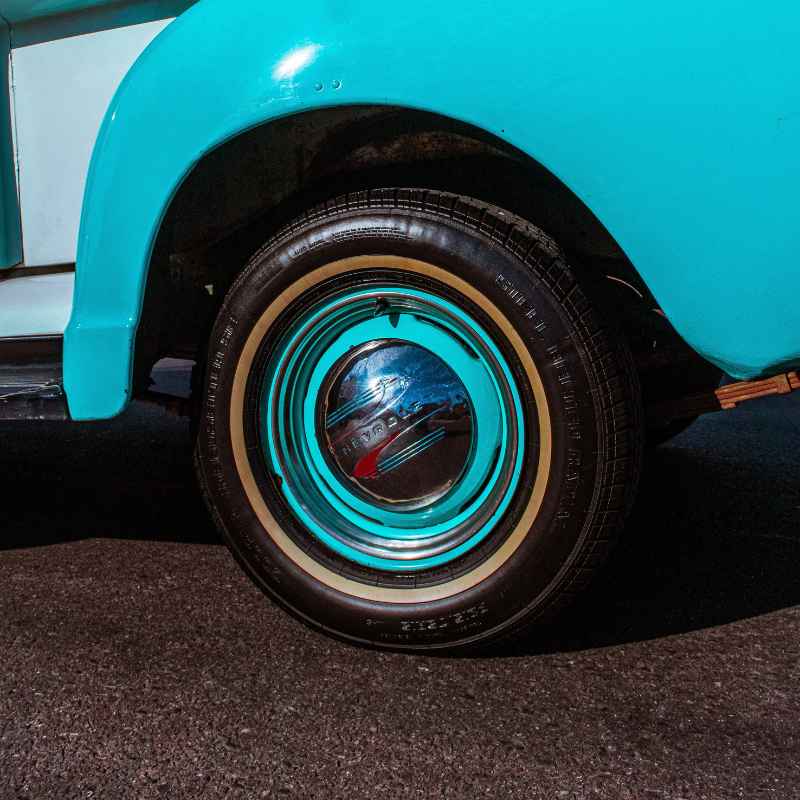
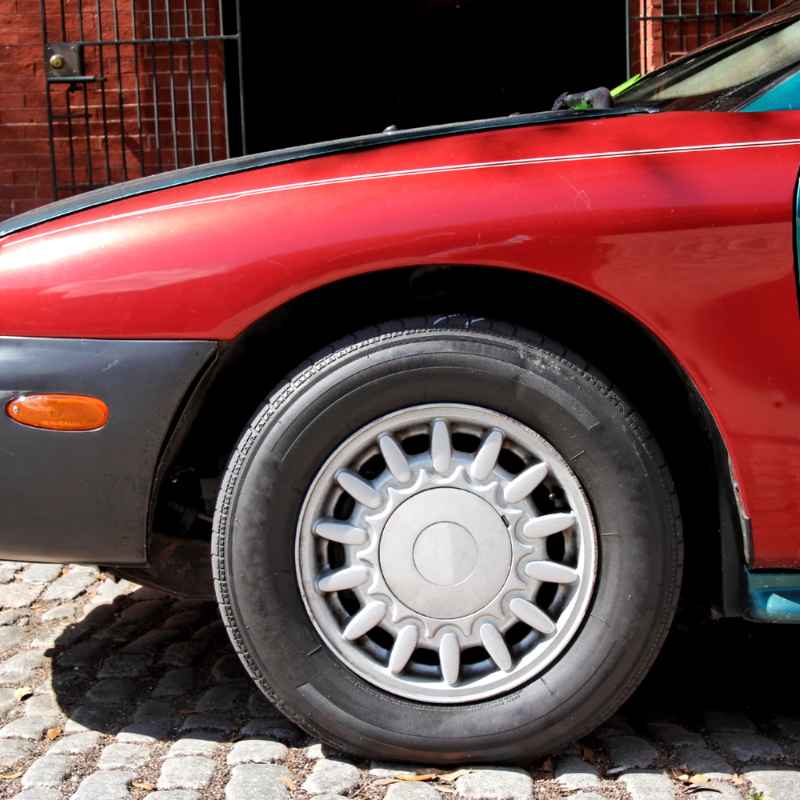
Imagine a tough plastic or sometimes metal shield tucked up behind your car’s front wheels. That’s your fender liner. It sits right inside the wheel well, the curved space above your tire.
Think of it as a barrier. It stops things from splashing up into the engine bay or onto other important parts of your car.
This liner isn’t just one big piece. It’s shaped specifically for your car’s make and model. It fits snugly against the fender and the car body.
This careful fit is important for its job. It’s designed to block the worst of what the road throws at your car.
You’ll find these liners in most modern cars. They are usually made of durable plastic. This plastic is tough enough to handle impacts.
It can also withstand different weather conditions. Some older cars or specific trucks might use metal liners. But plastic is the most common today because it’s lighter and often cheaper.

Why Does Your Car Need a Fender Liner?
The purpose of a fender liner is more than just keeping things tidy. It has several key functions. These all add up to protecting your vehicle and its components.
It’s a crucial shield you might not think about until it’s gone.
First, it acts as a shield against road spray. When you drive in rain or on wet roads, water and mud splash up. The tires pick up this spray and throw it everywhere.
Without the liner, all of this would go straight into the engine bay. It would coat wires, sensors, and the engine itself.
It also protects against dirt and debris. Rocks, gravel, and other small bits of road junk can get kicked up by your tires. These can be sharp and hard.
They can hit and damage delicate car parts. The liner takes the brunt of this impact. It prevents damage to your car’s cooling system components.
Another important job is noise reduction. The fender liner helps to dampen the noise of the tires. As your tires spin, they create a lot of sound.
They also make noise when they hit small bumps or road imperfections. The liner acts like a sound insulator. It keeps a lot of that noise from reaching the car’s cabin.
Finally, it helps keep your engine bay cleaner. A cleaner engine bay is easier to work on. It also means that dust and grime don’t build up as much.
This can help components last longer. Less dirt means less wear and tear on things like hoses and electrical connections.
The Inner Workings of a Fender Liner
Let’s look closer at what the fender liner actually does. It’s a simple idea, but its impact is significant. It guards the vital systems located in and around the wheel well.
These parts are often exposed and vulnerable.
The area behind the wheel well is home to many important components. This can include parts of the suspension. It also houses brake lines and potentially parts of the cooling system, like coolant reservoirs or hoses.
Electrical wiring for lights and sensors is also often routed through this area. The fender liner acts as a protective shield for all of these.
When your car drives through puddles, water can splash up with great force. This water can carry with it salt, sand, and grime. If this gets into the engine bay, it can cause corrosion.
It can also damage electrical connectors. These problems can lead to costly repairs.
Small stones and debris kicked up by the tires are another hazard. A sharp piece of gravel can easily puncture a radiator hose or damage a sensor. The fender liner is designed to deflect these objects.
It prevents them from reaching and damaging these sensitive parts. It’s a simple physical barrier.
The design of the liner also helps manage airflow. While its primary role is protection, it can influence how air moves around the wheel well. This is usually a minor effect.
It’s mostly about keeping things out, not directing air for performance.
Think about the mud flaps you see on some trucks. A fender liner is like a more integrated, fitted version of that. It’s built right into the car’s design to offer continuous protection.
It’s an often-overlooked part of your car’s overall defense system.
In essence, the fender liner is a guardian. It stands between the harsh environment of the road and the delicate inner workings of your vehicle. It’s a simple but effective piece of engineering.
My Own Fender Liner Scare
I remember one particularly rainy Tuesday. I was driving home after a long day at work. The sky had opened up, and the rain was coming down in sheets.
Water was spraying up from the road, and my wipers were working overtime. Suddenly, I heard this awful flapping sound coming from my front passenger side wheel.
It wasn’t just a little noise. It sounded like something was caught in my tire. My heart sank.
I slowed down, trying to figure out what it could be. Was it the tire itself? Had something fallen off the road and gotten lodged in there?
I pictured myself stranded on the side of a busy highway.
I managed to get home and parked the car. I was too tired and nervous to look right away. The next morning, with daylight and a bit more courage, I went out to investigate.
I got down on my hands and knees, peering into the wheel well. And there it was.
Part of the plastic fender liner had come loose. A section of it was flapping against the tire as the wheel turned. It had clearly been damaged by something.
Maybe it hit a large puddle with too much force, or perhaps a piece of debris had struck it. This loose flap was what was making all that noise.
I was so relieved it wasn’t something more serious. But it made me realize how important that plastic shield was. If it had completely ripped off, all the mud and water would have been spraying directly into the engine compartment.
My engine bay would have been a mess. It could have led to electrical problems or damage to other parts.
That day, I understood the fender liner’s job. It’s a simple part, but it works hard to keep the bad stuff away from critical systems. It was a great reminder to pay attention to strange noises from your car.
They can often point to a simple fix for a potentially big problem.
Fender Liner vs. Mud Flaps: What’s the Difference?
Fender Liner: This is an integrated part of your car’s body. It fits inside the wheel well. It’s usually made of plastic.
It protects the engine bay and other components from road spray and debris.
Mud Flaps: These are separate accessories. They attach behind the wheels, usually on trucks or SUVs. They primarily stop mud and rocks from flying up and hitting the vehicle behind you.
Real-World Scenarios Where Fender Liners Shine
Life on the road can be tough on a car. The fender liner plays a vital role in protecting your vehicle in many everyday situations. Let’s look at some common scenarios where its function becomes clear.
Driving through puddles is a prime example. When your car hits a deep puddle, water is forced outward and upward. The fender liner is the first line of defense.
It deflects the spray away from the engine and sensitive electronics. Without it, these components would be soaked.
Winter driving presents its own challenges. Snow, ice, and road salt are thrown up by tires. Salt is particularly corrosive.
It can cause rust and damage metal parts over time. The fender liner helps keep this corrosive slush from reaching the undercarriage and engine bay. This helps prevent rust and extends the life of components.
Gravel roads are another common scenario. Loose gravel and small stones can be easily kicked up. These can chip paint, damage hoses, or even crack plastic components.
The fender liner absorbs many of these impacts. It prevents direct hits to more vulnerable parts.
Even normal driving on paved roads can cause issues. Small debris like twigs, leaves, or even pieces of plastic can get caught in the wheel well. The fender liner can help prevent these from entering the engine bay.
It can also keep them from getting tangled in moving parts.
Consider what happens when you park on wet grass or mud. If the ground is soft, you might get mud splattered onto your car’s sides. The fender liner helps contain some of this mess within the wheel well.
It reduces the amount of mud that gets sprayed onto the car’s bodywork.
The design of the fender liner is often part of a larger aerodynamic system. While its primary job is protection, it can also contribute to how air flows around the wheel. This helps reduce drag slightly.
It’s a subtle effect but part of the overall engineering.
Ultimately, these liners are built to endure. They face constant exposure to the elements and road hazards. Their presence is a testament to practical automotive design for daily life.
Contrast: Normal Fender Liner vs. Damaged Liner
| Normal Fender Liner | Damaged Fender Liner |
|---|---|
| Smooth, intact surface. | Cracked, torn, or missing sections. |
| Fits snugly against the fender and body. | Loose, flapping, or pulled away from its mounts. |
| Keeps engine bay clean and dry. | Allows water, mud, and debris into the engine bay. |
| Reduces road noise. | Can cause loud flapping or grinding noises. |
| Protects engine components and wiring. | Exposes engine components and wiring to damage and corrosion. |
What a Damaged Fender Liner Means for Your Car
When a fender liner gets damaged, it’s not just an aesthetic issue. It can lead to real problems for your car. Ignoring a damaged liner can cause more significant and expensive issues down the road.
It’s important to know what to look out for and what the consequences might be.
The most immediate problem is exposure. A hole or a missing piece means that whatever the liner was blocking can now get through. This includes water.
Water can short-circuit electrical components. It can also lead to corrosion on metal parts. This is especially true in areas where road salt is used.
Road debris is another concern. Small rocks and sharp objects can now hit your engine components directly. They can puncture hoses, damage sensors, or scratch up wiring.
This kind of damage can lead to a breakdown or erratic performance.
A loose or flapping liner can cause its own damage. The flapping piece can rub against tires, potentially causing a blowout. It can also get caught in suspension parts.
This can lead to them bending or breaking. In some cases, a loose liner can be pulled into the engine compartment and cause serious damage.
The noise from a damaged liner can be quite alarming. A loud flapping or scraping sound can make you think something is seriously wrong. This noise is a warning sign that the liner needs attention.
It’s your car telling you something is not right.
Beyond direct damage, a compromised liner can affect the lifespan of components. For instance, if the area around the brakes is constantly getting wet and dirty, it can lead to premature wear. Similarly, if electrical connections are constantly exposed to moisture, they can corrode.
This reduces their reliability and lifespan.
It’s also worth noting that a damaged fender liner can impact your car’s aerodynamics. While it’s a minor effect for most drivers, it can slightly increase fuel consumption. It’s not usually a major concern, but it’s a small downside.
So, if you notice a strange noise, or if you can see a damaged liner, it’s best to get it checked. The fix is often simple and not too expensive. Ignoring it can lead to much larger bills later.
Signs Your Fender Liner Needs Attention
- Strange Noises: A flapping, grinding, or rattling sound from the wheel well.
- Visible Damage: Cracks, tears, or missing pieces in the plastic liner.
- Loose Liner: The liner is hanging down or pulling away from the car body.
- Increased Dirt/Mud: More dirt and grime than usual in the engine bay or on the sides of the car near the wheels.
- Warning Lights: In rare cases, damage to sensors located near the wheel well could trigger warning lights.
When Is a Fender Liner Normal?
It’s easy to worry about car parts. But sometimes, things are exactly as they should be. Understanding what a normal fender liner looks like and acts like can save you unnecessary trips to the mechanic.
It’s about knowing what’s typical for your car.
A properly installed fender liner should fit snugly. There shouldn’t be any large gaps. You shouldn’t see daylight through it when looking from the outside of the wheel well.
It should feel secure. It shouldn’t be loose or wobbly.
The surface of a new fender liner is usually smooth. It might have some molded textures or lines for strength. Over time, it can get dirty.
It will accumulate road grime, dust, and perhaps some water spots. This is perfectly normal. It shows the liner is doing its job.
Minor scuffs or scratches are also common. These can happen from small impacts with road debris or when navigating tight parking spots. As long as these don’t create holes or cracks, they are generally not a concern.
The liner is designed to take some abuse.
You might notice a bit of water or moisture behind the liner, especially after driving in wet conditions. This is also normal. The liner’s job is to keep the bulk of the spray out, but some residual moisture is unavoidable.
The sound a car makes is important. A car with good fender liners should sound relatively quiet when driving. You shouldn’t hear a lot of road noise or the sound of tires hitting small pebbles.
The liner helps to dampen these sounds.
If you’re unsure, compare your car’s wheel wells to a similar model. You can often find pictures online or look at other cars in a parking lot. Seeing what a factory-installed liner looks like can give you a good baseline.
The key is consistency. If your car has always sounded a certain way, and suddenly it’s making new noises from the wheel well, that’s when you should investigate. But a clean, intact, and quiet fender liner is a sign of a healthy system.
Quick Scan: Fender Liner Checks
Visual Check: Look for cracks, tears, or missing pieces.
Fit Check: Ensure it’s securely attached and not loose.
Noise Check: Listen for unusual sounds from the wheel well while driving.
Quick Fixes and Tips for Fender Liners
Sometimes, a fender liner issue is minor and can be addressed with a quick fix. For more serious damage, replacement is usually the best route. Here are some tips to help you manage your car’s fender liners.
Tighten Loose Fasteners: Fender liners are often held in place by plastic clips, screws, or bolts. If a liner is slightly loose, check if these fasteners have simply come undone. You might be able to tighten them yourself with a screwdriver or pliers.
Make sure to use the correct type of fastener so you don’t damage the surrounding plastic.
Repair Minor Cracks: For small cracks, you might be able to use a plastic repair kit. These kits often involve special adhesives or welding tools. Follow the kit’s instructions carefully.
This can be a good temporary or permanent fix for minor damage.
Replace Damaged Clips: If a plastic clip has broken, you can often buy replacements at an auto parts store. These are usually inexpensive. You can then carefully pry the old clip out and push the new one into place.
Professional Replacement: If the liner is badly torn, has large holes, or is missing significant pieces, replacement is the best option. Auto parts stores sell replacement fender liners for most car makes and models. Many are designed for easy DIY installation.
If you’re not comfortable doing it yourself, a mechanic can replace it relatively quickly.
Keep it Clean: While you can’t directly clean the inside of the fender liner easily, washing your car regularly helps. A good rinse can remove mud and salt buildup. This can prevent premature corrosion and wear.
Be Mindful of Debris: When driving in areas with loose gravel or during storms, be aware of what might be getting kicked up. If you hear a loud thud or scrape from the wheel well, it’s a good idea to pull over when safe and check.
Consider Aftermarket Options: For some vehicles, especially trucks and SUVs, you can buy heavy-duty aftermarket fender liners. These might offer more protection than the original equipment. They can be a good choice if you often drive in rough conditions.
The key is to address issues early. A small problem with a fender liner can become a bigger, more expensive problem if left unattended. Regular checks can save you time and money in the long run.
What to Do if Your Fender Liner is Missing
Immediate Action: If you notice a missing liner, especially after hitting something, it’s best to address it soon. The exposed area is vulnerable.
Temporary Fix: In a pinch, you might use heavy-duty tape or a sturdy piece of plastic secured with zip ties. This is only a temporary solution to prevent immediate damage.
Get a Replacement: Order the correct liner for your car’s make, model, and year. You can usually find these online or at auto parts stores. Installation might be straightforward, or you may want a mechanic to do it.
Frequent Questions About Car Fender Liners
What is the primary purpose of a car fender liner?
The primary purpose is to protect the engine bay and other vehicle components from road spray, water, mud, dirt, rocks, and debris kicked up by the tires. It also helps reduce noise.
Can driving without a fender liner damage my car?
Yes, driving without a fender liner can expose critical engine parts, wiring, and suspension components to water, salt, and debris. This can lead to corrosion, electrical issues, and premature wear or damage to these parts.
What are fender liners typically made of?
Most modern fender liners are made of durable plastic, like polypropylene or ABS plastic. Some older vehicles or specific heavy-duty applications might use metal liners.
How do I know if my fender liner is damaged?
Signs of damage include strange noises from the wheel well (flapping, grinding), visible cracks or tears in the liner, or if the liner appears loose and hanging down.
Can I replace a fender liner myself?
Yes, replacing a fender liner is often a DIY-friendly job for many vehicles.
Does a fender liner affect fuel economy?
A damaged or missing fender liner can slightly affect aerodynamics by allowing more air turbulence in the wheel well. This can lead to a minor decrease in fuel economy. However, the primary concern is protecting components from damage.
How much does it cost to replace a fender liner?
The cost varies depending on the car model. A replacement liner itself can range from $30 to $100 or more. Professional installation adds labor costs, typically ranging from $50 to $150, making the total job anywhere from $80 to $250+.
Conclusion
Your car’s fender liner might seem like a small, unimportant piece. But it plays a critical role. It acts as a shield against the harsh elements of the road.
It protects vital engine parts and wiring. Keeping your fender liners in good shape is an easy way to prevent bigger problems. Pay attention to strange noises.
Check for visible damage. A healthy fender liner means a healthier car.
Products related to this article
Sponsored / affiliate links. As an Amazon Associate I earn from qualifying purchases. I may earn additional commission from eligible campaigns.