What is the Oil Pan in a Car: Essential Guide
Ever wondered what keeps your car’s engine running smoothly without overheating? The answer lies in a crucial component you might have never heard of—the oil pan.
You might not think about it often, but the oil pan plays a vital role in your vehicle’s health. Imagine driving on a long journey, and suddenly your engine starts to overheat. Sounds stressful, right? Understanding what the oil pan does can save you from such a scenario.
Curious about how this small yet significant part keeps your car purring like a kitten? Keep reading, and you’ll discover why knowing about your car’s oil pan can make all the difference in maintaining a reliable ride.
Credit: www.yourmechanic.com
Oil Pan Basics
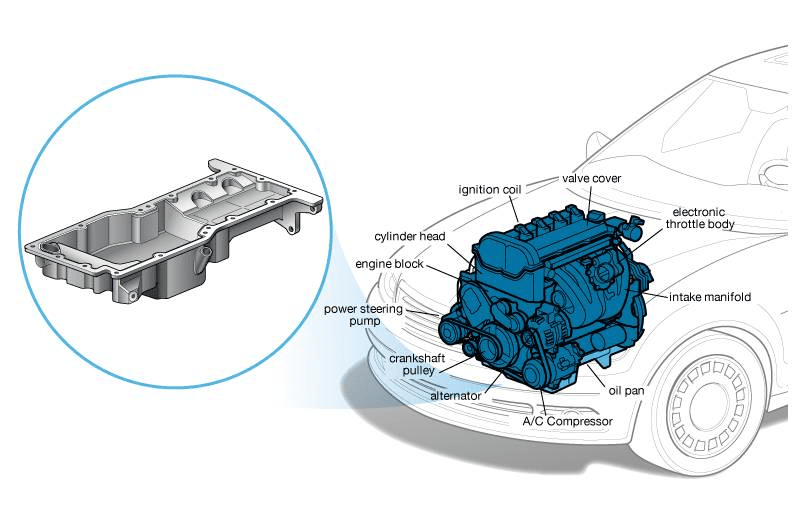
The oil panis under the engine. It holds engine oil. This oil keeps the engine running smoothly. The oil pan is made of metal. It can be steel or aluminum. It is shaped like a bowl. The oil stays inside this bowl.
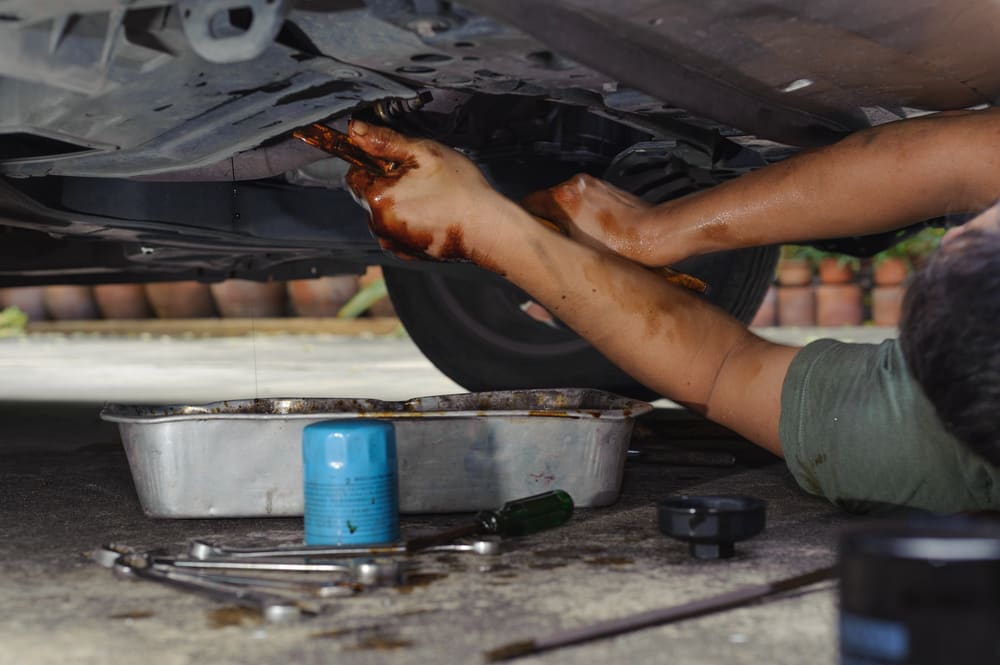
A drain plugis part of the oil pan. This plug lets oil out when needed. Mechanics use this to change the oil. The oil pan has a gasket too. This gasketkeeps oil from leaking. The oil pan is an important part of the car. It helps the engine work well.
Functionality And Purpose
The oil pan is like a bowl for engine oil. It catches the oil that keeps the engine parts smooth. Without it, the engine might get hot and wear out fast. Oil flows through the engine and falls back into the pan. This keeps everything working well.
The oil pan holds the extra oil. It waits there until the engine needs it. When the car starts, oil moves from the pan into the engine. This makes sure the engine has enough oil to work smoothly. The pan also catches any dirt or metal bits. This keeps the oil clean and the engine safe.
Common Materials
Oil pans are made from steelor aluminum. Both have unique benefits. Steel is strong and can last long. It helps in protecting the oil. But, steel is heavier. This can make the car use more fuel. Aluminum is light and helps in cooling the oil. It is also resistant to rust. But, it can be more expensive than steel. Choosing between steel and aluminum depends on what is more important for the car.
| Material | Advantages |
|---|---|
| Steel | Strong, durable, and protects oil well. |
| Aluminum | Lightweight, cools oil, and resists rust. |
Oil Pan Components
The gasketis vital for the oil pan. It creates a seal between the engine and the pan. This seal prevents oil leaks. A damaged gasket can cause serious problems. It might lead to engine damage. Always check the gasket during maintenance. Replace it if necessary. A good gasket ensures smooth engine operation. It keeps the oil where it should be.
The drain plugis a small but crucial part. It allows oil removal from the pan. It ensures easy oil changes. A tight drain plug prevents leaks. Loose plugs can be dangerous. Check the plug regularly. Replace it if it shows wear. A well-functioning plug helps maintain oil levels. It keeps the engine running smoothly.
Installation And Maintenance
The oil pan in a car holds the engine oil at the bottom of the engine. Regular checks ensure no leaks. Proper installation and maintenance keep the engine running smoothly.
Proper Installation Steps
Ensure the car is on a flat surface. Use a jack to lift the car if needed. Remove the old oil pan carefully. Clean the area where the new pan will sit. Check the gasket. It must be in good condition. Place the new oil pan. Tighten the bolts evenly. Make sure not to over-tighten. Fill the engine with new oil. Check for any leaks. Adjust if necessary.
Signs Of Wear And Damage
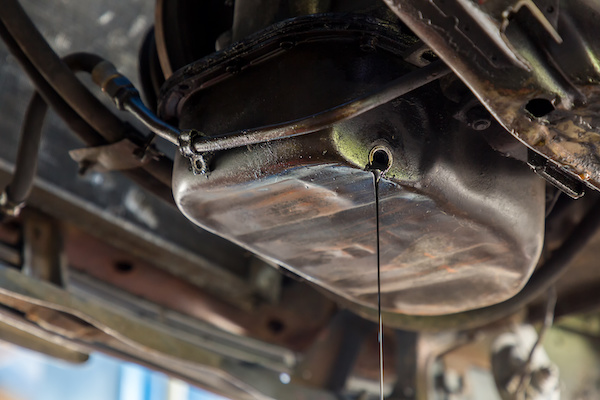
Look for oil leaks under the car. Strange engine noises can be a sign. Check the oil level frequently. A drop in level is a warning. Notice any unusual smells. A burnt smell can indicate trouble. Inspect for visible cracks. These can appear with age. Rust is a concern. It weakens the oil pan over time.
Credit: www.westsidecarcareyakima.com
Troubleshooting Issues
The oil pan might leak if it gets a crack or hole. Old gaskets can also cause leaks. They get worn out over time. Loose bolts might lead to leaks too. They can allow oil to seep out. Rust can be a problem as well. It weakens the pan. Road debris can damage the pan. It can cause punctures.
Fixing a leak means finding the leak source first. Replacing gaskets can help stop leaks. Tightening loose bolts might solve the problem. Welding fixes cracks in metal pans. Sealants work for small holes. New oil pans are needed for big damage. Rust treatment can prevent future leaks. Regular checks help find issues early.
Innovations And Future Trends
The oil pan in a car is a crucial component that holds the engine’s oil. Positioned beneath the engine, it collects oil as it circulates. Innovations in design are enhancing efficiency, aiming for longer engine life. Future trends may focus on materials that improve durability and reduce maintenance.
Advanced Designs
Modern oil pans have smart designs. They cool the oil better. Some have fins to help. These fins increase the surface area. More surface area means better heat dissipation. Better coolingkeeps the engine safe. It works efficiently. Engineers use different shapesfor the oil pans. Some designs are very compact. They save space. This is important for small cars. Compact oil pans are more efficient.
Eco-friendly Materials
Oil pans are using green materialsnow. Plastic and recycled aluminum are common. These materials are lightweight. Light materials help cars save fuel. Metal oil pans are still used. But, plastic ones are more popular. They are environmentally friendly. These materials last a long time. They do not rust easily. Using eco-friendly materials helps the planet. It also reduces waste. More cars are using these materials.
Frequently Asked Questions
How Much Does It Cost To Replace An Oil Pan?
Replacing an oil pan typically costs between $100 and $400. Labor fees can add $200 to $500. Prices vary based on car model and location. Always get quotes from multiple mechanics for the best deal.
What Happens If An Oil Pan Is Damaged?
A damaged oil pan can cause oil leaks, leading to engine lubrication issues. This may result in overheating, increased wear, or severe engine damage. Addressing the damage promptly helps prevent costly repairs and ensures smooth engine performance. Regular checks can help identify issues early.
How Often Does An Oil Pan Need To Be Replaced?
Oil pans don’t have a set replacement schedule. Replace them if damaged, leaking, or corroded. Regular inspections help identify issues early. Proper maintenance extends their lifespan. Consult a mechanic if you notice oil leaks. Use quality oil and filters to minimize wear.
Can I Drive My Car With A Leaking Oil Pan?
Driving with a leaking oil pan is risky. It can lead to engine damage due to low oil levels. Repair the leak promptly to avoid costly repairs. Regularly check your oil levels if you must drive temporarily. Prioritize fixing the issue to ensure vehicle safety and performance.
Conclusion
Understanding the oil pan’s role helps in car maintenance. It stores engine oil, keeping everything lubricated. A damaged oil pan can lead to leaks. Leaks can affect engine performance. Regular checks prevent problems. If you notice oil spots, inspect the oil pan.
This simple part plays a big role. Keeps the engine running smoothly. Protects from wear and tear. Maintaining it ensures your car’s health. Remember, a healthy oil pan means a happy engine. Keep an eye on it. Ensure your vehicle runs efficiently and lasts longer.
A little care goes a long way.