What Water to Use for a Car Wiper? Tap vs. Distilled Water
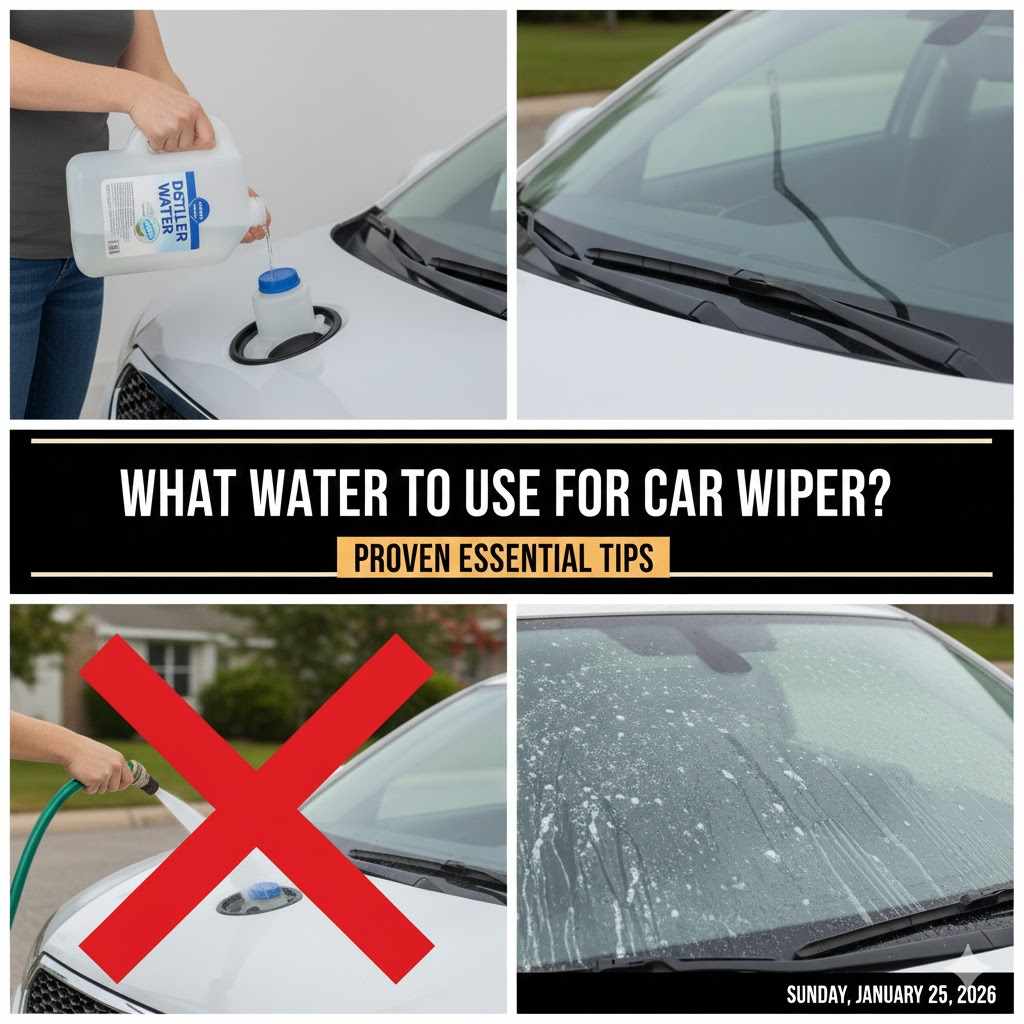
Always use a commercial windshield washer fluid in your car’s wiper reservoir — never plain tap water, which leaves mineral scale in the pump and freezes solid at 32°F (0°C). Distilled water is safer than tap water but still offers zero freeze protection or cleaning power on its own. This guide covers the right fluid for every season, how to safely dilute concentrate with distilled water, and how to refill your reservoir in under five minutes.
Clear visibility is a safety feature, not a convenience — your washer system is your first line of defense against road grime, bugs, and winter grit, but it only works as well as the fluid inside it.
Quick Answer
Use pre-mixed commercial washer fluid year-round, or dilute washer fluid concentrate with distilled water (never tap water) at the ratio printed on the label — typically closer to 1:1 in winter. If tap water is already in your reservoir, run the system until it’s empty and refill with real fluid before temperatures drop below 32°F.
Why You Should Never Use Plain Tap Water
It seems logical, right? Water is for cleaning. While topping off with tap water might seem like a quick, free fix, it can lead to some expensive and frustrating problems down the road. Think of it like washing dishes with just water — it doesn’t really work.
Here’s a closer look at why tap water is a bad choice for your car’s wiper system:
- Mineral deposits and clogs: Tap water contains minerals like calcium and magnesium. Over time, these minerals build up inside the washer fluid reservoir, pump, and the tiny nozzles that spray fluid onto your windshield. This buildup, often called scale, can clog the system completely, leading to a weak spray or no spray at all.
- It freezes in the cold: Water freezes at 32°F (0°C). If you have plain water in your reservoir during the winter, it will turn into a solid block of ice. This can crack the plastic reservoir and damage the washer pump, leading to costly repairs. Even worse, if you try to use it while driving in freezing temperatures, it can freeze on contact with your windshield, instantly blinding you.
- No real cleaning power: Water alone isn’t very effective at cutting through road grime, tree sap, bird droppings, or bug residue. You’ll end up with a smeared, streaky mess that makes visibility even worse, especially when driving into the sun or at night.
- Can grow bacteria: In warm weather, water sitting in the reservoir can become a breeding ground for bacteria and mold. This can create a slimy film that clogs the system and may even lead to unpleasant odors inside your car when you use the washers. One specific concern is Legionella bacteria, which the Centers for Disease Control and Prevention (CDC) notes can grow in water systems. While rare in cars, it highlights the importance of using a fluid with antimicrobial properties.
Tap Water vs. Distilled Water: Is There a Difference?
You might be thinking, “Okay, so tap water is bad because of the minerals. What about distilled water?” Distilled water is a much safer option than tap water because the minerals have been removed. It won’t cause clogs. However, it still has two major drawbacks: it offers zero freeze protection and has no cleaning detergents. It’s better than tap water in a pinch during the summer, but it’s far from the best solution.
Let’s compare them side-by-side:
| Feature | Tap Water | Distilled Water |
|---|---|---|
| Mineral Content | High (can clog system) | None (safe for system) |
| Freeze Protection | None (freezes at 32°F / 0°C) | None (freezes at 32°F / 0°C) |
| Cleaning Power | Poor (smears grime) | Poor (smears grime) |
| Bacteria Growth | Possible | Possible |
| Best Use Case | Avoid using | Emergency summer use, or diluted with concentrate |

The Best Choice: Commercial Windshield Washer Fluid
The clear winner for your car’s wiper reservoir is a good quality commercial windshield washer fluid. This is a specially formulated liquid designed to do one job perfectly: keep your windshield clean and your washer system healthy.
So, what’s in this “magic blue stuff”? The formula typically includes:
- A solvent (like methanol or ethanol): This is the key ingredient that prevents the fluid from freezing. It lowers the freezing point of the water well below 32°F (0°C), keeping your system safe in the winter. It also helps dissolve stubborn grime.
- Detergent: A small amount of gentle cleaning agent is included to cut through dirt, oil, and bug residue without damaging your car’s paint, rubber trim, or wiper blades. This is not the same as household dish soap.
- Purified water: The base of the fluid is water that has had minerals removed, so it won’t clog your system.
- Dye: Usually blue, but sometimes orange or green, to help you distinguish it from other fluids under the hood, like coolant or brake fluid.
Benefits of Using Proper Washer Fluid
Using a dedicated washer fluid isn’t about spending extra money; it’s about protecting your car and ensuring your safety.
- Superior cleaning: It effortlessly removes the toughest grime, leaving you with a streak-free view.
- Freeze protection: It protects your reservoir and pump from cracking in cold weather, saving you from expensive repairs.
- System longevity: It lubricates the washer pump and keeps the lines and nozzles clear, helping the entire system last longer.
- Safe for your car: It’s formulated to be safe for your vehicle’s paint, plastic trim, and the rubber on your wiper blades.
Understanding the Different Types of Washer Fluid
When you go to the auto parts store, you might see a few different kinds of washer fluid. It’s not confusing once you know what they’re for. Think of them as tools for different jobs.
1. Standard All-Season Fluid
This is the classic blue fluid you see everywhere. It’s a great all-around choice for most climates. It typically provides freeze protection down to around -20°F (-29°C), which is more than enough for the majority of drivers. It cleans well and is very affordable.
2. Winter De-Icer Fluid
If you live in an area with harsh winters, this is your best friend. Winter or “de-icer” fluid contains a higher concentration of methanol, giving it a much lower freezing point, sometimes as low as -35°F (-37°C) or even colder. It’s also fantastic for melting thin layers of ice and frost off your windshield on cold mornings. It’s usually orange or yellow to distinguish it from standard fluid.
3. Bug Remover Fluid
Driving in the summer, especially in rural areas, can turn your windshield into a bug graveyard. Bug remover washer fluid contains special enzymes that are formulated to break down and dissolve dried-on bug splatter and tree sap more effectively than standard fluid. It makes a noticeable difference.
4. Water Repellent Fluid
This type of fluid, often associated with brands like Rain-X, contains special hydrophobic additives. As you spray it, it leaves behind an invisible coating on your windshield that causes water to bead up and roll away. At highway speeds, you may not even need to use your wipers in light rain. It’s a great feature for improving visibility during storms.
Can You Use Washer Fluid Concentrate with Distilled Water?
Yes — washer fluid concentrate mixed with distilled water is a legitimate, cost-effective option, but only when you follow the ratio printed on the concentrate’s own label. Most concentrates are built to be diluted somewhere between 1:1 for winter climates (more concentrate, more freeze protection) and more diluted mixes for summer, where freeze protection matters less. Adding “a little extra water to stretch the bottle” is exactly how the ratio drifts too far and the mix stops protecting against freezing at the temperature the label promised.
Use distilled water for the dilution, never tap water — the concentrate already supplies the cleaning detergent and antifreeze, so all the water needs to do is avoid adding minerals back into the system.
📊 Distilled water’s very low electrical conductivity can trip a false “washer fluid low” warning light in vehicles that use a conductivity-based reservoir sensor, even when the tank is physically full. Manufacturer technical service bulletins have documented this exact issue. — Source: NHTSA-hosted Manufacturer Technical Service Bulletin, 2025
Quick Comparison of Washer Fluid Types
| Fluid Type | Primary Feature | Best For | Typical Color |
|---|---|---|---|
| Standard All-Season | General cleaning and moderate freeze protection (-20°F / -29°C) | Year-round use in most climates | Blue |
| Winter De-Icer | Excellent freeze protection (down to -35°F / -37°C) and melts ice | Regions with severe winters and freezing temperatures | Orange, Yellow, or Purple |
| Bug Remover | Enzymes that dissolve bug splatter and tree sap | Summer driving, especially long road trips | Green or Blue |
| Water Repellent | Creates a hydrophobic coating to repel rain | Rainy climates for improved visibility | Clear or Orange |
Best Washer Fluid Concentrate Pick
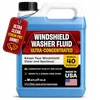
Maplefield Windshield Washer Fluid Concentrate (Makes 40 Gallons)
An 8 oz all-season concentrate you dilute with distilled water at home — the exact combination this guide recommends over plain tap water.
- Best for: Drivers who want commercial-grade cleaning power without buying pre-mixed gallons all season
- Why we picked it: One small bottle replaces dozens of jugs, and mixing your own ratio with distilled water avoids tap water’s mineral buildup entirely
- Main drawback: You still have to measure and dilute it yourself — not as fast as pouring in a pre-mixed jug
Compare more washer fluid options
 Option 1 Prestone AS250 Winter De-Icer, 1 Gallon
|
 Option 2 Amazon Grocery, Seltzer Sparkling Water, 67.6 Fl Oz
|
 Option 3 UCS QuickFill Spill-Saver Funnel
|
As an Amazon Associate we earn from qualifying purchases.
DIY Windshield Washer Fluid: A Risky Bet
A quick search online will show you dozens of recipes for homemade washer fluid, usually involving ingredients like distilled water, isopropyl alcohol, and a drop of dish soap or vinegar. While it might seem like a great way to save a few dollars, I strongly advise against it.
Here’s why DIY solutions can be a bad idea:
- Wrong soap can cause damage: Household dish soaps are designed to cut through grease on your plates, not for your car. They can strip the protective wax off your paint, dry out the rubber on your wiper blades causing them to crack, and damage plastic trim.
- Vinegar is acidic: Vinegar can damage your car’s paint and rubber seals over time. It can also be corrosive to the metal components inside the washer pump.
- Improper alcohol ratios: Getting the right concentration of isopropyl alcohol for effective freeze protection is tricky. Too little, and it will still freeze. Too much, and it can be harsh on your car’s surfaces. Commercial fluids are precisely formulated and tested for safety and effectiveness.
- Potential for clogging: If your soap doesn’t dissolve perfectly, it can create a gel-like substance that will clog your entire system.
“In my experience helping friends and family with their cars, homemade washer fluid recipes cause more clogged nozzles than they ever save in cost. A $3-4 jug of the real thing is a lot cheaper than a new washer pump.”
A gallon of pre-mixed washer fluid costs only a few dollars. The potential cost of repairing a damaged paint job or a clogged washer system is far, far greater. For peace of mind and your car’s health, it’s always best to stick with a professionally made product.
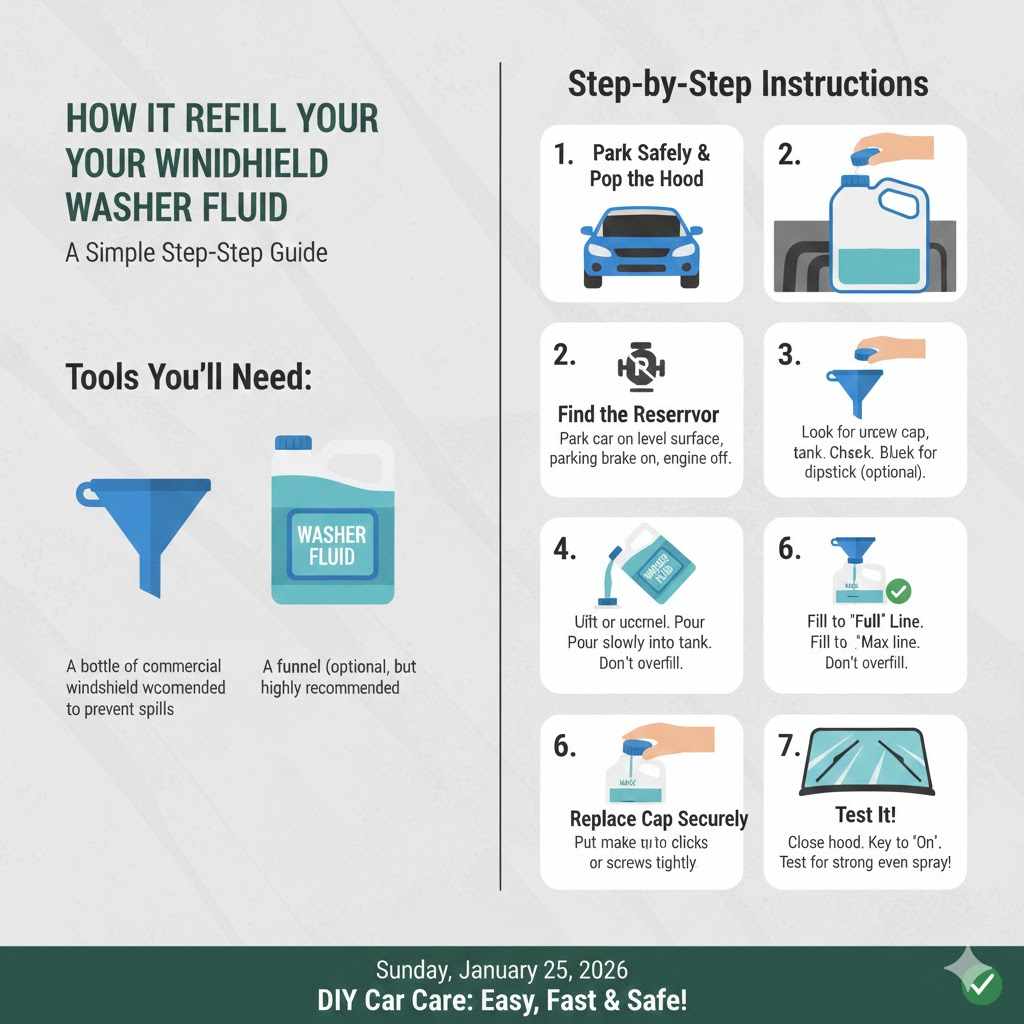
How to Refill Your Windshield Washer Fluid: A Simple Step-by-Step Guide
Alright, you’ve got the right fluid, and now it’s time to top up the tank. This is one of the easiest DIY car maintenance tasks you can do — it takes less than five minutes. If you’d rather follow along with photos of each step, see our companion walkthrough on how to fill up wiper water in your car the right way. Otherwise, let’s do it together here.
Tools You’ll Need:
- A bottle of commercial windshield washer fluid
- A funnel (optional, but highly recommended to prevent spills)
Step-by-Step Instructions:
- Park safely and pop the hood: Park your car on a level surface, put it in Park, and engage the parking brake. Turn off the engine and let it cool down for a few minutes. Then, open the hood and prop it up securely.
- Find the washer fluid reservoir: Look for a large, often semi-transparent plastic tank with a cap that has a symbol of a windshield with a spray of water on it. It’s usually located near the front or side of the engine bay. The cap is often a bright color like blue, yellow, or white.
- Open the cap: Simply lift or unscrew the cap. Check the inside of the cap; it might have a small dipstick to show the fluid level, but most reservoirs are see-through.
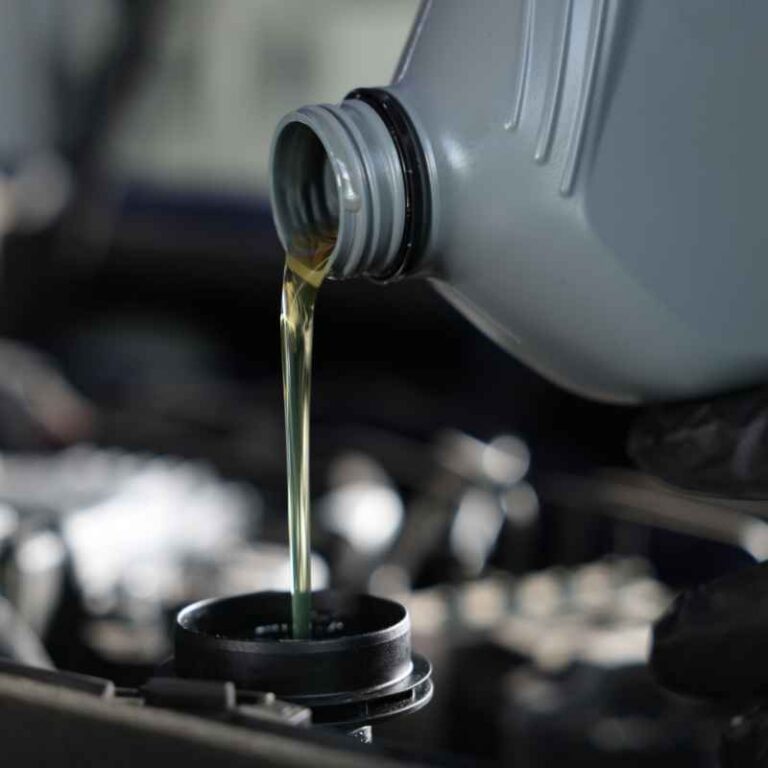
- Pour in the fluid: If you have a funnel, place it in the opening of the reservoir. This will help you pour without spilling fluid all over your engine. Slowly pour the new washer fluid into the tank.
- Fill to the “Full” line: Keep an eye on the side of the reservoir. Most have a “Full” or “Max” line marked on them. Stop pouring when the fluid reaches this line. Don’t overfill it, as the fluid can expand when it gets warm.
- Replace the cap securely: Put the cap back on and make sure it clicks or screws on tightly. This prevents dirt from getting in and stops the fluid from evaporating.
- Close the hood and test it: Lower the hood and make sure it’s latched securely. Hop in the driver’s seat, turn the key to the “On” position (you don’t need to start the engine), and test your washers. You should get a strong, even spray on your windshield.
That’s it! You just handled a key piece of car maintenance yourself.
Frequently Asked Questions (FAQ)
What happens if I accidentally put only water in my wiper fluid reservoir?
If it’s summer and you used distilled water, you’ll be okay temporarily, but your cleaning power will be poor. If you used tap water, you risk long-term mineral buildup. The biggest danger is in winter; if the water freezes, it can crack the reservoir and damage the pump. It’s best to siphon it out or run the system until it’s empty and refill with proper fluid, especially before temperatures drop.
Can I mix tap water with my windshield washer fluid to make it last longer?
It’s best not to. Diluting your washer fluid with tap water reduces its cleaning effectiveness and, more importantly, raises its freezing point. This means it won’t protect your system from freezing at the temperature listed on the bottle. Always use the fluid as-is, or dilute concentrate with distilled water only, per the label’s ratio.
How often should I check my washer fluid?
A good habit is to check your washer fluid level every time you fill up your gas tank. It only takes a second to glance at the reservoir. You should definitely check it before any long road trip or at the beginning of each season, especially winter.
Is it okay to use vinegar or Windex in my washer fluid?
No, please don’t. Vinegar is acidic and can damage your car’s paint and rubber parts over time. Household glass cleaners like Windex contain ammonia, which can also be harmful to paint, plastic, and window tint. Stick to fluids specifically made for cars.
Why is my washer fluid not spraying even though the tank is full?
There could be a few reasons. The most common is clogged nozzles. You can try to clear them with a thin pin or needle. Other possibilities include a blown fuse for the washer pump, a cracked or disconnected hose, or a failed pump. If clearing the nozzles doesn’t work, it might be time to see a mechanic.
Can I mix different types of washer fluid?
Generally, yes. For example, you can top off your standard blue all-season fluid with a de-icer fluid as winter approaches. They are designed to be compatible. The only exception might be mixing a standard fluid with a water-repellent (hydrophobic) fluid, as it could dilute the special additives. When in doubt, it’s best to run the reservoir low before adding a different type.
My car has headlight washers. Do they use the same fluid?
Yes, in almost all cars, the headlight washers draw from the same reservoir as the windshield washers. This is another great reason to use proper fluid, as you don’t want to spray plain, freezing water onto your expensive headlight assemblies.
Conclusion: The Clear Choice for a Safe Drive
When it comes to what water to use for your car wiper, the answer is simple: always use a commercial windshield washer fluid, or a properly-diluted concentrate mixed with distilled water. Plain tap water is a recipe for clogged lines, a frozen system, and a dangerously smeared windshield.
By choosing the right fluid for the season — whether it’s a standard all-season, a powerful de-icer, or a bug-busting formula — you’re making a smart, responsible choice as a car owner. Keeping your reservoir topped up is one of the easiest and most effective ways to ensure you can always see what’s ahead.
Stay safe out there!
– Md Meraj
Products related to this article
Sponsored / affiliate links. As an Amazon Associate I earn from qualifying purchases. I may earn additional commission from eligible campaigns.
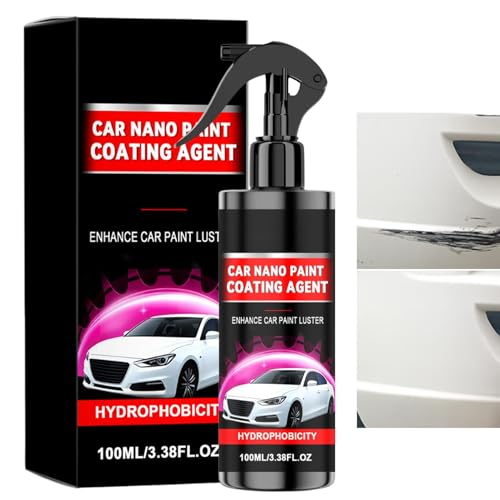 Car Coating Spray, 100ml Hydrophobic Quick Shine Protector, Scratch Repair Paint Restorer, Long Lasting Protection Detailer, for Cleaning Maintenance Car Care Exterior Finish Use
 Car Windshield Spray Water Repellent Antifogging Agent,Windshield Washer Fluid,Hydrophobic Rain Repellent for Car Windows & Mirrors (2pcs)