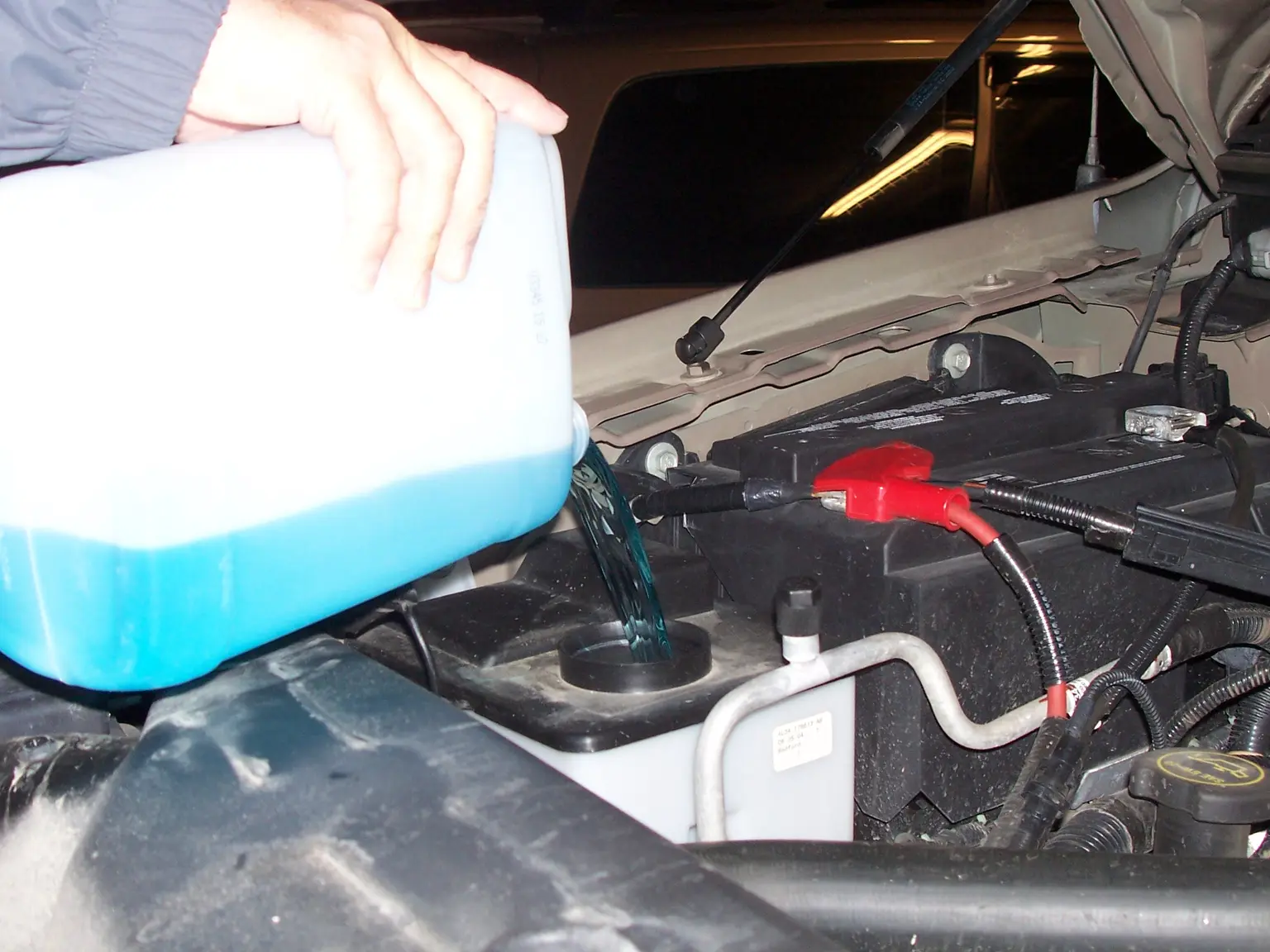
Winter Washer Fluid vs Standard Washer Fluid: Which to Buy
Use standard washer fluid only when overnight lows stay well above freezing; switch to winter fluid before freezes, and treat mixed fluid as only as freeze-resistant as the blend, which can be weaker than the bottle suggests. Ignore that, and the spray can turn to slush, clog the lines, and leave you staring through road grime. This guide shows when standard is safe, when winter fluid is mandatory, and how leftover fluid shifts the real freeze point.
Winter washer fluid vs standard washer fluid: what changes in freezing weather


| Decision factor | Winter Washer Fluid | Standard Washer Fluid | Winner |
|---|---|---|---|
| Cold-weather survival | Built with antifreeze properties; often uses ethanol or methanol to help prevent solidifying in sub-zero temperatures. | Cleaning-focused and may have little or no freeze protection. | Winter Washer Fluid |
| Warm-weather cleaning | Can clean, but winter formulas are usually aimed at frost, slush, road salt, and light winter film. | Often better suited to bug film and summer grime. | Standard Washer Fluid |
| Freeze-rating confidence | Sold with freeze points such as -20°C and -30°C; some catalogs list a winter windscreen washer fluid up to -80. | May have no meaningful cold rating at all. | Winter Washer Fluid |
| Compatibility risk in a partial reservoir | Still depends on what is already in the tank and how much dilution occurs. | More likely to drag down freeze protection if summer stock remains in the system. | Winter Washer Fluid |
What winter fluid is built to handle
Winter washer fluid is meant for freezing temperatures. Mechanic Insights says to use it when freezing temperatures are expected, and the fluid’s antifreeze properties help keep it from turning solid in the reservoir, lines, and nozzles. It is also the better pick for slush, road salt, and light frost.
What standard fluid does well, and where it falls short
Standard washer fluid is cleaning-first. It works well in steadily warm weather, especially for bug film and summer grime, but it can be wrong for freezing climates. If the bottle does not carry a clear freeze rating, the first hard cold snap can turn a useful wash system into a blocked one.
The one-sentence buying rule
Buy the fluid that beats your coldest forecast, not the one that sounds wintery on the label. Brand name, bottle color, and marketing copy matter less than the printed freeze rating and the actual condition of your washer system.
📊 Winter washer fluid is sold with freeze points such as -20°C and -30°C. Source: Automax-group.
What freeze rating do you actually need?

Pick a bottle whose freeze rating is colder than the lowest temperature you expect to encounter, with a buffer below the forecast low. Read the number on the label in Fahrenheit or Celsius before comparing products, and remember that ready-to-use fluid and concentrate do not protect the same way.
How to read the number on the bottle
The freeze rating is the detail that matters, not brand or color. A winter bottle may be marked -20°C or -30°C, and the catalog even lists a winter windscreen washer fluid up to -80. Compare like with like, because Fahrenheit and Celsius are not interchangeable just by looking at the minus sign.
Why your target should be colder than the forecast low
A small buffer matters because the real system is not a sealed lab sample. Cold-soaked lines, a half-empty reservoir, and diluted residue can all drag the effective protection below the bottle’s claim. If the low is near freezing, a stronger freeze rating can give more margin for morning starts and overnight parking.
Ready-to-use fluid vs concentrate
Ready-to-use fluid is pre-mixed for the bottle as sold. Concentrate washer fluid needs the specified dilution ratio, and that ratio affects the final freeze point. If the label calls for mixing and the water is added too generously, the protection can drop fast.

Can you mix winter washer fluid with standard washer fluid?

Yes, but the result is not a simple average of the two labels, and the mixed bottle may freeze sooner than either container suggests. Mixing or diluting can reduce freeze protection, especially when the reservoir still contains warm-weather fluid or when concentrate is added without following the instructions.
Why the mixed result is not a straight average
Washer-fluid freeze behavior depends on the final chemistry in the tank, not a neat midpoint between two labels. A tank half full of summer fluid and topped off with winter fluid does not become a half-safe system. The actual freeze point can sit much closer to the weaker fluid.
How a partial reservoir changes the cold limit
The reservoir content changes the outcome. A full tank of winter fluid is one thing; a nearly empty tank with summer residue is another. The weaker the leftover fluid and the smaller the winter top-off, the less confidence you should have in the final blend.
Mixing risks when the leftover fluid is still warm-weather stock
If the old fluid was summer or bug-remover stock, it may lack meaningful freeze protection. That matters because the reservoir, lines, nozzles, and rear washer circuit all hold some of the old fluid. The system can start freezing in places you do not see first, long before the tank itself turns slushy.
Mixing-risk checklist for partial reservoirs
- Check how full the reservoir is before you add anything.
- Assume leftover summer fluid lowers the final freeze point.
- Read the new bottle’s rating in Fahrenheit or Celsius, then compare it to your coldest forecast.
- Follow the dilution instructions exactly if the product is concentrate.
- Run the washers briefly so the new mixture reaches the lines and nozzles.
- Include the rear washer if equipped.
- Do not trust all-season labeling without checking the printed rating.
Decision table: choose by temperature, reservoir level, and use case
| Outside temperature / reservoir level / use case | Recommended choice | Why |
|---|---|---|
| Warm weather, above freezing, full reservoir, bug-heavy driving | Standard Washer Fluid | Cleaning performance matters more than freeze protection when overnight lows stay above 32°F. |
| Near freezing, partial reservoir, mixed-weather commuting | Winter Washer Fluid | Leftover summer fluid can drag down protection, so a colder-rated refill is safer. |
| Below freezing, slush and road salt, regular highway spray | Winter Washer Fluid | Winter fluid is built for frost, slush, and sub-zero conditions. |
| Deep cold, long parking time, or unknown residue in the tank | Winter Washer Fluid, with drain-and-refill if needed | Unknown mix plus prolonged cold is where a partial top-off is least trustworthy. |
Choose Winter Washer Fluid if… / Choose Standard Washer Fluid if…
Best fit for winter washer fluid
Choose winter washer fluid if your forecast drops below freezing, if you park outside overnight, if the tank still contains unknown residue, or if your driving involves slush, road salt, and frost. It is also the safer pick when your owner’s manual warns against weak cold protection in the washer system.
Best fit for standard washer fluid
Choose standard washer fluid if your climate stays consistently warm and you mainly fight bugs, dust, and summer road film. If the bottle has no real freeze rating and your lows stay above 32°F, the simpler cleaning-focused fluid is usually enough.
When all-season fluid still needs a closer look
All-season washer fluid can combine cleaning and freeze protection, but the name alone proves nothing. Check the actual rating on the bottle, because the printed freeze number is what matters. If the rating does not beat the coldest temperatures you expect, keep shopping.
How do you switch from standard to winter washer fluid?
Top off with winter fluid only when the remaining fluid is already close to compatible with your forecast, and drain and refill when the old tank contents are mostly summer stock or the weather is turning hard. Before the first hard freeze, get the new mixture into the reservoir, lines, nozzles, and rear washer circuit if equipped.
Top off versus drain and refill
A top-off works when there is enough winter-rated fluid left in the system to preserve the cold limit you need. A drain and refill is the safer move when the tank is mostly warm-weather fluid, when the previous product is unknown, or when the forecast drops well below freezing.
What to do before the first hard freeze
Fill the system with the right product before the cold arrives, not after. Then operate the washers briefly so the new mixture reaches the lines and nozzles. That step matters because the reservoir is only part of the system; the cold can stop fluid in the plumbing first.
Owner’s manual and compatibility checks
Check the owner’s manual for washer-fluid limits, sensor concerns, or additive warnings. Some vehicles have rear washer systems, fluid-level sensors, or nozzle heaters that can change what “compatible” really means. Brand mixing warnings on the bottle also deserve attention.
What should I do if my washer lines or nozzles freeze?
Stop using the washers, move the vehicle to warmer storage if possible, and let the system thaw before forcing it. Do not keep holding the stalk, because that can stress the pump or blow a weak hose. Once thawed, refill with a colder-rated winter fluid and check the rear washer too if equipped.
First steps after a freeze-up
If the reservoir, lines, or nozzles are frozen, the safest first move is patience and warmth. A garage or heated bay is better than forcing the pump. After thawing, inspect for leaks, weak spray patterns, and any blockage at the nozzles.
Why winter fluid is not a cure-all
Winter fluid can help prevent freezing, but it will not clear heavy snow or thick ice on its own. If the windshield has packed ice, the right tool is an ice scraper and time to defrost. Washer fluid is for spray, grime, frost, and residue, not for brute-force de-icing.
Verdict: Winter Washer Fluid or Standard Washer Fluid?
Choose Winter Washer Fluid if your forecast drops below freezing, you park outside overnight, or you need protection for slush, road salt, frost, and hard cold before the first freeze.
Choose Standard Washer Fluid if your climate stays consistently warm and you mainly need to clear bug film, dust, and summer road grime when overnight lows stay well above freezing.
Frequently asked questions
What is the difference between winter washer fluid and standard washer fluid?
Winter washer fluid is built with antifreeze properties and often uses ethanol or methanol so it can stay liquid in sub-zero temperatures. Standard washer fluid is cleaning-focused and is better suited to warm weather, bug film, and dust. The printed freeze rating is the practical difference that matters most.
Will standard washer fluid freeze in winter?
Yes, it can. If the bottle has little or no freeze protection, standard fluid may thicken, slush, or freeze once temperatures drop. That can block the reservoir, lines, or nozzles and leave you with no spray when you need it most.
What freeze rating do I need for my climate?
Choose a rating colder than the lowest temperature you expect, with a buffer below the forecast low. If the bottle says -20°C or -30°C, compare that to your coldest overnight parking conditions, not just the daytime high. Ready-to-use fluid and concentrate are not equivalent.
Can I mix winter washer fluid with standard washer fluid?
You can, but the result is not a straight average and the freeze resistance can drop fast. The reservoir content already in the car matters, and summer residue can pull the effective freeze point down. When in doubt, drain and refill instead of guessing.
Is all-season washer fluid the same as winter washer fluid?
No. All-season fluid may combine cleaning and freeze protection, but the label alone is not proof of winter readiness. Check the actual freeze rating on the bottle and compare it to your coldest forecast. If the rating is weak, treat it like any other questionable product.
How do I switch from standard to winter washer fluid?
Top off only if the old fluid is already close to winter-safe and the remaining volume is small enough not to drag the rating down too much. If the tank is mostly summer fluid, drain and refill. Then run the washers briefly so the new mix reaches the lines, nozzles, and rear washer if equipped.
Products related to this article
Sponsored / affiliate links. As an Amazon Associate I earn from qualifying purchases. I may earn additional commission from eligible campaigns.