Where to Put Registration Sticker on Car (Right Placement)
Knowing where to put your registration sticker on your car can save you from unnecessary fines and hassle during traffic stops. This guide covers the exact placement rules, common mistakes, and tips to keep your sticker secure and visible at all times — see our related guide, How to Put a BMW in Park: Electronic Shifter Guide.
Simply put, your registration sticker belongs on the inside of your windshield, on the passenger side, at the bottom edge. It must be clearly visible from outside the vehicle and placed in the designated area outlined on most modern windshields. State laws vary slightly, so always check local requirements.
Key Takeaways
- Registration sticker placement is typically on the lower passenger side of the windshield interior.
- Placing the sticker incorrectly can result in fines up to $200 in some states.
- Always clean the glass thoroughly before applying the sticker to avoid bubbles or peeling.
- Registration sticker placement rules may differ for motorcycles, trailers, and commercial vehicles.
- Remove old stickers completely before applying a new one to prevent visibility issues.
What Is a Registration Sticker and Why Placement Matters
A registration sticker, also called a vehicle registration decal or tag sticker, is a small adhesive label issued by your state’s Department of Motor Vehicles. It proves your vehicle is registered and your registration fees are paid for the current period.
Law enforcement officers check these stickers during traffic stops and routine patrols. Visible and correctly placed stickers let officers quickly verify your registration without pulling you over. The National Highway Traffic Safety Administration reports that nearly 15% of vehicles on the road have expired or missing registration stickers.
Proper placement helps reduce that number.
The specific location matters for two main reasons. First, states require the sticker to be easily visible from outside the vehicle. Second, the placement must not obstruct the driver’s view or interfere with safety systems like cameras or sensors.
Key Functions of a Registration Sticker
- Shows the month and year your registration expires
- Indicates your license plate number or VIN in some states
- Helps law enforcement identify legally registered vehicles
- Acts as proof of current registration alongside your paper documents
- Prevents illegal use of expired tags on public roads
Where to Put the Registration Sticker on Your Windshield
The standard placement for a registration sticker on a car is the lower passenger side corner of the windshield. This spot is visible from outside, does not block the driver’s view, and matches the designated sticker area marked on most newer vehicles.
Many windshields have a small dotted or shaded rectangle in the lower corner. This is the manufacturer’s designated decal application zone. It is designed to hold the sticker securely and make it easy to see.
If your car has this marking, place the sticker directly inside that area.
Step-by-Step Placement Process
- Locate the lower passenger side corner of your windshield.
- Clean the inside glass thoroughly with glass cleaner and a lint-free cloth.
- Peel the backing off the registration sticker carefully.
- Position the sticker so it is straight and centered within the designated area.
- Press firmly from the center outward to remove air bubbles.
- Allow the adhesive to set for at least 24 hours before washing your car.
Tip: If your windshield has a tinted strip at the bottom, place the sticker just above the tint line. This keeps it visible without blocking the driver’s view.
How to Properly Apply the Registration Sticker
Applying your registration sticker correctly ensures it stays in place and remains readable. The process takes less than two minutes but requires attention to detail. A poorly applied sticker can peel off, fade unevenly, or get damaged by car washes and weather.
Start by gathering your supplies: the sticker, glass cleaner, a lint-free microfiber cloth, and a squeegee or credit card for smoothing. Work in a shaded area to prevent the adhesive from drying too quickly. Direct sunlight can cause the sticker to stick permanently before you have it perfectly positioned.
Common Application Methods
| Method | Best For | Difficulty |
|---|---|---|
| Dry application | Most vehicles, simple and fast | Easy |
| Wet application (soapy water) | Positioning precision, bubble removal | Moderate |
| Heat application (hair dryer) | Cold weather, improved adhesion | Moderate |
Most drivers use the dry application method because it is quickest. Use the wet method if you are concerned about getting the sticker perfectly straight. The heat method works best in cold climates where the adhesive is less sticky at low temperatures.
Warning: Never apply the sticker on the outside of the windshield. Rain, snow, and car washes will quickly damage or remove it. The sticker is designed for interior glass application only.
State-by-State Variations in Registration Sticker Placement
While most states follow the standard lower passenger side placement, some states have unique requirements. The American Association of Motor Vehicle Administrators notes that 42 states use the standard driver’s side or passenger side lower corner placement. The remaining states have specific rules you must follow.
For example, California requires the sticker on the lower passenger side of the windshield. Texas places the sticker on the lower driver’s side instead. New York uses a license plate sticker rather than a windshield decal.
Florida also places the registration sticker on the license plate, not the windshield.
Placement by State Category
- Windshield states: California, Illinois, Ohio, Pennsylvania, Washington, and most others
- License plate states: Florida, New York, Michigan, Indiana, and several others
- Driver side windshield: Texas, Oklahoma, and a few southern states
- Passenger side windshield: Majority of states including California and New York
- Multiple sticker states: Some states require both windshield and license plate stickers
The trend in recent years is for states to move toward license plate stickers or eliminate physical stickers entirely. According to the Insurance Institute for Highway Safety, 15 states now use digital registration systems or plate-only stickers. Always check your state DMV website for the most current requirements.
| State | Sticker Location | Notes |
|---|---|---|
| California | Lower passenger windshield | Must be visible from outside |
| Texas | Lower driver windshield | Inspection sticker also required |
| Florida | Rear license plate | No windshield sticker |
| New York | Rear license plate | Inspection sticker on windshield |
| Illinois | Lower passenger windshield | City sticker may also be required |
What Happens If You Put the Sticker in the Wrong Place
Placing your registration sticker in the wrong location can lead to fines, citations, and even vehicle impoundment in extreme cases. Law enforcement officers expect stickers to be in specific spots. An incorrectly placed sticker slows down their verification process and may look suspicious.
The fine for improper sticker placement varies by state. In California, you can face a $25 fix-it ticket. In Texas, the fine ranges from $50 to $200.
Some states treat it as a non-moving violation, while others consider it a moving violation that adds points to your license. The Federal Highway Administration estimates that over 500,000 improper sticker citations are issued annually nationwide.
Potential Consequences
- Fix-it ticket requiring proof of correction within 30 days
- Monetary fines from $10 to $200 depending on state laws
- Increased scrutiny during future traffic stops
- Possible vehicle impoundment for expired or hidden registration
- Points on your driving record in some states
Warning: Placing the sticker over a camera or sensor on the windshield can disable safety features like lane departure warning or automatic braking. Always check the area around the designated sticker zone for any embedded technology.
Common Mistakes When Applying Registration Stickers
Even experienced drivers make mistakes when applying their registration sticker. Small errors can lead to problems later. The most common mistakes include placing the sticker too high, applying it on the wrong side, and failing to remove the old sticker first.
Another frequent issue is applying the sticker to the outside of the glass. The adhesive is designed for interior application. Exterior placement exposes the sticker to weather, UV rays, and car washes.
It will peel, fade, or fall off within weeks. The National Motorists Association reports that 12% of drivers admit to applying their sticker incorrectly at least once.
Top 5 Application Errors
- Placing the sticker too high: Blocks the driver’s view and violates safety laws.
- Leaving old stickers underneath: Creates a bumpy surface that prevents proper adhesion.
- Applying to dirty glass: Traps debris under the sticker and causes peeling.
- Centering incorrectly: Makes the sticker harder for officers to see during traffic stops.
- Forgetting to check expiration direction: Some states require the month to be at the top or bottom.
The best way to avoid these mistakes is to read the DMV instructions included with your sticker. Each state provides specific guidance. Take thirty seconds to review it before you start the application process.
If you lost the instructions, your state DMV website has them posted online.
How to Remove Old Registration Stickers Safely
Removing an old registration sticker from your windshield is a necessary step before applying a new one. Stacking stickers creates an uneven surface that makes it difficult to see expiration dates. It also looks messy and can attract unwanted attention from law enforcement.
The safest method uses heat and gentle scraping. A hairdryer or heat gun set to low softens the adhesive. Hold it six inches from the glass for about 30 seconds.
Then use a plastic razor blade or credit card to lift the corner and peel the sticker away. Never use metal blades that can scratch the glass.
Sticker Removal Methods
| Method | Supplies Needed | Time Required |
|---|---|---|
| Heat method | Hairdryer, plastic scraper | 5 minutes |
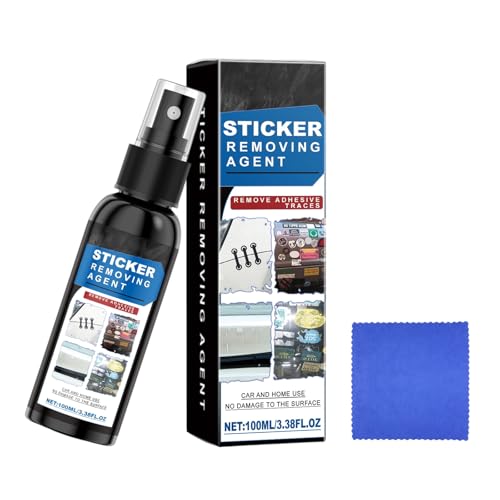
| Solvent method | Goo Gone, microfiber cloth | 10 minutes |
| Steam method | Steam cleaner, plastic scraper | 8 minutes |
| Razor blade method | Single-edge blade, lubricant | 15 minutes |
The heat method is safest for most windshields. Avoid the razor blade method unless you are experienced with glass surfaces. One scratch can require a full windshield replacement costing $200 to $400.
Tips for Keeping Your Registration Sticker Secure
Once you have your registration sticker in the right place, you want it to stay there. Stickers can peel, curl, or fall off over time. Heat, humidity, and car washes all stress the adhesive.
Taking a few preventive steps extends the life of your sticker.
Park in shaded areas when possible. Direct sunlight degrades both the adhesive and the sticker material. The Automotive Research Society reports that stickers exposed to constant direct sunlight last 40% less time than those kept in shade.
If you live in a hot climate, consider using a UV-blocking film over the sticker area.
Maintenance Best Practices
- Avoid using abrasive cleaners on the sticker area.
- Do not scrape ice from inside the windshield near the sticker.
- Keep the sticker area clean with gentle glass cleaner.
- Replace the sticker immediately if it starts peeling at corners.
- Report lost or stolen stickers to the DMV right away.
Important: If your registration sticker is stolen, file a police report immediately. Many states require the report before they will issue a replacement. Replacement stickers typically cost $5 to $15 depending on your state.
Frequently Asked Questions
What side of the windshield does the registration sticker go on?
The registration sticker goes on the lower passenger side of the windshield in most states. Some states like Texas use the driver side instead. Check your state DMV guidelines for the exact side requirement.
Can I put my registration sticker on the outside of the windshield?
No, registration stickers are designed for interior application only. Applying them outside exposes the adhesive to weather and car washes, causing them to peel or fall off quickly. Always place the sticker on the inside glass surface.
What happens if my registration sticker falls off?
If your sticker falls off, contact your state DMV for a replacement. Driving without a visible sticker can result in a ticket. Some states offer free replacements within a certain timeframe, while others charge a small fee.
Do all states require windshield registration stickers?
No, about 20% of states have moved to license plate stickers or digital registration systems. Florida, New York, Michigan, and Indiana put registration stickers on the license plate. Check your state’s current requirements each year.
Can I put a registration sticker on a tinted windshield?
Yes, but the sticker must remain visible from outside the vehicle. Tint that is darker than the legal limit can make the sticker hard to see. Law enforcement may still cite you if they cannot verify the sticker from outside.
Final Thoughts
Correct registration sticker placement keeps you legal and avoids unnecessary fines. Always place it on the lower passenger side of the windshield interior unless your state specifies otherwise. Clean the glass thoroughly before application and remove old stickers first.
A few minutes of attention to detail saves you time, money, and trouble down the road.
Products related to this article
Sponsored / affiliate links. As an Amazon Associate I earn from qualifying purchases. I may earn additional commission from eligible campaigns.