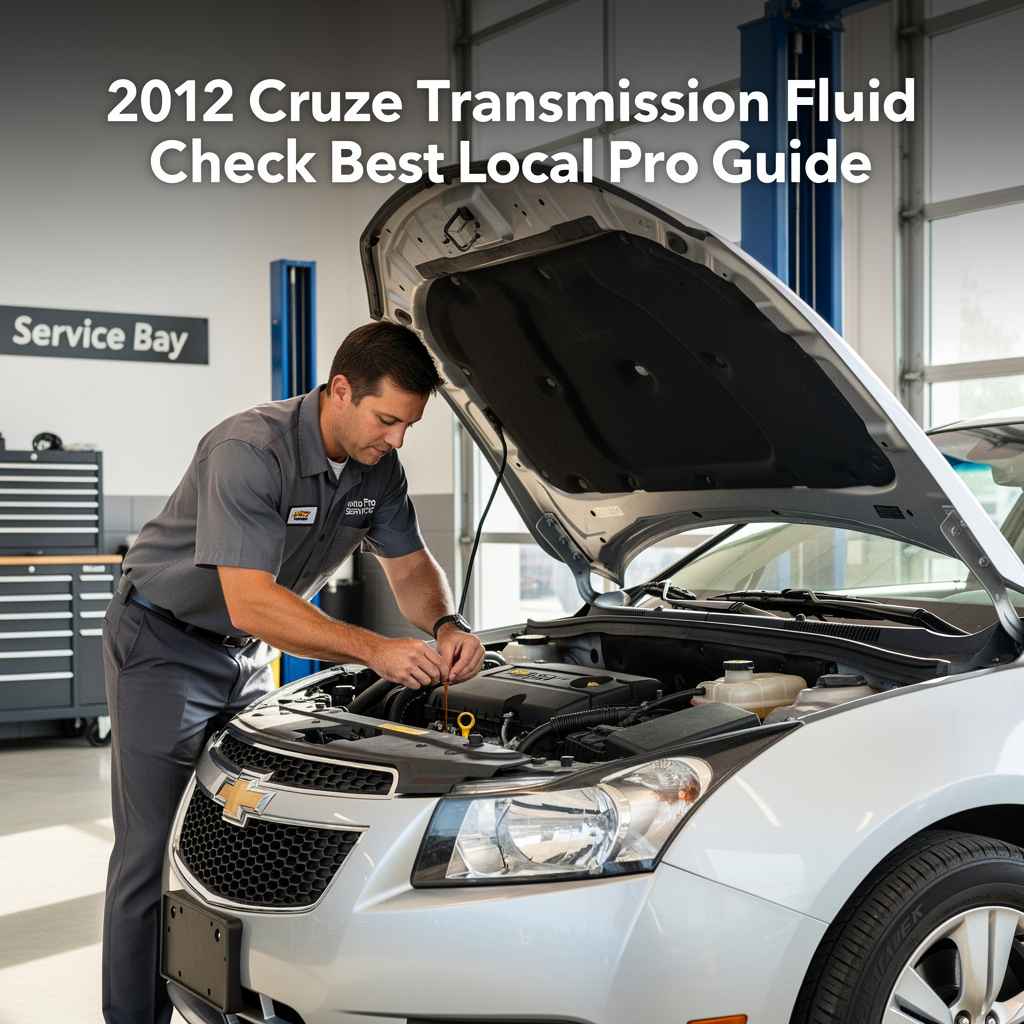
2012 Cruze Transmission Fluid Check Best Local Pro Guide
Checking your 2012 Cruze transmission fluid might seem tricky at first. Many people aren’t sure where to start or what tools they need. It’s easy to feel a little lost when you’re new to car maintenance.
But don’t worry, it’s actually a straightforward process. This guide will walk you through every step simply. We’ll help you get your 2012 Cruze Transmission Fluid Check: Best Local Pro Guide done right.
2012 Cruze Transmission Fluid Check Best Local Pro Guide
Performing a transmission fluid check on your 2012 Cruze is a vital part of regular car care. Transmission fluid lubricates the moving parts within your transmission, helps cool it down, and allows for smooth gear changes. When the fluid is low or dirty, it can lead to poor performance, costly repairs, and a shorter lifespan for your transmission.
This section focuses on why this check is so important and what can happen if it’s neglected. We’ll cover the basics so you can understand the significance of this simple maintenance task.
Why Transmission Fluid Matters for Your 2012 Cruze
Transmission fluid is the lifeblood of your car’s transmission. It performs several key functions that are critical for its operation. Without proper lubrication, metal parts would grind against each other, causing rapid wear and damage.
The fluid also acts as a hydraulic medium, transferring power from the engine to the transmission. This allows for smooth shifting between gears. Additionally, it helps dissipate the heat generated by friction within the transmission.
Excessive heat can degrade the fluid and damage transmission components.
Regular checks ensure the fluid is at the correct level and in good condition. This simple act can prevent many common transmission problems and save you a lot of money down the road. Think of it as a preventative health check for your car’s most complex system.
Signs Your 2012 Cruze Might Need a Fluid Check
Your car often gives you hints when something isn’t quite right. Paying attention to these signs can help you catch potential issues early. A transmission fluid check is often recommended when you notice certain symptoms.
- Slipping gears: If your car feels like it’s not engaging gears properly or suddenly drops out of gear, it could be a fluid issue. This is a common sign that the transmission isn’t getting the hydraulic pressure it needs.
- Rough shifting: Noticeable jerking or shuddering when shifting gears, whether automatic or manual, can indicate low or degraded fluid. The fluid helps cushion the engagement of gears.
- Unusual noises: Whining, clunking, or humming sounds coming from the transmission area, especially when changing gears or at certain speeds, can be a warning sign.
- Strange odors: A burnt smell, often described as acrid or like burnt toast, is a strong indicator that the transmission fluid is overheating and breaking down.
- Transmission warning light: Your dashboard might illuminate a specific warning light related to the transmission system, prompting an immediate check.
These symptoms don’t always mean a major problem, but they always warrant investigation. A quick transmission fluid check can often pinpoint the cause and lead to a simple solution.
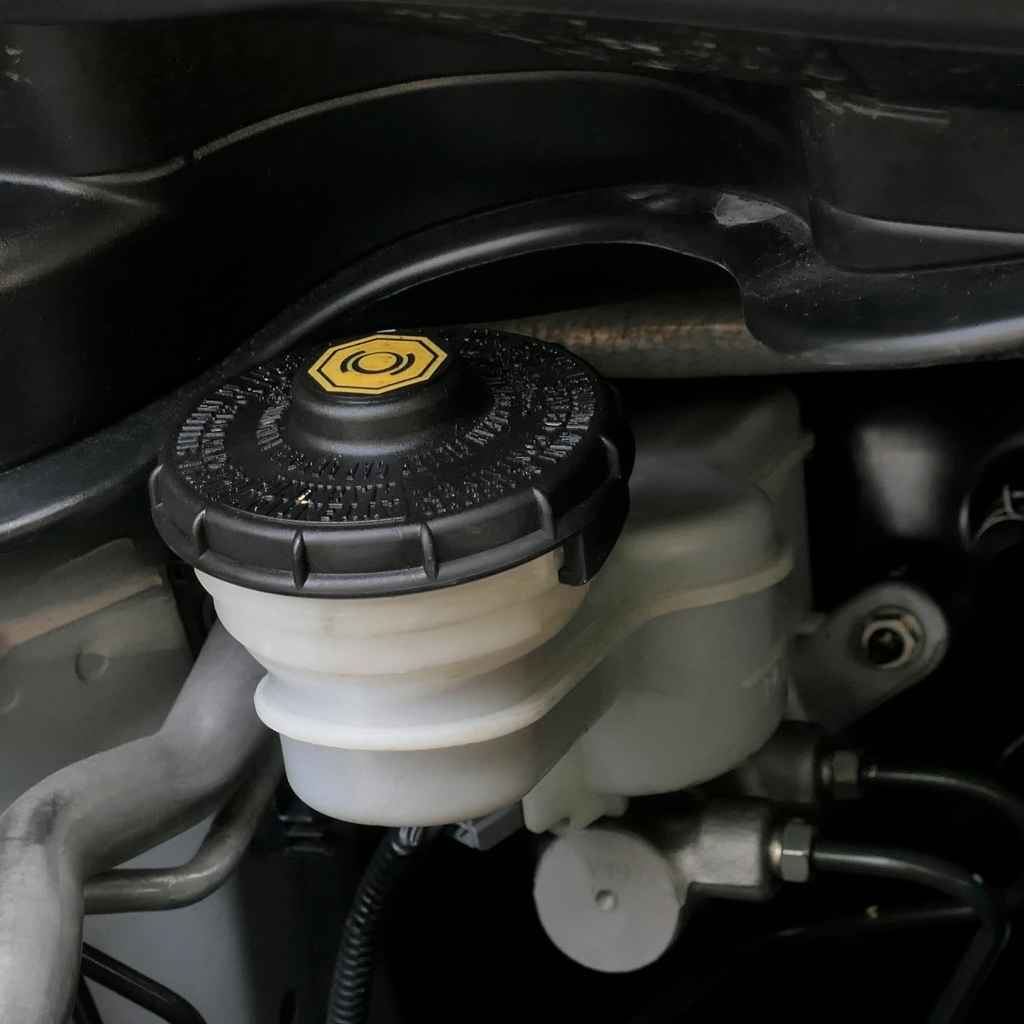
How to Check Transmission Fluid On Your 2012 Cruze
Checking your transmission fluid on a 2012 Cruze doesn’t require a mechanic if you follow the right steps. This section will guide you through the entire process from start to finish. We’ll make sure you know what you need and how to use it safely.
This is where the practical part of our 2012 Cruze Transmission Fluid Check: Best Local Pro Guide truly begins.
What You’ll Need for the Check
Before you start, gather all the necessary tools and supplies. Having everything ready makes the process smooth and efficient. You don’t want to stop halfway through because you’re missing something important.
- Owner’s Manual: This is your primary resource. It has specific information about your Cruze’s transmission fluid type and capacity.
- Gloves: To keep your hands clean.
- Rags or Paper Towels: For wiping the dipstick and any spills.
- Transmission Fluid: Make sure you have the correct type as specified in your owner’s manual. Using the wrong fluid can cause serious damage.
- Funnel: For adding fluid if needed.
- Vehicle Ramps or Jack and Jack Stands: To safely lift the vehicle if the dipstick is not easily accessible. Always use jack stands for safety.
- Safety Glasses: To protect your eyes.
It’s important to use the exact transmission fluid recommended by Chevrolet. Consult your owner’s manual for the specific part number or specification. This ensures compatibility and proper function of your transmission.
Locating the Transmission Dipstick
Finding the transmission dipstick on a 2012 Cruze can sometimes be a bit of a hunt. Unlike the engine oil dipstick, the transmission dipstick isn’t always in the most obvious spot. Chevrolet designed some vehicles with a sealed transmission that doesn’t have a dipstick, but many 2012 models do.
In most 2012 Cruze models, the transmission dipstick is located towards the rear of the engine bay, often near the firewall. It might be a brightly colored loop or handle, similar to an engine oil dipstick but usually a different color (often red or yellow). If you’re having trouble, your owner’s manual is the best place to look for a diagram or specific instructions.
Sometimes, the dipstick tube is capped or labeled. If you cannot locate a dipstick, your Cruze may have a “sealed” transmission which requires a mechanic with specialized tools to check and service.
The Step-by-Step Fluid Check Procedure
Once you’ve gathered your supplies and located the dipstick, you’re ready to perform the check. Follow these steps carefully.
- Start the Engine: Ensure your car is on a level surface. Start the engine and let it run for a few minutes to warm up the transmission fluid. This is crucial for an accurate reading, as fluid expands when warm.
- Shift Through Gears: While the engine is running and your foot is on the brake, slowly shift the gear selector through all available positions (Park, Reverse, Neutral, Drive, and any manual modes). Pause for a few seconds in each position. This circulates the fluid throughout the transmission.
- Locate and Remove Dipstick: Turn off the engine. Locate the transmission dipstick handle. Carefully pull the dipstick out.
- Wipe and Reinsert: Use a clean rag or paper towel to wipe the transmission fluid off the dipstick completely. Then, fully reinsert the dipstick back into its tube until it’s seated properly.
- Remove and Read Dipstick: Pull the dipstick out again. Look at the fluid level on the end of the dipstick. There will be markings indicating the correct range (usually “HOT” and “COLD” or “ADD” and “FULL”).
The fluid should be between the “ADD” and “FULL” marks, or within the indicated “HOT” range if checked when warm. If it’s below the “ADD” mark, you’ll need to add more fluid.
Interpreting Fluid Condition and Level
The color and smell of your transmission fluid tell you a lot about its health. A quick glance can reveal underlying issues.
- Fluid Level: If the fluid is below the lowest mark, it indicates a low level. This requires adding fluid. If it’s significantly over the highest mark, it could be a sign of overfilling or other issues.
- Fluid Color: New transmission fluid is typically bright red and translucent. If the fluid appears dark brown or black, it’s a sign that it’s old, contaminated, or has been overheating. This may indicate the need for a fluid flush.
- Fluid Smell: Healthy transmission fluid has a slightly sweet smell. A burnt odor suggests that the fluid has overheated and is breaking down. This often signals a problem that needs professional attention.
If your fluid is dark, smells burnt, or is consistently low, it’s a good idea to consult a professional. They can diagnose the cause and perform a proper fluid service.
When to Add Transmission Fluid or Seek Professional Help
Knowing when to top up your transmission fluid and when to call in the experts is key to maintaining your 2012 Cruze. This part of our 2012 Cruze Transmission Fluid Check: Best Local Pro Guide helps you make that important distinction. We’ll explain how to add fluid safely and when it’s time to see a mechanic.
How to Add Transmission Fluid Safely
If your fluid check shows a low level, you’ll need to add more. This is a task you can do yourself, but it requires precision.
First, make sure you have the correct type of transmission fluid for your 2012 Cruze, as specified in your owner’s manual. Using the wrong fluid can cause significant damage to your transmission. Get a funnel designed for adding fluids.
With the engine running and the car on a level surface, slowly add a small amount of fluid (about a quarter of a quart) through the dipstick tube. After adding, recheck the fluid level using the procedure described earlier. Repeat this process, adding fluid in small increments and rechecking, until the fluid level is within the correct range (between the “ADD” and “FULL” marks or in the “HOT” range).
Do not overfill the transmission. Overfilling can cause the fluid to foam, leading to poor lubrication, overheating, and potential damage. It’s better to add a little at a time and check frequently.
Signs You Need a Professional Transmission Service
While checking and topping up fluid is manageable for many DIYers, there are times when professional expertise is essential. Don’t hesitate to seek help if you encounter these issues.
- Persistent Leaks: If you notice red or brown fluid spots under your car regularly, you likely have a transmission fluid leak. Leaks need to be found and fixed by a mechanic.
- Grinding or Shuddering: If your car makes loud grinding noises or severely shudders when shifting gears, even after adding fluid, there might be internal damage.
- Transmission Warning Lights: If the transmission warning light stays on after checking the fluid, it indicates a more serious issue that requires diagnostic tools.
- Fluid is Very Dirty or Burnt: If the fluid is black, gritty, or smells strongly burnt, it’s a sign of internal wear or overheating. A simple top-up won’t fix this.
- Unable to Locate Dipstick: As mentioned, some models have sealed transmissions. Checking and filling these requires specialized equipment and knowledge that only a professional has.
A professional mechanic has the tools and experience to diagnose complex transmission problems. They can perform a thorough flush, replace filters, and repair any damaged components. It’s always best to err on the side of caution when it comes to transmission issues.
Understanding Transmission Fluid Flushes
A transmission fluid flush is a service that
During a flush, specialized equipment is used to pump out the old fluid while simultaneously introducing new fluid. This ensures that the transmission is filled with fresh, clean fluid that can properly lubricate and cool the internal components.
The frequency of a transmission fluid flush depends on your driving habits and the manufacturer’s recommendations. Generally, it’s recommended every 30,000 to 60,000 miles. However, your owner’s manual will provide the most accurate schedule for your 2012 Cruze.
A fluid flush can help extend the life of your transmission and prevent costly repairs.
Choosing the Right Transmission Fluid for Your 2012 Cruze
Selecting the correct transmission fluid is paramount for the longevity and performance of your 2012 Cruze’s transmission. Using the wrong fluid can lead to immediate problems and long-term damage. This part of our 2012 Cruze Transmission Fluid Check: Best Local Pro Guide emphasizes the importance of choosing the right product.
Why Fluid Specifications Matter
Transmission fluids are not all the same. They are formulated with specific additives and viscosity characteristics to meet the demands of different transmission designs. For your 2012 Cruze, Chevrolet specifies particular types of transmission fluid.
These specifications ensure that the fluid provides the correct friction for clutch engagement, the right viscosity for lubrication across a range of temperatures, and the necessary chemical stability to prevent breakdown. For instance, some fluids are designed for automatic transmissions, while others are for manual transmissions. They also vary in how they interact with seals and other internal components.
Using a fluid that doesn’t meet the manufacturer’s specifications can lead to slipping gears, rough shifting, increased wear, and overheating. In severe cases, it can cause irreversible transmission damage, leading to very expensive repairs.
Recommended Fluid Types for the 2012 Cruze
For the 2012 Chevrolet Cruze, the type of transmission fluid required depends on whether you have an automatic or manual transmission. Always refer to your owner’s manual for the most precise information.
For automatic transmissions, Chevrolet typically recommends DEXRON-VI (DEXRON 6) automatic transmission fluid. This fluid is formulated to provide excellent performance, wear protection, and smooth shifting characteristics required by modern automatic transmissions.
For manual transmissions, the specification might differ. It could be a specific manual transmission fluid (MTF) or a gear oil. Again, your owner’s manual is the definitive source.
Some aftermarket fluids may be listed as compatible, but it’s always safest to stick to the OEM-specified fluid or a reputable brand that explicitly states it meets the Chevrolet specification.
Where to Buy Quality Transmission Fluid
You can find the correct transmission fluid for your 2012 Cruze at several types of retail locations. Purchasing from reputable sources ensures you get a genuine, high-quality product.
- Auto Parts Stores: Major auto parts retailers like AutoZone, O’Reilly Auto Parts, and Advance Auto Parts carry a wide selection of transmission fluids from various brands. They usually have knowledgeable staff who can help you find the right one.
- Dealerships: The Chevrolet dealership is guaranteed to have the exact OEM-specified fluid for your Cruze. While often more expensive, this is the safest bet if you are unsure.
- Online Retailers: Websites like Amazon and dedicated automotive online stores offer a vast array of transmission fluids. Be sure to check seller reviews and product descriptions carefully to ensure authenticity.
When purchasing, always double-check that the fluid’s packaging clearly states it meets the DEXRON-VI specification (for automatic transmissions) or the specific manual transmission fluid requirement for your 2012 Cruze. This guarantees you are getting the right product for your vehicle’s needs.

Frequently Asked Questions
Question: How often should I check my 2012 Cruze transmission fluid?
Answer: It’s a good idea to check your transmission fluid level at least once a month or every other oil change. This regular check helps you catch any potential issues early.
Question: Can I use regular engine oil instead of transmission fluid?
Answer: No, you absolutely cannot. Engine oil and transmission fluid have very different properties and functions. Using the wrong type will damage your transmission.
Question: What if my 2012 Cruze doesn’t have a transmission dipstick?
Answer: Some newer cars, including certain 2012 Cruze models, have sealed transmissions without a dipstick. If you can’t find one, you’ll need to take it to a mechanic who has special tools to check and service the fluid.
Question: Is it okay if the transmission fluid looks slightly pink or amber?
Answer: Yes, new transmission fluid is typically bright red. As it ages, it can become slightly darker, but it should remain translucent. If it’s dark brown or black, or smells burnt, it needs attention.
Question: How much transmission fluid does a 2012 Cruze typically hold?
Answer: The exact capacity varies by transmission type. An automatic transmission might hold around 6 to 8 quarts when completely drained and refilled. However, for a simple check and top-up, you’ll likely only need a quart or less if the level is low.
Wrap Up
Keeping your 2012 Cruze’s transmission fluid at the correct level and condition is a simple yet vital maintenance task. By following this 2012 Cruze Transmission Fluid Check: Best Local Pro Guide, you can confidently perform checks and understand when to add fluid or seek professional help. This ensures your transmission runs smoothly for miles to come.
Products related to this article
Sponsored / affiliate links. As an Amazon Associate I earn from qualifying purchases. I may earn additional commission from eligible campaigns.