How To Stop Car Windows From Fogging Up For Good
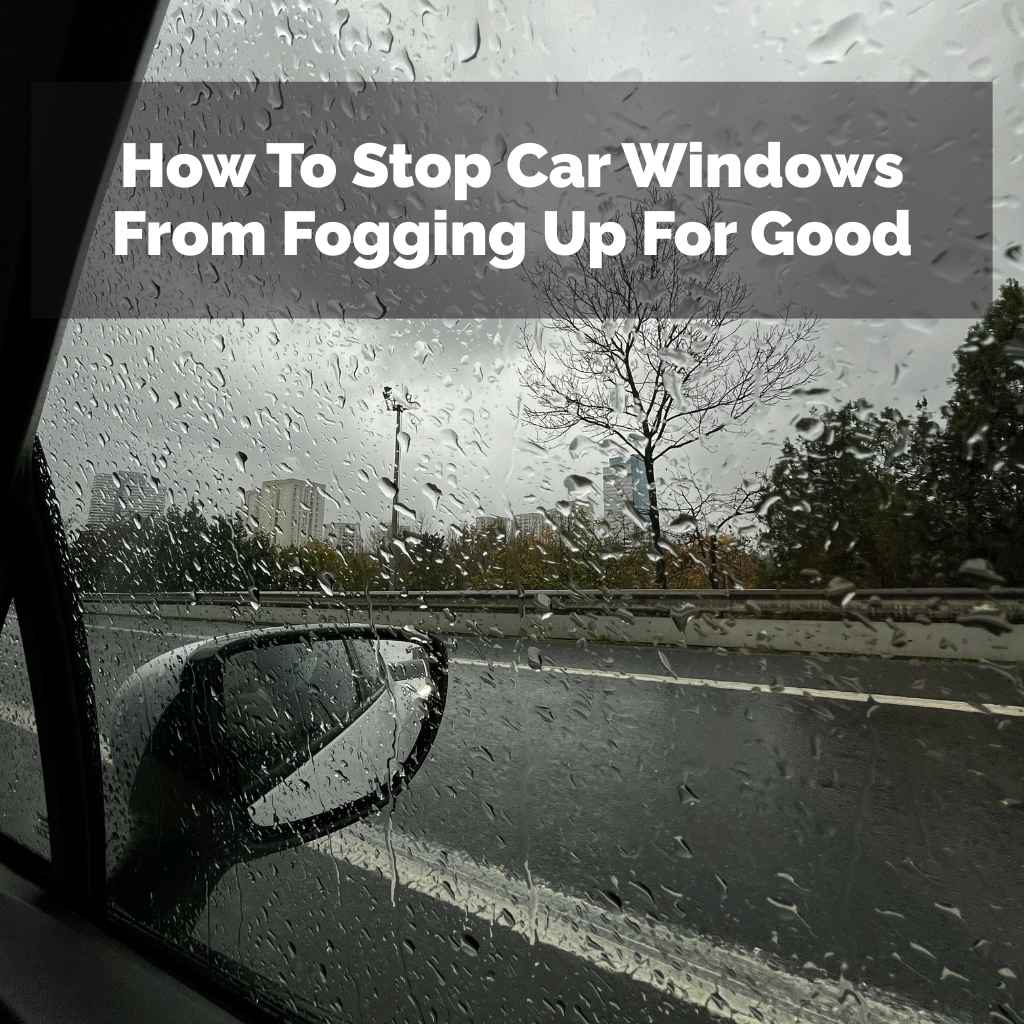
Car windows fog up when warm, moist air inside your car meets the cool surface of the glass. This causes condensation. Simple steps like using your car’s ventilation system correctly, keeping windows clean, and reducing moisture inside can prevent this.
Quick fixes include anti-fog sprays or a DIY solution using shaving cream.
Understanding Why Car Windows Fog Up
Car windows fog up because of condensation. This is science you can see! It happens when warm, moist air touches a cold surface.
Your car’s interior air can get very moist. This happens from things like breathing, wet clothes, or even spilled drinks. When this warm, humid air hits the cold glass of your windows, the water vapor in the air cools down.
It turns into tiny water droplets. These droplets cling to the glass. That’s what you see as fog.
Think about a cold can of soda on a warm day. Water droplets form on the outside of the can. This is the same idea.
The cold glass of your car windows is like the cold soda can. The air inside your car is like the warm, humid air around the can. The more moisture in the air, the worse the fogging will be.
The colder the windows are, the faster it happens.
So, the two main parts of the equation are: moisture inside the car and temperature difference between the inside air and the glass. If you can control these, you can control the fog. It’s not magic; it’s just how water works.
We just need to be smart about managing the conditions inside our car.

My Own Foggy Window Nightmare
I remember one particularly rough winter morning. It was freezing outside, well below zero. I had a very important meeting across town.
I rushed out to my car, hopped in, and BAM! The windows were completely covered in a thick layer of frost and fog. It was like a frosted bakery window.
I had my thick gloves on, and my breath was coming out in clouds. I started the car, turned the defroster on high, and waited. And waited.
It felt like forever. The fog just seemed to smirk at my efforts. I tried wiping it with my sleeve, but that just smeared it and made it worse.
I was getting really stressed. My hands were getting cold. I could barely see out of the windshield.
That day, I was almost late because of foggy windows. It made me realize how much we take clear visibility for granted. It also made me determined to find better ways to handle this common problem.
Common Causes of Interior Fog
Breathing: Every time we exhale, we release warm, moist air. In a closed car, this adds up quickly. This is especially noticeable with multiple passengers or when the car is cold.
Wet Items: Umbrellas, damp coats, wet shoes, or spilled drinks all add extra moisture to the air inside your car. Even a damp floor mat can contribute significantly.
Car Air Recirculation: Using the “recirculate” air setting can trap moist air inside. It stops fresh, drier air from coming in. This can make fogging worse.
Dirty Windows: Grime, oils, and residue on your windows give water vapor something to cling to. This can speed up the fogging process.
Temperature Fluctuations: When the outside temperature is very different from the inside temperature, the glass surface cools rapidly. This makes condensation more likely.
Using Your Car’s Ventilation System Smartly
This is probably the most effective way to stop car windows from fogging up. It’s about using the tools your car already has. Most people just blast the heat.
But that’s not always the best idea. The key is to manage both temperature and moisture. Your car’s climate control system is designed for this.
It has multiple functions that work together.
First, turn on your defroster. Most cars have a button with a wavy windshield symbol. Push that.
This directs air to the windshield. Make sure it’s set to blow air onto the front windshield. You might also want to turn on the rear defroster for the back window.
This usually uses heating elements embedded in the glass.
Next, think about the air source. You want to use the fresh air intake, not recirculate. The recirculate setting traps moist air inside.
It keeps the same humid air circulating. This makes fogging worse. Look for the button that shows an arrow coming from outside the car and going into the car.
This brings in drier outside air. It might feel cold at first, especially on a winter day. But this drier air will help dry out the moisture on your windows.
Then, adjust the temperature. You want to warm up the glass surface. This stops condensation from forming.
Start with a moderate temperature. If the windows are already fogged, you might need to turn the heat up. But the goal is not just heat; it’s dry heat.
The fan speed also matters. A higher fan speed will move more air. This helps to dry the windows faster.
You want a good flow of air over the glass.
Sometimes, using the air conditioning (A/C) can help, even in winter. The A/C system is a dehumidifier. It pulls moisture out of the air.
So, running the A/C along with the heat and fresh air intake can be a super-powered way to de-fog. It sounds strange, but it works by drying out the air before it hits the windshield. It’s a trick many people miss.
So, the steps are:
1. Turn on the defroster for the front and rear. 2.
Switch to the fresh air intake setting. 3. Set the fan to a medium to high speed.
4. Adjust the temperature to warm the glass. 5.
Consider using the A/C to dehumidify the air.
It might take a minute or two for the fog to clear. Be patient. Once it’s clear, you can often turn the fan speed down.
You might also be able to switch back to recirculate if the outside air is very cold. But always keep an eye on your windows. If you see fog starting to form again, go back to the fresh air setting.
Ventilation System Quick Guide
Defroster Button: Always the first step for foggy windows.
Air Source: Choose fresh air (arrow from outside) over recirculate.
Fan Speed: Medium to high helps dry air move faster.
Temperature: Warm air helps prevent condensation.
A/C Use: Use with heat in winter to dehumidify the air.
Keeping Your Windows Clean Inside and Out
This is a simple step that makes a huge difference. Dirty windows give condensation more places to stick. Think of it like this: dirt and oils on your glass create tiny surfaces.
Water droplets love to grab onto these. When your windows are clean, the water has a harder time forming visible fog. It can bead up and run down more easily.
For the inside of your windows, use a good quality glass cleaner. Spray it onto a clean microfiber cloth. Never spray directly onto the glass.
Spraying can cause cleaner to drip onto other parts of your car, like the dashboard. Wipe the glass in a consistent pattern. For example, wipe side to side on the windshield and up and down on the side windows.
This helps you see if you’ve missed any spots.
A common mistake is using paper towels. They can leave behind lint. This lint acts like tiny particles that fog can stick to.
Microfiber cloths are much better. They trap dirt and grime without leaving residue. You want a streak-free finish.
Take your time and make sure you get all the glass surfaces. This includes the very edges and corners of your windows.
Cleaning the outside of your windows is also important. While it doesn’t directly cause interior fog, it helps with overall visibility. It also prevents dirt from getting tracked inside.
When you clean the outside, use a different clean microfiber cloth or a separate section of the same cloth.
Don’t forget about your side mirrors. They can fog up too. Sometimes, a quick wipe with a dry cloth is enough.
Or you can use the same glass cleaner. Making window cleaning a regular habit is key. Maybe do it once a week or every other week.
This prevents dirt buildup.
Window Cleaning Tips
Use Microfiber Cloths: They are best for streak-free cleaning and trapping dirt.
Spray Cleaner on Cloth: Avoid spraying directly onto the glass.
Clean in Sections: Wipe in one direction for the outside and another for the inside.
Get the Edges: Don’t forget the corners and edges of the windows.
Regular Cleaning: Make it a habit to keep windows clean inside and out.
Reducing Moisture Inside Your Car
This is another big one for stopping car windows from fogging up. Less moisture in the air means less chance of condensation. We already talked about the ventilation system bringing in drier air.
But there are other things you can do to lower the overall moisture level in your car.
First, deal with wet items promptly. If you have wet coats, shoes, or umbrellas, try to remove them from the car. If you can’t, at least try to shake off as much water as possible before bringing them inside.
Place wet items in a plastic bag or a waterproof container. This stops the water from soaking into your car’s carpets and seats.
Check your floor mats. Many are made of rubber or carpet. Both can get saturated with water.
If they are very wet, take them out and let them dry. You can also put them in the sun for a bit if the weather is nice. This helps them dry out faster.
Remember, damp mats are a hidden source of moisture. They can keep your car smelling musty too.
Consider using moisture absorbers. These are small devices or packets designed to soak up excess humidity. You can buy silica gel packets or special car dehumidifier bags.
Place these in discreet locations in your car. Under the seats or in a door pocket are good spots. They work slowly but steadily to remove moisture from the air.
You might need to replace or dry them out periodically, depending on the type.
Be mindful of things like leaky door seals or windows. If you notice water getting into your car after rain or snow, get it fixed. A small leak can lead to a lot of trapped moisture over time.
Check the trunk as well. Water can get in there and cause issues.
Finally, when you’re driving, try to avoid bringing too much moisture in. For example, if you’re getting into the car with wet clothes, try to dry yourself off a bit with a towel before getting in. Small habits can make a big difference.
It’s all about being aware of the water vapor around you.
Moisture Control Checklist
Remove Wet Items: Umbrellas, coats, and shoes can add lots of moisture.
Dry Floor Mats: Waterlogged mats are a constant source of humidity.
Use Dehumidifiers: Small moisture absorbers can help maintain dry air.
Check for Leaks: Ensure doors, windows, and trunk seals are in good condition.
Wipe Down Surfaces: If the interior gets wet, dry it off promptly.
DIY and Commercial Anti-Fog Solutions
Sometimes, the standard methods aren’t quite enough, or you need a quick fix. There are several products and even some DIY tricks that can help stop car windows from fogging up. These create a barrier on the glass that prevents water droplets from forming so easily.
Commercial Anti-Fog Sprays: You can buy these at auto parts stores or online. They are specifically designed to prevent fogging on glass and mirrors. Follow the instructions on the product.
Usually, you spray it on a clean cloth and wipe the inside of the windows. Let it dry to a haze, then buff it off for a clear finish. These can last for a few weeks.
DIY Shaving Cream Method: This is a classic trick that many people swear by. Take a small amount of shaving cream (the foamy kind works best). Apply a thin layer to the inside of your car windows.
Then, buff it off completely with a clean, dry microfiber cloth. The residue left behind acts as an anti-fog coating. It’s cheap and surprisingly effective.
Just make sure to buff it all off so you don’t leave streaks.
DIY Dish Soap Solution: Mix a few drops of liquid dish soap with water in a spray bottle. Lightly spray this solution onto the inside of your windows. Then, wipe it off with a clean cloth.
The soap leaves a thin film that can help prevent fog. Be careful not to use too much soap, as it can cause streaks.
Window Wipes: Some companies make special wipes designed for car windows. Many of these have anti-fog properties. They are convenient for quick touch-ups on the go.
Cat Litter (as a passive dehumidifier): While not a direct anti-fog treatment, placing a breathable bag filled with clean, non-clumping cat litter (like silica gel crystals) in your car can absorb moisture. This passive approach can help reduce the overall humidity inside your car, thus reducing fogging over time.
When using any of these methods, remember that they are usually temporary. You will likely need to reapply them periodically. Also, always test a small area first to ensure it doesn’t affect your window tint or cause unwanted side effects.
The goal is clear visibility without making the glass dirty or streaky.
Quick Anti-Fog Options
Commercial Sprays: Easy to find and effective for a few weeks.
Shaving Cream: A cheap, DIY solution that works well.
Dish Soap Mixture: A simple water and soap spray can help.
Window Wipes: Convenient for on-the-go anti-fog treatment.
Cat Litter: Use as a passive moisture absorber in the car.
What This Means for Your Driving Safety
Foggy car windows aren’t just an inconvenience; they are a serious safety hazard. When your windows are fogged, your visibility is severely limited. This can lead to accidents, especially when you’re trying to merge into traffic, change lanes, or even just navigate your daily commute.
The National Highway Traffic Safety Administration (NHTSA) stresses the importance of clear visibility for safe driving. They point out that drivers need to be able to see hazards, other vehicles, pedestrians, and road signs clearly.
On a cold morning, the fog can appear very quickly. If you don’t have a plan, you might be tempted to drive with impaired vision. This is incredibly dangerous.
Even if you think you can see “enough,” the reduced field of vision can cause you to miss important cues. It can also make you react slower to unexpected situations. This split-second delay can be the difference between a close call and a serious crash.
Furthermore, trying to wipe away fog with your hands or a cloth while driving is a distraction. It takes your focus away from the road. This increases your risk of an accident.
It’s much safer to address the fogging before you start driving or to pull over safely if it becomes severe.
Understanding how to prevent fogging ensures you can maintain a clear view at all times. This is crucial for:
Seeing pedestrians and cyclists, especially at intersections or when turning. Spotting other vehicles and their movements.
Reading road signs and signals correctly. Navigating complex road conditions like curves or construction zones. * Reacting safely to sudden braking or swerving by other drivers.
Taking steps to keep your car windows clear is a vital part of responsible driving. It protects you, your passengers, and everyone else on the road. It’s a simple habit that has a profound impact on safety.
Always prioritize a clear view before you put your car in motion.
Safety First: Clear Windows Matter
Reduced Visibility: Foggy windows significantly limit what you can see.
Delayed Reactions: Impaired vision can lead to slower response times.
Distraction Risk: Wiping windows while driving takes your eyes off the road.
Crucial for Seeing: Essential for spotting pedestrians, cyclists, and other vehicles.
Protects Everyone: Clear visibility is key to preventing accidents.
When to Worry About Fogging
For the most part, foggy car windows are a normal part of driving, especially in certain weather conditions. However, there are times when excessive or persistent fogging might point to a bigger issue. It’s good to know when to investigate further rather than just treating the symptom.
Persistent Fogging Despite Best Efforts: If you’ve tried all the usual tips – ventilation, cleaning, moisture reduction – and your windows still fog up quickly and severely, something else might be going on. This could mean a leak you haven’t found yet, or a problem with your car’s HVAC system.
Fog That Smells Strange: Sometimes, a chemical smell can accompany fogging. This might indicate a coolant leak from your car’s heater core. Coolant is toxic and should not be inhaled.
If you smell a sweet or chemical odor, get your car checked by a mechanic immediately. This is a serious issue that needs professional attention.
Fog That Won’t Go Away: If the fog seems to linger even with the defroster on high and fresh air circulating, it could mean your defroster system isn’t working efficiently. This could be a clogged air filter, a fan motor issue, or a problem with the ductwork.
Water Pooling Inside the Car: If you find puddles of water on your floor mats or under them, that’s a clear sign of a leak. This excess moisture will inevitably lead to significant fogging. You’ll need to find and fix the source of the leak.
Mold or Mildew Growth: A constantly damp interior due to persistent moisture can lead to mold and mildew. This is bad for your health and indicates a serious moisture problem that needs to be addressed. You’ll likely see dark spots or a musty smell.
If you notice any of these signs, don’t just keep wiping your windows. It’s time to look deeper. A mechanic can inspect your car’s climate control system, check for leaks, and diagnose any other underlying problems that might be contributing to excessive fogging.
Addressing these issues will not only solve the fogging problem but also improve your car’s overall condition and air quality.
When to Seek Professional Help
Constant Fogging: If it persists despite cleaning and ventilation.
Strange Smells: Sweet or chemical odors could mean a coolant leak.
Defroster Inefficiency: If the defroster can’t clear the fog.
Water Leaks: Pooling water inside the car needs immediate attention.
Mold or Mildew: Indicates a persistent moisture issue.
Long-Term Habits for Clear Windows
Stopping car windows from fogging up isn’t a one-time fix. It’s about building a few good habits. Making these part of your routine will save you a lot of frustration and keep you safe.
These habits focus on prevention and quick, easy maintenance.
Regular Interior Window Cleaning: As we discussed, clean windows are less prone to fogging. Aim to give your inside windows a good clean at least once a month. This prevents that invisible film from building up.
A quick wipe down every week or two is even better.
Manage Moisture Daily:
Shake off water from coats and umbrellas before getting in. Store wet items in a plastic bag. * Check floor mats for excess moisture and dry them out.
Use Ventilation Wisely: Get used to how your car’s climate control works. Always try to use the fresh air setting when you first start driving if your windows are fogging. Experiment with the A/C in winter to see how it helps dehumidify the air.
Keep Your Car Tidy: Clutter can trap moisture. Try to keep the interior of your car as neat as possible. Remove old newspapers, empty cups, and anything else that might hold dampness or impede airflow.
Check Cabin Air Filter: A dirty cabin air filter can restrict airflow. This affects how well your defroster and A/C work. Check your car’s manual for recommendations on when to replace it.
A clean filter means better air circulation.
Inspect Seals and Drains: Periodically check your car’s door seals and window seals for damage. Also, ensure that any drain holes (often found in the cowl area near the windshield wipers) are clear of debris. Blocked drains can cause water to back up into the car.
By incorporating these simple habits, you’ll find that foggy windows become a much rarer problem. You’ll enjoy clearer visibility and a more comfortable driving experience. It’s about being proactive rather than reactive.
Small efforts lead to big results over time.
Your Long-Term Clear Window Plan
Consistent Cleaning: Regularly clean the inside of your windows.
Daily Moisture Check: Manage wet items and floor mats.
Smart Ventilation: Use fresh air and A/C as needed.
Tidy Interior: Reduce clutter that traps moisture.
Filter Maintenance: Keep your cabin air filter clean.
Seal Inspection: Check door and window seals for leaks.

Frequently Asked Questions About Foggy Car Windows
Why do my car windows fog up so quickly on the inside?
Car windows fog up on the inside when warm, moist air inside your car comes into contact with the cold glass surface. Your breath, wet clothes, or damp floor mats add moisture. This moist air cools on the glass and turns into tiny water droplets, creating fog. Using your car’s defroster with fresh air intake helps to remove this moisture and clear the windows.
Can I use a hairdryer to defog my windows?
Yes, a hairdryer can be used to help defog car windows in a pinch. Directing warm air onto the fogged area can speed up the evaporation process. However, it’s not a long-term solution and requires you to be parked. It’s best used as a quick fix before driving if your car’s defroster isn’t working immediately. Be careful not to overheat the glass.
Does cracking a window help stop car windows from fogging up?
Yes, cracking a window slightly can help. It allows the moist air inside your car to escape and be replaced by drier outside air. This helps to balance the humidity levels and reduce condensation. It’s a good temporary solution if your car’s ventilation system is struggling or if you don’t have access to fresh air settings easily.
Is it safe to drive with slightly foggy windows?
No, it is not safe to drive with significantly foggy windows. Reduced visibility is a major safety hazard. It impairs your ability to see other vehicles, pedestrians, road signs, and potential dangers. Always ensure your windows are completely clear before you start driving. If they fog up while driving, pull over safely and clear them.
How long does an anti-fog treatment usually last on car windows?
The longevity of anti-fog treatments can vary. Commercial anti-fog sprays and DIY treatments like shaving cream or dish soap typically last from a few days to a few weeks. It depends on factors like humidity levels, how often you open and close your windows, and the products used. Reapplication is usually needed periodically.
What’s the difference between interior and exterior fogging?
Interior fogging happens when warm, moist air inside your car meets cold glass, causing condensation on the inside surface. Exterior fogging occurs when warm, humid outside air hits cold windows from the outside, creating condensation on the exterior. The solutions for each are different; interior fog is addressed by managing moisture and airflow inside, while exterior fog might be cleared by using your wipers or slightly warming the glass.
Conclusion
Dealing with foggy car windows is a common challenge, but thankfully, it’s manageable. By understanding the simple science behind condensation and adopting smart habits, you can keep your view clear. Remember to use your car’s ventilation system wisely, keep those windows clean, and reduce moisture inside your vehicle.
A little effort goes a long way in ensuring your safety and comfort on the road. Enjoy your clear drives!
Products related to this article
Sponsored / affiliate links. As an Amazon Associate I earn from qualifying purchases. I may earn additional commission from eligible campaigns.