How To Absorb Moisture In Car: Quick & Easy Fixes
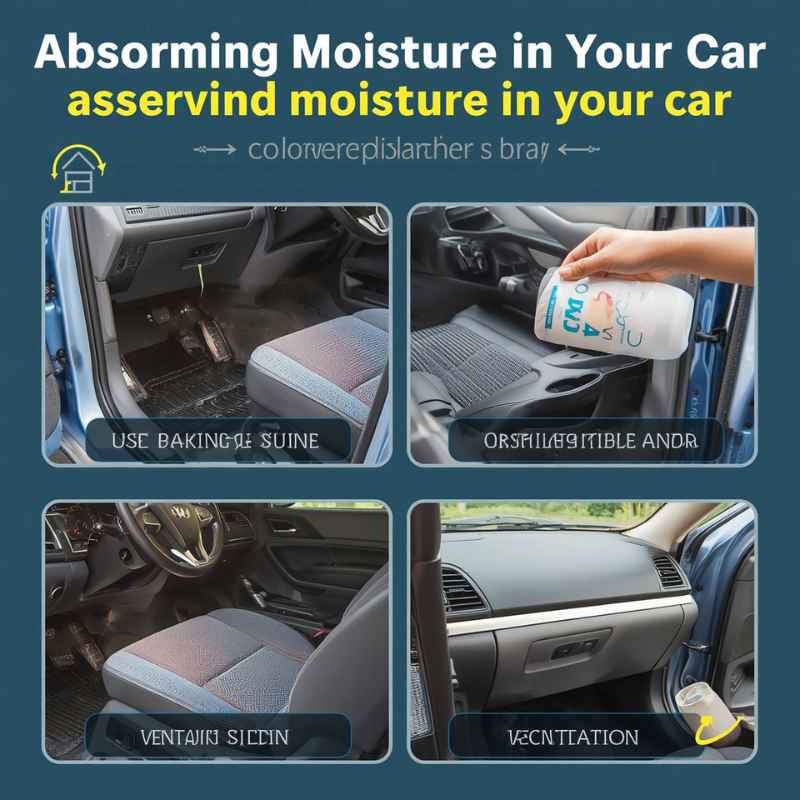
The best way to absorb moisture in a car involves identifying the source of the dampness, then using simple tools like silica gel packs, baking soda, or even a car dehumidifier. Regular ventilation and checking for leaks are key preventative steps to keep your vehicle dry and smelling fresh.
Understanding Car Moisture
Moisture in your car isn’t just an annoying smell. It’s water vapor hanging around. This can come from many places.
Rain, snow, or even just the air we bring in can add water. When this water hits cool surfaces, it turns into tiny droplets. This is called condensation.
It’s the same thing you see on a cold glass of iced tea.
This dampness can make your car feel sticky. It can also cause problems over time. Mold and mildew love damp places.
These can smell bad and even be unhealthy. They can also damage your car’s interior. Knowing why it’s happening helps you fix it.
It also helps you stop it from coming back.
My First Encounter with a Damp Car
I remember one particular summer. It rained almost every single day. I lived in an apartment then and had to park my car outside.
After each downpour, I’d hop in, and it felt like walking into a sauna. The windows were all foggy. The seats felt a little clammy, too.
At first, I just rolled down the windows. That helped a bit.
But then I noticed a faint, musty smell. It was like old gym socks. I started to get worried.
I’d heard stories about mold growing in cars. That thought made me a little panicked. I tried leaving the windows open whenever I parked.
But it was still raining! It felt like a losing battle. I knew I needed a better plan to absorb moisture in car interiors.
What Causes Car Moisture?
Everyday Sources:
- Wet Items: Bringing in wet umbrellas, coats, or gym bags adds moisture.
- Footwear: Damp shoes track water into the car.
- Breathing: We naturally exhale water vapor.
- Spills: Forgotten drinks can leak and add dampness.
Environmental Factors:
- Rain & Snow: Obvious water sources that get tracked in.
- Humidity: High outside humidity means more water in the air.
- Car Washes: Even a quick wash can leave residual dampness.
Vehicle Issues:
- Leaky Seals: Door and window seals can wear out.
- Blocked Drains: Sunroof drains can get clogged.
- AC Issues: The air conditioning system removes moisture. Problems here can increase humidity.
Simple Fixes to Dry Your Car
You don’t need fancy gadgets to tackle moisture. Many simple things work well. Let’s look at some easy ways to dry out your car.
These methods are budget-friendly and effective. They tackle both the dampness and the smells it brings.
Silica Gel Packs
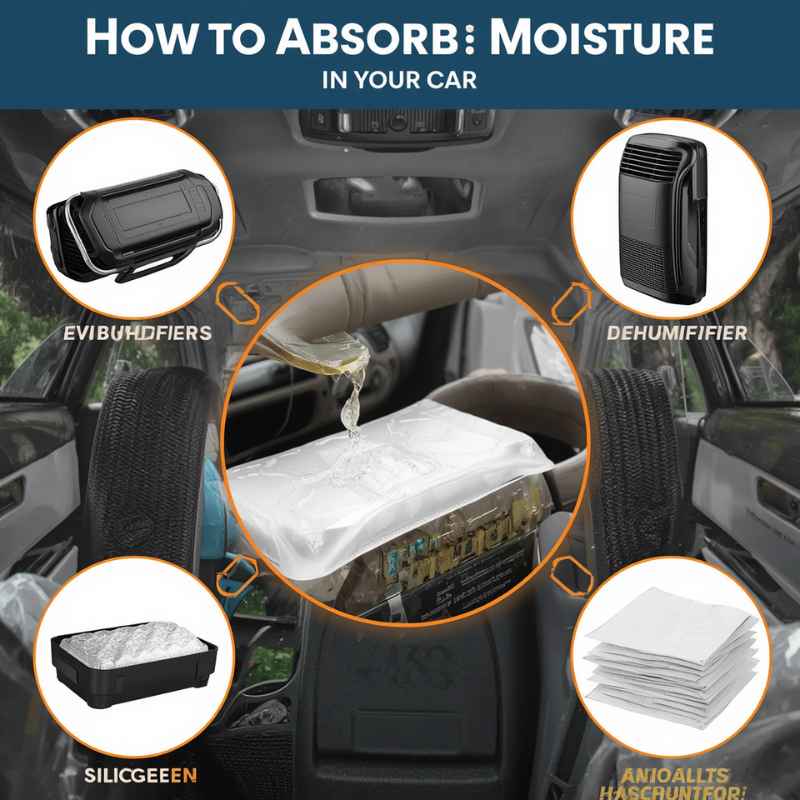
You know those little packets you find in new shoes or electronics? Those are silica gel. They are amazing at soaking up moisture.
You can buy large silica gel packs online or at craft stores. They often come in reusable forms. You can dry them out in a low oven or in the sun.
Place these packs in areas where moisture collects. Common spots are under the seats, in door pockets, or in the trunk. They work slowly but surely.
They pull water vapor from the air. It’s like having tiny dehumidifiers scattered around your car. Keep an eye on them.
When they feel heavy or damp, it’s time to dry them out again.
Baking Soda
Baking soda is another wonder product. It’s cheap and readily available. It not only absorbs moisture but also helps get rid of odors.
Open a box of baking soda. You can place it directly on a shallow dish or tray. Put this in your car, perhaps on the floor or in a cup holder.
For a less messy option, you can put baking soda in old socks or fabric bags. Poke some holes in them. This makes it easier for the moisture to get in.
Place these DIY packets around the car. Change the baking soda every week or two. It will absorb the dampness and neutralize smells.
It’s a great way to absorb moisture in car
DIY Moisture Absorbers:
The Baking Soda Sock Method
- Get a clean, old sock.
- Fill it about halfway with baking soda.
- Tie the top securely.
- Place it under a seat or in a corner.
- Replace every 2 weeks.
Silica Gel Packet Revival
- Place used silica gel packs on a baking sheet.
- Heat in oven at low temperature (around 200°F or 93°C).
- Bake for 1-2 hours, or until dry.
- Let cool completely before reuse.
Cat Litter (Non-Clumping)
Yes, cat litter! But only the non-clumping kind. Clay-based litter is very absorbent.
It’s designed to soak up liquid and odor. You can put some non-clumping clay cat litter into a porous bag or old sock. Tie it up well.
Place these bags in areas prone to dampness.
This works similarly to baking soda. The clay particles draw moisture from the air. It’s a surprisingly effective method.
Just make sure the bag is secure so litter doesn’t spill. Check it periodically. When it seems saturated, you can usually dispose of it and refill with fresh litter.
Car Dehumidifier Boxes
You can buy special car dehumidifier boxes. These often contain crystals that absorb moisture. They are usually small and discreet.
You can place them under seats or in cup holders. Some are designed to be reusable. You can dry them out when they’re full.
These boxes are made for this exact purpose. They can be a bit more expensive upfront than baking soda. But they can be very convenient.
They often have a indicator window that shows when they’re full. This makes it easy to know when to dry them. They offer a set-it-and-forget-it approach for a while.
Getting Air Flow Right
Sometimes, the simplest solution is the best. Getting air to move through your car can make a big difference. Trapped moisture has nowhere to go.
Letting fresh air in helps it escape.
Crack the Windows
This is the most basic step. When you park your car in a safe place, leave the windows cracked just a tiny bit. Even a millimeter gap can allow air to circulate.
This is especially helpful on dry, breezy days. It lets humid air out and drier air in.
Be cautious with this method. If you live in an area with heavy rain or theft concerns, it might not be ideal. But on fair weather days, it’s a free and easy way to help your car dry out.
It prevents that stuffy, trapped feeling.
Ventilation After Driving
After you’ve been driving, especially if it was raining or humid, take a moment before you shut the car off. Open all the doors for a minute or two. This lets the warm, moist air inside escape.
Then, when you turn the car off, consider leaving the windows cracked for a short while if safe to do so.
This small action helps dissipate trapped moisture. It prevents it from settling on surfaces overnight. Think of it as giving your car a quick chance to breathe.
It’s a habit that makes a difference over time.
Quick Airflow Tips:
- Crack Windows: Safely leave windows ajar when parked.
- Door Air-Out: Open all doors for a minute after driving.
- Sunlight: Park in the sun with windows cracked.
- Fan Power: Use a small battery-powered fan if needed.
Deep Cleaning for Hidden Dampness
Sometimes, the moisture has settled into fabrics. Or maybe you had a spill you didn’t quite clean up. A deeper clean can remove this hidden dampness and its associated smells.
Clean Floor Mats and Carpets
Your car’s floor mats and carpets are prime spots for moisture. If they’re removable, take them out. Lay them out in the sun to dry completely.
If they’re still damp, you can try cleaning them with an upholstery cleaner. Make sure they dry thoroughly before putting them back in.
For carpets, use an absorbent towel to soak up any visible dampness. You can also use a wet-dry vacuum if you have one. Once they’re as dry as possible, a sprinkle of baking soda left overnight can help absorb any lingering moisture and odors.
Then, vacuum it all up thoroughly.
Check Under the Seats
Moisture can hide in the often-forgotten areas. Look under your car seats. This area can collect condensation.
It’s also where items might get pushed and forgotten. Make sure it’s dry. You can use a towel to wipe it down.
If there’s a lot of dampness, you might need to use a dehumidifier pack here.
This is also a good time to check for any old spills or debris. Anything organic can trap moisture and start to smell. Cleaning these out helps.
It also prevents the area from becoming a breeding ground for mildew.
Clean Out the Trunk
The trunk is another common area for moisture to gather. Water can seep in through the seals. Or, items stored there might be damp.
Empty your trunk completely. Check the spare tire well for any signs of water. Wipe down all surfaces with a dry cloth.
If you use your trunk for sports gear, groceries, or anything that might be wet, be mindful. Consider using a waterproof liner. This protects the trunk from spills and moisture.
A clean, dry trunk is a happy trunk.
Deep Clean Checklist:
- Remove Mats: Take out all floor mats to dry.
- Carpet Check: Blot up spills and use baking soda if needed.
- Seat Undersides: Wipe down and ensure dryness.
- Trunk Scan: Check for water and clean surfaces.
- Window Sills: Wipe down window tracks where water can sit.
Preventing Future Moisture Issues
The best way to deal with moisture is to stop it from becoming a problem. Prevention is key. A few simple habits can keep your car dry and smelling fresh.
Regularly Inspect Seals
Your car’s door, window, and trunk seals are the first line of defense against water. Over time, these rubber seals can crack or wear out. This allows water to seep in.
Take a look at them periodically. If you see any damage, consider getting them replaced.
Even small cracks can let in a surprising amount of water, especially during heavy rain or car washes. Keeping these seals in good shape is an important step. It helps you absorb moisture in car before it even starts.
Check Drain Tubes
Cars have various drain tubes. Sunroofs and air conditioning systems have them. These are designed to channel water away from the car’s interior.
If these tubes get clogged with leaves or debris, water can back up. It might then find its way into the cabin.
You can often clear these yourself. Sometimes a gentle blast of compressed air works. Or, you might need a thin, flexible tool.
If you’re unsure, a mechanic can check them for you. Keeping them clear is crucial.
Use Your AC System
Your car’s air conditioning system isn’t just for cooling. It’s also a dehumidifier. Running your AC, even on cooler days, can help remove moisture from the air inside the cabin.
If you notice condensation, turning on the AC for a few minutes can help clear it up quickly.
Make sure your AC system is in good working order. If it’s not cooling well, it might also not be dehumidifying effectively. Regular maintenance is a good idea.
Proactive Prevention:
Seal Check:
Inspect rubber seals around doors, windows, and trunk for cracks. Clean them gently and consider replacement if damaged.
Drain Tube Duty:
Locate and clear drain tubes (e.g., sunroof drains) from debris. Use compressed air or a flexible tool.
AC Use:
Run your air conditioning regularly, even on cooler days, to dehumidify the cabin air.
Interior Drying:
Wipe down interior surfaces after rain or snow to remove surface moisture.
When to Call a Professional
While most moisture issues can be fixed at home, there are times when it’s best to seek expert help. If you’ve tried everything and your car remains persistently damp, there might be a bigger problem.
This could include a hidden leak that’s hard to find. Or, it could be an issue with your car’s ventilation system. A mechanic has the tools and experience to diagnose and fix these more complex problems.
They can also perform professional drying and odor removal if needed.
What This Means for You
Dealing with moisture in your car is a common issue. It happens to many drivers, especially in certain climates or seasons. The good news is that it’s almost always manageable.
By understanding where the moisture comes from and using simple, effective methods, you can keep your car dry and fresh.
The key is to be observant. Notice when your car starts to feel damp or smell musty. Don’t let it go for too long.
Small, consistent efforts can prevent big problems. This knowledge empowers you to maintain your car’s interior better. It leads to a more comfortable and healthier driving experience.
Quick Fixes and Tips Recap
Let’s quickly go over the most effective ways to absorb moisture in car interiors:
- Silica Gel Packs: Great for ongoing moisture absorption. Dry them out and reuse.
- Baking Soda: Absorbs moisture and odors. Easy and cheap.
- Cat Litter: Non-clumping clay litter in porous bags works well.
- Window Cracks: Allow airflow when parking in safe areas.
- Ventilation: Open doors to let humid air out after driving.
- Deep Clean: Don’t forget floor mats, carpets, and trunk.
- Preventative Checks: Inspect seals and drain tubes regularly.
Frequently Asked Questions
Why does my car smell musty even when it’s dry outside?
A musty smell usually means there’s hidden mold or mildew growth. This happens when moisture has been present for a while, even if it’s dry now. The mold feeds on dampness in fabrics, carpets, or upholstery.
You need to find the source of the moisture and thoroughly clean and dry the affected areas to eliminate the smell.
How quickly can I dry out my car?
For light dampness, you might notice improvements within a day or two with good ventilation and absorbers. For heavier moisture, or if it’s seeped into the padding of your seats and carpets, it can take several days to a week. Professional drying services can speed this up significantly.
Can I use a household dehumidifier in my car?
You can, but it’s not the most practical solution. Household dehumidifiers are usually too large to fit comfortably and safely in a car. They also require a power source.
Small, portable car dehumidifiers or DIY absorbers like silica gel packs are better suited for automotive use.
Is condensation on my car windows bad?
A little condensation now and then is normal, especially in changing temperatures. However, if your windows are constantly fogging up inside, it indicates excess moisture in the car. This excess moisture can lead to mold, mildew, and damage to your car’s interior over time.
How do I check for leaks in my car?
The easiest way is to have someone spray your car with a hose while you check inside for drips or damp spots, especially around doors, windows, and the sunroof. You can also look for wet spots on the floor mats or carpets after it rains. Check the trunk for dampness as well.
Should I leave my car windows open all the time?
It’s generally not recommended to leave them open all the time. This exposes your car’s interior to the elements, dust, dirt, and potential security risks. It’s best to crack them open for a short period when safe to do so, especially on dry, breezy days, or after driving to allow ventilation.
Conclusion
Keeping your car dry is an ongoing task, not a one-time fix. By using these simple methods and being mindful of potential moisture sources, you can easily manage dampness. Your car will stay fresh, comfortable, and protected from damage.
Enjoy a drier, cleaner ride!
Products related to this article
Sponsored / affiliate links. As an Amazon Associate I earn from qualifying purchases. I may earn additional commission from eligible campaigns.

![ME.FAN Car Coasters for Cup Holders [4 Pack] - 2.75In Silicone Auto Mug Mats - Universal Non-Slip Recessed Car Interior AccessoriesDeep Grey](https://m.media-amazon.com/images/I/41CrYnJqMhL._SL500_.jpg)