Best Auto Insurance for Old Cars
The best auto insurance for an old car comes down to how you use it: daily drivers usually need standard coverage, low-value cars may fit liability-only, and limited-use collectibles often belong on classic-car insurance. Pick the wrong policy and you can overpay, or end up short after a crash, theft, or total loss. This guide shows how mileage, value, and use shape the choice.
What matters most on an older car?
Start with three facts: what the car is worth, how often you drive it, and whether a lender still has a claim on it. State minimum liability still applies in most states, even on an older car. After that, the answer splits fast between daily use, low-value transportation, and collector use.
Liability still comes first
Liability pays for injuries and property damage you cause to others. Every state except New Hampshire requires some type of basic car insurance, and that requirement still applies whether the car is new or old. If you own the car free and clear, liability is the floor. (Caranddriver)
Why value and use change the answer
Comprehensive and collision protect your car, but only if the payout is worth the premium. Collision insurance is based on the value of your car, and some old cars may not be worth keeping collision coverage on. Theft exposure, garage storage, and annual mileage also matter.
Old car, classic car, and antique car are not the same
These labels are often blurred, but the insurance choice differs for each. A high-mileage used sedan, a garage-kept weekend car, and a show car should not get the same policy. Car and Driver says classic cars are over 20 years old and are not the primary mode of transportation.
Standard coverage vs. classic-car coverage
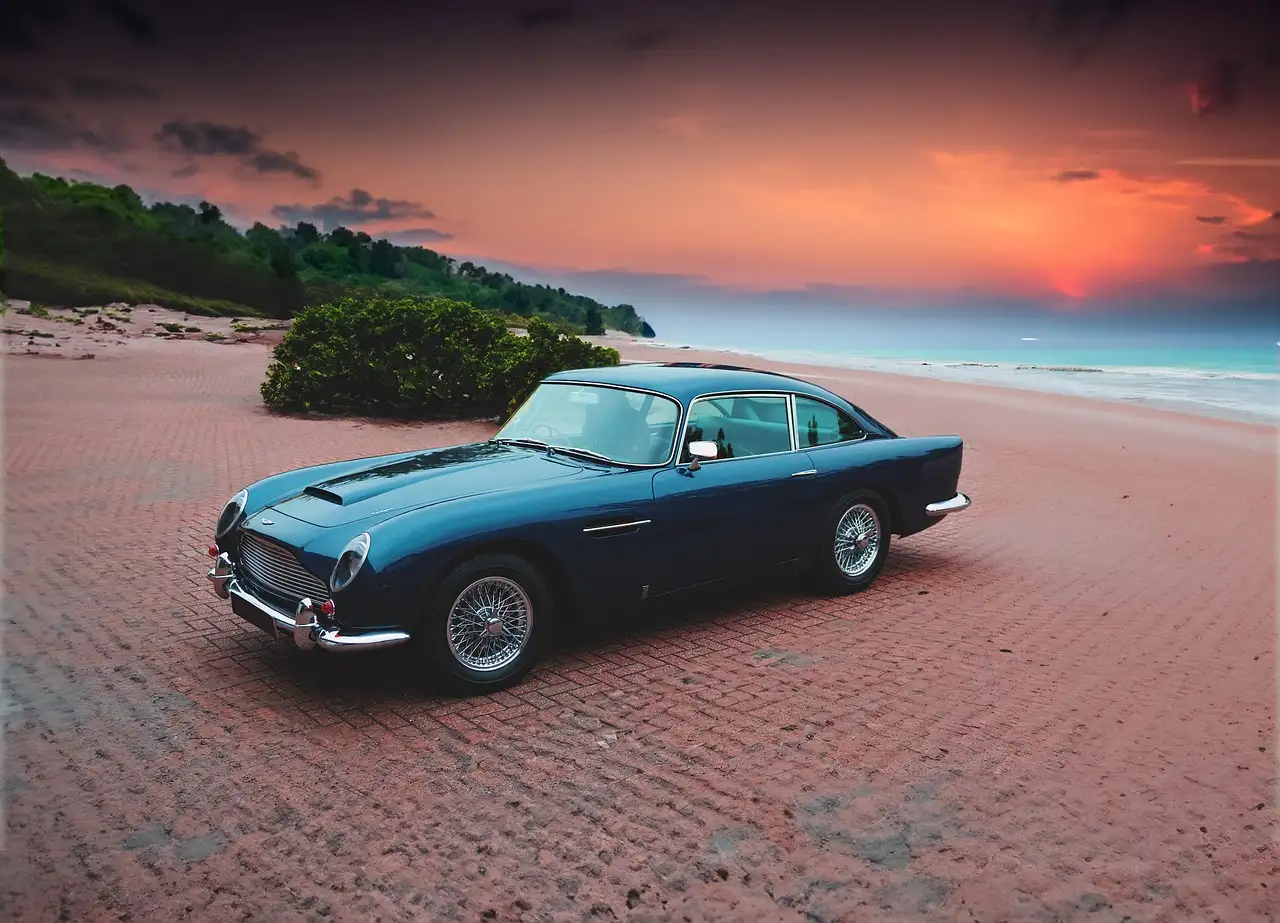
The trade-off is direct: standard insurance fits normal driving, while classic-car coverage fits limited use and may price the car by agreed value instead of actual cash value. Classic policies can be cheaper than ordinary auto insurance, but they usually come with mileage, storage, and pleasure-use rules.
| Coverage type | Best use | How payout is handled | Common restrictions |
|---|---|---|---|
| Standard auto insurance | Daily driver, commuter, high-mileage used car | Actual cash value after a covered loss | Few use limits; lender may require full coverage |
| Liability-only | Low-value older car you can afford to lose | Does not pay for damage to your car | Still must meet state minimums |
| Classic-car insurance | Garage-kept hobby car, show car, weekend car | Agreed value set ahead of time | Mileage caps, storage rules, pleasure-use rules |
Liability-only, comprehensive, and collision at a glance
Liability covers others. Comprehensive covers theft, vandalism, fire, hail, and other non-collision losses. Collision covers accident damage to your car. On an older vehicle, the question is not whether these coverages exist; it is whether the payout would justify the extra premium.
Agreed value versus actual cash value
Classic-car insurance often uses agreed value, a pre-set payout amount you and the insurer accept in advance. That matters if the car is rare, restored, or likely to rise in value. Standard auto policies usually settle total losses on actual cash value, which can be lower and less predictable.
Mileage, storage, and pleasure-use rules
Classic-car policies often screen eligibility on annual mileage and how the car is used. Classic Auto Insurance says it has offered coverage since 1992, and tiered mileage plans are common in this market. Some carriers quote only after they confirm the car is stored properly and used for pleasure, not commuting.
Should you keep full coverage on an old car?
Keep full coverage when the car still has enough value to make a claim worth filing, or when a lender requires it. Drop collision first when the repair payout would be too small to matter. Keep comprehensive longer if theft, fire, or vandalism would be expensive to replace out of pocket.
When collision still makes sense
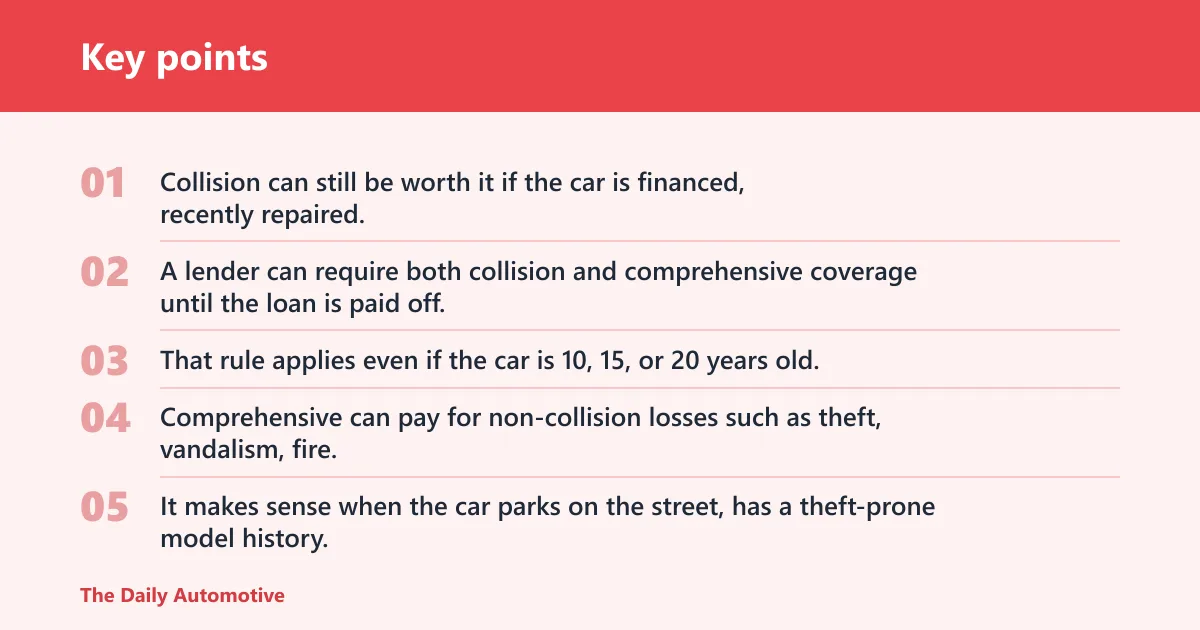
Collision can still be worth it if the car is financed, recently repaired, or still valuable enough that a total loss would hurt. A lender can require both collision and comprehensive coverage until the loan is paid off. That rule applies even if the car is 10, 15, or 20 years old.
When comprehensive still makes sense
Comprehensive can pay for non-collision losses such as theft, vandalism, fire, glass damage, and storm damage. It makes sense when the car parks on the street, has a theft-prone model history, or would be costly to replace. A low repair bill does not always mean low loss exposure.
When to drop one or both
Drop collision when the annual cost plus deductible makes little sense versus the car’s value. Drop comprehensive when the premium is close to what the car might be worth after a covered loss. A common rule of thumb is to compare the deductible and yearly premium with the realistic settlement amount, then decide if the math still works.
Say your 17-year-old commuter is worth about $3,000 and carries a $1,000 collision deductible. If the premium for collision is close to the likely payout, the protection may be thin. If the same car is parked on the street and theft is a real concern, comprehensive may still be worth keeping.
What to insure on an old car
The right policy tracks the vehicle’s job. A daily driver needs different protection than a garage-kept collector car. Use the table below as a practical starting point, then confirm any lender, storage, or mileage rule before you buy.
| Vehicle type | Annual mileage | Storage | Loan status | Recommended coverages | When to drop collision/comprehensive |
|---|---|---|---|---|---|
| Daily driver older car | 8,000+ miles | Street or driveway | Often paid off, sometimes financed | Liability, comprehensive, collision, roadside assistance, rental reimbursement if the budget allows | Usually only when the car’s value drops enough that a payout would not justify the premium |
| Low-value commuter | 6,000 to 12,000 miles | Any regular parking spot | Usually paid off | Liability minimums, maybe comprehensive if theft or weather risk is high | Often a good candidate for dropping collision first; consider dropping comprehensive if replacement value is very low |
| Garage-kept classic | Typically under 5,000 miles | Private garage or secure storage | Usually paid off | Classic-car policy with agreed value, limited liability, and optional roadside help | Do not treat this like a normal commuter policy; collision and comprehensive are usually handled inside the specialty policy design |
| Restored collector vehicle | Often 1,000 to 7,500 miles depending on the carrier | Climate-controlled or secure garage preferred | Usually paid off | Agreed value, collision, comprehensive, towing, and specialty coverage for parts or restoration work if offered | Drop only after checking how the insurer values the car and whether the restoration has changed the agreed amount |
When does classic-car insurance fit?
Classic-car insurance fits collector and antique use, not normal commuting. It is meant for cars driven sparingly, stored carefully, and valued differently from regular transportation. If the car is your main ride, a classic policy may reject the quote or strip away the benefits you want.
Collector and antique use
Classic-car policies usually work best for hobby cars, show cars, weekend cars, and restored vehicles that are not the primary mode of transportation. Car and Driver says classic cars are not the primary mode of transportation. That is the core divide, more than age alone.
Mileage caps that can block eligibility
Mileage limits can decide whether you qualify at all. NerdWallet lists annual mileage options from American Collectors as 2,500, 5,000, or 7,500, and American Modern mileage options as 1,000, 3,000, 6,000 or unlimited. Those limits are not a footnote; they are an eligibility test.
Storage and usage rules that matter
Many specialty policies want a garage, locked storage, or another secure place to keep the car. Pleasure-use rules often exclude daily commuting, school runs, and routine errands. Some carriers also ask whether the car is driven only for club events, shows, or weekend outings.
Suppose a 1978 coupe is driven 1,800 miles a year, kept in a locked garage, and used for weekend meets. That profile fits a specialty quote much better than a policy for a 19-year-old sedan used for weekday commuting. One variable changed, and the insurance choice changed with it.
Choose standard coverage if… / Choose classic-car coverage if…
Choose standard coverage when the car still acts like transportation. Choose classic-car coverage when the vehicle acts like a hobby asset. The decision turns on use, value, and whether the policy should protect a commuter or a collector item.
| Choose standard coverage if… | Choose classic-car coverage if… |
|---|---|
| You drive the car most days | You drive it only for pleasure, shows, or weekend use |
| You need broad quote options from big-name insurers | You can meet mileage caps and storage rules |
| The car’s value is low enough that collision would not pay well | The car has collector value or rising value and needs agreed value |
| You want a simple policy for a commuter or high-mileage used car | You want specialty handling for restoration, show use, or antique ownership |
Which companies offer older-car coverage?
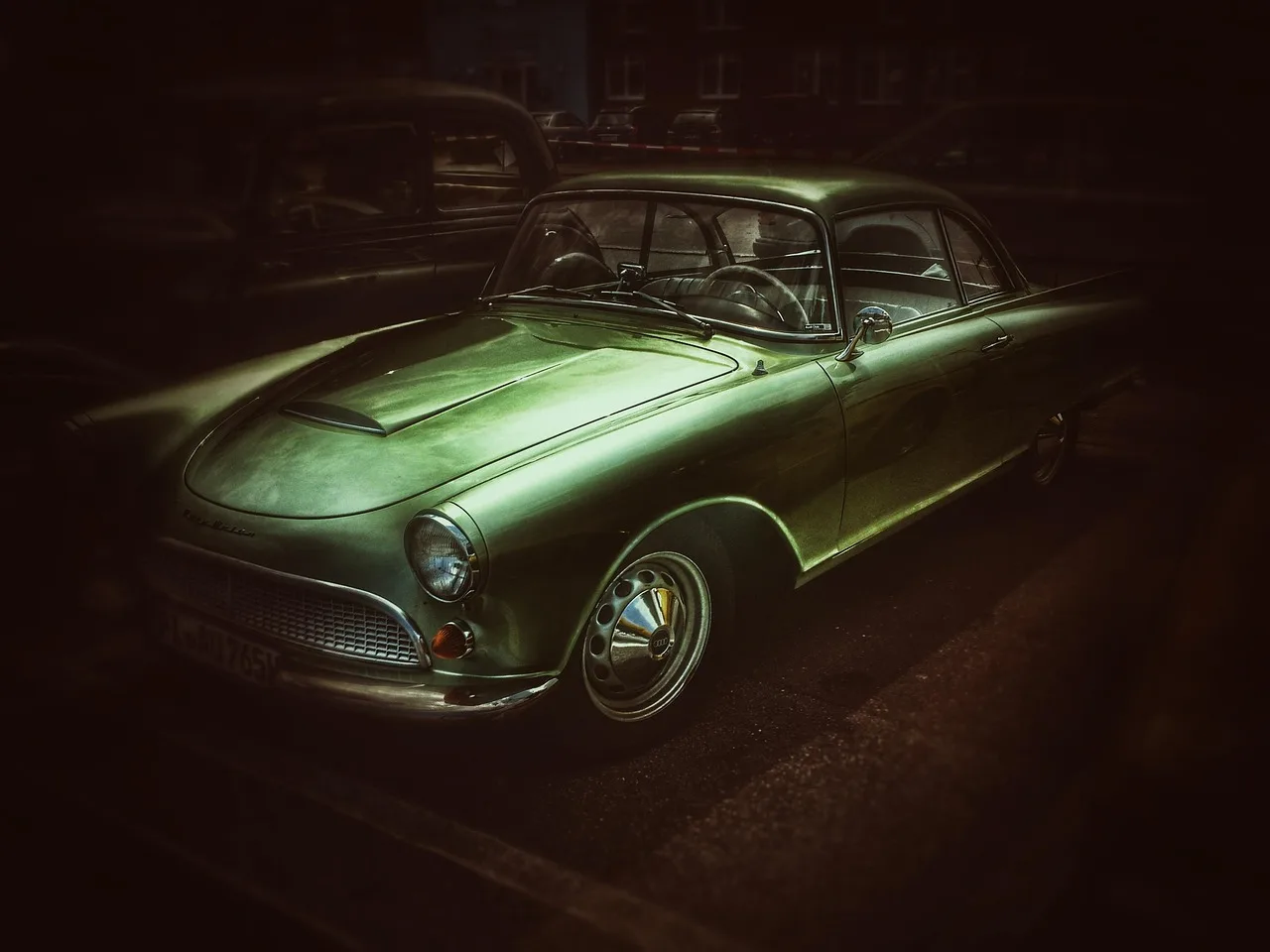
Both specialty insurers and major carriers can be useful, but they do different jobs. Specialty companies are often stronger for mileage caps, agreed value, and collector use. Big-name insurers may be better for older cars that still see regular driving. Compare eligibility before you assume one market is cheaper.
Specialty classic-car insurers
Grundy, Hagerty, Heacock, American Collectors, and J.C. Taylor are among the specialty names shoppers often compare. The same source says Hagerty is best for classic car extras, Grundy is best for classic cars rising in value, and American Collectors is best for emergency expenses coverage. Those are use-case distinctions, not universal winners.
Big-name insurers with classic options
State Farm, Farmers, Allstate, GEICO, Progressive, Nationwide, and USAA may offer older-car or classic-car options, sometimes through specialty partnerships or specific eligibility rules. NerdWallet identifies Safeco as best for regular use of a classic car. That can matter if the car is old but still sees frequent road time.
How to compare quotes and eligibility
Start with how the car is used, then compare the policy type, mileage rule, storage requirement, and payout method. Ask whether the quote uses agreed value or actual cash value. Also confirm whether roadside assistance and rental reimbursement are available, since older cars can be more repair-sensitive after a claim.
- List the car’s real job: daily driver, weekend car, show car, or commuter.
- Estimate annual mileage and check whether the insurer has a cap.
- Check storage rules, including garage or secure parking requirements.
- Confirm whether a loan or lease requires collision and comprehensive.
- Compare liability, comprehensive, collision, roadside assistance, and rental reimbursement.
- Ask whether the policy pays actual cash value or agreed value after a total loss.
State minimum liability is still required in most places, and classic-car policies often have mileage or storage rules. If the car is financed, collision and comprehensive may be mandatory. If the car is low in value, dropping one or both can make sense, but only after you run the numbers and check eligibility.
Frequently asked questions
Is it more expensive to insure an old car?
Not always. An old car can be cheaper to insure if it has low value and you drop collision or comprehensive. It can also cost more if parts are hard to find, repair bills are high, or the car is a theft risk. Value and use matter more than age alone.
Is car insurance cheaper for older cars?
Sometimes, yes. Older cars often have lower comprehensive and collision costs because the insurer’s potential payout is smaller. But a well-kept older car with expensive repairs, lender-required coverage, or a theft-prone model can still be expensive to insure. Compare the premium with the car’s actual replacement value.
What’s the best auto insurance for seniors?
The best auto insurance for seniors is the one that fits the car’s use, the driver’s mileage, and the need for price stability. For older cars, that often means comparing standard and specialty quotes, then checking whether the policy rewards low mileage or garage storage. Age alone should not drive the decision.
Why are older cars more expensive to insure?
Older cars can cost more to insure when parts are scarce, repairs are labor-heavy, or the model is stolen often. A financed older car may also need full coverage, which raises cost. If the premium is high relative to the car’s value, the coverage mix may need to change.
Should I keep collision coverage on an old car?
Keep collision only if the payout would be meaningful after the deductible. If the car is worth little and the premium is close to the likely claim payment, collision may not make sense. If a lender requires it, keep it until the loan is gone, even on an older vehicle.
When does an old car qualify as a classic car?
Age is part of the answer, but use matters more. Car and Driver says classic cars are over 20 years old and are not the primary mode of transportation. A car can be old without qualifying for classic-car insurance if it is driven daily or fails storage and mileage rules.
Products related to this article
Sponsored / affiliate links. As an Amazon Associate I earn from qualifying purchases. I may earn additional commission from eligible campaigns.