Do Hybrid Cars Cost More to Service
Lots of people wonder, Do Hybrid Cars Cost More to Service? It can seem a bit tricky when you first think about it, especially if you’re used to regular gas cars. You might worry about special parts or complicated systems. But don’t fret!
We’ll break it down in a way that’s super easy to follow. You’ll get a clear picture of what to expect, and we’ll show you exactly what you need to know, step by step. Let’s get started and demystify hybrid car maintenance.
Understanding Hybrid Car Service Needs
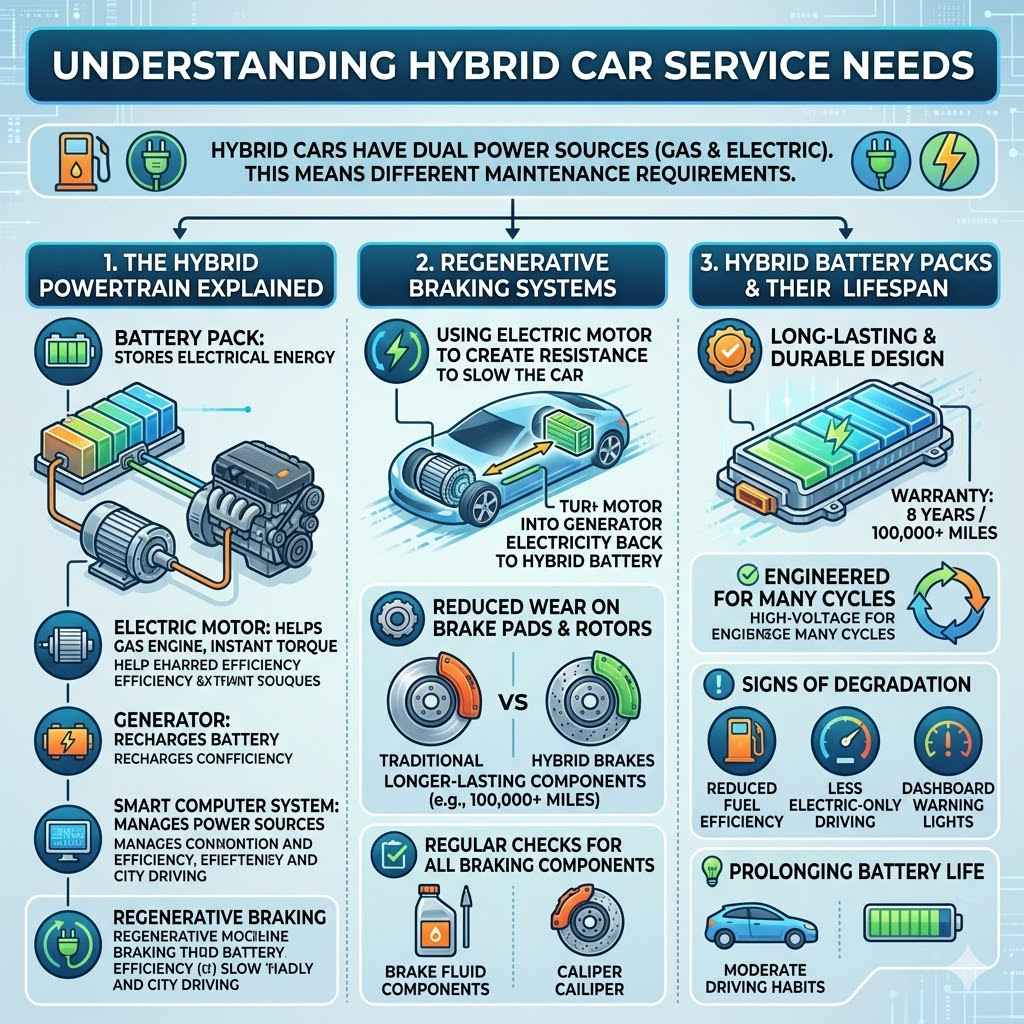
Hybrid cars have two power sources: a gasoline engine and an electric motor. This setup means they have different maintenance needs compared to traditional vehicles. While they share some common service points, the hybrid-specific components require specialized attention.
This section will explore these unique aspects and explain why they matter for keeping your hybrid running smoothly. We’ll cover the systems that make hybrids different and how that impacts their upkeep.
The Hybrid Powertrain Explained
A hybrid powertrain is a smart combination of a gasoline engine and an electric motor. The electric motor helps the gas engine, making the car more fuel-efficient. It can also power the car on its own at low speeds.
This system includes a large battery pack, an electric motor, and a generator. These parts work together seamlessly, managed by a sophisticated computer system. The goal is to use less gas and reduce emissions.
This intricate dance of power sources is what makes hybrids stand out.
The battery pack is a key component of the hybrid system. It stores electrical energy that powers the electric motor. When you brake, the system can capture energy and store it back in the battery, a process called regenerative braking.
This captured energy is then used to help accelerate the car or power the electric motor. The battery is designed to last for many years, often for the life of the vehicle, but it is a component that might eventually need attention.
The electric motor provides instant torque, which means quick acceleration from a stop. It also allows the car to drive on electricity alone for short distances, especially at lower speeds. This electric-only driving is what makes hybrids so quiet and efficient in city traffic.
The motor and generator work together to seamlessly switch between power sources or combine them for maximum performance.
Regenerative Braking Systems
Regenerative braking is a clever feature in hybrid and electric vehicles. Instead of using friction like traditional brakes to slow down, it uses the electric motor to create resistance. This resistance slows the car, and at the same time, it turns the motor into a generator.
This generator then sends electricity back to the hybrid battery, recharging it. This means less wear and tear on your conventional brakes.
Because of regenerative braking, the physical brake pads and rotors on a hybrid car often last much longer than those on a gasoline-only car. This is a significant cost saving over the life of the vehicle. For example, a driver might find their brake pads needing replacement only after 100,000 miles or more, whereas a non-hybrid car might need them sooner.
This reduced wear is a direct benefit of the hybrid technology.
However, it’s still important to have your entire braking system checked regularly. While the pads might last longer, other components like brake fluid and the calipers still need routine maintenance. The system still needs to be able to engage the physical brakes if needed, especially for hard stops or when the battery is full and cannot accept more charge.
Regular checks ensure everything is functioning correctly and safely.
Hybrid Battery Packs and Their Lifespan
Hybrid battery packs are designed to be durable and long-lasting. Manufacturers typically provide warranties for these batteries, often for 8 years or 100,000 miles, sometimes even longer. This warranty offers peace of mind for owners.
The batteries are engineered to withstand numerous charge and discharge cycles.
When a hybrid battery does eventually degrade or fail,
Signs of a failing hybrid battery can include reduced fuel efficiency, loss of electric-only driving capability, or dashboard warning lights. It’s important to address these issues promptly. Many hybrid owners report their original batteries lasting well beyond the warranty period.
Proper driving habits, such as avoiding constant hard acceleration and deceleration, can help prolong battery life.
Common Service Tasks for Hybrid Cars
While hybrid cars have unique components, many standard maintenance tasks remain the same as for gasoline cars. This is good news for owners, as it means a familiar routine for much of the upkeep. However, there are specific checks and services related to the hybrid system that are also important to consider.
This section will detail these common tasks, highlighting where they overlap with regular car maintenance and where they differ.
Oil Changes and Engine Maintenance
The gasoline engine in a hybrid car still needs regular oil changes, just like any other car. The engine oil lubricates moving parts, cleans the engine, and helps with cooling. The frequency of oil changes depends on the car’s manufacturer recommendations and driving conditions, typically ranging from 5,000 to 10,000 miles.
Using the correct type of oil is essential for engine health.
Even though the gasoline engine in a hybrid might run less often than in a conventional car, it still experiences wear and tear. Filters like the oil filter and air filter need
For example, neglecting oil changes can lead to increased friction and heat within the engine, potentially causing premature wear on internal components. This can result in costly repairs down the line. A typical oil change for a hybrid can cost between $50 and $100, similar to a non-hybrid vehicle.
Some manufacturers may recommend specific synthetic oils that can be slightly more expensive.
Tire Rotations and Brake Checks
Tire rotations are just as important for hybrid cars as they are for conventional vehicles. Rotating tires ensures they wear evenly, extending their lifespan and maintaining good traction. Most manufacturers recommend tire rotations every 5,000 to 7,500 miles, usually coinciding with oil changes.
This helps prevent uneven wear patterns that can affect handling and ride comfort.
As mentioned earlier, hybrid cars often experience less wear on their physical brake components due to regenerative braking. However, it is still crucial to have the brake system inspected regularly. Technicians will check the brake pads, rotors, and brake fluid.
While brake pad replacement might be less frequent, ensuring the brake fluid is clean and at the correct level is vital for optimal braking performance.
A thorough brake inspection also includes checking for any leaks or signs of corrosion. Even though the friction brakes are used less, they are still a critical safety system. The cost of a basic brake inspection is often included with other services like oil changes.
If brake components do need replacement, the cost can vary widely depending on the parts and the labor involved.
Fluid Checks and Replacements
Hybrids have several fluids that need regular checking and potential replacement. This includes engine coolant, which is essential for keeping the gasoline engine at the right temperature. Transmission fluid is also important for the smooth operation of the hybrid’s transmission system, though some hybrid transmissions are sealed and may not require fluid changes as frequently as traditional automatics.
Brake fluid, as previously discussed, is critical for the braking system’s hydraulic operation. It can absorb moisture over time, reducing its effectiveness and potentially causing corrosion in the brake lines. Power steering fluid may also be present in some hybrid models, though many newer vehicles use electric power steering systems that do not require this fluid.
Always refer to your owner’s manual for specific fluid recommendations and service intervals.
The cost of fluid checks and replacements varies. A basic coolant flush and refill might cost between $100 and $200. Transmission fluid changes can be more expensive, sometimes ranging from $200 to $400 or more, depending on the vehicle.
These services are crucial for preventing damage to key components and ensuring the vehicle operates efficiently and reliably.
Factors Affecting Hybrid Service Costs
Several factors influence how much it costs to service a hybrid car. These include the specific make and model, the age of the vehicle, and the complexity of the hybrid system. The type of repair or maintenance needed also plays a big role.
Understanding these variables can help set realistic expectations for hybrid ownership costs. It’s not just about one big cost but a combination of factors that contribute to the overall expense.
Make and Model Differences
Just like with gasoline cars, different car manufacturers have different service requirements and costs for their hybrid models. Luxury brands or those with more advanced hybrid technology might have higher parts and labor costs. For example, a premium hybrid SUV might have more complex systems than a compact hybrid sedan, leading to potentially higher service bills.
Researching the specific model you are interested in is important.
Some hybrid models use more common and readily available parts, while others might require specialized components that are only available through the dealership. This can significantly impact repair costs. Additionally, the availability of independent mechanics who specialize in servicing specific hybrid makes can affect pricing.
Dealerships often charge more for labor than independent shops.
For instance, a Toyota Prius, being a very common hybrid, might have lower service costs due to widespread availability of parts and mechanics familiar with the system. On the other hand, a newer, less common hybrid model from a different manufacturer might have fewer service options and higher associated costs. This variability is a key aspect to consider when evaluating the long-term cost of ownership.
Specialized Hybrid Components
The unique components of a hybrid system, such as the high-voltage battery, electric motor, and power control unit, can be expensive to repair or replace. While these parts are generally reliable and often covered by long warranties, if they fail outside of warranty, the costs can be substantial. These are the components that most people worry about when asking, “Do hybrid cars cost more to service?”
For example, replacing a high-voltage battery pack can cost anywhere from $2,000 to over $6,000. This is a significant expense that is not typical for gasoline-only cars. However, it’s important to remember that these batteries are designed to last for many years, and many owners never need to replace them during their ownership period.
The reduced wear on traditional components often offsets some of these potential costs.
The sophisticated electronics that manage the hybrid system can also be costly to repair. If there’s an issue with the power control unit or an inverter, these repairs can run into hundreds or even thousands of dollars. Fortunately, such failures are relatively rare, and preventative maintenance on other systems can help avoid stress on these critical hybrid parts.
Labor Costs and Mechanic Expertise
Servicing a hybrid car sometimes requires technicians with specialized training and tools. While many basic maintenance tasks can be performed by any qualified mechanic, complex hybrid system repairs may necessitate a dealership or a specialized hybrid service center. This specialized expertise can sometimes translate to higher labor rates.
Mechanics working on high-voltage hybrid systems must follow strict safety protocols to avoid electric shock. This added layer of safety and the investment in specialized equipment can contribute to higher labor costs. For example, a standard oil change might have a similar labor cost across different car types, but diagnosing an issue with the hybrid inverter might require a mechanic with advanced certifications and a higher hourly rate.
It’s wise to find a trusted mechanic or dealership that has proven experience with your specific hybrid model. Getting multiple quotes for major repairs can also help ensure you are getting a fair price. Some independent shops are becoming increasingly adept at servicing hybrids, offering a more affordable alternative to dealerships, but it’s essential to verify their credentials and experience.
Comparing Hybrid Service Costs to Gasoline Cars
When asking, “Do hybrid cars cost more to service?” it’s helpful to compare them directly to their gasoline-powered counterparts. The reality is a bit nuanced. While some hybrid-specific components can be expensive, other areas see cost savings.
This section will lay out a comparison to give a clearer picture of the financial aspect of hybrid ownership maintenance.
Areas Where Hybrids Can Save Money
One of the most significant ways hybrids save money on service is through their braking systems. Regenerative braking means the friction brake pads and rotors wear out much slower. This can lead to fewer brake jobs over the life of the car, saving owners hundreds of dollars in parts and labor.
For instance, a typical brake pad replacement on a gasoline car might cost $300-$600, while a hybrid might need this service much less frequently.
Furthermore, hybrid cars are far more fuel-efficient than their gasoline-only counterparts. This means lower fuel costs, which is a daily saving that adds up significantly over the years. While not a direct “service” cost, it’s a major factor in the overall cost of ownership that often offsets higher potential maintenance expenses.
The fuel savings can be substantial, often saving owners hundreds of dollars per year.
Another area of potential savings comes from reduced wear on the gasoline engine. Because the electric motor assists or takes over during low-speed driving and acceleration, the gasoline engine doesn’t work as hard or run as often. This can lead to longer engine life and fewer engine-related repair needs over time, assuming the hybrid system is functioning correctly.
Areas Where Hybrids Might Cost More
The primary area where hybrid service costs can exceed those of gasoline cars is the potential for expensive repairs to hybrid-specific components. The high-voltage battery pack, as discussed, is a significant example. If this battery needs replacement outside of its warranty period, the cost can be several thousand dollars.
This is a rare but notable expense for hybrid owners.
The sophisticated electronic control units that manage the hybrid system can also be costly to repair or
Some routine maintenance items, like replacing the hybrid inverter coolant or specific filters related to the hybrid system, might also involve slightly higher costs due to specialized fluids or parts. While these are not usually as expensive as battery replacement, they can add to the overall service bill compared to a simpler gasoline car maintenance schedule.
Maintenance Cost Comparison Table
To better visualize the differences, consider this simplified comparison. Keep in mind that actual costs can vary greatly based on location, vehicle model, and service provider.
| Service Type | Estimated Cost for Gasoline Car | Estimated Cost for Hybrid Car |
|---|---|---|
| Oil Change | $50 – $100 | $50 – $120 (may use specific synthetic oil) |
| Brake Pad Replacement (Front) | $300 – $600 | $250 – $500 (less frequent replacements) |
| Tire Rotation | $20 – $50 | $20 – $50 |
| Coolant Flush | $100 – $180 | $120 – $200 (may include hybrid-specific coolant) |
| Hybrid Battery Replacement (Out of Warranty) | N/A | $2,000 – $6,000+ |
| Transmission Fluid Change | $150 – $300 | $200 – $400+ (depends on hybrid transmission design) |
This table illustrates that while routine services are often comparable, the potential for a high-cost hybrid component replacement is a key differentiator. However, the reduced frequency of certain repairs, like brakes, can balance out the overall maintenance budget over time.
Tips for Managing Hybrid Service Costs
Owning a hybrid doesn’t have to mean unexpectedly high service bills. With a proactive approach and smart choices, you can keep your hybrid car running efficiently and manage costs effectively. This section will provide practical advice to help you get the most out of your hybrid’s maintenance without breaking the bank.
Follow the Manufacturer’s Maintenance Schedule
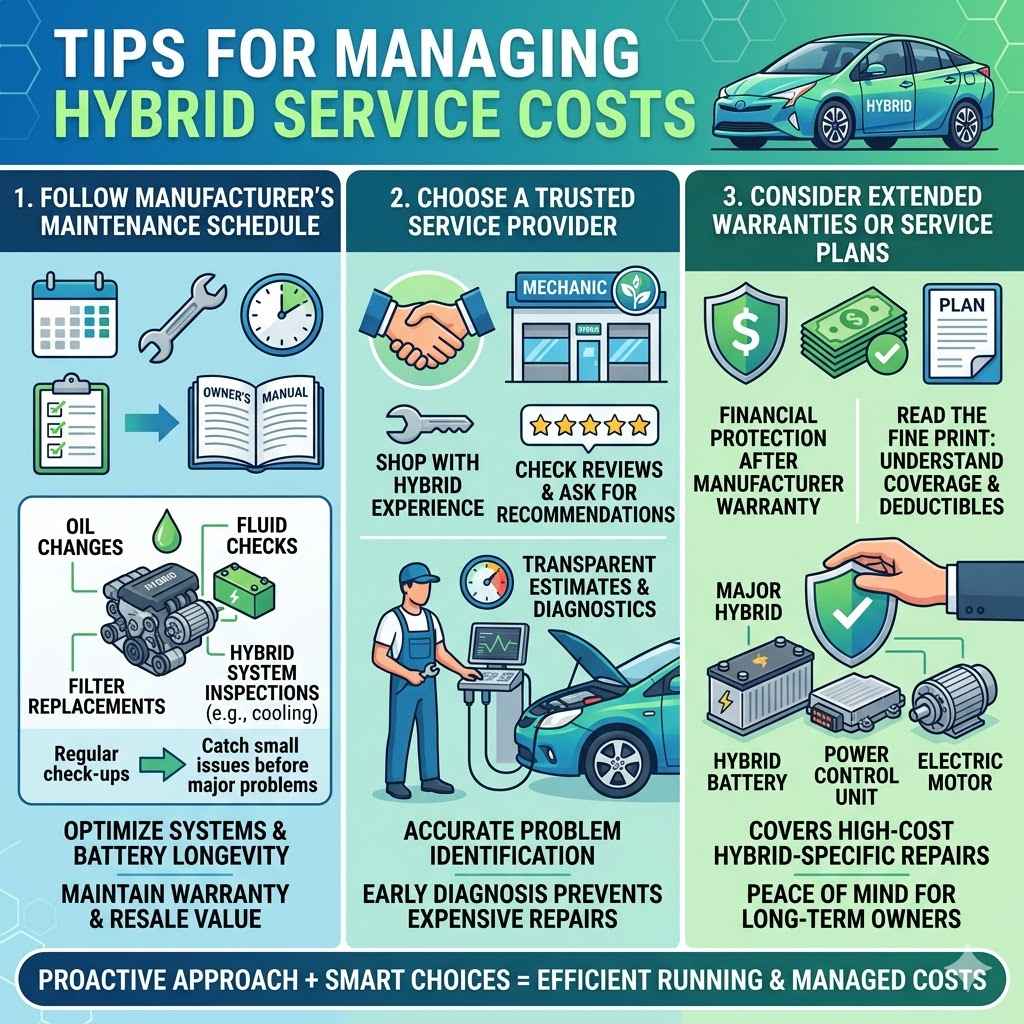
The best way to avoid costly surprises is to stick to the maintenance schedule recommended by your car’s manufacturer. This schedule is designed to keep all the car’s systems, including the hybrid components, in optimal condition. Regular check-ups can catch small issues before they become major problems.
Your owner’s manual is your best friend here. It will outline recommended intervals for oil changes, fluid checks, filter replacements, and inspections of both the gasoline engine and the hybrid system. For example, some manuals might suggest inspecting the hybrid battery cooling system every few years, a task easily overlooked but important for battery longevity.
Adhering to this schedule also helps maintain the vehicle’s warranty. If a component fails due to lack of maintenance, the warranty might not cover the repair. This diligent approach ensures your car remains reliable and can help preserve its resale value.
Choose a Trusted Service Provider
Finding a reliable mechanic or service center is crucial for any car owner, but it’s especially important for hybrids. Look for shops that have experience servicing hybrid vehicles, particularly your car’s make and model. Independent shops can sometimes offer more competitive pricing than dealerships, but ensure they have the necessary expertise and equipment.
Check online reviews, ask for recommendations from friends or family, and don’t hesitate to ask potential service providers about their experience with hybrids. A good mechanic will be transparent about the services needed and provide clear explanations and estimates before starting any work. They should also be able to perform diagnostics on the hybrid-specific systems.
For instance, if you hear a strange noise or a warning light appears on your dashboard, take it to a shop you trust. A skilled technician can accurately diagnose the issue, whether it’s related to the gasoline engine or the hybrid system, and recommend the most cost-effective solution. Early diagnosis often prevents more expensive repairs later on.
Consider Extended Warranties or Service Plans
If you are concerned about the potential cost of hybrid-specific repairs, especially after the manufacturer’s warranty expires, you might consider purchasing an extended warranty or a pre-paid maintenance plan. These plans can offer financial protection against unexpected, high-cost repairs.
When evaluating extended warranties, read the fine print carefully. Understand what components are covered, the deductible amounts, and any limitations or exclusions. Similarly, pre-paid maintenance plans can lock in service costs, potentially saving you money over time, especially if you plan to keep the car for an extended period.
Ensure the plan covers essential hybrid-specific checks.
For example, a comprehensive extended warranty might cover the hybrid battery, power control unit, and electric motor, which are the most expensive components to replace. This can provide significant peace of mind for owners who want to budget for potential future expenses. However, weigh the cost of the plan against the likelihood of needing such repairs.
Frequently Asked Questions
Question: Do hybrid cars need more frequent oil changes than gasoline cars?
Answer: Not necessarily. While hybrid cars still require oil changes for their gasoline engine, the engine may run less often due to the electric motor. This can sometimes mean slightly extended intervals between oil changes, but it’s always best to follow your specific vehicle’s owner’s manual for the recommended schedule.
Some manuals might recommend 10,000 miles between changes for certain hybrid models.
Question: Is hybrid battery replacement a common issue?
Answer: Hybrid battery replacement is not a common issue for most owners. These batteries are designed to last for many years, often 8 to 10 years or even longer, and are typically covered by a substantial manufacturer’s warranty. While replacement can be expensive if it occurs out of warranty, it’s not a routine maintenance item like an oil change.
Question: Can a regular mechanic service my hybrid car?
Answer: For basic maintenance tasks like oil changes, tire rotations, and brake checks, most qualified mechanics can service a hybrid car. However, for repairs or diagnostics involving the hybrid-specific components (like the battery, electric motor, or power control unit), it’s recommended to find a mechanic or dealership with specialized training and equipment for hybrid vehicles.
Question: Are hybrid cars more expensive to insure than gasoline cars?
Answer: Insurance costs can vary depending on the specific vehicle, your driving record, and the insurance provider. Some insurers might charge slightly more for hybrids due to the higher cost of potential repairs for specialized components, while others may offer discounts for their fuel efficiency and safety features. It’s best to get quotes from multiple insurance companies.
Question: How does regenerative braking affect service costs?
Answer: Regenerative braking significantly reduces wear on the conventional friction brakes (pads and rotors). This means you’ll likely need brake
Conclusion
So, do hybrid cars cost more to service? The answer is not a simple yes or no. While some specialized hybrid parts can be costly if they need replacement, the reduced wear on brakes and often better fuel economy can balance things out.
Routine maintenance is usually comparable, and many hybrid components last for years. With smart care and by following your owner’s manual, you can manage hybrid service costs effectively and enjoy the benefits of these efficient vehicles.